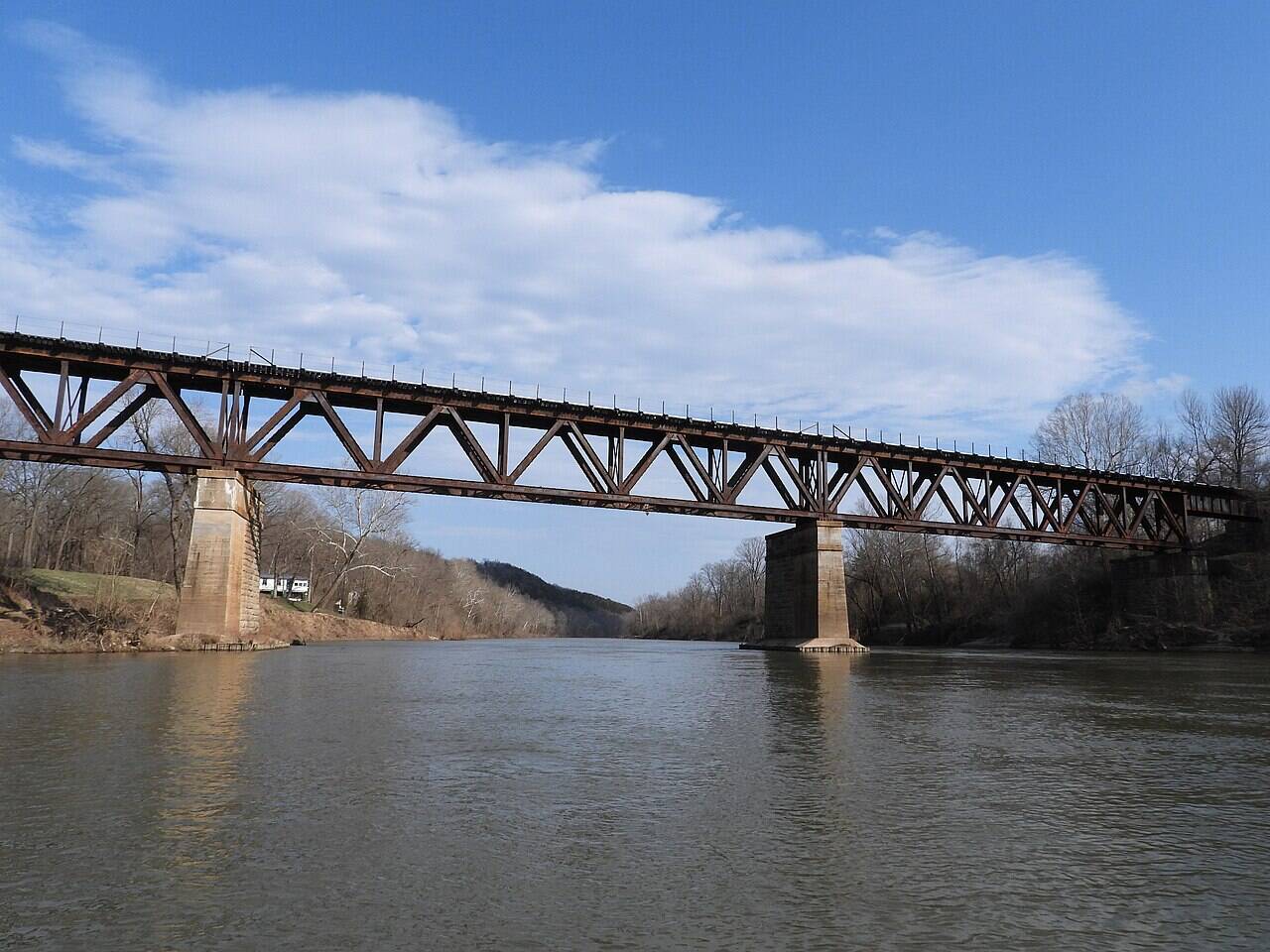
When talking about abandoned communities in America, people generally imagine abandoned towns due to industrial failures or demographic changes. However, this is not the case with Times Beach in Missouri. This small town came into the spotlight due to one of the most disastrous environmental incidents in the United States. It was discovered that the land of this town was heavily polluted by dioxins, which were poured on the dirt streets years before. This issue became worse in December 1982 due to floods.
Get breaking news anytime, anywhere. Download the TOI app now!
According to a US Environmental Protection Agency article , investigations into dioxin contamination across Missouri eventually led officials to confirm contamination in Times Beach. The EPA says the discovery, followed by devastating floods in December 1982, led health officials to recommend that residents not return, which in turn prompted a federal buyout and years of cleanup under the Superfund programme.
The events that shaped Times Beach had actually begun years earlier. During the early 1970s, waste oil was sprayed on the town's unpaved roads to reduce dust. At the time, residents were unaware that some of the oil contained dioxin, a highly toxic chemical by-product associated with certain industrial manufacturing processes. In March 1982, the EPA received records from the US Centers for Disease Control and Prevention concerning dioxin contamination at several Missouri locations. Soil sampling followed, and later that year testing confirmed contamination in Times Beach.
After the flooding of the Meramec River following heavy rains in December 1982, the contaminated soil reached the roads, as well as houses and yards. While investigating the area following the floods, the EPA and the CDC concluded that Times Beach could not be reoccupied due to fears of dioxin contamination. Thus, a case of flooding turned into an American hazardous waste emergency.
From homes to the largest cleanup in America
In February 1983, a voluntary buyout program was implemented for the residents of Times Beach by using Superfund monies. More than 2,000 people moved out as hundreds of homes and business structures were acquired by the government.
Relocating residents was only the first step in the cleanup. The larger challenge was safely disposing of the contaminated soil and debris. Instead of isolating the waste indefinitely, officials chose high-temperature incineration as the long-term solution. According to the EPA, a specially built high-temperature incinerator treated 265,354 tons of dioxin-contaminated materials from 27 sites across eastern Missouri. Of that total, 37,234 tons came from Times Beach, making the town a major part of one of the country's largest hazardous waste clean-up projects. The project became one of the largest hazardous waste remediation efforts in the United States.
As the cleanup continued, the town was gradually dismantled. Buildings were demolished, roads were removed, and contaminated areas were restored. Years later, the land became Route 66 State Park, giving the former town a new purpose. Today, visitors can walk through green spaces and learn about the area's history through interpretive displays, even though few visible traces of the original community remain.
The Times Beach disaster also highlighted the importance of the newly established Superfund programme. The response showed federal, state and public health agencies working together to investigate contamination, relocate residents and carry out a long-term restoration project. The experience helped shape future responses to hazardous waste sites across the country.
The event also revealed how man-made activities coupled with natural occurrences can cause environmental hazards. Pollution existed even before the flood, but the flood caused further spread of pollution and prevented the residents from coming back until the investigation was completed.
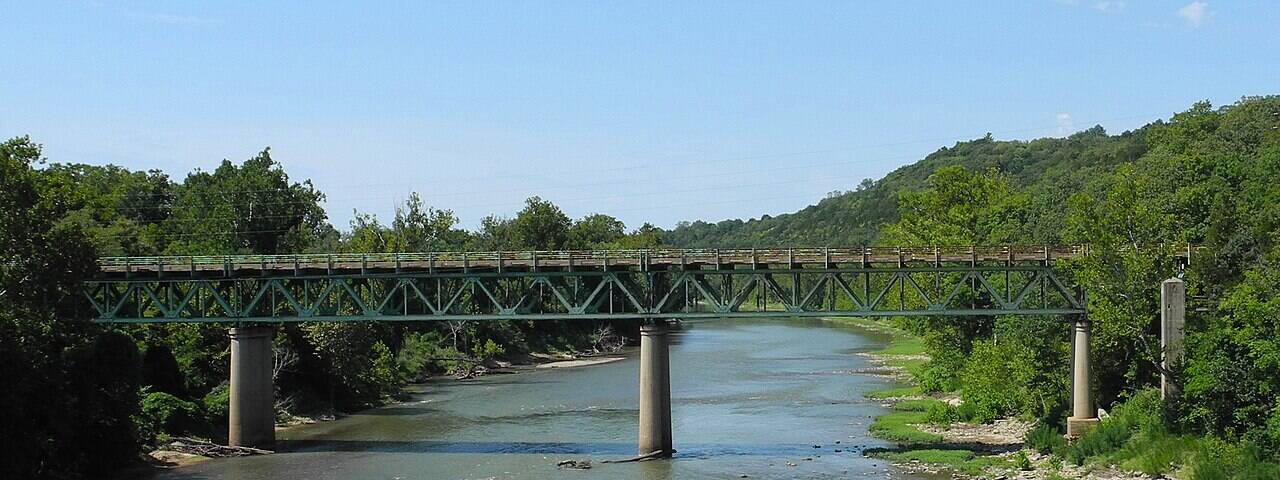
Times Beach relevant after more than four decades
Forty years later, the Times Beach disaster is still a significant chapter of U.S. environmental history since it made investigations for the contamination at the site different from before. The EPA report highlights the effort taken by the government to clean up the town.
What residents initially saw as routine dust control was later found to involve oil contaminated with dioxin. The investigations highlighted the importance of monitoring waste materials and identifying environmental risks before they affect entire communities.
Visitors to Route 66 State Park today are unlikely to realise that an occupied town once stood there. Walking trails, picnic areas and preserved natural landscapes have replaced neighbourhood streets and homes. Historical exhibits throughout the park explain what happened and why Times Beach remains an important reminder of the lasting impact environmental contamination can have on a community.
Times Beach is a typical case in point of how the use of science and health guidelines was able to address an unusual event. Road spraying, together with the occurrence of flooding in 1982, was part of the reason why the whole town had to be evacuated. While there are no longer people living in Times Beach, it still made its name through its contribution to environmental law and toxic waste clean-up efforts.