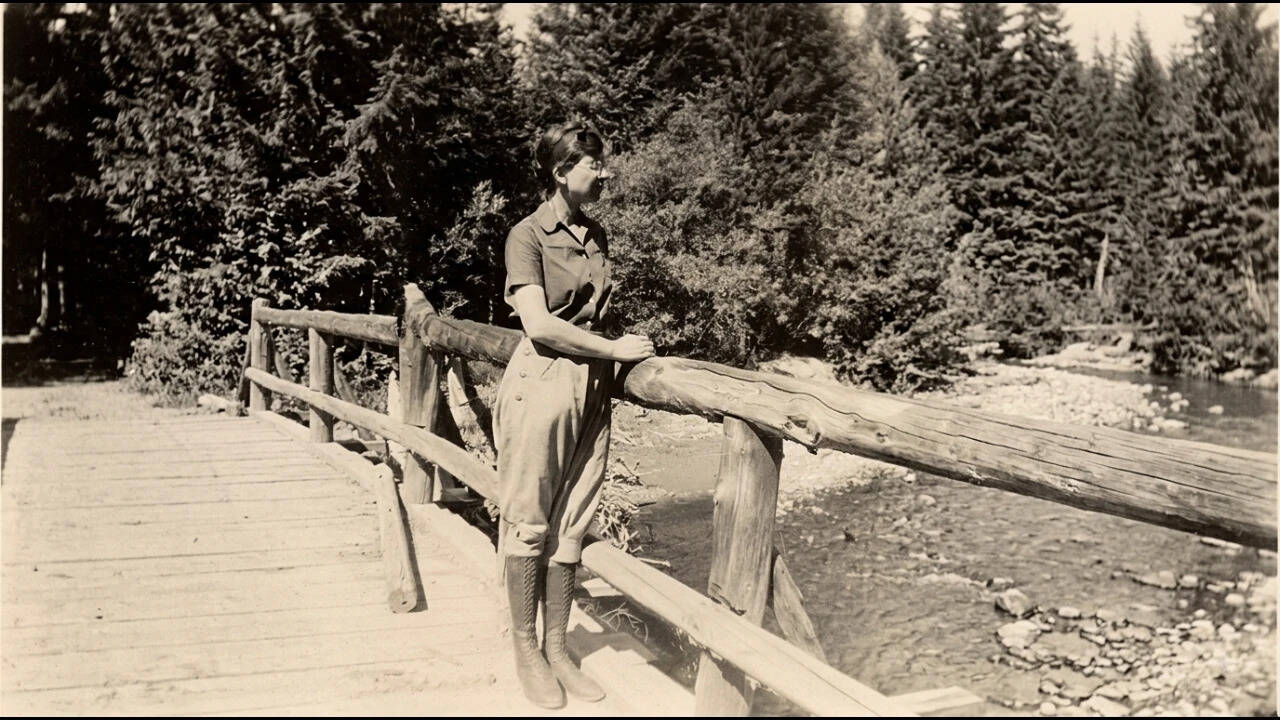
In the early years of America’s national parks, the ranger uniform was overwhelmingly associated with men. Women were already working in parks in various capacities, however, and some were beginning to take on duties that would later become central to the modern park ranger. One of the most remarkable early examples was a South Dakota schoolteacher who was hired in 1917 to guide visitors through Wind Cave in South Dakota. Her appointment reflected a period when the National Park Service and its predecessors were experimenting with how best to manage newly protected landscapes and explain them to growing numbers of visitors. The woman at the centre of this story was Isabel Bassett Wasson, who became one of the earliest women to hold a park ranger title in the United States. Her work at Yellowstone and her scientific background made her an important figure in the early history of women in the National Park Service. The story also reveals how the role of a ranger was changing from simply protecting park resources to educating visitors about the natural world. Her career helped demonstrate that women could contribute to national parks not only as guides, but also as scientists, educators and guardians of public lands. Her legacy would go on to challenge the gender barriers that shaped the early development of America’s national parks. Wasson’s career was part of a gradual shift that would eventually open more opportunities for women across the National Park Service. By combining scientific knowledge with public education, she helped broaden the idea of what a ranger could be and showed that women could play a meaningful role in both conservation and park management.
Get breaking news anytime, anywhere. Download the TOI app now!
How a South Dakota teacher helped open the door for women in America’s early park service
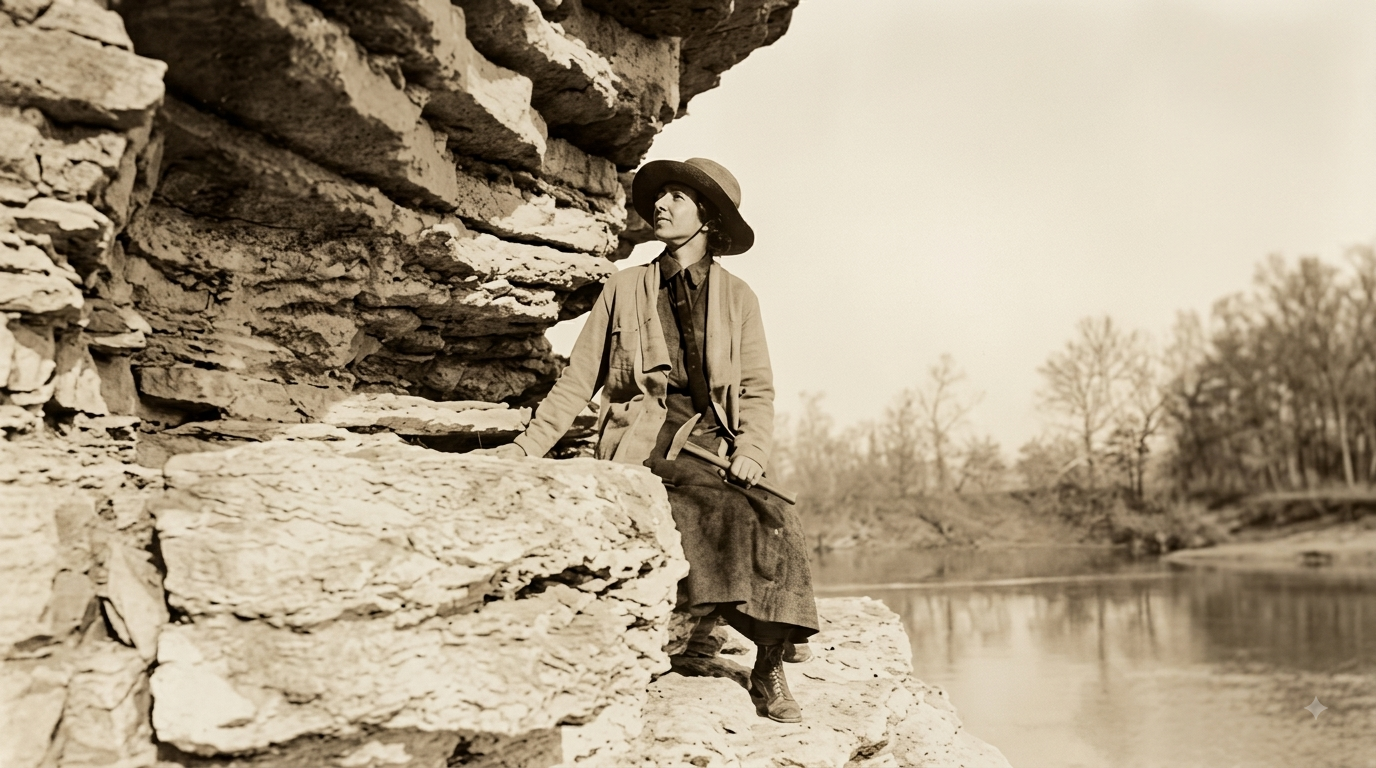
Wasson was born Isabel Deming Bassett in Brooklyn, New York, in January 1897. She studied at Wellesley College, where she earned a bachelor's degree, and later pursued a master's degree at Columbia University. She also taught at Wellesley College in 1918 and 1919. Her connection with national parks began through her interest in geology and natural history. In 1919, while visiting Yellowstone National Park as part of a tourist group, Wasson impressed park officials with her knowledge of the landscape and her ability to explain geological features to other visitors. Yellowstone superintendent Horace M. Albright was particularly impressed. According to the National Park Service, he described her as an excellent public speaker who could explain scientific subjects in language that ordinary visitors could understand. He subsequently offered her a position as a park ranger. Her appointment was significant because the ranger's role was still evolving. Wasson was not simply expected to perform clerical work. Albright specifically envisioned her guiding visitors around Yellowstone's geyser formations while helping protect those features. The Department of the Interior issued her a park ranger appointment in March 1920.
Women were already entering the ranger service
Wasson's story is part of a much broader, and often overlooked, history of women working in America's national parks. The National Park Service notes that women served as rangers at Yellowstone during the 1920s, with several taking temporary appointments. Mary A. Rolfe, for example, worked as a ranger in 1921, while Frieda B. Nelson served during the 1925 season. Their responsibilities included interpreting the park for visitors, working in information offices and performing other duties associated with ranger work. Marguerite Lindsley also became a notable early figure. Born and raised at Yellowstone, she began working as a temporary ranger in 1921. In December 1925, she became the first woman appointed to a permanent ranger position at Yellowstone. For decades, she was widely described as the first permanent woman ranger in the entire National Park Service. But historical records later revealed that the story was more complicated.
The woman who changed the record books
Research by the National Park Service eventually established that Mary J. Sullivan had actually received a permanent ranger appointment at Glacier National Park on July 1, 1924, 17 months before Lindsley's appointment at Yellowstone. Sullivan worked at the Polebridge entrance, where she registered visitors and vehicles. Her appointment appears to have been partly driven by practical considerations: she was married to Glacier ranger Thomas J. Sullivan and could live in existing ranger housing. Nevertheless, the NPS gave her an official permanent ranger appointment rather than a temporary position. The discovery changed the historical record. For nearly a century, Lindsley had been remembered as the first permanent woman park ranger, partly because newspaper coverage had made her story much more visible. Sullivan, by contrast, worked at a less prominent entrance, was older when appointed and spent only part of each year on duty. Her contribution consequently faded from public memory. The NPS's rediscovery of Sullivan's personnel records is a reminder that the history of America's national parks was not shaped only by the most famous rangers. Many women entered the service through modest, seasonal or overlooked positions, helping establish a path for women who would later take on increasingly diverse roles.
A changing idea of what a park ranger could be
The early women rangers also helped demonstrate that protecting a national park involved more than patrolling its boundaries. Their work connected science, education and conservation. Wasson's ability to explain geology to visitors was precisely what made her valuable to Yellowstone. Rather than keeping scientific knowledge within academic circles, she translated it into experiences that ordinary tourists could understand. Her work reflected the emerging idea that national parks should serve as places where the public could learn about America's landscapes as well as admire them. Although Wasson's own ranger appointment was relatively brief, her career became part of the foundation of women's participation in the National Park Service. The NPS's historical research now shows that women occupied ranger positions earlier and in greater numbers than older accounts suggested. The story also carries an important lesson about historical memory. The woman once remembered as the "first" was later joined, and partly displaced, by an earlier figure whose records had been overlooked. As the National Park Service's research demonstrates, recovering those forgotten records can change our understanding of who helped build America's national parks.