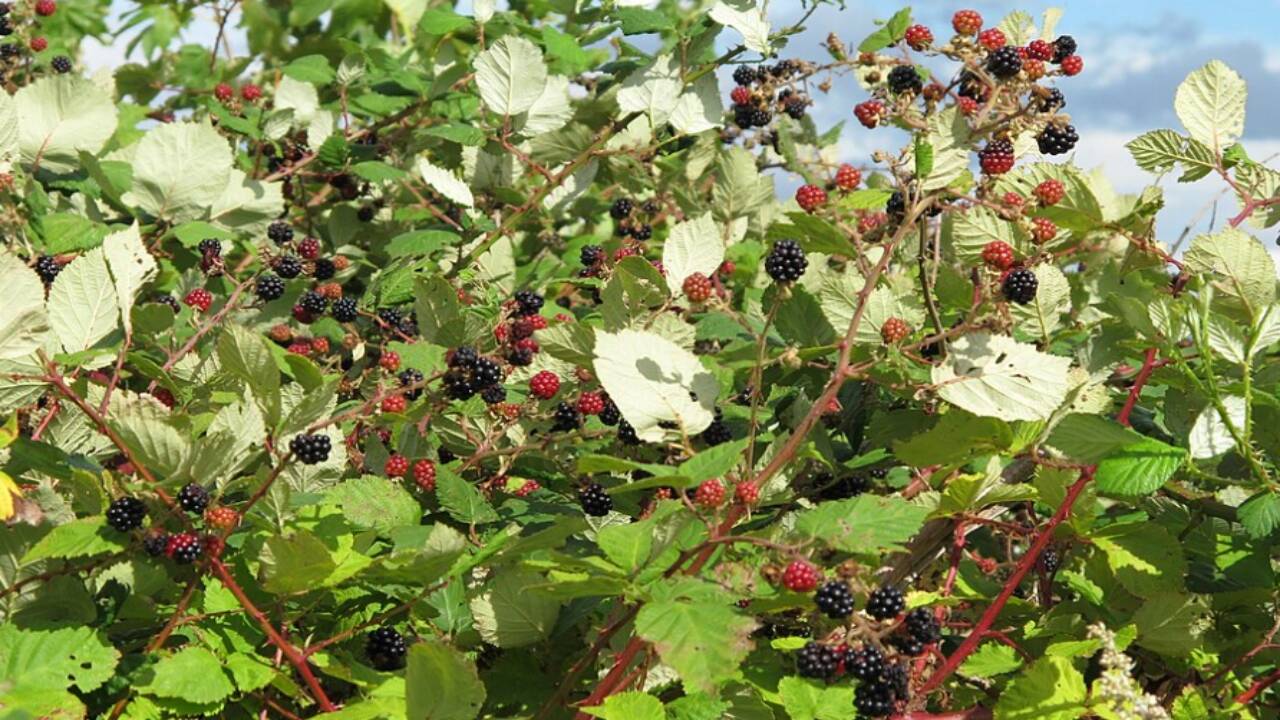
In 1885, celebrated plant breeder Luther Burbank introduced a new blackberry variety to American gardeners, marketing it as an exceptionally productive fruit plant. He called it the Himalaya Giant blackberry. The U.S. Department of Agriculture says that the same plant is officially recognised as the most invasive non-native shrub on the West Coast of the United States, and it is still spreading.
Get breaking news anytime, anywhere. Download the TOI app now!
According to Washington State Magazine , published by Washington State University, Burbank received the seeds for what would become the Himalayan blackberry through the mail from India, though the plant itself actually originates from Armenia and northern Iran. Burbank ran an experimental garden in Santa Rosa, California, where he spent decades developing new plant varieties, including the Shasta daisy and the Russet Burbank potato, which is still used today for French fries. In 1885, he introduced the Himalaya Giant to American consumers through a special circular. Burbank later wrote that its popularity was so great that for several years, growers could not multiply the plants fast enough to meet demand. He described a single cane capable of growing more than 25 feet, sometimes even 50 feet, in one season, with a single bush reportedly bearing 200 pounds of berries.
Why the plant spread so far beyond where it was planted
Luther Burbank found that the Himalaya Giant thrived in the Pacific Coast climate, and in 1894, he began marketing it directly to buyers in the Pacific Northwest. According to the US Forest Service's Fire Effects Information System, the plant had already spread widely along the West Coast by 1945. Birds and other animals played a major role in that spread, eating the sweet berries and depositing seeds across the landscape wherever they landed. By the early 1900s, the shrub was thriving throughout the Puget Sound region, and it had become so common that many people simply assumed it was a native plant.
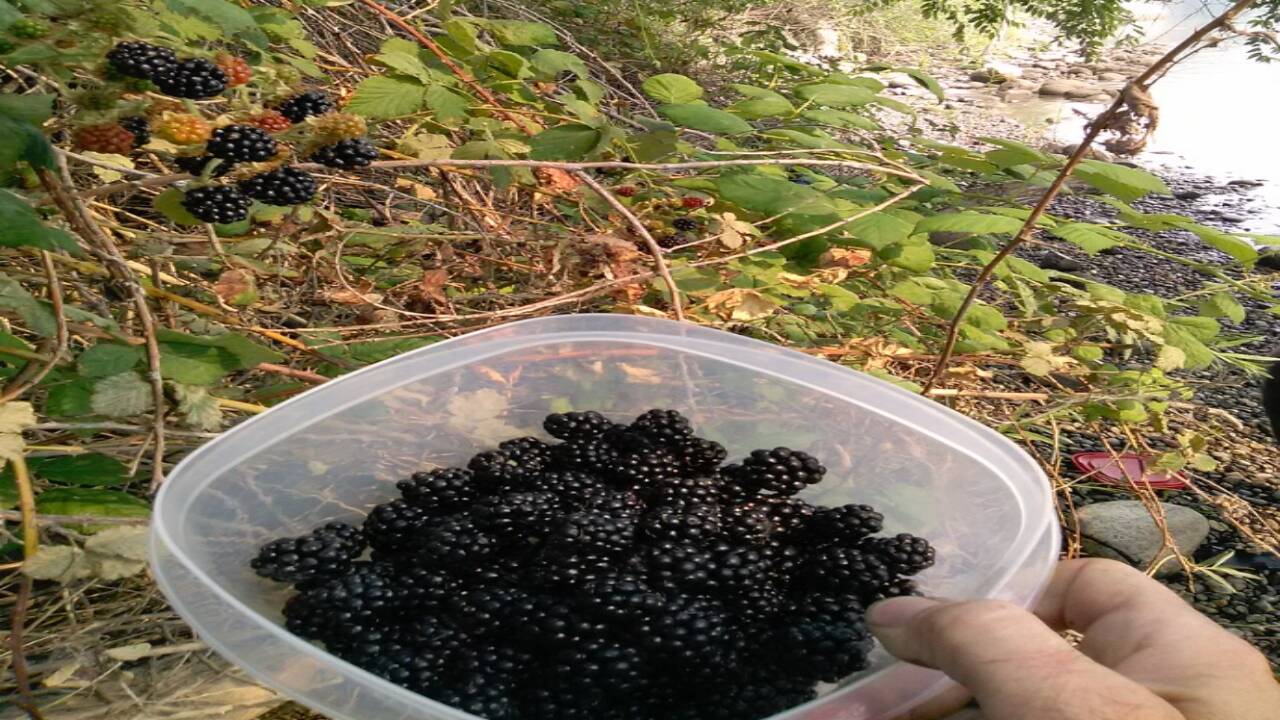
What makes this particular blackberry so hard to remove
The US Forest Service's research review describes Himalayan blackberry as the most invasive nonnative shrub on the West Coast, a plant that forms dense thickets, displaces native vegetation, blocks wildlife movement, and causes real economic losses. The shrub is now established across the Pacific Northwest and California, has spread into Idaho's Snake River Plain, and has been documented in isolated locations as far away as Montana and coastal Alaska. According to Washington State Magazine, the plant is notoriously difficult to eliminate. Mowing and burning do not work reliably, and the shrub typically regrows even after herbicide treatment. Individual plants can live 25 years or longer, and they flourish even in poor, degraded soil that most other plants struggle to grow in at all. The Washington State Noxious Weed Control Board formally classified Himalayan blackberry as a Class C noxious weed in 2009, and King County named it Weed of the Month in June 2018. The county's noxious weeds programme described its aggressive spread as an ecological problem across much of the region.
The irony still growing in Burbank's own namesake park
Perhaps the clearest illustration of how far this plant has spread is Luther Burbank Park on Mercer Island, Washington, a public park named after the breeder who introduced the shrub. According to Washington State Magazine, parts of that park are now overtaken by the same bramble Burbank popularised more than a century ago. Rick LaMonte, founder of Northwest Wild Foods, said the irony was striking, joking that someone should have sent Burbank to a psychologist for spreading a plant that later became a persistent problem. A native alternative also grows in the same region. The trailing blackberry is a smaller native species that still grows wild across parts of western Washington, though pickers say it can be hard to find because it grows low on logged or burnt ground and usually avoids roadsides. Unlike its aggressive Himalayan cousin, the trailing blackberry has not spread nearly as aggressively, a reminder that not every introduced or native plant behaves the same way once it takes root.