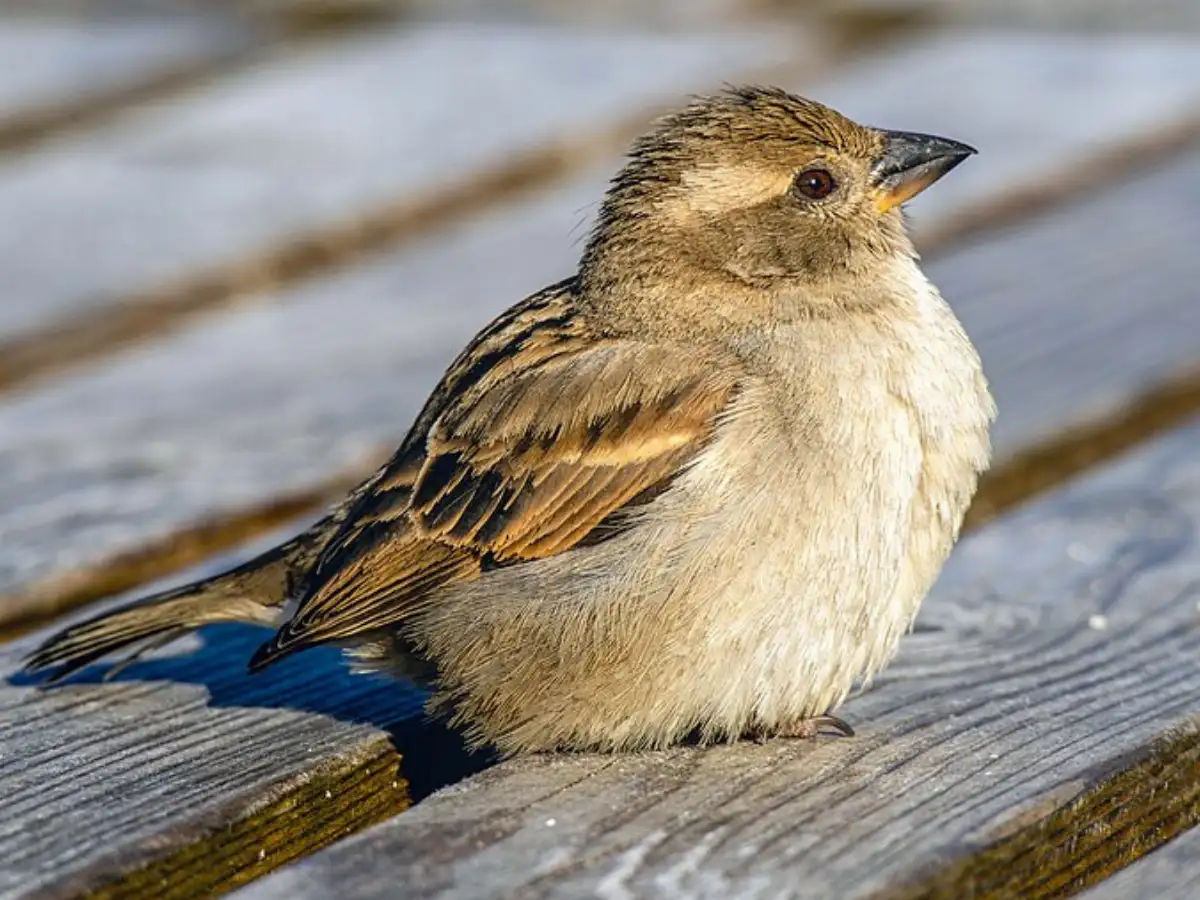
Have you ever tossed breadcrumbs to a small brown bird outside a coffee shop? Chances are, it was a house sparrow. Most Americans believe this bird has always lived here. It hasn’t. The first documented introduction of house sparrows in the US took place in 1851 with the release of 8 pairs (or 16 birds) in Brooklyn, New York, according to a peer-reviewed paper in the journal Biological Invasions. That one release helped trigger one of the biggest bird invasions in US history.
A scientist with a bug problem
The man behind the release was Nicholas Pike, a naturalist linked with the Brooklyn Institute. According to the same study titled ‘The Earliest House Sparrow Introductions to North America,’ Pike later recounted that he had the birds shipped over from England in the fall of 1850, but they weren't actually released until the following spring, in 1851, after being kept in a cage through the winter. American cities were then fighting hungry caterpillars stripping leaves off street trees, and Europeans had long been used to sparrows feeding around parks and farms. Pike had hoped the birds would do the same in Brooklyn.
The plan nearly failed right away. The study notes that this first small group of sparrows suffered and did not do well in their new home. It took more shipments and more releases over the next few years, including one at Green-Wood Cemetery in Brooklyn, before the birds finally took hold and began to multiply.