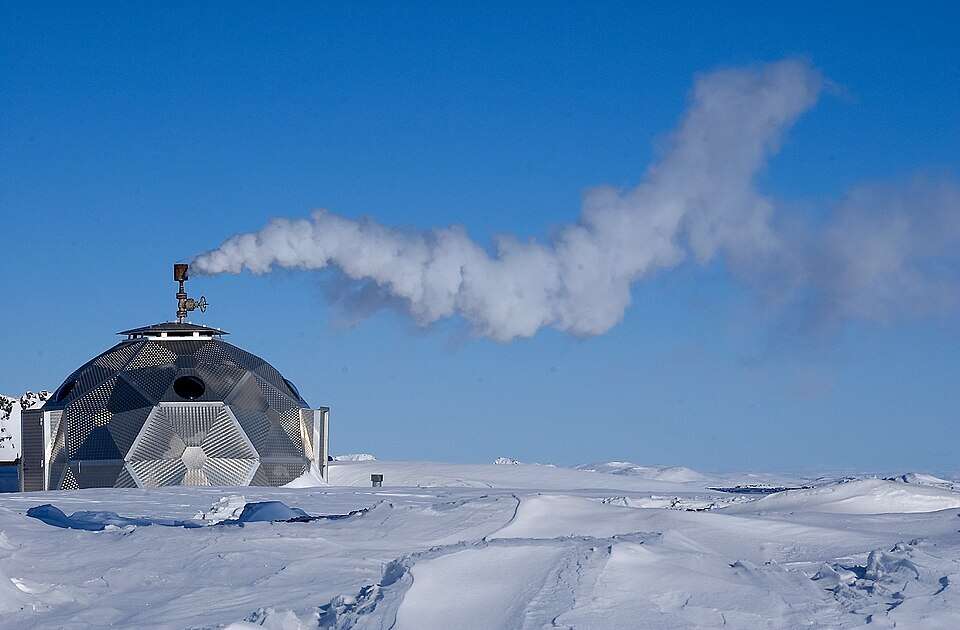
When people think of volcanoes, they often imagine destructive eruptions, lava flows, and ash clouds. However, in Iceland, volcanic activity has become one of the country's greatest natural assets. Instead of relying heavily on coal, oil, or natural gas to keep homes warm, Iceland harnesses the Earth's natural heat through geothermal energy. Naturally heated water from deep underground is pumped to towns and cities, providing heating and hot water to nearly 90 per cent of Icelandic households. This remarkable energy system has transformed Iceland into one of the world's leading examples of renewable energy use and sustainable living.
Get breaking news anytime, anywhere. Download the TOI app now!
Iceland lies on the Mid-Atlantic Ridge between the North American and Eurasian tectonic plates. A volcanic hotspot beneath Iceland adds to the country's abundant geothermal resources. "Heat from magma warms underground water, creating reservoirs of hot water and steam that can be tapped by drilling. Instead of letting this natural source of energy go to waste, Iceland has been utilising it for years to provide heating solutions.
How Iceland uses geothermal heat
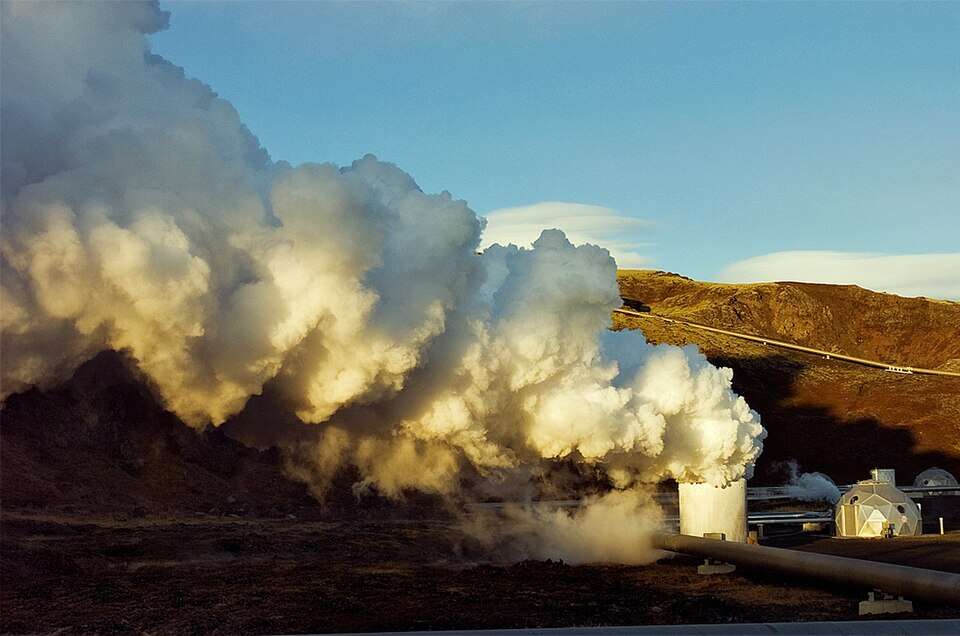
The geothermal heating process begins deep beneath Iceland's surface. Rainwater and groundwater seep into porous volcanic rocks where they are heated by nearby magma. Engineers drill wells into these geothermal reservoirs to extract hot water and steam.
In low-temperature geothermal fields, hot water can often be piped directly into district heating systems after minimal treatment. In higher-temperature geothermal fields, the geothermal fluid usually contains minerals and dissolved gases that make it unsuitable for household use. Instead, the geothermal fluid transfers its heat to clean freshwater through heat exchangers. The heated freshwater is then circulated through insulated pipelines to homes, schools, hospitals, offices, and public buildings.
This district heating system can supply thousands of buildings simultaneously. Unlike conventional heating systems that burn fossil fuels in individual homes, geothermal district heating significantly reduces carbon emissions while lowering heating costs for consumers.
Moreover, the benefits of geothermal energy extend into other fields in Iceland besides being used for home heating. Geothermal energy is used for swimming pools, public baths, greenhouses, aquaculture, snow melting on roads and sidewalks, and various industrial uses. Furthermore, the steam of geothermal energy produces about one-quarter or one-third of the electricity that Iceland uses, alongside the country's hydroelectric power plants.
Environmental and economic benefits of geothermal energy
One major benefit of geothermal energy is that it is a sustainable source. It produces much lower levels of greenhouse gases when compared to the burning of fossil fuels since there is no combustion of substances like coal or oil. In addition, geothermal power stations require a smaller area of land than many other plants do, while continuously providing energy despite the climate.
Research published by the International Geothermal Association found that geothermal district heating is among the most energy-efficient methods of providing residential heating. Their study highlights that countries using geothermal district heating achieve substantial reductions in fossil fuel consumption and carbon dioxide emissions while improving long-term energy security.
According to the Massachusetts Institute of Technology (MIT) , geothermal energy represents one of the most reliable renewable energy sources available because it provides constant baseload power. Unlike solar and wind energy, which depend on sunlight and weather conditions, geothermal systems can operate continuously throughout the year. The researchers also noted that advances in geothermal technology could allow many more countries to benefit from underground heat resources in the future.
Geothermal energy also offers economic advantages. Iceland uses much fewer fossil fuels in comparison with many other countries. This makes the country less affected by changes in global fossil-fuel prices. Heating in houses is inexpensive, while enterprises have access to stable sources of energy. The sector has also created many jobs.
Rewrite as "Iceland is widely regarded as a centre of geothermal expertise. Engineers and scientists from around the world visit the country to study its technologies and learn how geothermal systems can be adapted for use elsewhere.
Lessons the world can learn from Iceland
Although few countries have Iceland's geothermal potential, its long-term investment in renewable energy shows how an energy system can be transformed. It took Iceland quite some time to evolve from being dependent on foreign fuel sources into a country with such an abundant supply of its own geothermal power. Back in the early decades of the twentieth century, Iceland depended greatly on coal and oil imports.
Today, geothermal heating provides warmth for nearly every community in Iceland while contributing to cleaner air and lower greenhouse gas emissions. The country's district heating infrastructure is often cited as a model for sustainable urban development. Even nations with fewer geothermal resources can adopt lessons from Iceland by investing in renewable energy, improving energy efficiency, and developing technologies suited to their own geological conditions.
However, geothermal energy sources need to be used wisely to avoid decreasing their temperature or pressure over time due to excessive exploitation. Proper monitoring and reinjection of geothermal fluids can help geothermal fields continue producing energy over time.
Iceland shows how natural resources can support a steady source of renewable energy. The country relies heavily on geothermal heat rather than fossil fuels for home heating. This has allowed the country to significantly decrease its carbon footprint and increase its energy independence while building an effective heating system for virtually all homes in Iceland.