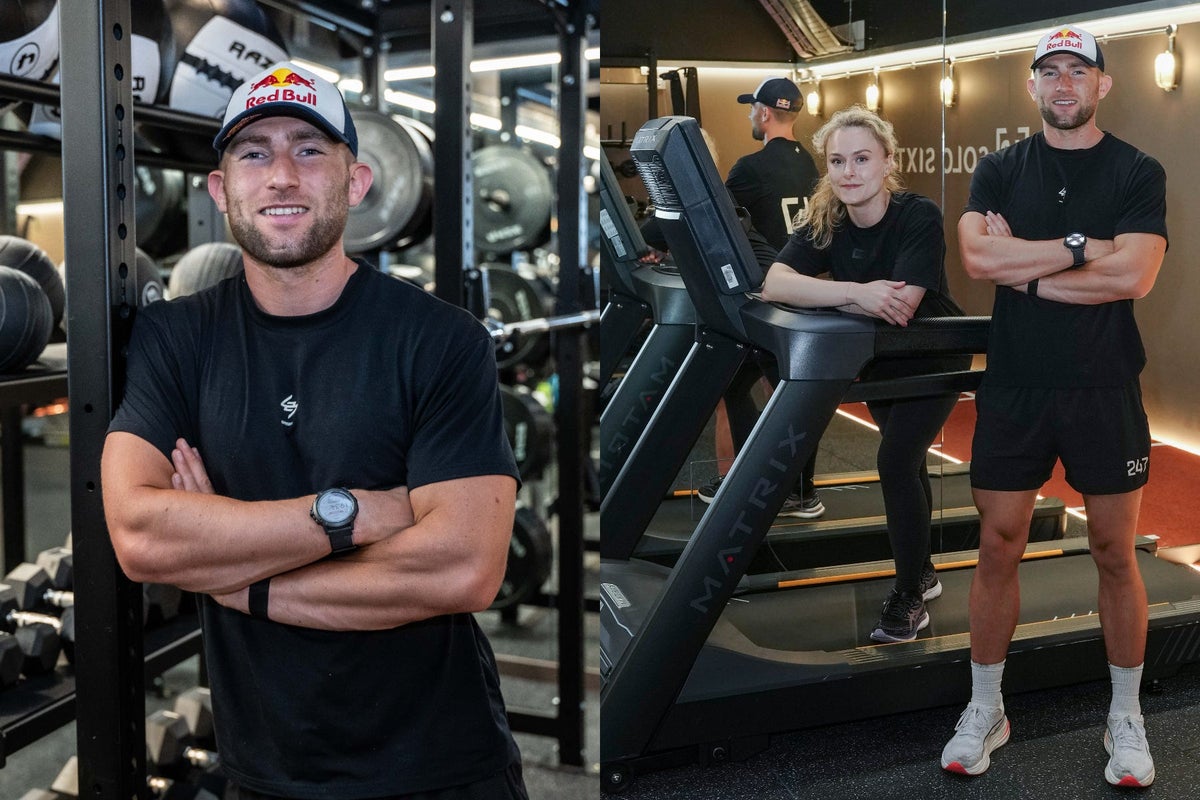
There’s a reason Hyrox has built up a reputation as one of the toughest fitness challenges you can do.
Hyrox is described as “fitness racing” – it combines both running and functional workout stations, where participants run one kilometre, followed by one functional workout station, and this is repeated eight times.
Each race is hosted indoors in exhibition halls, with competitions taking place all over the world, and it accommodates both professional athletes and everyday fitness enthusiasts looking to take their training to the next level.
There are four different categories to choose from when entering, including Open, Pro, Doubles or Relay, meaning you can even ask (or bribe) friends or your partner to join you.
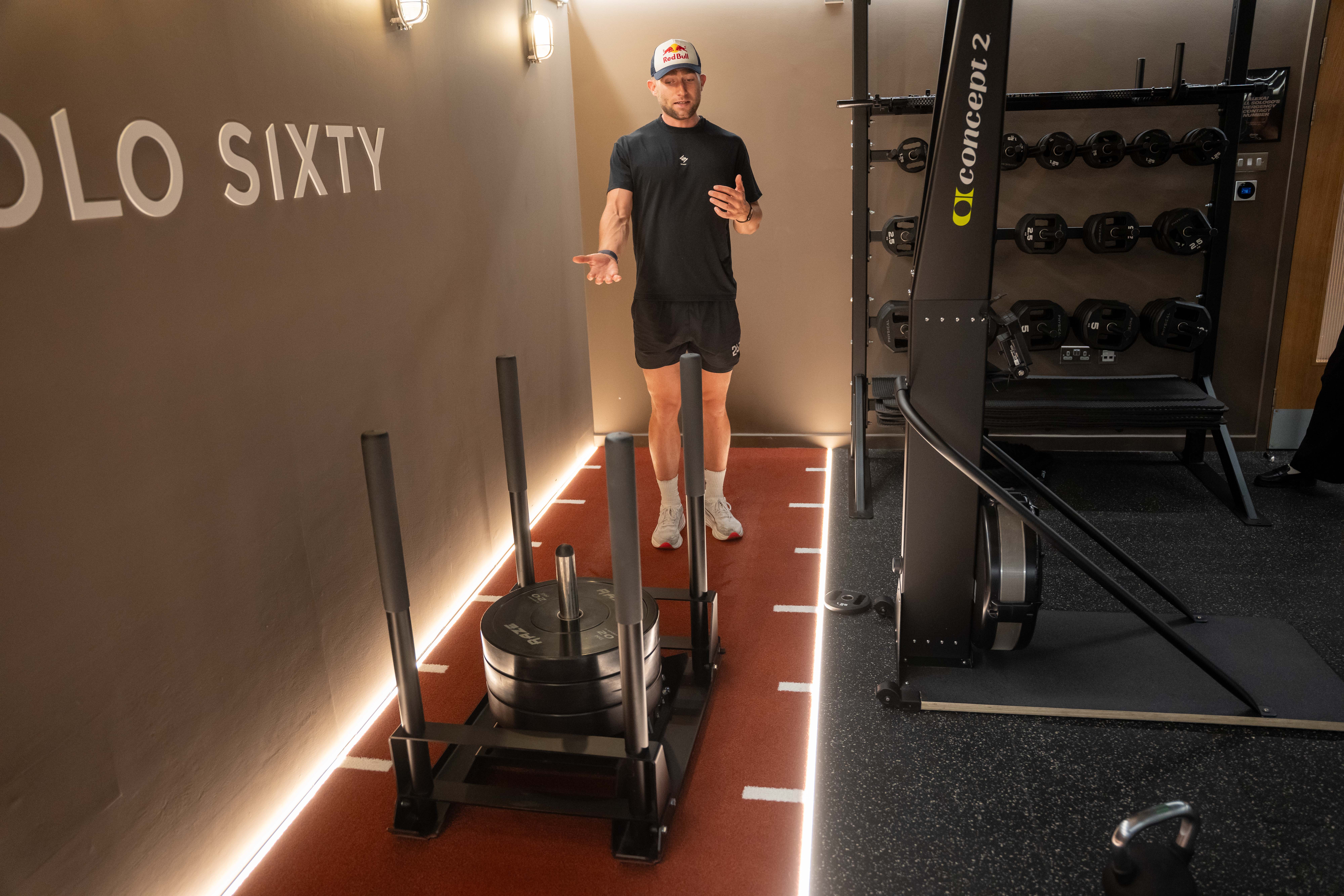
From a first glance, it might sound relatively straightforward, but it’s more challenging than you think – and I learned this the hard way.
While I do my best to take care of my physical wellbeing, with some occasional running, weight training and reformer Pilates, I think I underestimated how challenging it would be.
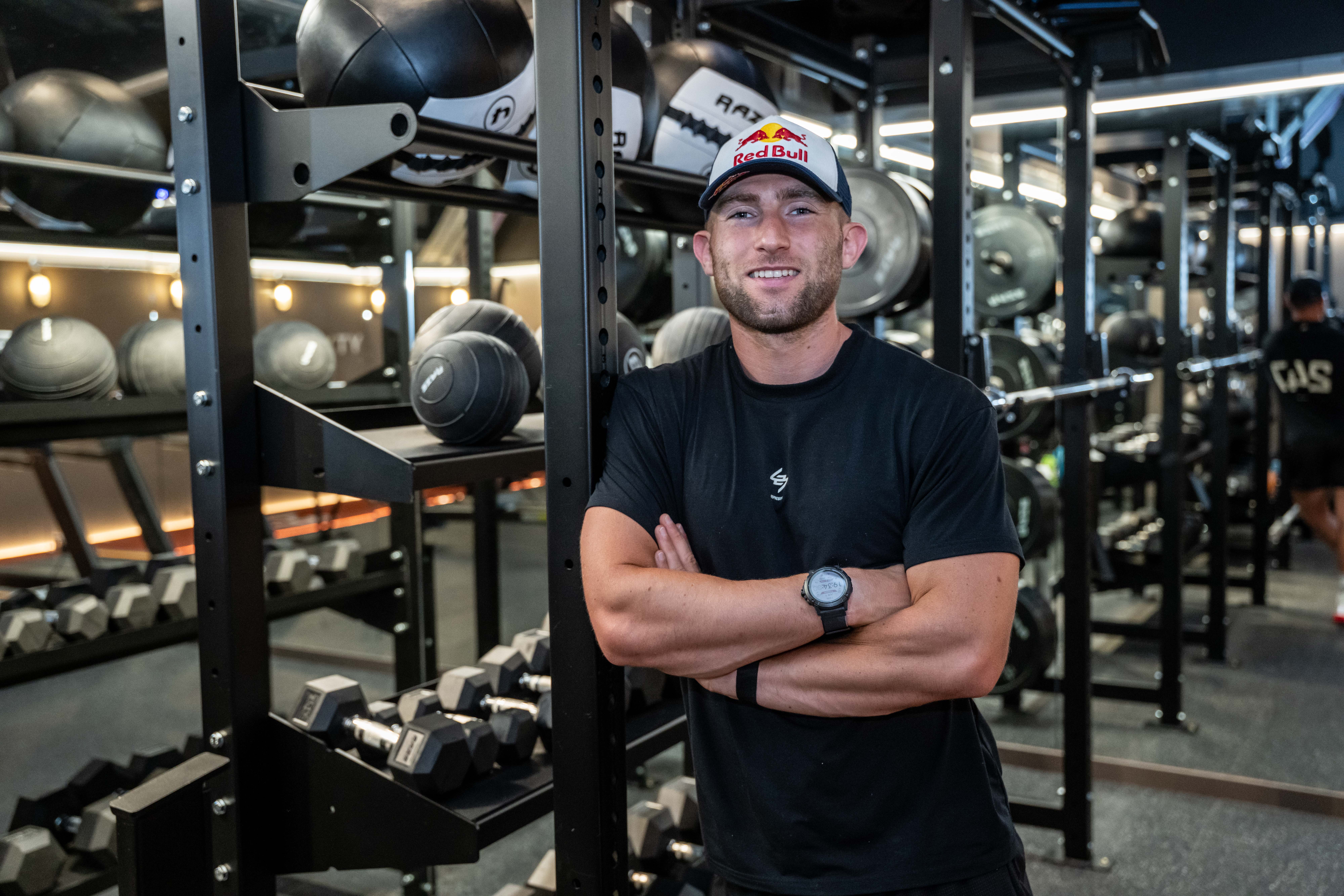
To get a flavour of what race day might feel like, I joined Red Bull and Hyrox athlete Jake Dearden for a one-to-one training session in London.
Dearden, 27, who lives in Bolton, said he has always been “fascinated with sports” – he started off playing football, attended his local athletics club and was “obsessed with the gym and trying to get stronger”.
He originally wanted to become a civil engineer but realised this “wasn’t for (him)” – and with a desire to help people, he became a personal trainer instead and soon “caught the bug” for Hyrox.
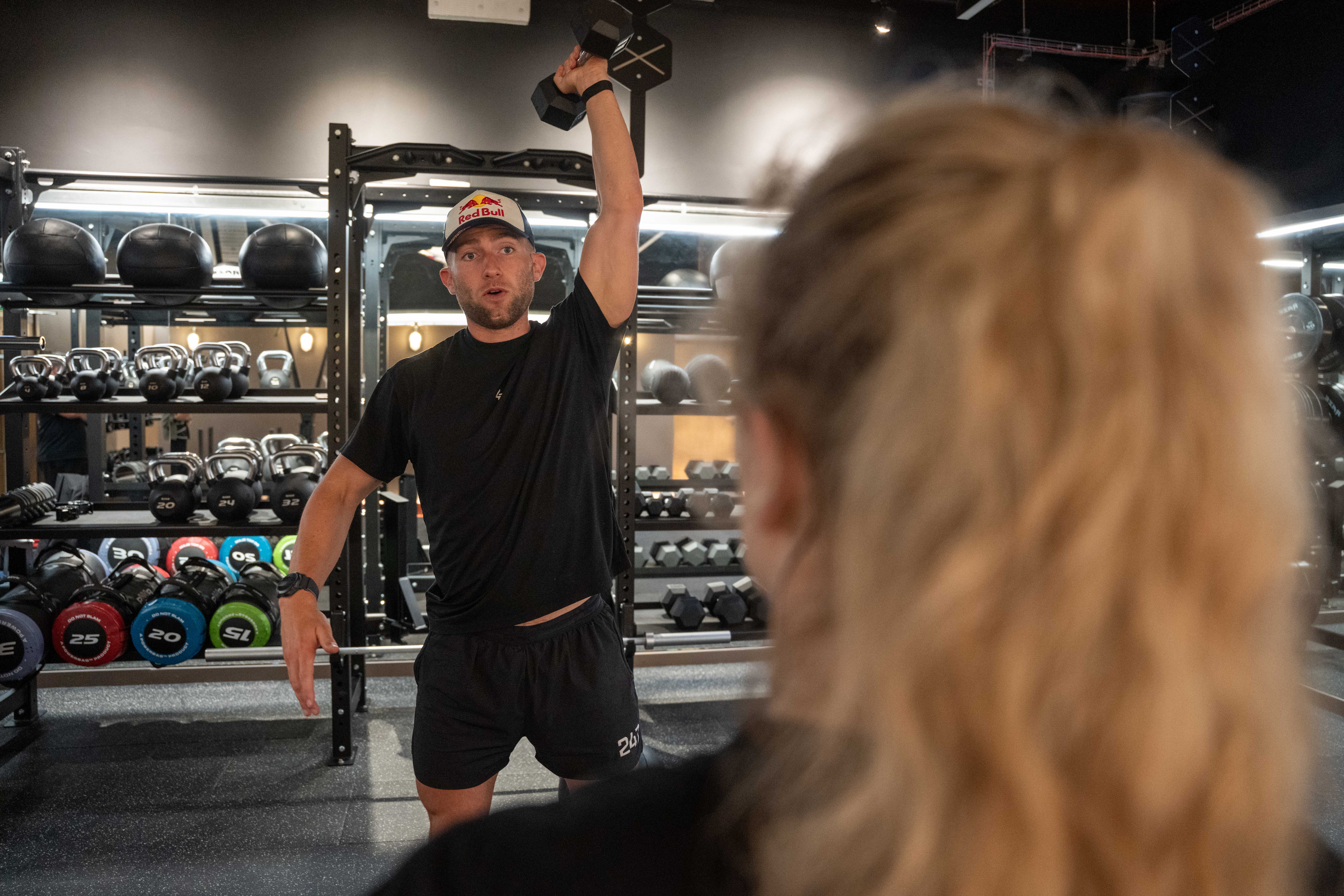
Dearden is already a Hyrox world champion and record holder and, with his impressive accolades, it’s fair to say I was nervous before the session, particularly as I had never trained for a Hyrox before.
We started off by warming-up on the treadmill with some steady jogging, followed by dynamic stretches, and Dearden explained how Hyrox works.
He said technique is particularly important, so he demonstrated – with grace and ease – how to complete the workout stations, giving me thorough step-by-step instructions.
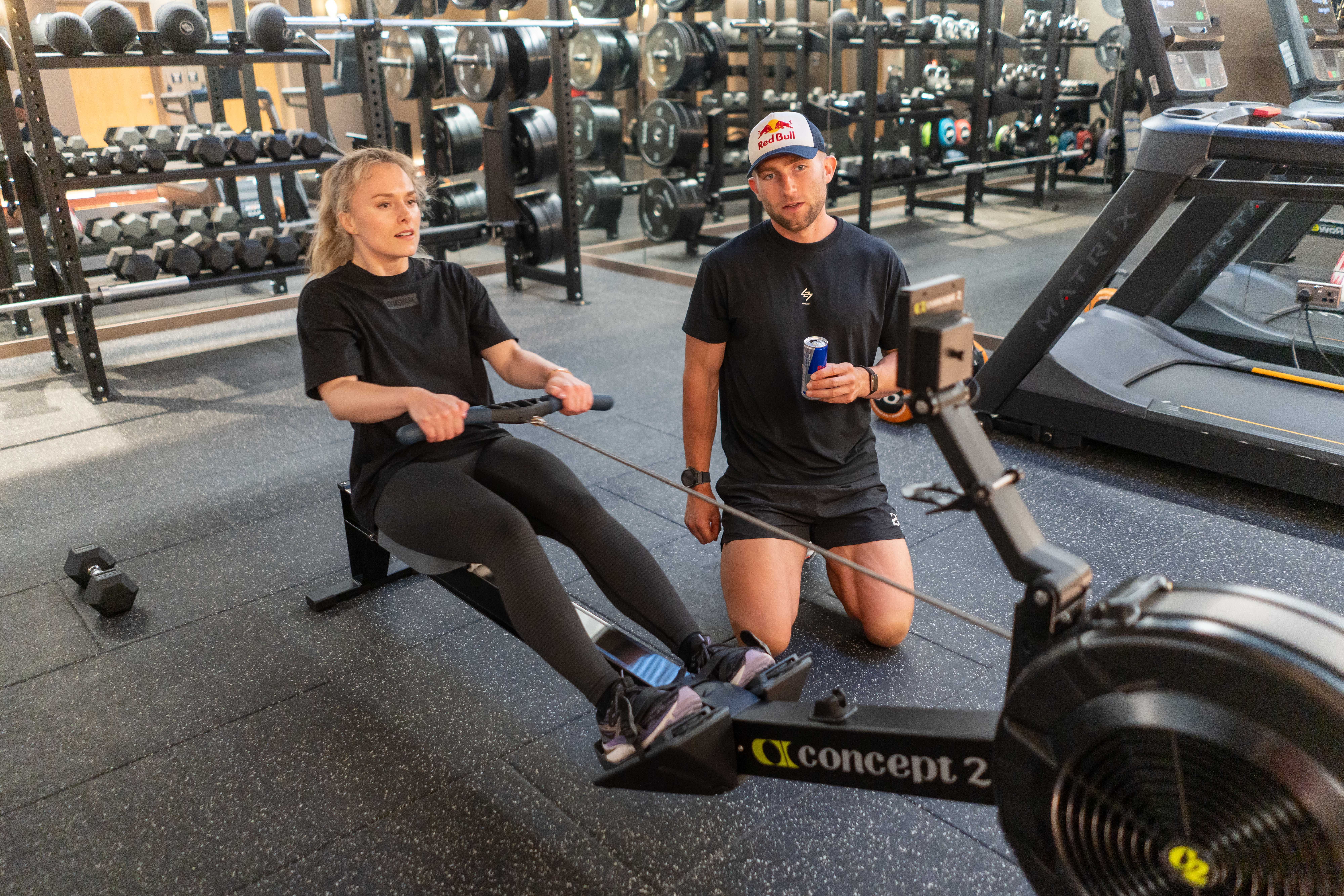
For context, after completing your initial one-kilometre run, the first station you are faced with is the SkiErg (an indoor fitness machine that simulates cross-country skiing).
Following the second run, it’s the sled push, and then the other stations after each one-kilometre run include the burpee broad jumps, rowing, the farmer’s carry, sandbag lunges and wall balls.
The first running section felt easy enough, followed by some weighted sandbag lunges, but when I jumped back onto the treadmill, my legs felt slightly jelly-like (and internally, I panicked).
I then jumped onto the rowing machine and actually enjoyed this part and, since my legs were somewhat resting during this station, the next running section did not feel as tough.
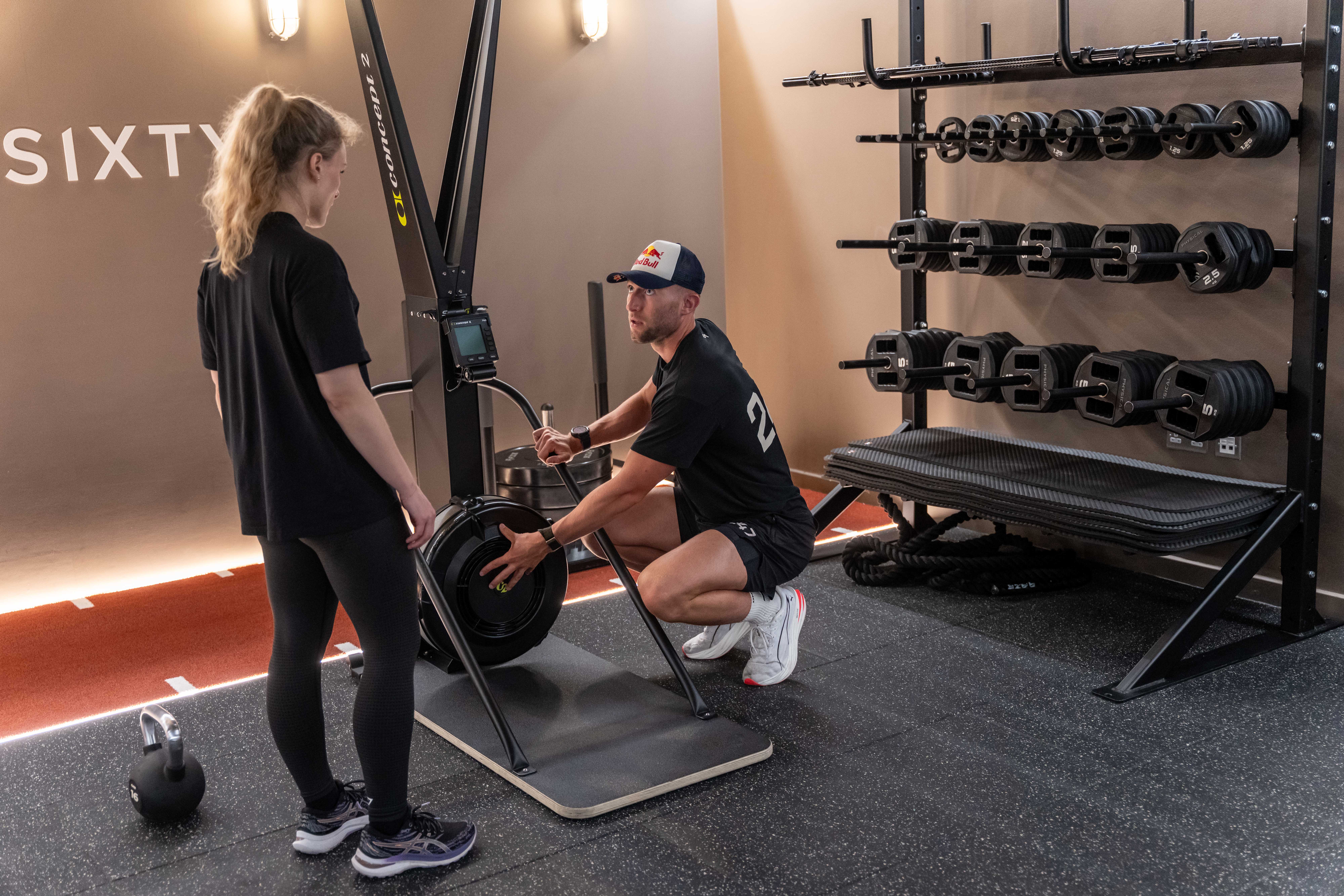
Since we weren’t able to follow the exact format of a Hyrox in the gym, I then did some weighted squats to mimic the farmer’s carry, followed by a run, and then the SkiErg was next.
I found the technique for the SkiErg more challenging, but with some encouragement from Dearden, I made it through and jumped back on the treadmill – and by this point, my heart was racing.
I tried to remain cool, calm and collected, but I don’t think I was very convincing – and to distract myself, we started talking about some of our favourite sweet treats.
After another weighted exercise, I was tasked with the burpees – and before even starting, I was dreading these.
Firstly, it’s impossible (at least for me) to look elegant while doing these and, secondly, it was very tempting to just stay lying on the floor once I got there…
The running was my least favourite part, but I was back on the treadmill again (admittedly very out of breath).
I found the sled push easier than some of the other stations, so this restored some confidence, but after the next running section, I knew I had the wall balls – and being on the shorter side, I was not looking forward to these.
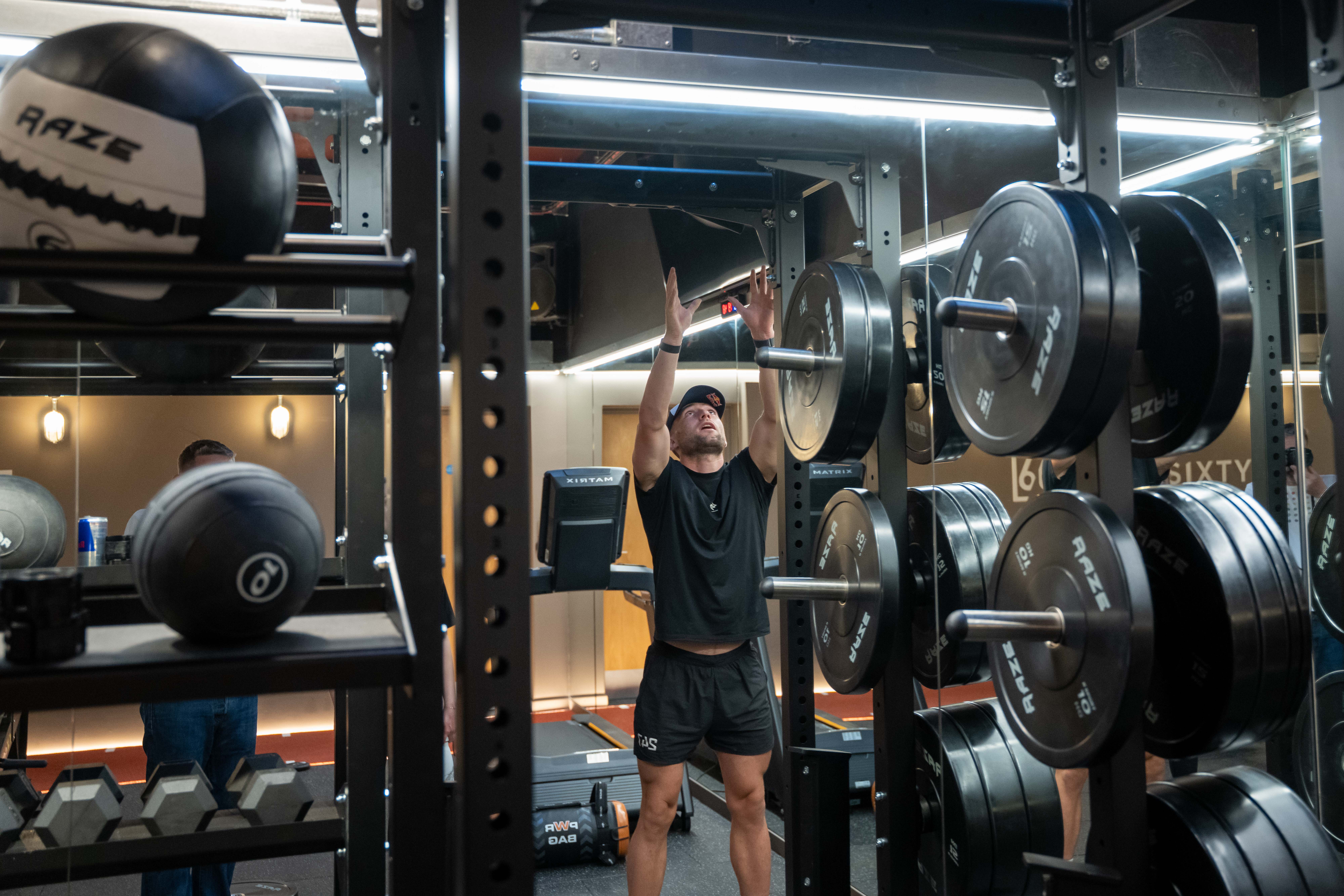
For this exercise, you need to squat down with the ball, then explode up, throwing the ball to hit a target for a total of one-hundred reps and, after the ball is caught, you repeat this motion.
While I did not have to do one-hundred reps for this session (thank goodness), I have to say, I would gladly never do wall balls again.
With my heart rate raised, my legs tired and my positivity waning, I nearly did not make it through this section – and there was a near-miss injury when I almost didn’t catch the ball on its descent…
But once again, with encouragement and cheering from Dearden, I completed the task and then collapsed in a heap on the floor.
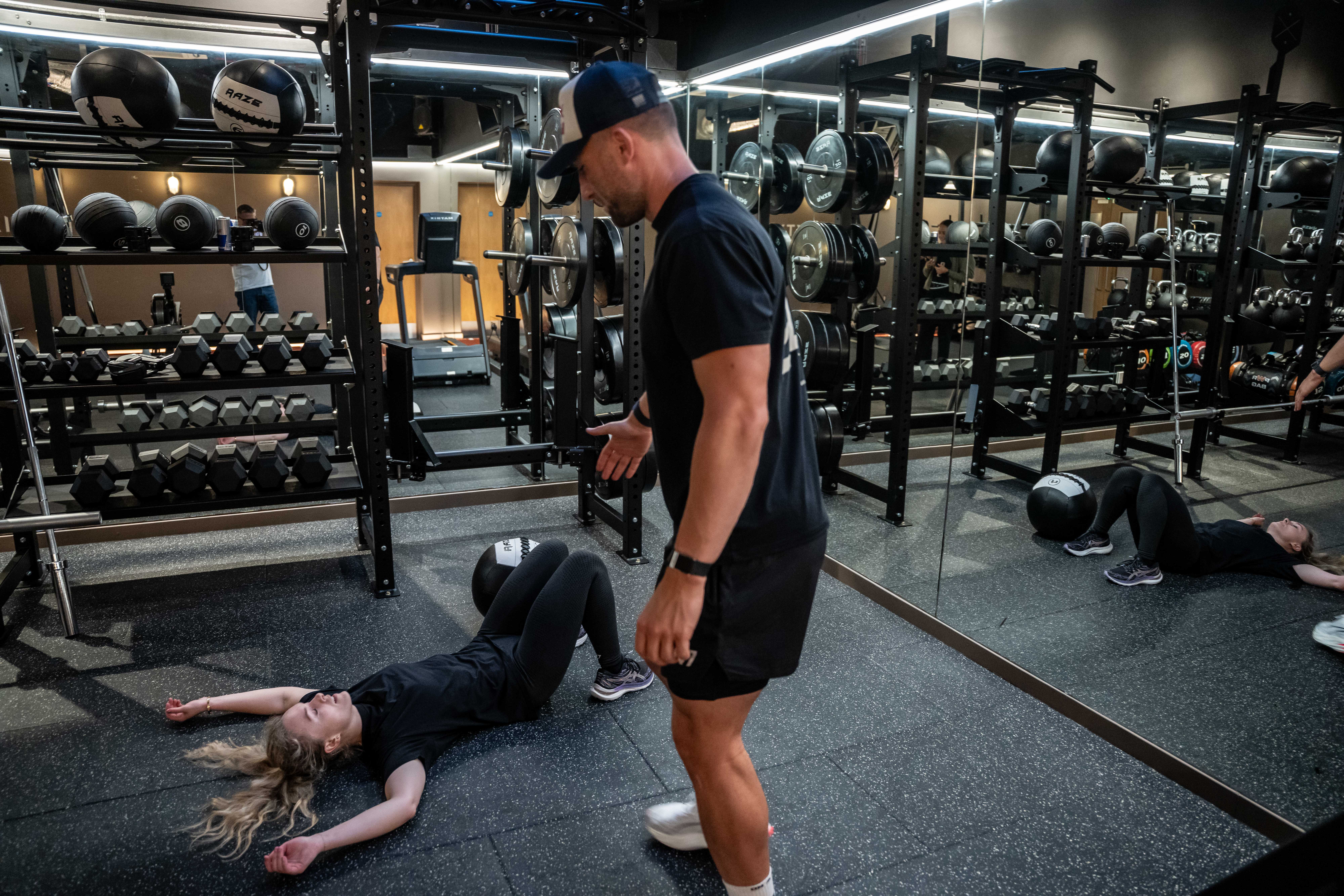
It’s fair to say the session was humbling and exhausting but enjoyable – and I have to admit, it might have tempted me to sign up for a Hyrox race in the future.
From this, it reinforced my main weakness is the running, so this is something I would focus on in my training sessions, and Dearden gave me his three top tips for beginners.
He recommended practising the technique for all the stations and studying your favourite athletes to learn from them; training with other people to make it less daunting and more fun; and thirdly, focusing on your weaknesses.
To everyone who has taken part in a Hyrox, I salute you – and who knows, maybe you’ll see me at one in the not-too-distant future (but after much more training).