For many Australians, Pokémon cards were once schoolyard currency. Now, some of those former kids are returning to the hobby, while new collectors are discovering it for the first time.
Whether you are coming back after years away or starting from scratch, this guide gives you a practical, Australia-focused way to begin. No hype, no speculation, just simple steps for building a collection you enjoy.
Quick-start checklist
- Pick your lane. Decide what draws you in: nostalgic artwork, completing a full set, playing the game, or displaying graded cards. You can change direction later.
- Set a monthly AUD budget. Treat collecting like any hobby expense. A clear cap helps prevent impulse buying.
- Plan storage early. Sleeves, binders, and a dry storage spot matter from day one.
- Learn card basics. Understand set symbols, collector numbers, and rarity tiers before you spend heavily.
- Start with singles you actually want. Buying individual cards is usually more targeted than chasing hits in sealed packs.
- Join a local community. Trading, learning etiquette, and talking cards with other collectors is part of the fun.
Rarity and set basics: read a card like a collector
Every Pokémon card includes a few small details that tell you what it is and where it fits in a set. Here is what to look for.
Set symbol and collector number. Near the bottom of the card, you will find a small icon and a fraction such as 101/198. The first number is the card's position in that set. The second is the set size. Cards numbered beyond the set total, such as 205/198, are usually called secret rares.
Rarity icon. A circle means common, a diamond means uncommon, and a star means rare. Within the rare tier, you may also see holo cards, full-art cards, special illustration rares, and other variants with different collector appeal.
Condition matters. Collectors often describe conditions from Near Mint, meaning virtually flawless, down to Lightly Played and below. Platforms and grading companies may define terms differently, so check the seller's description before buying.
What to buy first without overspending
New collectors often choose between singles and sealed products. Both can be enjoyable, but they serve different purposes.
Singles let you target the exact cards you want at a known price. This is usually the most budget-friendly way to build a collection you are proud of.
Sealed products, such as booster packs and boxes with accessories, are fun to open but unpredictable. Treat packs as entertainment, not a savings plan.
A simple starting budget could be 70 percent on singles you love, 20 percent on sealed products for the experience, and 10 percent on supplies. Adjust the split to suit your goals and income.
Where to find cards in Australia
Australian collectors have several reliable ways to source cards.
Local game stores are often the best place to begin. Staff can answer questions, stores may host trade nights or league events, and you can inspect cards in person before buying.
Big-box and toy retailers carry many mass-market sealed releases. Availability varies by location and release schedule, but these stores can be convenient for new sets.
Online retailers and marketplaces offer the widest range, including singles, sealed boxes, graded cards, and Japanese releases. Photos, condition notes, postage costs, and return terms can differ widely, so it is worth comparing several sources before buying.
If you want to window-shop local inventory and see examples of singles, sealed products, graded cards, and Japanese releases, you can browse pokemon cards for sale in Australia as one commercial option. Use listings for research and comparison rather than treating any single source as a final stock or price guide.
Whichever channel you use, check the seller's return policy, look for clear photos, and pay through secure methods. If a deal looks too good to be true, take extra care.
Protect, store, and track your cards
Cards can lose value and visual appeal if they are stored poorly, especially in Australia's heat and humidity.
Penny sleeves are the first layer of protection. Slide each card you want to keep into a soft, acid-free, PVC-free sleeve.
Toploaders or card savers add rigidity for higher-value singles. For bulk storage, side-loading binders with acid-free pages keep cards organised and easy to browse.
Environment matters. Store cards in a cool, dry place away from direct sunlight. Avoid garages, sheds, and windowsills, where heat and moisture can cause warping or yellowing.
Cataloguing helps. A simple spreadsheet or collecting app works well. Record each card's set, collector number, condition, purchase date, and source. This makes trading, selling, or insuring your collection easier later.
Grading 101 for beginners
Grading means sending a card to a professional service that authenticates it, assesses its condition on a numerical scale, and seals it in a tamper-resistant case.
Collectors usually grade cards for three reasons: to confirm authenticity, document condition, or display a card in a protective slab.
Grading makes the most sense for scarcer cards in excellent condition that you plan to keep long term. Fees, turnaround times, and standards vary between grading companies. If you are shipping from Australia, also factor in postage, insurance, and possible customs requirements for international services.
Join the community
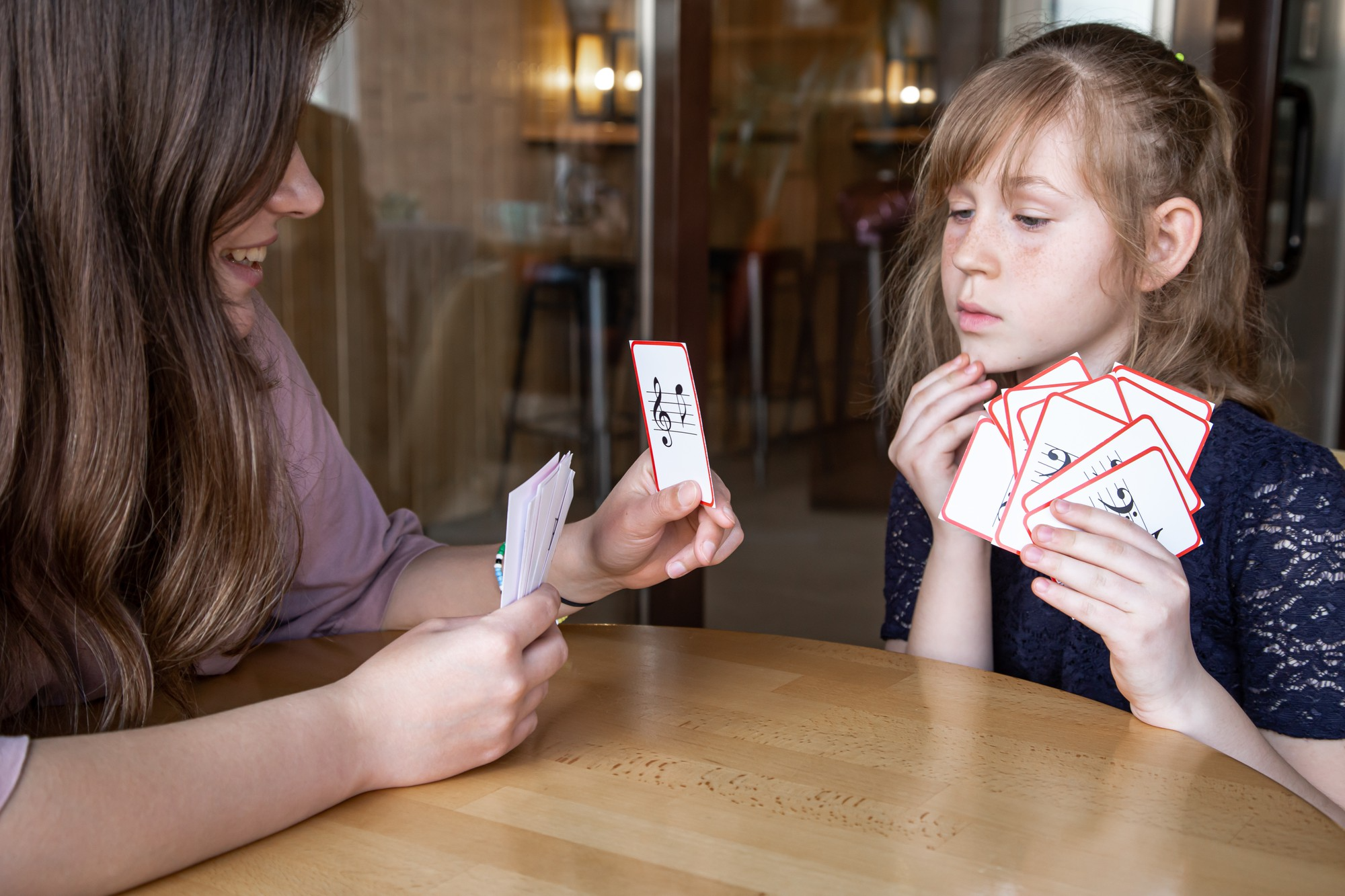
Collecting is more enjoyable, and often safer, when you are not doing it alone.
Local leagues and events. The official Play! Pokémon event locator can help you find nearby leagues, pre-release tournaments, and casual trade nights. Availability changes by venue and season, so check store calendars regularly.
Online communities. Australian-focused Facebook groups, Discord servers, and subreddits can help with price checks, binder swaps, and general advice. Participate respectfully, follow group rules, and learn trading etiquette before making higher-value deals.
Smart buying and consumer rights in Australia
A few basic safeguards can help you avoid common problems.
Consumer guarantees. Under Australian Consumer Law, products must be of acceptable quality. If you receive faulty or misrepresented goods from an Australian retailer, you may have rights. The ACCC publishes guidance on consumer guarantees and safer online purchasing.
Spotting counterfeits. Fake cards are a real risk. Check paper thickness, print sharpness, colour saturation, and holo texture. Buy from reputable sellers, and consult The Pokémon Company's official guidance if a card looks wrong.
Importing cards. Japanese cards and other international releases are popular with Australian collectors. If you order from overseas, check current import rules through the Australian Border Force and Australian Taxation Office, especially before placing large orders. Use tracked and insured shipping for higher-value items.
The bigger picture
Pokémon card collecting is part of a broader return to nostalgia-driven hobbies, from vinyl records to retro gaming. Interest in trading cards has grown through social media, pop culture, and the appeal of reconnecting with childhood interests.
That wider context helps explain why beginners may be drawn in by memories as much as by gameplay. For trend context, collecting cards for fun is a current pop-culture example.
The best approach is to keep a hobby-first mindset. Treating cards mainly as investments can add stress and risk. Buy what you enjoy, set boundaries, and let any future value be a bonus rather than the goal.
FAQ
These common beginner questions can help you make safer, simpler choices as you build your collection.
Is it better to buy packs or singles as a beginner?
Singles are the more targeted and budget-friendly choice. You get the cards you want at a known cost. Packs are fun to open, but the odds of pulling a specific card are low.
Are Japanese cards fine to collect in Australia?
Yes, for collecting purposes. Japanese cards are widely collected and often admired for their print quality and artwork. Tournament legality depends on current rules, so check official Pokémon Organised Play sources before entering an event with Japanese-language cards.
How do I spot a fake card?
Look at paper quality, print clarity, colour, and holo patterns. Fakes often feel flimsy or look blurry. Buying from reputable sellers reduces the risk.
When should I grade a card?
Grading is most worthwhile for scarcer cards in excellent condition that you plan to keep long term. For common cards or cards with visible wear, grading fees often outweigh the benefit.
What storage works best in Australian heat?
Keep cards in a cool, dry area away from direct sunlight. Use acid-free, PVC-free sleeves and toploaders or side-loading binders. Avoid spaces with big temperature swings or high humidity.
Where can I trade cards safely?
Local game stores and moderated community meet-ups are the safest places for in-person trades. Follow venue rules, inspect cards before agreeing to a swap, and start with lower-value trades while you learn the norms.
The bottom line
Starting a Pokémon card collection in Australia does not require a big budget or insider knowledge. Pick a direction that excites you, set a sensible spending limit, protect your cards from day one, and lean on the community for guidance. Speculation is optional. The real point is to enjoy the hobby.