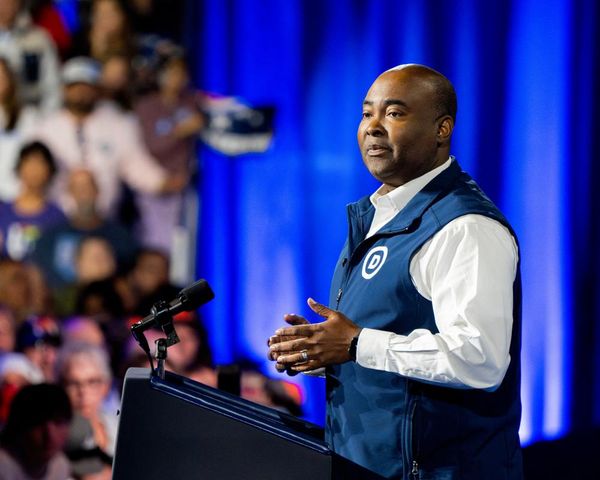
Black and Latino men are trading in hoodies and sneakers for quarter-zip sweaters, tailored suits and fedoras — a sharp, self-assured look that signals dignity, intentionality and a reimagined masculinity in the post-COVID era.
Why it matters: It's pushing back against decades of narrow stereotypes that linked urban masculinity to athletic gear and reclaiming pride through presentation.
The big picture: The quiet style revolution is unfolding across barbershops, brunches and boardrooms with high-profile men of color and social media influencers leading the way.
- From Maryland Democratic Gov. Wes Moore's sleek quarter-zips to former NFL star Cam Newton's fedora line with Chicano designer Meshika, the message is clear — elegance is the new rebellion.
- In this battle, Drake's smooth, cosmopolitan "modern gentleman" image is beating Kendrick Lamar's stripped-down aesthetic of hoodies, jeans and sneakers.
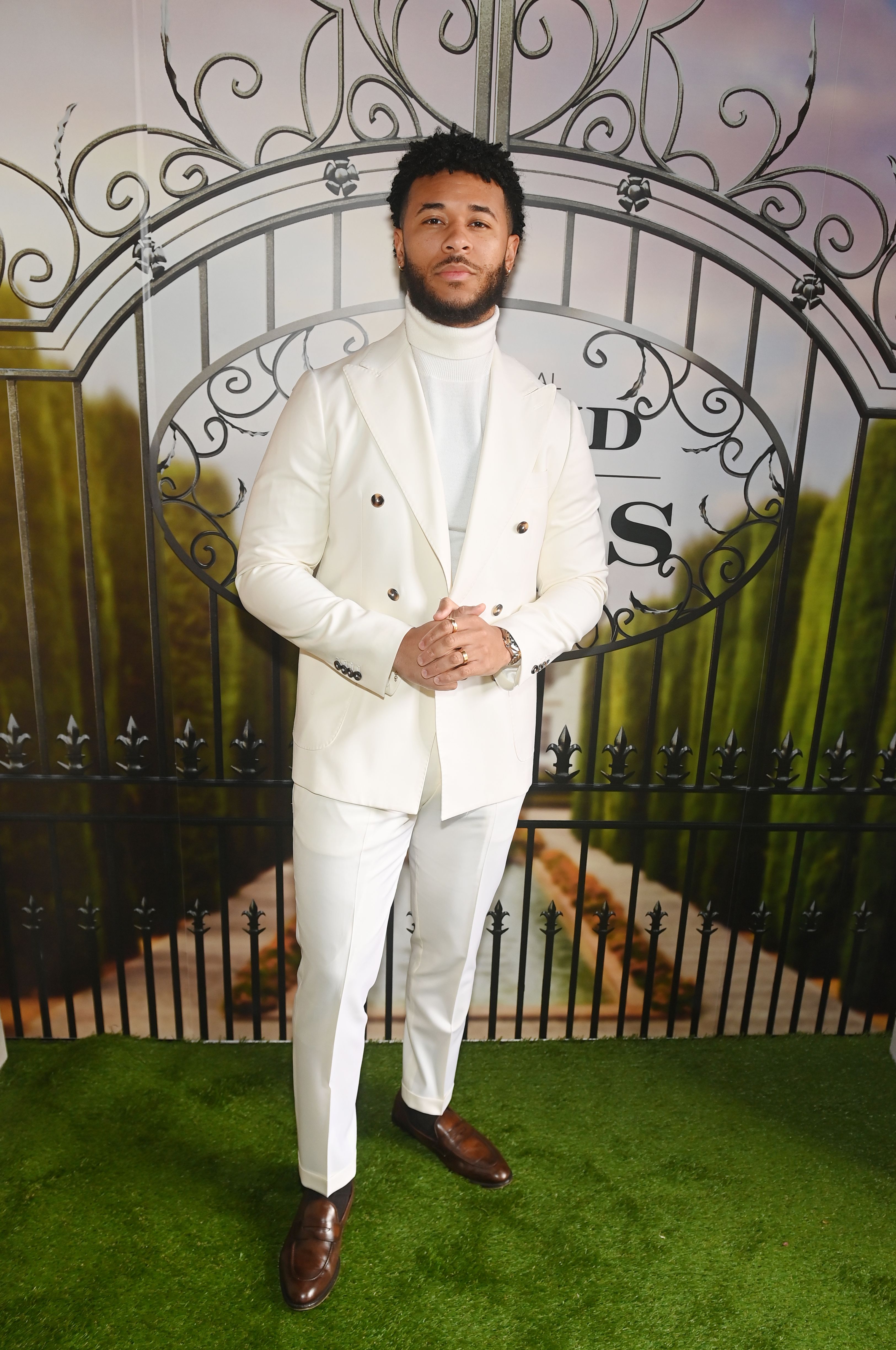
State of play: Social media feeds are filling up with men of color in quarter zips, double-breasted blazers, polished brogues and vintage accessories from Atlanta to Los Angeles.
- Hashtags like #BlackDandy, #WellDressedBlackMen, and #DandyStyle are booming on TikTok and Instagram, showcasing Black men celebrating elegance as an act of self-love and cultural pride.
- Among Latino men, hashtags #HombresConEstilo, #PachucoStyle #ModaMasculina, #LatinoMenswear and #CaballeroLatino embrace the vintage and the modern.
Zoom in: Trey Bryant, an Atlanta-based men's fashion creator, is one of the most popular on Instagram, YouTube, and TikTok, where he gives tips to his 2 million+ followers about quarter zips and suit color combinations.
- The Style O.G., with his half-million YouTube subscribers, also offers suggestions on what older men should keep in their closets and why dressing up as you age is essential.
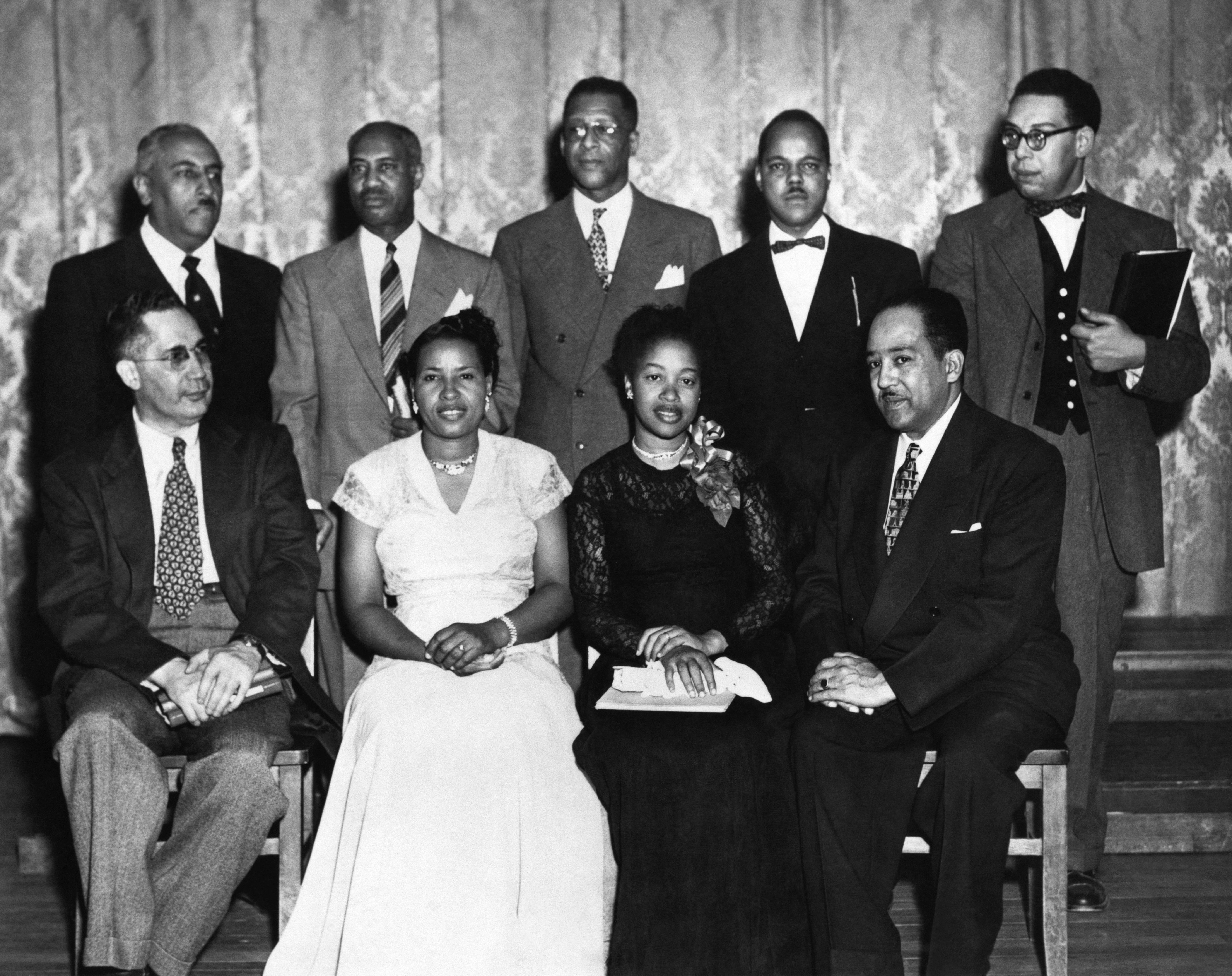
Context: The neo-sophistication embrace is rooted in classic tailoring and the revival of "Black Dandyism."
- That's a style and cultural movement that emerged from enslaved and post-emancipation eras when dressing elegantly was a radical act of claiming dignity in societies built to deny it.
- It would go on well into the 20th Century with the likes of Langston Hughes, Malcolm Little (later Malcolm X), Duke Ellington and other jazz figures adopting the style.
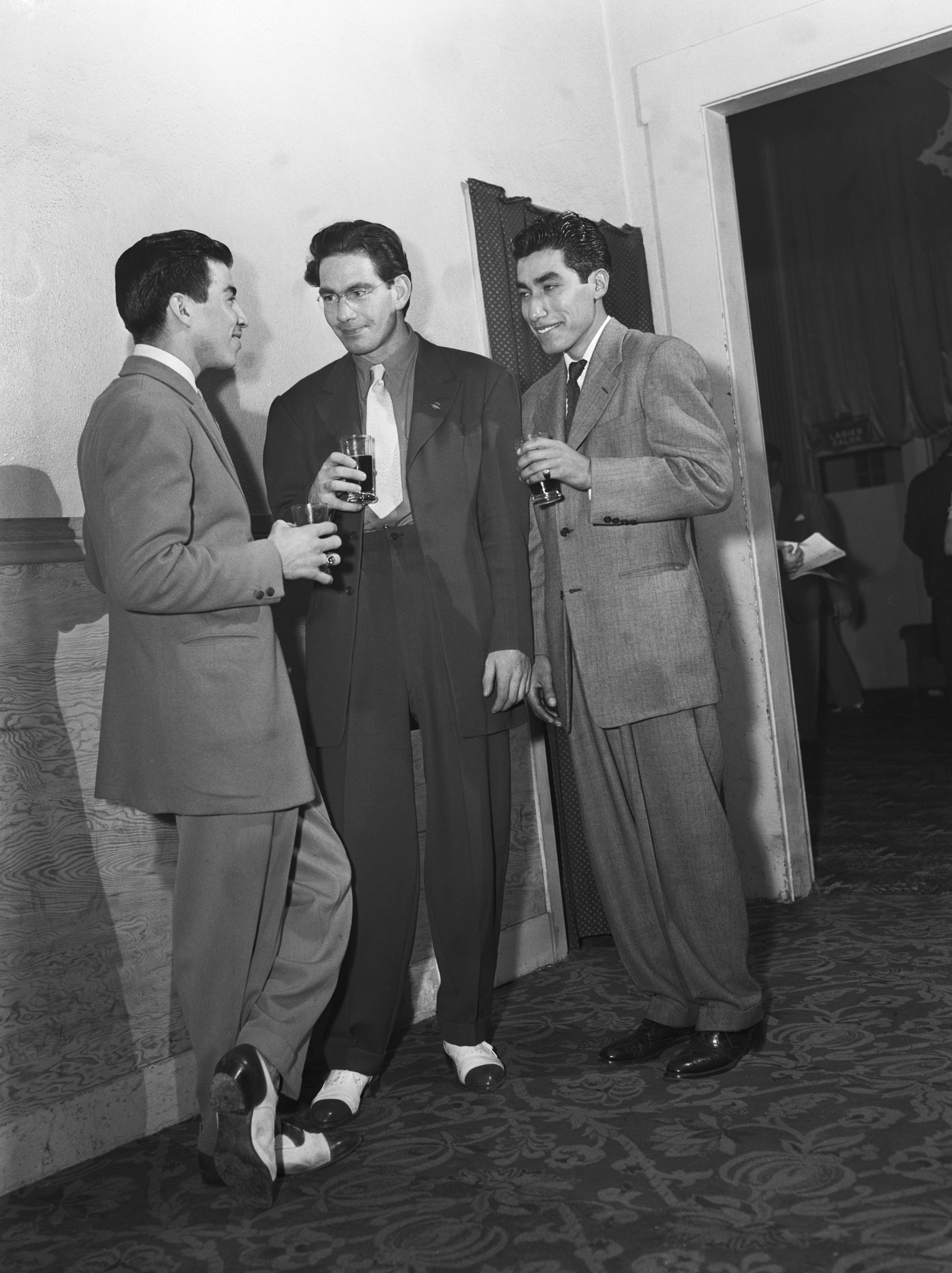
- Mexican Americans in the 1940s would take their cues from that movement and embrace the zoot suit.
Friction point: Not everyone sees this latest shift as purely liberating.
- Critics warn that celebrating polished aesthetics risks gatekeeping authenticity, suggesting that being "well-dressed" equals being "better."
- Others argue that the movement, while stylish, can unintentionally echo classist or Eurocentric ideals of success.
Yes, but: This latest movement isn't about classism or elitism, Alexandro José Gradilla, a Chicana and Chicano Studies professor at California State University, Fullerton, tells Axios
- "It does set up a very dangerous kind of essentialism that poor people and blue-collar people don't know how to dress up, or they are unable to dress up. And that is not true," Gradilla said.
- "Even a poor man can shine his shoes."
- Gradilla said it's about style as self-determination and men signaling when they walk into a room: don't mess with me.
The intrigue: The new style has given rise to Black- and Latino-owned businesses that allow men of color to explore the fashion of their grandfathers and great-grandfathers, especially around the fedora.
- FlameKeepers Hat Club in Harlem, N.Y., Lavish Blanc in Charlotte, N.C., and Southern Gents in Houston offer suggestions and personalized appointments.
- Marquez Clásico in Los Angeles and Meshika in Montana will craft fedoras and cowboy hats that blend the vintage with the modern, per anyone's preference.
The bottom line: The movement isn't just about clothes — it's about cultural correction.
- After years of mainstream depictions of Black and Latino men in hoodies or joggers, many are intentionally choosing silhouettes that project discipline, creativity and professionalism.
- It's also an answer to respectability politics: these men aren't dressing up to "fit in" but instead dressing up to stand out on their own terms.
Go deeper: Pachuco hat and cholo styles go viral and build businesses