- In today’s CEO Daily: We have liftoff!
- The big leadership story: The chaos at CBS News shows the limits of ‘blow it up’ leadership.
- The markets: Stocks rally globally on hopes for a U.S.-Iran peace deal.
- Plus: All the news and watercooler chat from Fortune .
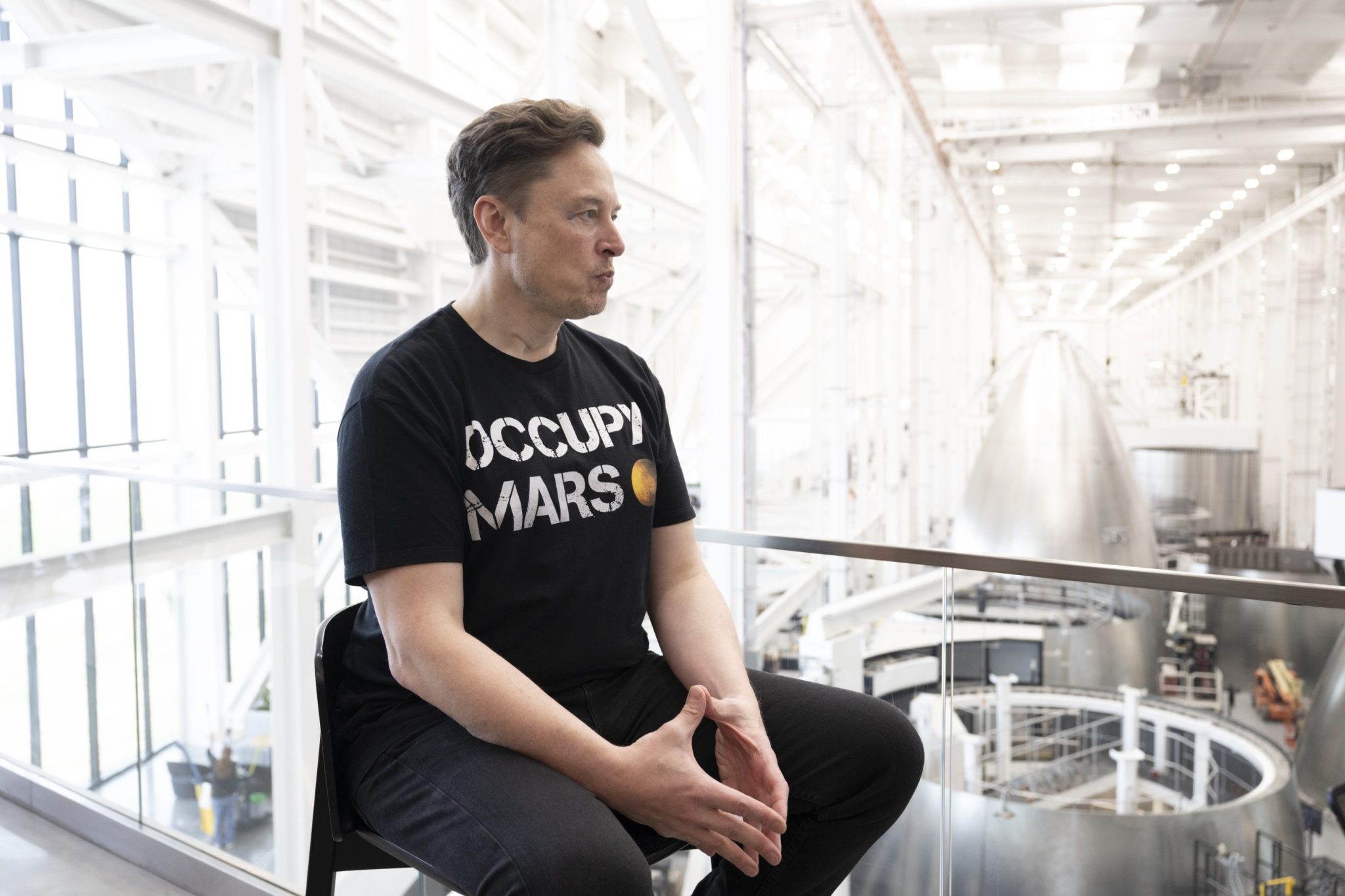
Good morning. It’s SpaceX IPO day! Hooray? Odds are high that investors will clamor for some of the $75 billion worth of shares, a small sliver of equity that puts the market cap of Elon Musk’s aerospace and satellite company at an eye-watering $1.77 trillion. Never mind that Morningstar says it’s being optimistic in valuing the stock at $63, or 53% below that IPO price. BlackRock alone has reportedly put in a $5 billion order to get a piece of this money-losing operation that has ambitions to, among other things, put a million people on Mars.
What can leaders learn from this sci-fi thriller that they can adapt into their own playbook? Well, maybe a few things.
You don’t have to be shareholder-friendly to get shareholders excited. Governance experts were outraged when Google went public in 2004 under a dual-class structure, which gives more power or votes to one class of shareholders. As founders Sergey Brin and Larry Page wrote at the time: “Google is not a conventional company. We do not intend to become one.” In other words, if you don’t like it, don’t buy it. (If you’d invested $1,000 then, you’d have around $75,000 today.) Fast forward to SpaceX, and dual-class structures are now common in tech IPOs, reinforcing the myth that founders know best how to steer their public companies and giving shareholders almost no choice over how the company is governed. Case in point: Musk can’t be fired as CEO of SpaceX. Ever.
The power of storytelling. Forget about what’s actually in the prospectus, such as the fact that more than three-quarters of capital raised today will be used for debt repayment, or that analysts say SpaceX would have to generate $1.1 trillion in revenue and $250 billion in profits to justify its lofty market cap. That’s the Debbie Downer take. I remember how excited I was when Elon Musk talked to me 15 years ago about his vision to make humanity multi-planetary. Anyone can understand and rally around that vision. Maybe that’s why Musk allocated 30% of the shares to retail investors. As the New York State Lottery used to say, all it takes is a dollar and a dream. Make that $135, probably in tranches of 100 shares.
The power of personality. It’s hard to replicate the magic and the myth that is Elon Musk, though he’s likely to have a lot of offspring you could eventually hire. Did Elon Musk bring efficiency to the U.S. government as the man from DOGE? No. Has he been a great leader at all the other companies he’s run? Debatable, though the Tesla board certainly didn’t mind giving him a “moonshot” pay package. But Musk does understand the value of being out there, articulating a vision and taking risks that earn him friends and foes. To some extent, that’s the founder’s prerogative. Contrast that with the anodyne press releases and carefully calibrated comments that turn leadership into a triumph of the boring. When it comes to the fundamentals of SpaceX, skepticism may be running high, and it may not matter. We have liftoff.
Contact CEO Daily via Diane Brady at diane.brady@fortune.com