
Gluten-free foods are all the rage among celebs and wellness enthusiasts. Over the years, they have gained the reputation of being healthy as they are believed to be 'carb-free'. Many people consider them as weight-loss-friendly. However, a new study has suggested otherwise.
Gluten is a protein found in wheat, barley, rye, and other grains. Many people with celiac disease and gluten intolerance opt for gluten-free foods like fruits, vegetables, meat, and eggs as well as processed foods like gluten-free bread or pasta.
However, it seems gluten-free foods aren't for everyone, especially the processed variety as they can be high on hidden sugar and calories, lacking essential nutrients like fibre and protein.
Researchers for this study published in the journal Plant Foods for Human Nutrition, looked at 39 gluten-free products and compared their nutrition composition with other gluten-filled alternatives.
It was found that gluten-free foods lacked many nutrients. They especially had less protein and more sugar and calories than their counterparts.
Does gluten contribute to weight loss or weight gain?
Experts say you wouldn't lose weight on a gluten-free diet unless you are controlling portions or indulging in whole foods such as fruits, vegetables and lean proteins. Having processed gluten-free foods could be surely be a weight gain trap.
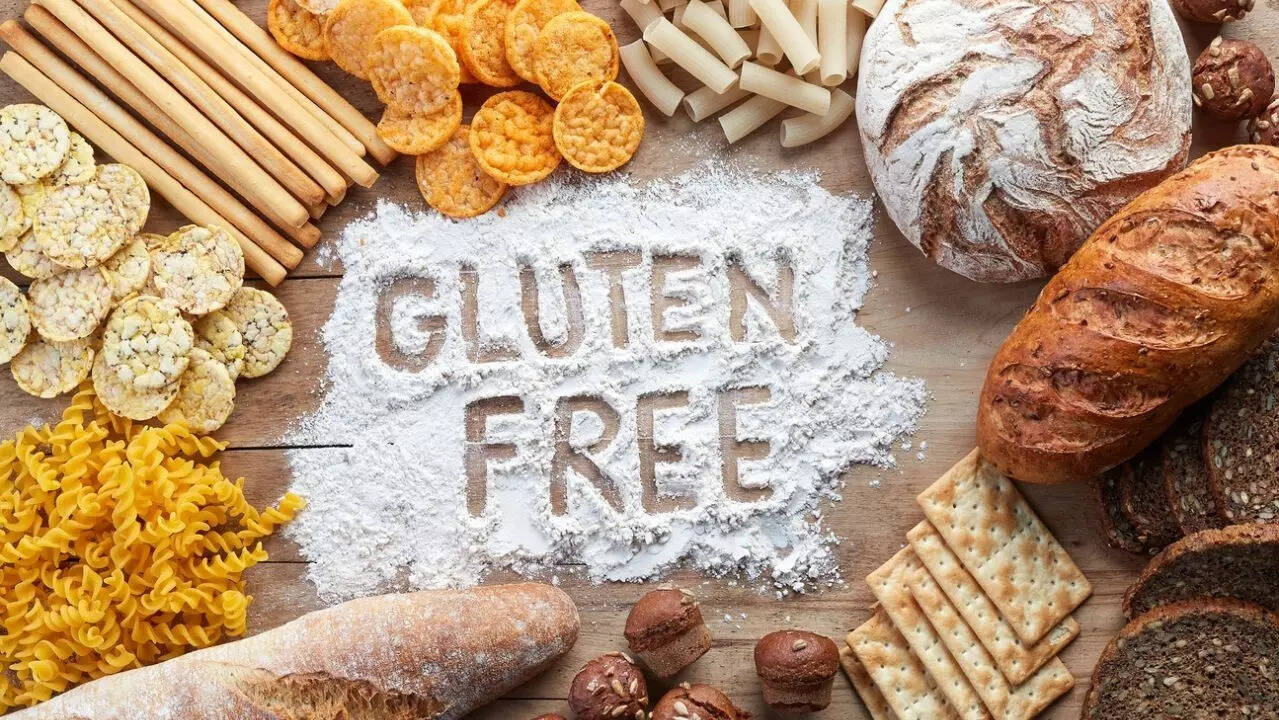
What are the lessons from this new study
Gluten-free foods are aimed at those who have a gluten allergy or sensitivity. People with such intolerances may experience symptoms like diarrhea, stomach aches, bloating, indigestion, vomiting, constipation, rashes, acne, and dry skin.
However, people who are not allergic should avoid having gluten-free foods as instead of weight loss, they can end up adding inches to the waistline.
A 2021 study published in journal Nutrients found that 81% of patients who followed the gluten-free diet gained weight in two year period.
In another one, BMI of people with celiac disease went up from an average of 24 to 24.6, after following the gluten-free diet.
Sachin Rustgi, a professor of molecular breeding at Clemson University, who was a co-author of the study, said that many gluten-free products mostly lack wheat, rye, barley and oats, which are rich sources of arabinoxylan, an insoluble fibre that promotes digestive health by easing bowel movement and preventing constipation.
The study highlights how following a gluten-free diet or picking gluten-free products from shelves is not a good idea for people not intolerant to the protein.