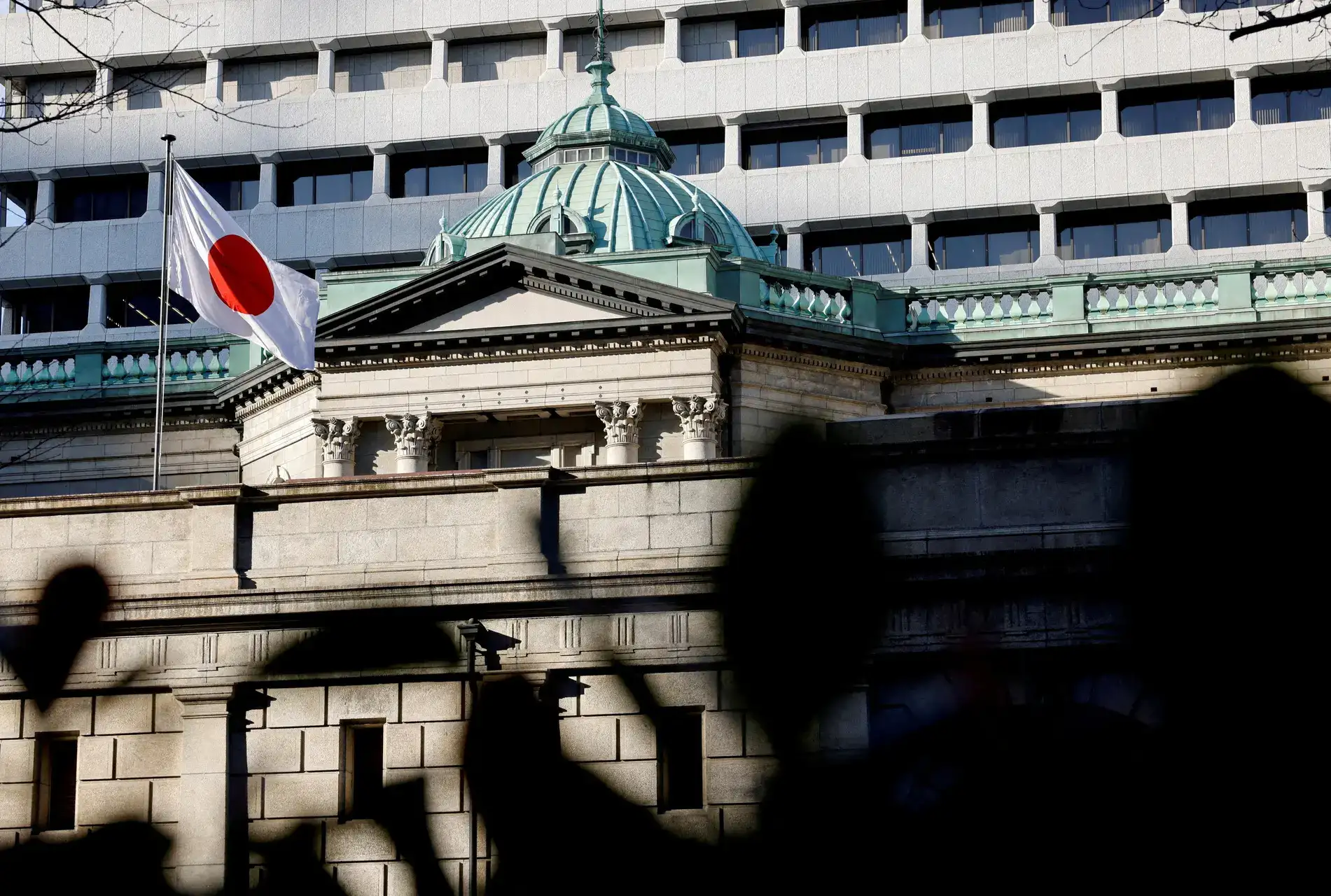
The Bank of Japan (BOJ) is facing mounting pressure to tighten monetary policy sooner rather than later, as policymakers grow increasingly concerned that surging oil prices linked to the Iran conflict could push inflation higher and keep price pressures elevated for longer, Reuters reported.
According to a summary of opinions from the BOJ’s April policy meeting, several board members argued in favour of raising interest rates in the near term, with at least one policymaker suggesting that a move could come as early as the June policy meeting. The discussions reflected a clear hawkish tilt within the central bank, even as uncertainty surrounding the geopolitical situation in the Middle East continues to cloud the global economic outlook.
While some members preferred maintaining the current policy stance temporarily due to geopolitical uncertainties, many policymakers warned that inflation risks were intensifying and could require quicker action from the central bank.
The BOJ kept its short-term policy rate unchanged at 0.75% during its April 27–28 meeting. However, the internal debate revealed growing concern that higher crude oil prices and supply-side pressures could further accelerate inflation in Japan, which remains heavily dependent on imported energy.
Several policymakers reportedly noted that the Iran conflict was increasing upside risks to inflation and could bring forward the timeline for underlying inflation to sustainably hit the BOJ’s 2% target. Concerns were also raised over potential second-round effects, where higher fuel and energy costs begin spreading into broader consumer prices across the economy.
One board member cautioned that if inflationary risks continue to build, the BOJ may need to accelerate the pace of future rate hikes without hesitation. Another policymaker reportedly stressed the importance of avoiding the impression that the central bank always pre-signals policy moves far in advance, suggesting a greater willingness to act decisively if needed.
The increasingly hawkish tone of the meeting summary strengthened market expectations that the BOJ could deliver another rate hike at its June 15–16 policy meeting. Japanese government bond yields moved higher after the release of the summary, with the benchmark 10-year yield touching its highest level in nearly three decades.
The BOJ’s policy dilemma has become more complicated due to the Middle East conflict. While rising energy costs are pushing inflation higher, they are also weighing on household spending and business activity in Japan by increasing import costs and reducing purchasing power.
Despite those risks to growth, the April discussion appeared heavily focused on the inflationary consequences of the oil shock. Policymakers reportedly warned that prolonged high crude prices could place upward pressure on a broad range of goods and services across the Japanese economy.
The BOJ ended its decade-long ultra-loose monetary stimulus in 2024 and has since gradually raised interest rates as inflation remained around its 2% target. Governor Kazuo Ueda has repeatedly indicated that the central bank is prepared to continue tightening policy if underlying inflation and wage growth remain on track.
With inflation risks now being amplified by geopolitical tensions and elevated commodity prices, investors are increasingly betting that Japan’s era of ultra-low interest rates may be nearing a more decisive turning point.