Plastic is everywhere, from food containers and water bottles to shampoo packaging and vinyl flooring. Most people rarely think twice about the chemicals hidden inside these products, yet scientists are increasingly warning that some additives may carry long-term health risks. One group of chemicals drawing growing attention is phthalates, often called “everywhere chemicals” because of how commonly they appear in everyday items. New research suggests these compounds may play a larger role in hormone-related cancers, including breast cancer, than previously understood. As awareness grows, many consumers are now asking whether reducing exposure could become an important part of protecting long-term health.
What Exactly Are Phthalates and Why Are Experts Concerned?
Phthalates are chemicals used to make plastics softer, more flexible, and more durable in thousands of consumer products. They are commonly found in food packaging, cosmetics, cleaning products, shower curtains, medical tubing, and even scented lotions or perfumes. Researchers classify many phthalates as endocrine disruptors because they can interfere with hormones that regulate critical body functions. Since breast tissue is highly responsive to hormonal signals, scientists are studying whether long-term exposure could increase the likelihood of abnormal cell growth. Several recent reviews and environmental studies now point to a concerning link between phthalates and breast cancer, especially with repeated exposure over time.
New Research Is Strengthening the Breast Cancer Connection
A 2025 review published in Ecotoxicology and Environmental Safety examined how phthalates may influence breast cancer development and progression. Researchers found evidence suggesting these chemicals may activate estrogen-related pathways, encourage tumor growth, and even contribute to treatment resistance in some breast cancer cells. Another recent study linked higher exposure to specific phthalates with elevated breast cancer risk in certain populations. While scientists stress that the research does not prove direct causation yet, the consistency of findings across multiple studies is raising concern among cancer specialists and toxicologists alike. Researchers are especially focused on long-term cumulative exposure rather than one-time contact.
Everyday Products May Be Exposing You Without Realizing It
Many consumers assume dangerous chemicals only appear in industrial settings, but phthalates are surprisingly common in household products. Scented air fresheners, laundry detergents, nail polish, vinyl flooring, and plastic food wrappers can all contain these compounds. Some fast-food packaging and highly processed foods may also pick up phthalates during manufacturing and storage. Researchers have found higher chemical levels in people who consume larger amounts of ultra-processed foods or regularly microwave meals in plastic containers. Personal care products are another major concern because phthalates are often hidden behind the word “fragrance” on ingredient labels.
Small Lifestyle Changes Can Lower Your Exposure
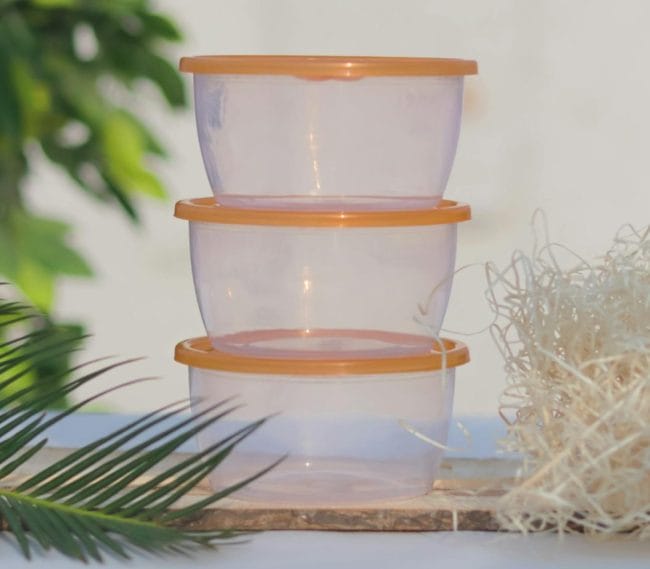
Health experts say consumers should not panic, but they do recommend practical steps to reduce unnecessary exposure where possible. Switching to glass or stainless steel food containers instead of plastic can help minimize chemical leaching, especially when heating food. Choosing fragrance-free personal care products may also reduce daily exposure to hidden phthalates. Many specialists further recommend limiting ultra-processed foods and avoiding microwaving meals in plastic packaging whenever possible. While these changes cannot eliminate exposure entirely, experts say reducing overall contact may still be worthwhile.
The Bigger Question Consumers Are Starting to Ask
The growing concern surrounding phthalates reflects a larger public conversation about how modern chemicals affect long-term health. Many scientists believe current regulations often evaluate chemicals individually instead of considering how multiple exposures interact inside the body over decades. As more studies emerge linking endocrine disruptors to hormone-related cancers, pressure is mounting for stronger safety standards and clearer labeling practices. Consumers are also becoming more aware that convenience sometimes comes with hidden trade-offs, particularly when it involves food packaging and personal care products. For now, experts say awareness remains one of the strongest tools consumers have.
Why This Conversation Matters More Than Ever
Paying attention to product labels, reducing unnecessary plastic use, and making informed choices can help lower daily exposure without dramatically disrupting everyday life. While researchers continue studying the exact relationship between phthalates and breast cancer, the evidence is strong enough that many health advocates believe precautionary steps are reasonable. The conversation is no longer limited to scientists in laboratories because these chemicals affect products millions of people use every single day. As awareness spreads, more consumers are questioning how many hidden chemicals they encounter in ordinary routines.
Have you made any changes when it comes to how you interact with these products? Share your thoughts and experiences in the comments below. Your insights could help others make healthier choices for themselves and their families.
What to Read Next
Microplastics Are Quietly Disrupting Your Hormones—Here’s What Scientists Have Found
Solar Breakthrough Turns Plastic Trash Into Hydrogen Fuel—Could It Solve the Recycling Crisis?
Microplastics May Be Quietly Damaging Your Brain—5 Ways They Fuel Dementia
The post Could Your Plastic Products Be Raising Your Breast Cancer Risk? New Data Points to Phthalates appeared first on Budget and the Bees.