At 5.30 am on most Sunday mornings you’ll find me tucked up in bed, Drowsy eye mask on and Aromatherapy Associates oil on my pillow. I’m something of a stickler for eight hours of sleep, minimum, and certifiably militant about my sleep hygiene (no screens anywhere near the bedroom, ever).
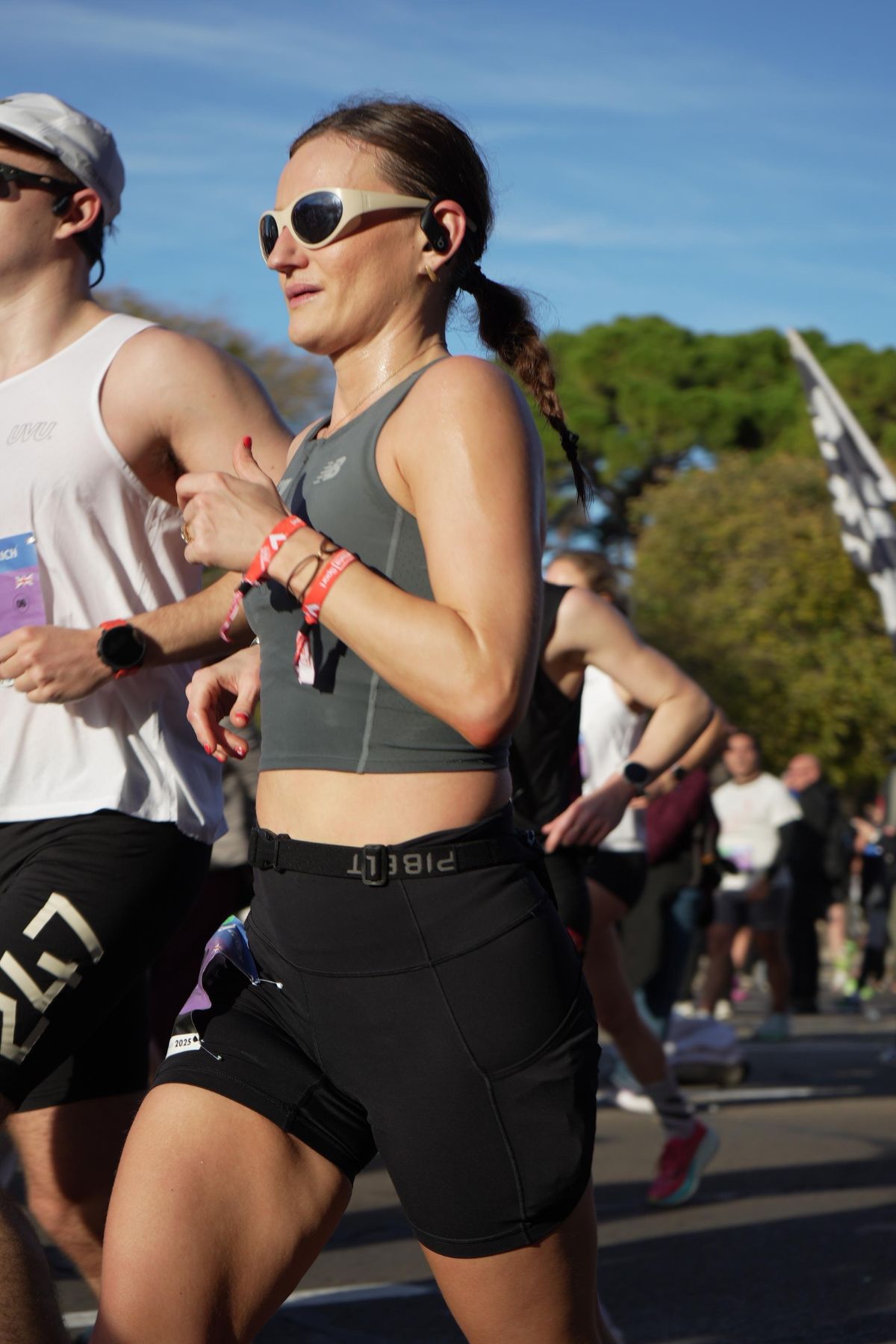
But not this Sunday. This Sunday, the first weekend of December 2025, I’m at the start line of the Valencia Marathon, bib pinned to my top, headphones in, and carbon plate trainers on. Nerves are bubbling in my stomach. My 4 am coffee has done its best. It’s race time.
Glancing around at the other runners in my pen, I come to the slow realisation that I’m surrounded by men. My little brother, who is running the marathon with me, is one of thousands. I, on the other hand, am one of a handful. In our entire start wave, I spot one other woman—who I instinctively smile at, nodding in solidarity.
Post-race stats confirmed what I’d noticed—of 40,000 runners, only 8,700 were women. At 23% of the total number of participants, that’s less than a quarter.
There’s something inherently lonely about standing on the start line of such a monumental event and questioning whether you should even be there because you’re in the minority. Thankfully, this is becoming something of a rarity in the current running climate—a shift that’s been noticeable, anecdotally and statistically, in the past few years. That start line in Valencia was a reminder, in both good and bad ways, of how much things have changed.
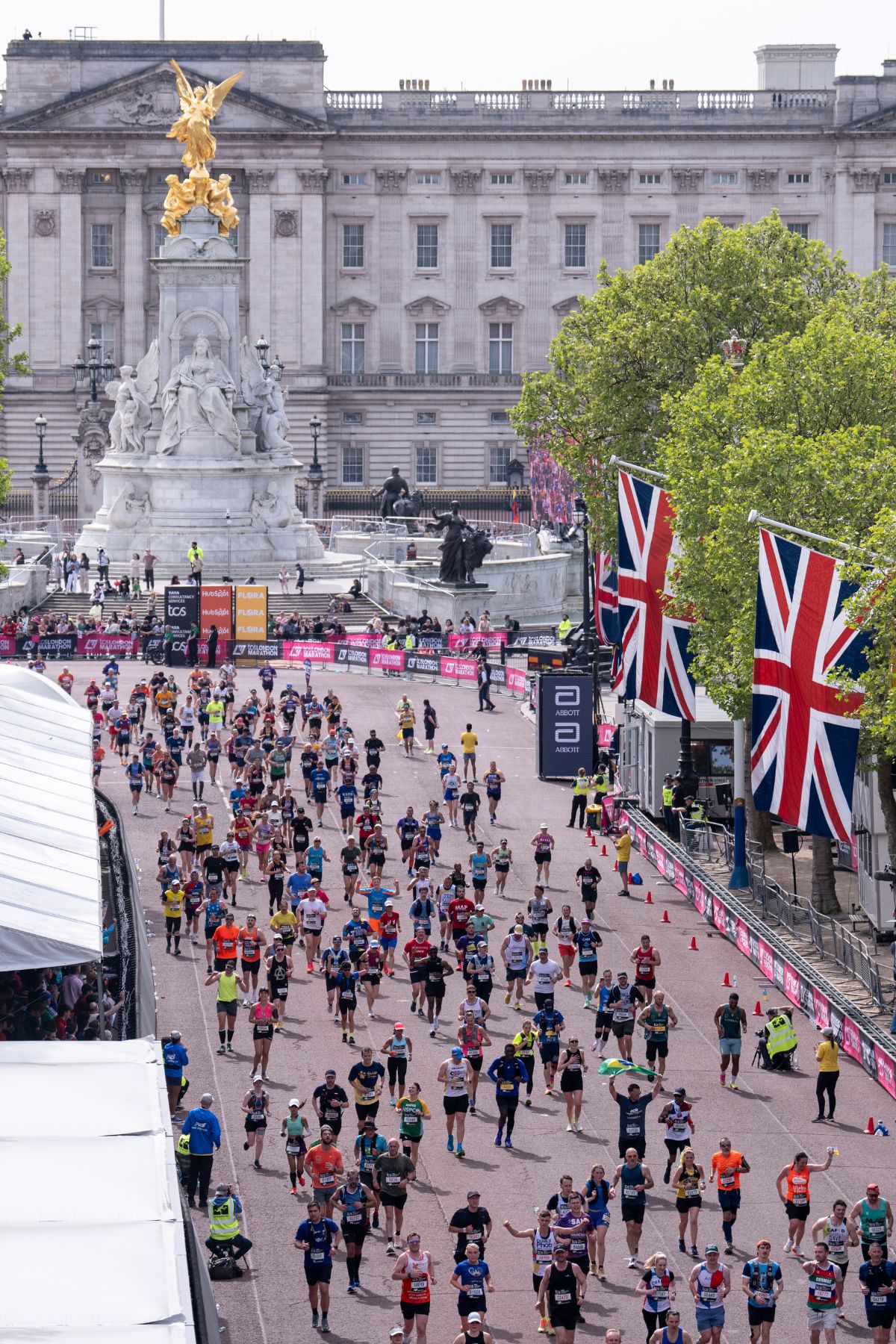
At the Boston Marathon this year, for example, my start pen was packed with female runners, and we spent hours before the race discussing our training, favourite kit picks, and the charities we’d fundraised for. Just a week later, the London Marathon broke the world record with the largest number of finishers at a marathon event ever. But the standout stat for me came in how many women finished—a record 24,000, making up 40% of the field. And that momentum is growing, according to an insider I spoke to shortly after the race, with the 2027 TCS London Marathon ballot attracting a world-record 1,338,544 applications. Women aged 20 to 29? They made up the single largest UK applicant group, with over 179,000 applications.
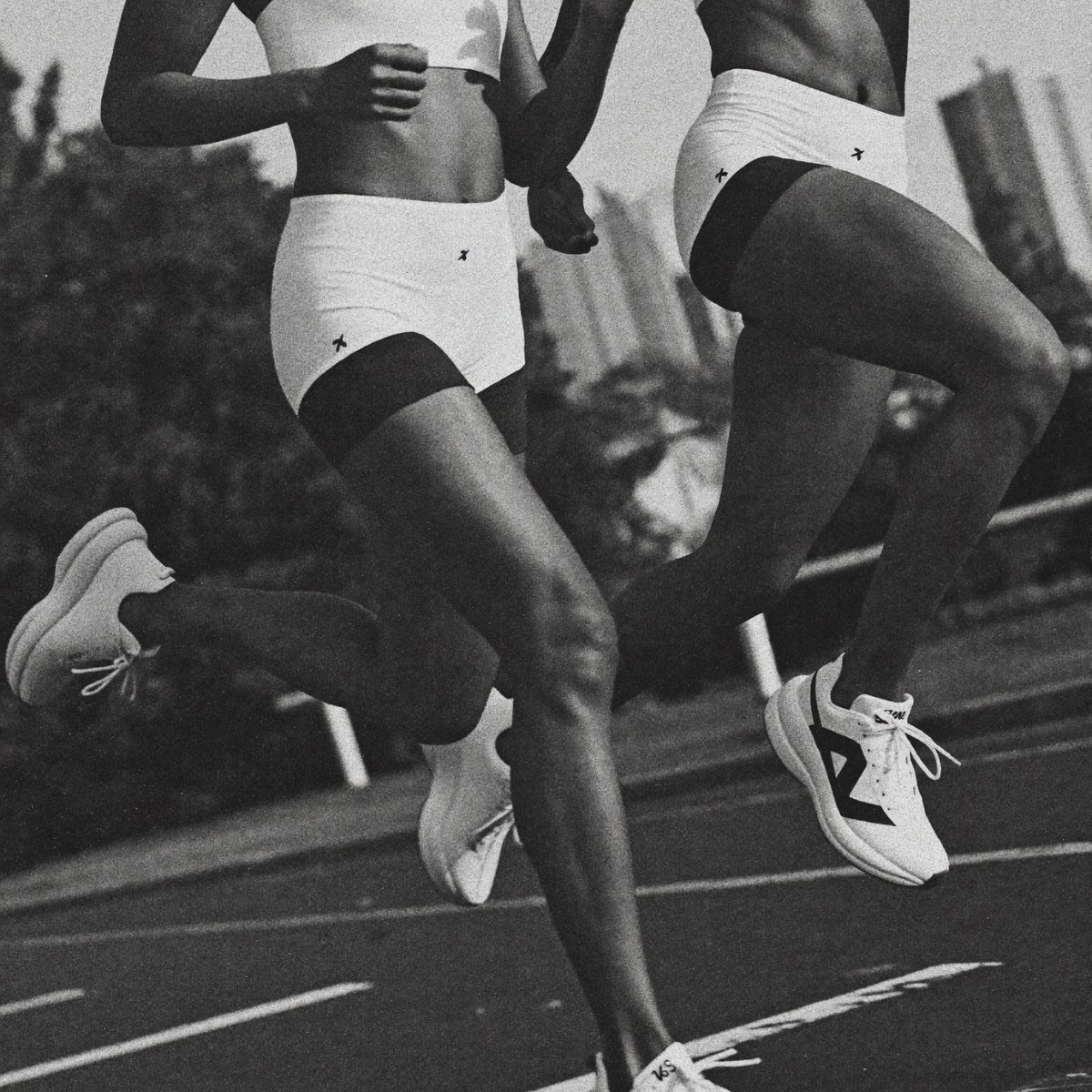
I’m noticing it in real time, too. London is awash with inclusive, all-paces-welcome, female-only run clubs. Tracks are hosting female-specific track nights. And at every other race I’ve laced up for this year, there are more female runners, too. Hackney Half was a sea of star clips and pink carbon-plate trainers; London Landmarks had entire run clubs of women screaming each other’s names; and I saw so many matching outfits at last month’s Saucony 10km that I actually lost count.
Why now? What’s shifted? And how do we maintain this momentum, ensuring that start lines stay a safe space for women for years to come? Below, I ask industry experts for their take.
Run Clubs are Full, Marathons are Selling Out—and Women are Driving the Boom
To give you a little background on why I feel it’s so important that we make running and races a safe space for all genders, let me tell you a story. I struggled with my confidence for the majority of my childhood. I vividly remember lying in bed, aged 10, worrying about my weight and praying that the mandatory PE lessons at my new secondary school would help my self-confidence. Looking back, I wasn’t overweight, but I wasn’t sporty, either, and felt constantly insecure about my frame—that was, until I reached my early 20s and found running.
It was a hard slog, at first. I could barely run for ten minutes without feeling like I was going to pass out. But later that year, after months of training and hard work, I completed my first marathon. I’ll never forget how I felt crossing that finish line. Week by week, mile by mile, I stuck at it and cemented a lifelong habit, proving to myself not only that I’m capable of hard things, but that so many of the fears I’d carried about how I looked or how others might perceive me were unfounded.
Running has changed my life, figuratively and literally—and I’m determined to even the playing field and educate as many women as possible on how empowering, life-changing and transformative sport and finding your power through it can be.
What’s Driving the Surge?
So, what has started shifting the dial in recent years? Is it lobbying? Social media? The rise of inclusive, all-paces-welcome run clubs and fairer representation—has there been a fundamental societal shift in what people view running as? A bit of all of the above, according to Heather McCormick, group communications and public affairs director at London Marathon Events.
“Women now make up 46% of all UK runners, and this growth is being driven by a powerful combination of visibility, community and changing attitudes towards what running represents,” she says. “More women are seeing people like themselves running—friends, colleagues, school mums, women of all ages and abilities—and that makes taking on challenges feel far more achievable than it once did.”
Suddenly, a space that was once so male-heavy feels like it’s within reach.
Grace Cook, writer and founder of Salty
Seeing a more diverse representation of women taking on every distance is a powerful reminder that running isn’t reserved for one body type, background or fitness level. Whatever your height, race, hair colour or pace, there’s a place for you on the start line. As McCormick notes: “Representation matters because it changes what’s possible in people’s minds.”
Or as Grace Cook, writer and founder of the culture-led health and wellness media platform Salty, puts it: “We can’t be what we can’t see, and the uptick in women participating in marathons is directly linked to our peers running marathons. Suddenly, this space that was once so male-heavy feels like it’s within reach.”
If You See It, You Can Be It
Social media has undoubtedly played a part in this—content creators with millions of followers now share daily training updates, race vlogs and tips for getting into running as a beginner. They make training look effortlessly cool and fun, even to the most cardio-averse person. While it’s a nuanced subject—ample research indicates that social media usage treads a fine line between positive inspiration and obsessive social comparison, idealised self-presentation, and feedback loops that quietly reshape personal identity and self-esteem—when it comes to moving more, better representation has positively influenced the number of women willing to give sport a go.
While I didn’t have a TikTok feed full of running creators when I started out, I am grateful for them now—they’re encouraging millions of women worldwide to discover the joys of movement. For Cook, it’s more than mere encouragement, too: it’s a reaffirmation of who the sport belongs to. As she puts it: “The boom in content creators and everyday women documenting their runs or simply posting about going for a run gradually changes a woman’s optics around who the sport is for.”
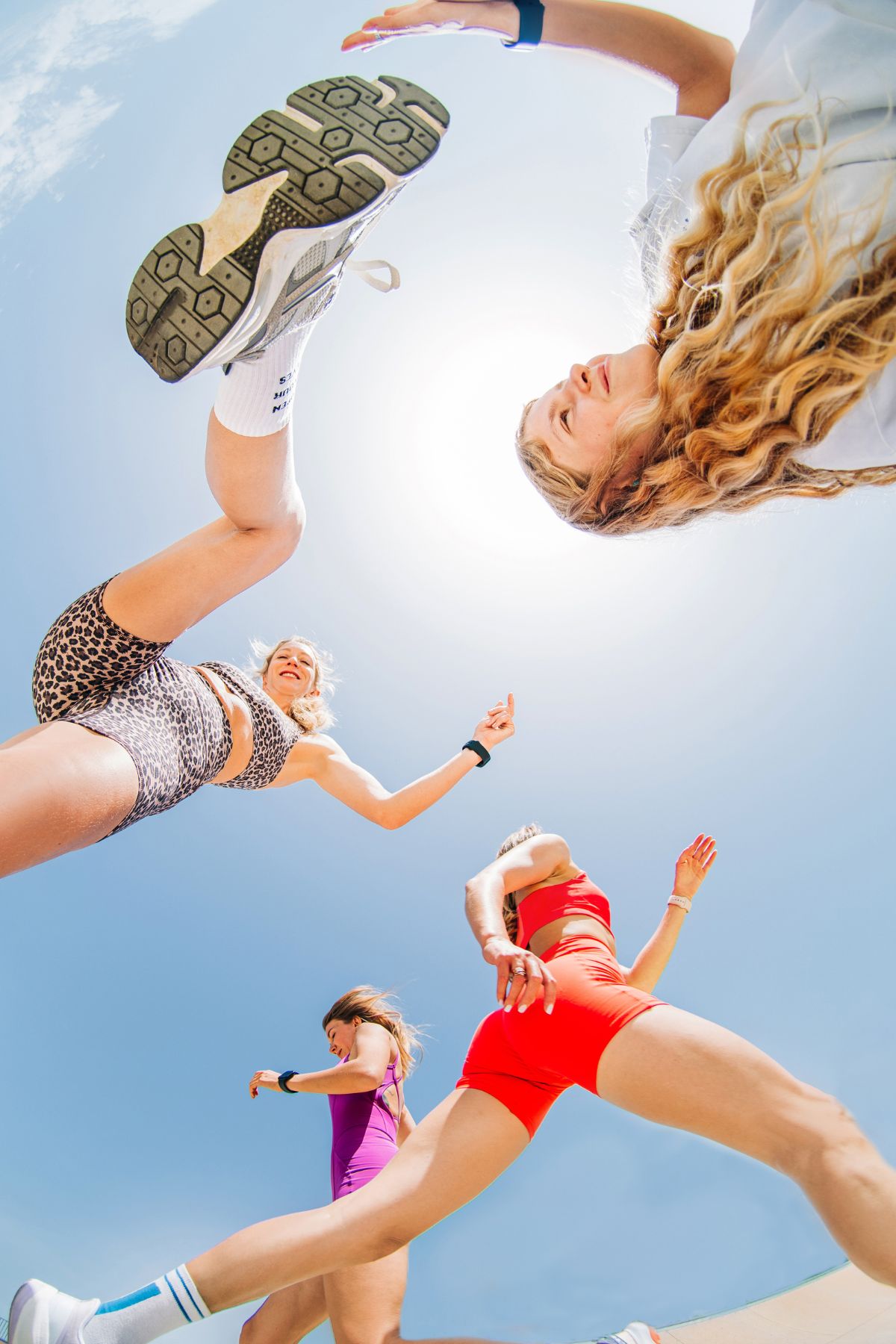
Seeing more and more women take up running, in their own unique ways, has made the sport feel less intimidating and more fun—it has a less elitist feel to it now. “There’s growing recognition of the fact that there’s no set definition of what a runner looks like,” says Emma Bord, a personal trainer and World Marathon Major runner whose content has a special focus on balancing movement and motherhood (she herself is a mother of three). Whatever your pace, goals, dreams, or ambitions, there’s space for everybody—it’s always the taking part that counts, she insists: “If you run, you are a runner, and that mindset makes the sport feel accessible to so many more women who may once have assumed it was not for them.”
Outdated Norms Are Being Challenged
On a wider cultural scale, shifting economic climates and the cost-of-living crisis may go some way to explaining why we’re seeing such an uptick in twentysomething female marathoners. Our parents could afford houses; we’re being priced out. For those keen and fortunate enough to have children, pregnancies are happening later. We’re reshaping what it means to be a woman in your 20s and 30s—what Cook calls “a reframing of social milestones”, which is an apt nod to how different our lives look from the lives our mothers lived 20 or 30 years ago.
“The parameters for heteronormative success have changed,” she explains. “The old benchmarks—a boyfriend or a husband, marriage, a baby, a house—are not necessarily what women are focusing on, and for many, aren’t within reach. A marathon is a huge feat, and it gives women a chance to feel like they are working towards something that’s within their control, especially in a world of gender pay gaps, economic instability, and heterofatalism [the belief that heterosexual relationships are inherently flawed and destined to fail].”
We're accepting that if you run, you are a runner—and that shift makes the sport feel more accessible.
Emma Bord, personal trainer and World Marathon Major runner
At the same time, we’re reshaping what it means to be a woman who works out—rewriting the rules of activewear, athleisure and the way we dress for movement. Jenna Litner is a digital personality and cultural commentator who’s amassed a cult-like following on social media for her online style series, Your Workout Outfit Looks Like Sh*t. Her take? We’re reclaiming a space that was male-dominated for years and quietly shifting into more expressive workout looks to rebel against the notion that women work out just to look good.
Wellbeing as Status Symbol
That, and that fact that women today seem to be prioritising being truly well over materialistic items, like cars and houses. “Wellness has become something our generation views as a luxury worth investing in,” she shares. “We subscribe to a health-is-wealth mindset, and it’s encouraging to watch that get prioritised for reasons beyond solely appearance. What you gain from participating in sport—like mental fortitude and discipline —matter so much more than how you look. Women are finally being met with spaces that reflect that.”
You may recall the step aerobics and Buns of Steel craze of the 1990s; the boxercise, spin and fitness DVD era of the noughties; and the max-effort, high-heart-rate HIIT classes and bootcamps that defined the 2010s. For decades, women’s fitness trends were often sold with one goal in mind: to get smaller. But today, more women are rejecting the idea that there’s a one-size-fits-all approach to health, instead making time for the types of movement that genuinely bring them joy while benefiting both body and mind.
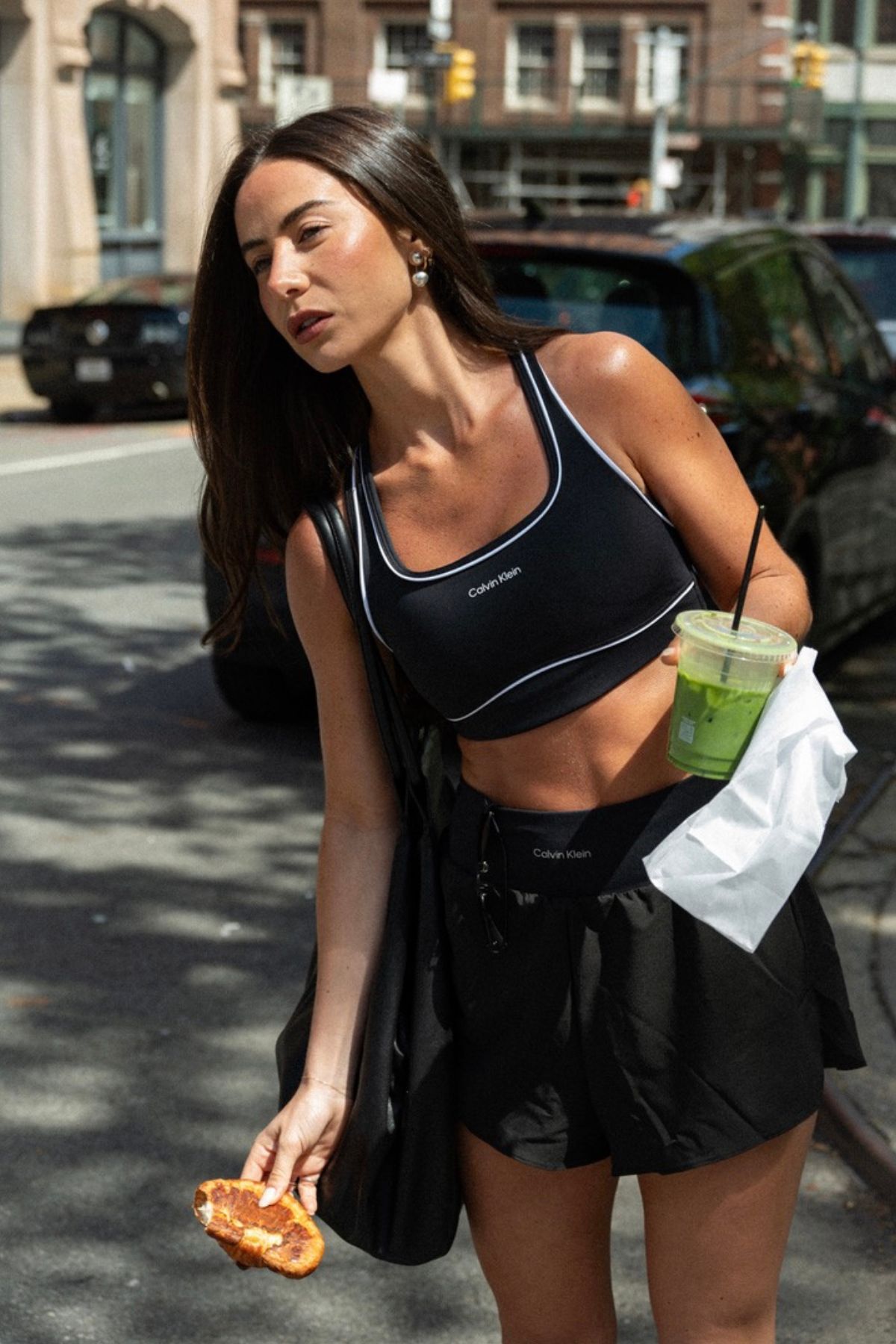
As our understanding of wellbeing has evolved, so too has our relationship with exercise. Rather than chasing calorie burn or shrinking their bodies, many women are prioritising movement that helps them feel stronger, more energised and more resilient. Bord agrees: “Now, women are turning to exercise to feel stronger, more confident, and generally happier.”
No Need for Speed—or Dated Barriers to Entry
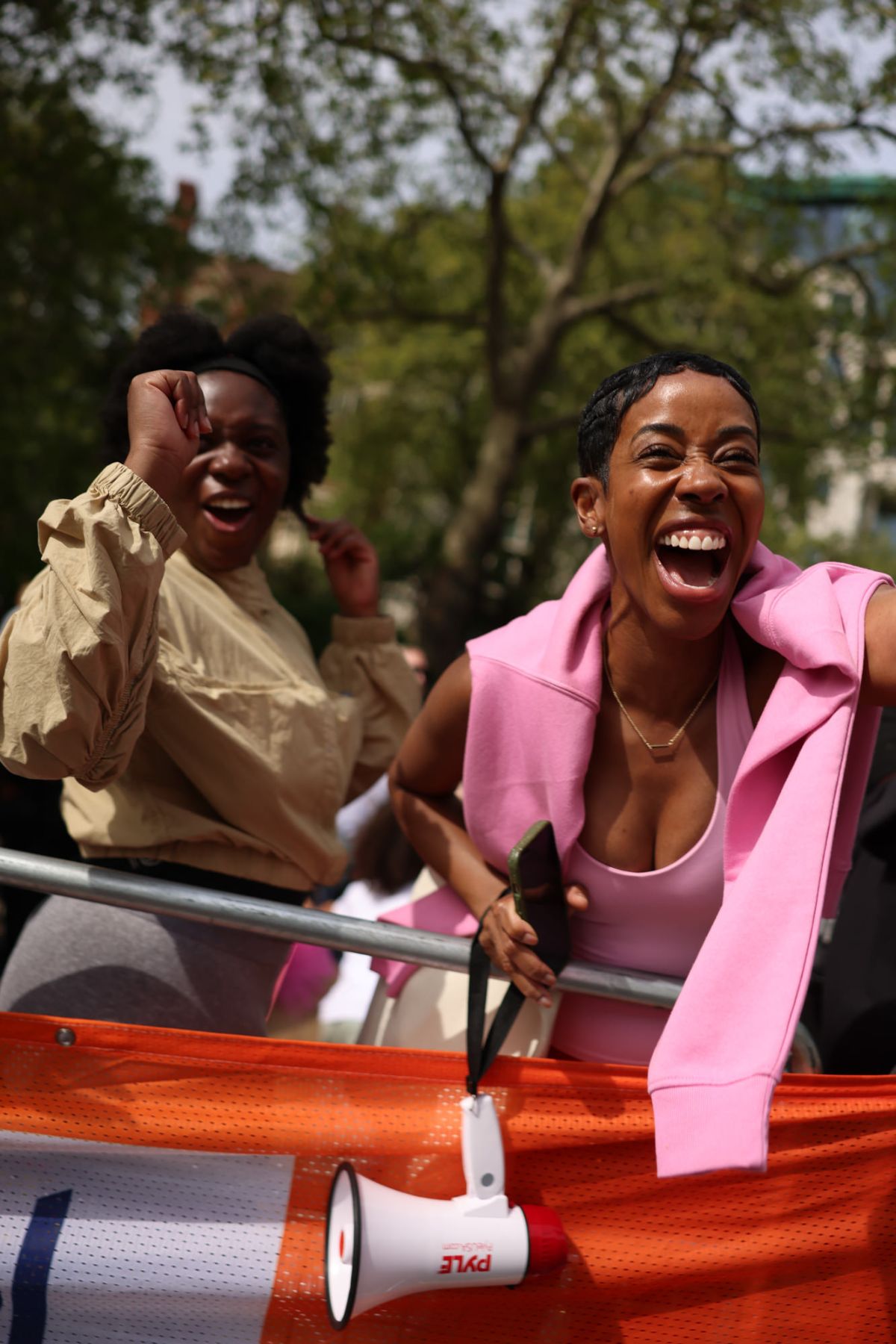
Breaking down the notion that you have to be “fast” to be a runner has also played a large part in encouraging more into the sport—speaking to friends anecdotally, so many confess that they were afraid to lace up for fear of holding people back or embarrassing themselves because of their pace. Jennifer Mannion has played a big part in debunking this preconception with her women-only running community, Runners and Stunners. She believes the biggest hurdle for many women isn’t fitness—it’s feeling confident enough to show up in the first place. “Sometimes women just need the invitation to come along. The intimidation often comes from wondering, ‘Am I fast enough to be here?’ A lot of women feel they need to reach a certain pace or look a certain way to be considered a runner, which isn’t the case.”
For many, running is as much about friendship, confidence and community as it is about fitness.
Heather McCormick, group communications and public affairs director at London Marathon Events
Mannion’s goal with Runners and Stunners is simple—to encourage as many women into movement as possible, and to reframe exercise as something that’s joyful, social, and mood-boosting, not a chore. “I hope the idea that slower runners are somehow less worthy is fading, but there’s still a long way to go. You see some women complete their first marathon in over six hours, and the comments are often not a nice place. The win should always be getting up and doing the thing, not how long it took you, especially for everyday runners. Movement is joy.”
Running as a Social Moment
If you live in London, you’ll know that you can’t leave your house on a Saturday or Sunday morning without bumping into a run crew or two. East London has Your Friendly Runners; South, Grove Lane (New Balance wins hearts every London Marathon by spotlighting the everyday runners from these crews in their marathon campaigns alongside seasoned athletes). Stats predict that there are now 100-plus crews in London alone, with over 2,000 run clubs in the UK. Strava saw a 250% increase in running clubs on its platform in 2025 compared to 2024, alongside an 89% year-on-year increase in women joining running clubs.
Community-focused running, where your workout is less about the sport, more about the time with familiar faces, has transformed the sport’s appeal. For many, running has become about far more than the workout itself—it’s about companionship, togetherness, and spending time with friends while also moving your body and taking some time for yourself. “For many, running is as much about friendship, confidence and community as it is about fitness. Running clubs have become places to socialise, and that sense of belonging has made running feel welcoming in a way it perhaps never has before,” says McCormick.
Covid undoubtedly played a part; a global pandemic is one way to remind yourself that time is precious and your health, your ultimate currency. Pair that with a societal shift in how we spend our free time—more saunas, alcohol-free alternatives and activities that leave us feeling rested, not burnt out—and run clubs and races have cemented themselves as the perfect weekend activity.
As Cook points out, it can be hard to make friends as adults, and working alongside someone doesn’t necessarily mean you are a personality match. “Lots of the friendships we have in life are based on geography—school, university and work. Making new friends at a run club gives us the chance to show up as the most present version of ourselves, and to make friends based on lifestyle, personal interests, and a growth mindset. In cities especially, it can be really hard to pin down plans with friends. When I joined my run club, I loved that I could see 40 people without having to make a plan beyond showing up at 9 am on a Saturday.”
Litner also reflects on how running was marketed in the 1990’s and early noughties: for many, it was the default punishment in team sports growing up. “I rarely saw the version where you run with friends to enjoy each other’s company, to encourage one another, to build mental toughness together, to have a genuine human connection and a newfound relationship. Run clubs flipped that. They’re reminding my generation why in-person community is so rich and fulfilling in a way a screen isn’t. It’s a community disguised as exercise (or vice versa). You show up for the people and the miles tick away.”
Kit Is Playing Its Part, Too
Whether you’re a runner or not, you’re likely to have noticed the cultural shift happening around the sport. From the explosion of independent running brands to the rise of elevated performancewear that blurs the line between activewear and everyday fashion, there’s been an undeniable shift towards sport style and self-expression. But is it encouraging more women into the sport, or is it more a reflection of women who were already running feeling freer to show up as themselves?
Cook credits brands like MileOff with bringing more women into the space. “Typical running gear is very masculine-coded, whereas Alice [Bugeja], the designer of MileOff, launched into the market with pastel-coloured running skirts and frilly socks that were like a breath of fresh air,” she says. “Women love to cosplay for sports as much as we do social occasions, and I think feeling good in any outfit is key to reducing the friction or self-consciousness that might prevent us from starting. Many lifelong runners probably will never be interested in wearing a fashion-forward outfit to run in, but the rise of the run girlie might mean they now feel comfortable wearing a tinted moisturiser or a lipstick or cute hair accessories. The more self-expression there is in sport, the freer women feel, period. There’s no one fixed way to show up any more.”
Being audacious with your training, your fashion, or your truest form of self-expression can be liberating.
Jenna Litner, Senior Manager of strategy and operations at Peloton and running influencer
Litner reckons that for many of us, seeing that you’re free to do incredibly hard things while dressing however you want will feel like an invitation into the sport itself. “Women are increasingly prioritising spaces that feel fun and familiar, while also building real physical and mental strength, and running culture feels like the rare opportunity to do both,” she explains.
She encourages her followers to create their own narratives with both sport and style—but for her, it all comes back to confidence and ensuring she feels her best, and Litner encourages the same for her followers: “Confidence is a very nuanced, complicated word, especially for women. Being a bit audacious, whether that’s with your training, your fashion, your styling, or just leaning into your truest form of self-expression, can be liberating.”
Continuing the Change
While there’s always more to be done—after undertaking exclusive research with Sport England last month, we revealed that 46% of women fear for their safety before working out, often causing them to skip workouts altogether—but McCormick believes we’re on the right track. “One of the biggest changes I’ve noticed recently is how normal and more visible running has become for women. You see women running before work, after work and at weekends, with conversations about training becoming a part of everyday life.”
Both McCormick and Bord mention the TCS Mini Marathon, too. “Observing the next generation’s attitude to running at the mini-marathon at my children’s school this year was inspiring,” Bord says. “It was amazing to hear so many of the little girls say, ‘I want to run a marathon one day.’ Watching them find joy in running instead of seeing it as a chore and their belief that they can do something that felt less accessible when I was younger demonstrated how things have changed.”
Litner’s bottom line? The movement isn’t just creating runners—it’s creating women who believe they belong in these spaces who will then help others do the same.
What Next?
So where do our experts see this movement heading—is this a genuine, lasting shift or does it need continued work to stick?
Cook reckons it’s not just a trend, and the movement will continue to grow, but that there’s work to do to meet the demand and ensure women have a good experience once they’re in the community, in the system, and competing in races. “Communities need to have safeguards in place to protect women from unwanted attention, harassment and anti-social behaviour,” she explains. “This is critical to ensure safety, and run clubs and brand-led clubs should have strict protocols in place so women feel safe and comfortable reporting anything untoward. From an infrastructure point of view, we need things like a bathroom in the starting pens. That so many women are taking up running should be celebrated, but the infrastructure needs to enable us to continue doing so.”
McCormick agrees, adding that the demand is undeniably there. “The near-equal gender split in the 2027 London Marathon ballot, alongside the surge in younger women applying, shows that women want to take part in record numbers. The next challenge is retention,” she says. Her aim is to make sure women continue to feel supported after they’ve signed up, whether that’s through welcoming clubs, safe places to run, or better support during life stages such as pregnancy and menopause.
Bottom line? Creating lasting gender equity and encouraging more women into the sport is a complex puzzle, and one that won’t be solved overnight. It requires continued commitment, investment and a collective shift in how we think about who running is for.
The sport needs to be accessible, welcoming and representative; it needs to celebrate women’s achievements, invest in grassroots communities and ensure women feel safe. Because true progress isn’t just about seeing more women taking part—it’s about making sure they feel they belong there, too. As McCormick puts it, “The goal isn’t simply equal numbers on a start line; it’s creating a sport where every woman feels she belongs, feels represented and feels confident enough to keep coming back.”
Shop Ally's go-to running brands below: