A simple rule change could help banks and regulators tackle a surge in home loan fraud by criminal syndicates using artificial intelligence, a parliamentary inquiry has been told.
Banks could more effectively guard against fraudulent mortgage applications if they were able to access secure data held by the Australian Taxation Office through the so-called consumer data right, the Australian Banking Association told a Senate committee hearing on Monday.
The ATO is prohibited from sharing a prospective borrower's information with a bank, even if they request it, requiring the customer to gather and submit sensitive financial documents by hand.
Ready access to AI models has made it easy for organised criminals to generate fake income statements and get past lenders' integrity defences, the association's chief executive Simon Birmingham said.
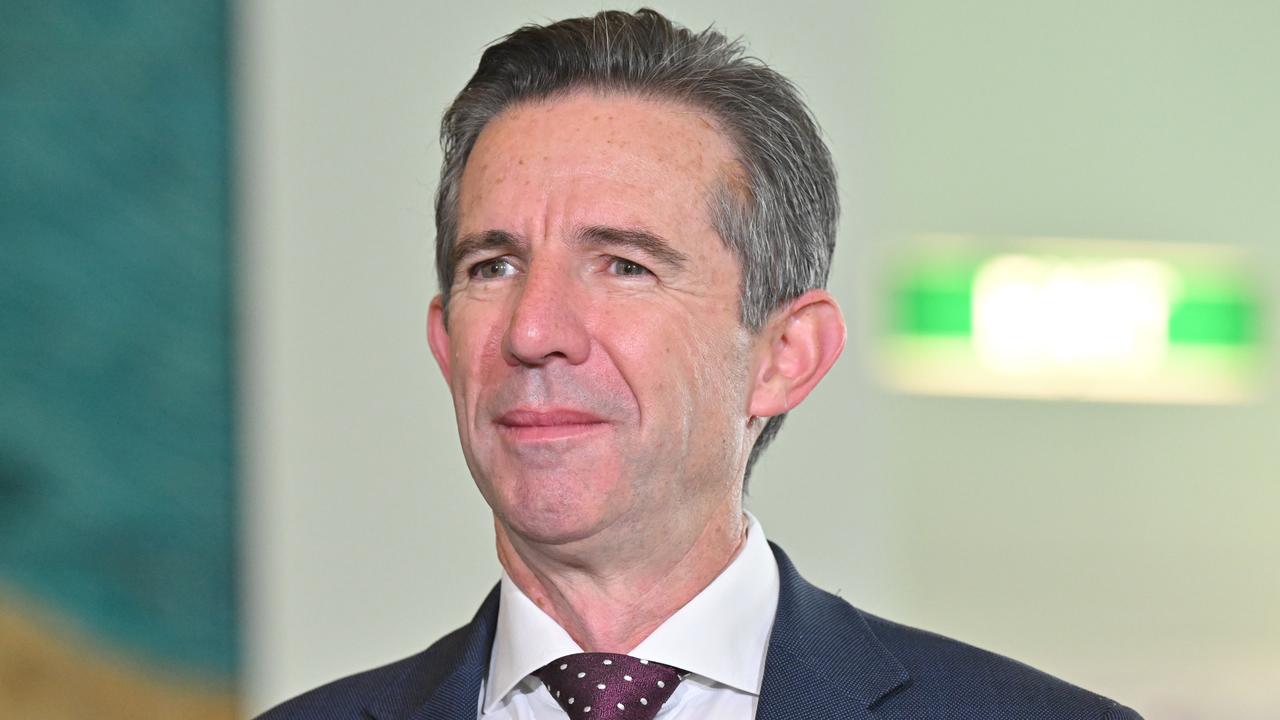
"Fraudulent loan documentation is a growing problem, and artificial intelligence is making fake payslips and doctored statements frighteningly easy to produce," he told the inquiry.
"The single best defence against fake income documents is real income data and the ATO has it."
If done right, the change could be a "win-win", he said.
In the May budget, the federal government pledged $62 million to extend the ability of consumers to share their ATO-held data.
The government's move was welcomed by Mr Birmingham, who is a former senior Liberal minister.
Still, requiring the customer to gather and submit the financial documents by hand was described by Mr Birmingham as ''an anachronism in the digital age, unnecessarily burdensome for customers and creates unnecessary risk in our financial system''.
Mortgage fraud has become a key concern for the banking sector.
Earlier in 2026, it was revealed that Commonwealth Bank had reported itself to the police over fears about $1 billion in home loans had been taken out fraudulently.
Commonwealth Bank has since rolled out an AI system to help detect scam patterns in transaction data.
"Economic crime is a material productivity drain on the Australian economy," Kylie Rixon, the bank's executive general manager of financial crime compliance, told the inquiry.
The bank was spending nearly $1 billion this financial year on preventing financial crime.
Australia's sluggish productivity rate, particularly in the construction sector, was contributing to a shortfall in housing supply which was pushing up home prices, the inquiry heard.
The national housing market entered a downturn following changes to investor tax breaks, which further reduced property investor demand following three Reserve Bank rate hikes and ongoing economic uncertainty.
Opposition housing spokesman Andrew Bragg criticised the changes for worsening supply, taking aim at a ban on self-managed super funds from borrowing to buy homes.
Westpac chief economist Luci Ellis said organisations should not be in the business of lending to self-managed super funds.
"Self-managed super funds are people's superannuation. They are for retirement income. Leveraging them results in an unacceptable level of risk," she said.