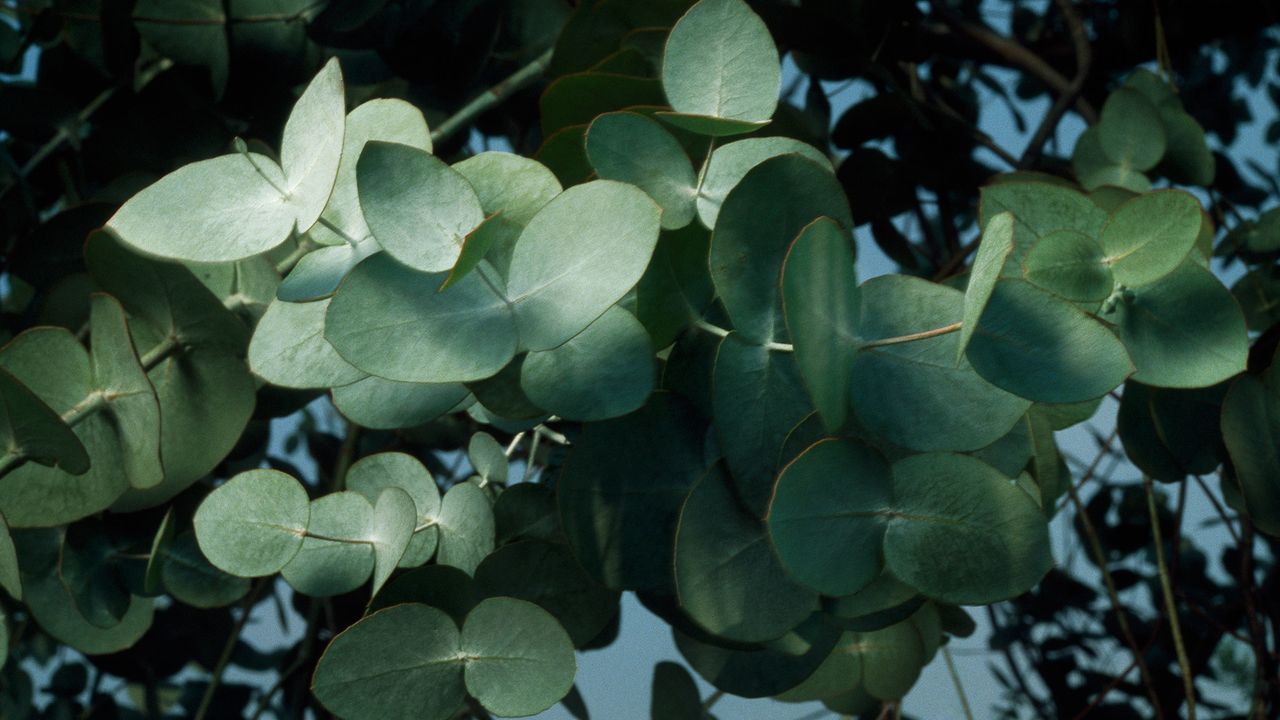
I’ve always planted trees in my yard to create different heights from my shrubs and low-growing plants. Apart from the aesthetic and structural appeal, they can perform many functions, including being a nesting spot for birds.
However, a few good years back, I made a big mistake and planted an invasive eucalyptus tree at the back of my yard, and within a few years, it had taken over, absorbing all the nutrients my other plants craved.
The predator I swore I'd never plant again
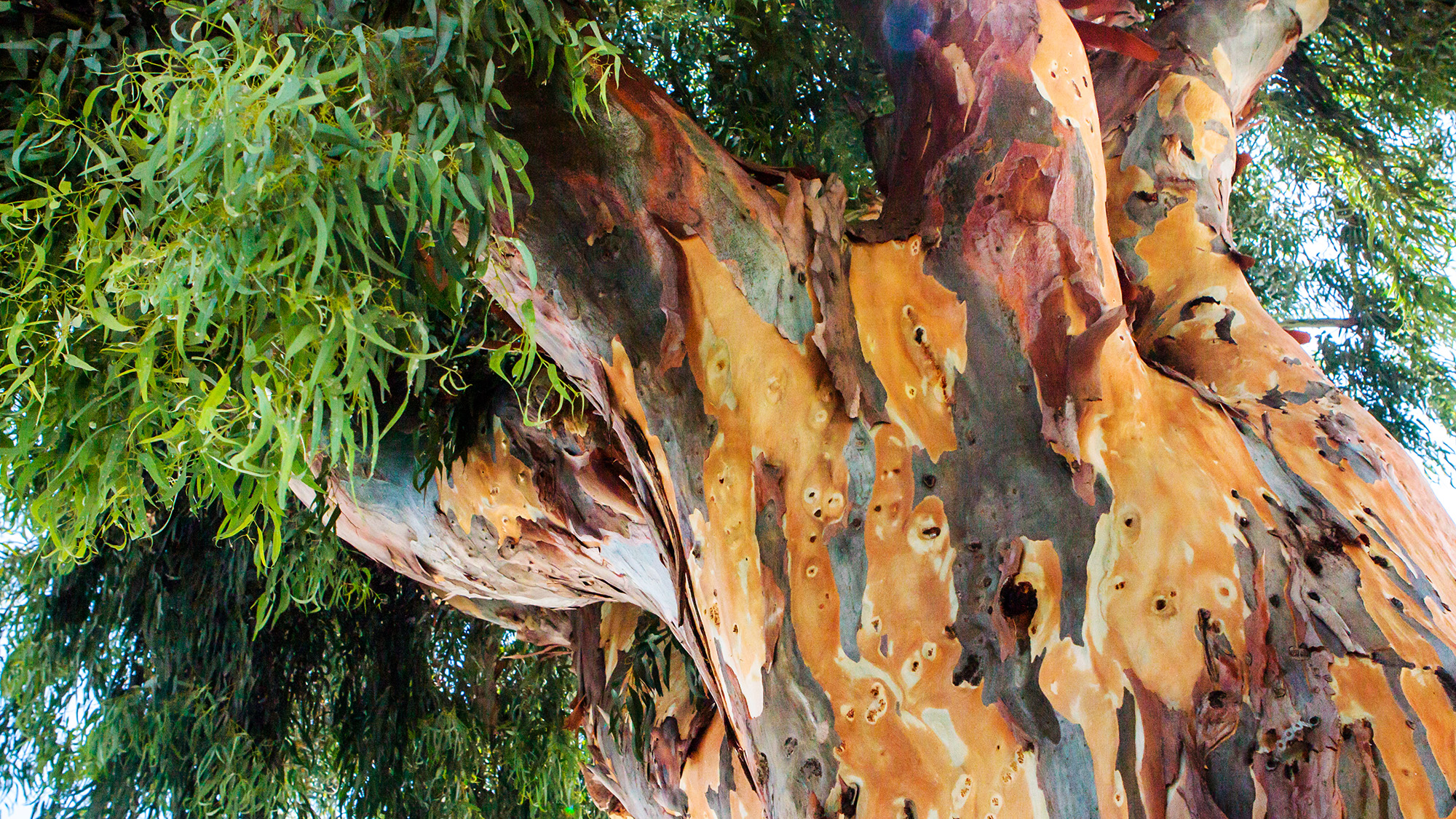
I picked a eucalyptus tree for its evergreen leaves and attractive bark, but little did I know how tall it would grow. And without this knowledge, I didn’t cut it back, to keep it under control.
Before it completely took over my whole yard, draining the moisture and nutrients from my other plants and uprooting my shed, I called in a professional to chop down the tree and apply herbicides to the remaining stump to kill the root system.
The plant's foliage drew me back
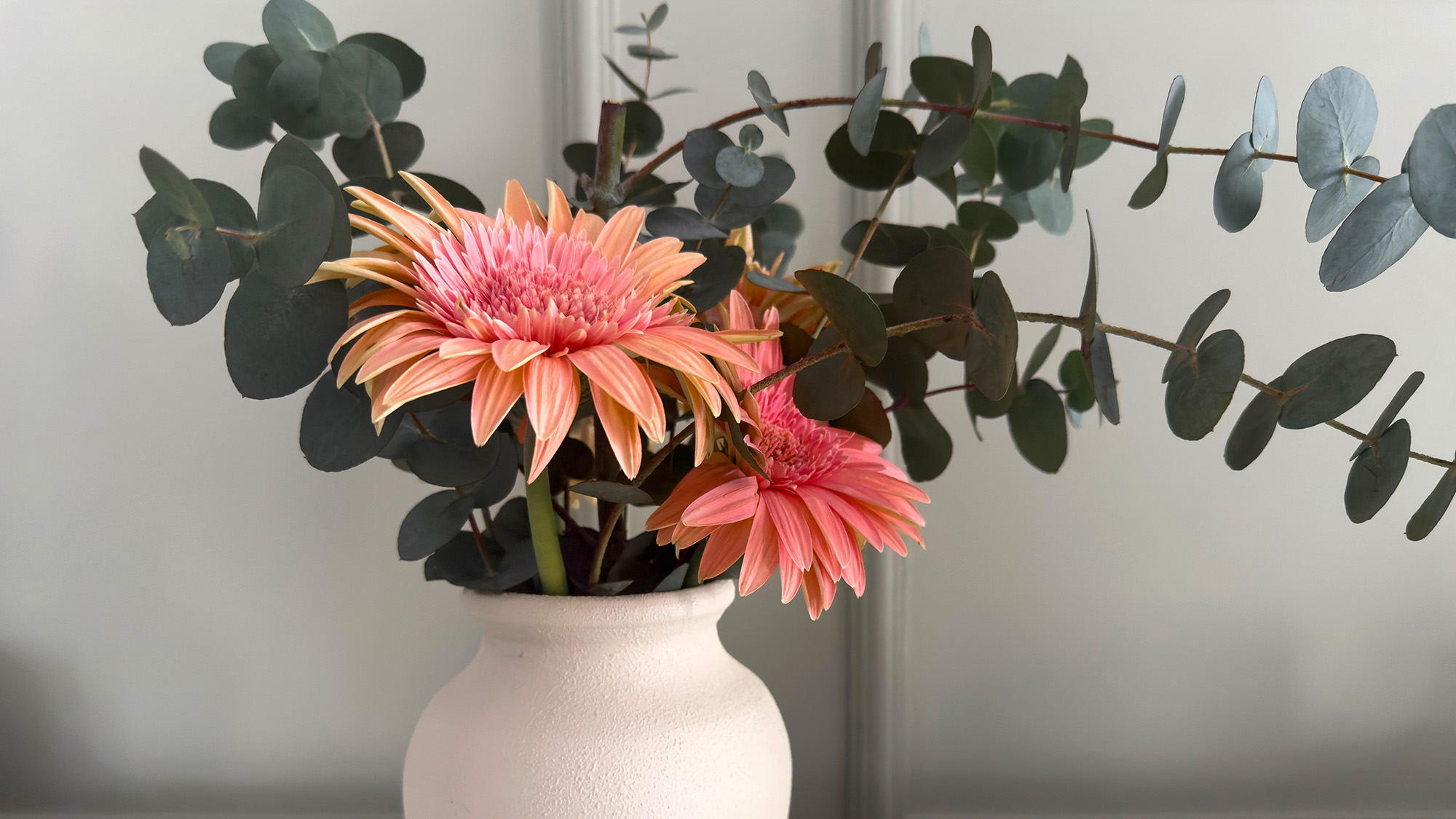
Recently, I began to miss the delicate leaves on the eucalyptus tree, which I’d previously cut and used as decorative foliage around my home. I also missed the clean, crisp and invigorating scent that I found refreshing.
But I was not going to make the same mistake again and buy a new eucalyptus tree and plant it directly in my soil. If you’re vigilant and keep an eye on its growth (and have a big yard), you could grow a eucalyptus tree as long as you prune it before it takes over. But that's a lot of work.
Container gardening
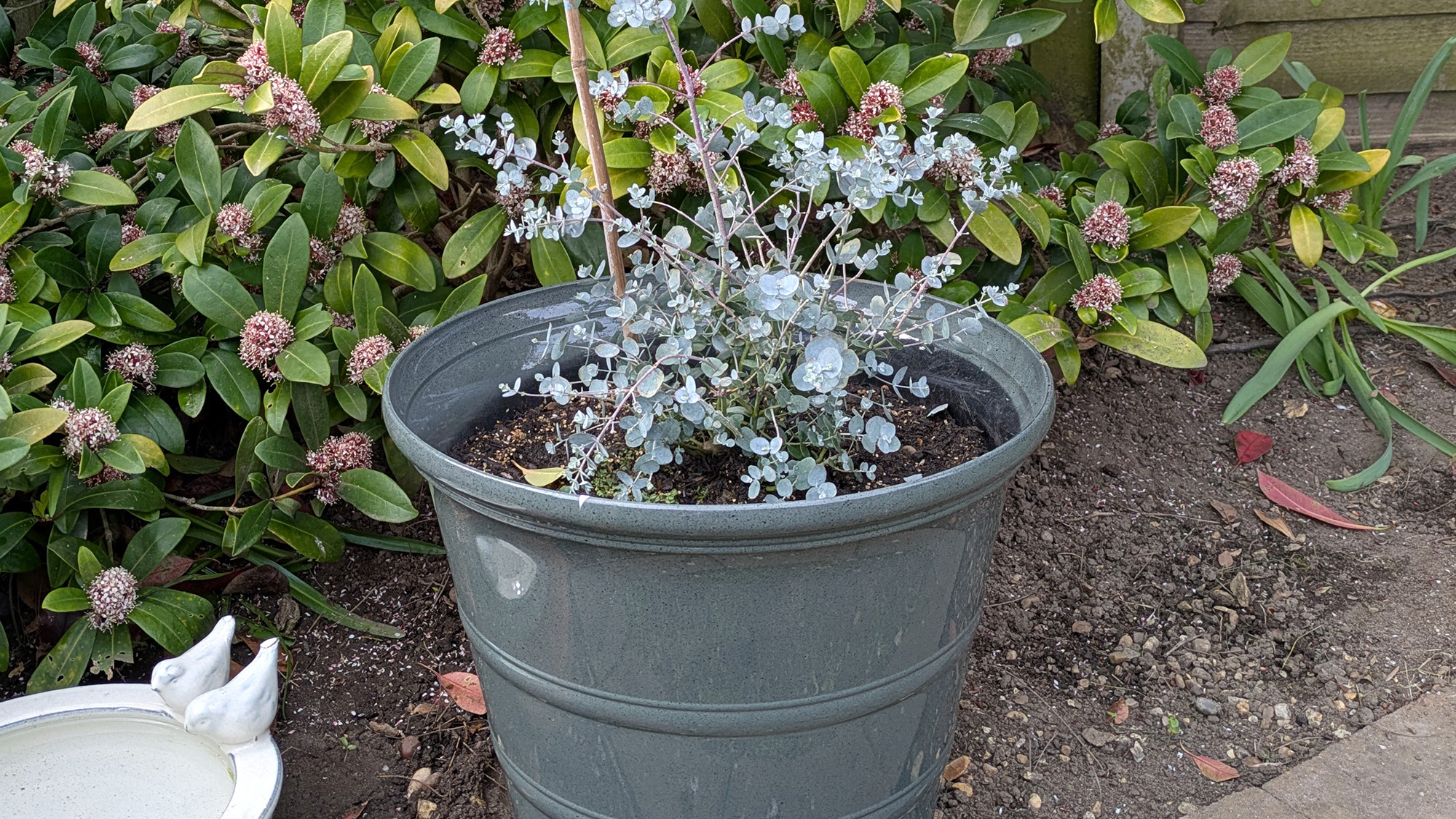
I had a plan to grow another eucalyptus tree, but this time, instead of planting it in the ground, I decided to plant it in a container.
I’ve now planted my eucalyptus in a pot and have placed it near the back of my house, perfectly positioned within my sightline when I'm working. I can’t be sure how it will pan out, and I know I will have to move this fast-growing ornamental plant into a larger pot. But for now I’m enjoying the foliage and that I’ve got the chance to try again.
How to grow eucalyptus in a container
You don’t have to stick to growing a eucalyptus in the ground; it’s perfectly OK to grow one in a container, but it's best to choose your variety with care. According to Hard Eucalyptus, dwarf and medium-sized species are the best candidates.
Be selective
It recommends Eucalyptus gunnii ‘Azura’ for its slow growth and compact shape, which can be trained into a bush or standard. Eucalyptus gunnii ‘Silverana’ is similar, but with more silvery foliage. Another contender is Eucalyptus pulverulenta ‘Baby Blue Bouquet’, which is less vigorous than ‘Baby Blue’ and has smaller leaves.
Pot wisely
Once you’ve decided on your plant, the Royal Horticultural Society (RHS) suggests potting it up with a peat-free compost, such as John Innes No 2 or No 3, and advises adding horticultural grit to improve drainage, suggesting adding no more than 30% grit to the mix. For those in the U.S, the New York Botanical Garden suggests using a high-quality potting soil. But do ensure your container has drainage holes, otherwise the plant’s root system will stay too wet, and the plant will suffer.
Place your plant where it will thrive
Eucalyptus will do best placed in a full sun, and protected from winds, where it is easy to water. I’ve already noticed how quickly my plant is drying out, so for me, placing it in close sight of my house will ensure it won't get forgotten.
To stop it drying out, Hardy Eucalyptus recommends covering the top of the soil with pebbles or mulch. However, avoid overwatering, as you don’t want the roots to become waterlogged.
Give it a feed
To give your eucalyptus an extra boost, the RHS recommends giving it a monthly feed during its growing season, between April and September.
Longer-term maintenance
Even though you are growing Eucalyptus in a container it will still grow quickly and may need repotting into a larger container every year. To keep it trim, you’ll also need to get out your pruning shears and give it a tidy, or prune it into your desired shape.