Hungary’s post-election political shift is set to unblock the €90 billion European Union “financial support package” for Ukraine, after weeks of wrangling over the damaged Druzhba oil pipeline and Viktor Orban’s veto.
Orban, who has led Hungary since 2010, was ousted in the election of 12 April, in which his opponent Peter Magyar won a landslide victory, but is still the caretaker prime minister until the new government takes over in May.
He has consistently tied his refusal to approve the loan to the Druzhba pipeline dispute, but signalled on Sunday that Budapest would stop blocking the package once oil deliveries resumed.
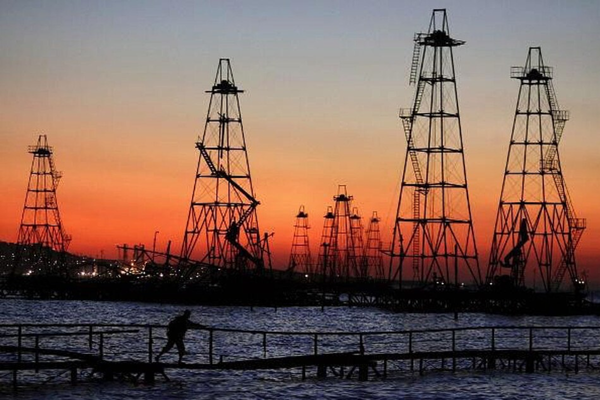
The dispute began after a Russian attack damaged the Druzhba pipeline in western Ukraine in January, halting deliveries of Russian crude to Hungary and Slovakia, both landlocked countries that are largely dependent on Russian energy supply.
After Russia’s 2022 invasion of Ukraine, Brussels had exempted these two countries from anti-Russian sanctions, allowing them to continue receiving Russian gas and oil.
Kyiv later accepted EU technical and financial help to repair the line, and Ukraine's President Volodymyr Zelensky said the pipeline should be working again by the end of April.
Outgoing and incoming leaders now both say the deal can move forward once oil flows are restored, paving the way for EU diplomats to advance the package at Wednesday’s meeting.
Ukraine accepts EU help to repair Druzhba pipeline
Ukraine state budget
Magyar said the new Tisza administration wanted to “remain consistent“ with the European Commision’s commitment made last December to support Ukraine, and signalled that Hungary could lift its objection before his government formally takes office.
If member states agree at Wednesday's meeting on the budget amendment needed to release the money, the formal adoption procedure could follow swiftly.
For Ukraine, the stakes are high, as the EU loan almost equals Kyiv’s 2026 budget. In December, Ukraine’s legislature approved the 2026 state budget with, according to the Kyiv Post, record wartime spending of Hr.4.8 trillion (€96 billion).
According to the European Parliament, €30 billion of the loan will be made available for macro-financial assistance or budget support, delivered through the EU’s Ukraine Facility.
The remaining €60 billion will be allocated to "strengthen Ukraine’s defence capabilities and support the procurement of military equipment" via "timely access" to EU defence industries.
(with newswires)