
A Florida student is now staring down a possible 15-year prison sentence after what she claims was just a bad joke about Israeli Prime Minister Benjamin Netanyahu. Gabriela Saldana, a 23-year-old at Florida International University, was arrested on April 17, 2026, after two messages she sent in a 215-person student WhatsApp group chat triggered a full-blown campus police response.
The charge? A second-degree felony for written threats to kill or do bodily harm, a crime that carries a maximum penalty of 15 years behind bars. The messages themselves read like something you might expect from a frustrated student blowing off steam, but the legal system, and FIU, saw them very differently.
According to IB Times, in the first message, Saldana wrote, “Netanyahu, if you can hear me, drop some bonbons for us Capstone students in Ocean Bank Convocation Center.” The second message was more direct: “There is going to be a bomb in the Ocean Bank Convocation Center and it was going to be Jonathan’s fault,” referencing another student in the chat.
Gabriela has insisted that her messages were meant to be jokes
According to the arrest report, Saldana admitted to sending the messages but insisted they were meant as a joke. That explanation didn’t fly with the students who saw them or with the police who showed up at her door just after 2:10 AM.
FIU didn’t waste any time treating the messages as a serious threat. The university released a statement calling the threat “credible and imminent,” noting that it identified “a specific date, time and venue.” That’s a pretty strong reaction for what Saldana described as a “dumb joke that should not have been made.”
The university also invoked federal student privacy laws, meaning we won’t be getting any more details about Saldana’s academic record or whether she’s faced disciplinary action before. For now, FIU is sticking to its guns, insisting there’s no ongoing threat to the campus community.
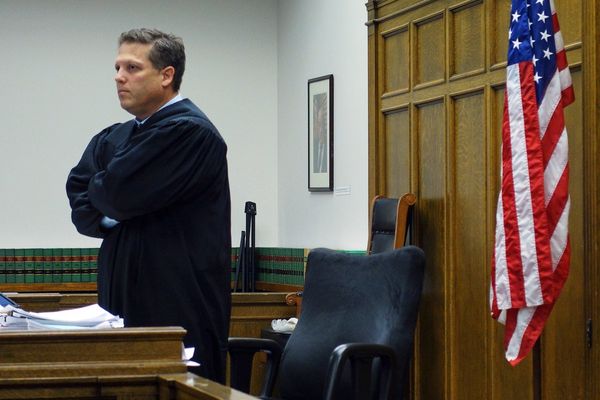
The legal battle ahead is shaping up to be a fascinating, and potentially precedent-setting, test of how far free speech protections extend in digital spaces. Saldana appeared in bond court before Judge Mindy S. Glazer, who made it clear that intent might not matter as much as how the messages were perceived.
“I can understand your position when you are saying this is a joke, but to an objective person, it’s not a joke, and it would be enough for probable cause,” Glazer said. She added that while probable cause exists to move forward, that doesn’t guarantee a conviction at trial. Still, the judge’s words suggest that even if Saldana didn’t mean to cause panic, the law might not care.
This case is raising questions about the line between dark humor and criminal threats
Saldana’s bail was set at $5,000, and the prejudice enhancement originally attached to the charge was dismissed. But the core felony charge remains, and it’s a doozy. Under Florida Statute 836.10, written threats to kill or do bodily harm don’t require the sender to actually intend to carry out the threat, just that the message could reasonably be seen as a true threat.
That’s a pretty low bar, especially when you consider how quickly things can spiral in a group chat with over 200 people. Group chats have become a staple of university life, used for everything from organizing study sessions to venting about professors. But if a single off-color joke can land you in jail, students might start thinking twice before hitting send.
The legal standard here – that a threat in a viewable electronic message can be a felony regardless of intent – could have major implications for how we communicate online. If prosecutors decide to push forward with this case, it might force courts to clarify just how much context matters when it comes to digital speech.
For now, Saldana is out on bail, but the legal battle is just beginning. The university has made it clear it won’t tolerate what it sees as threats, even if the sender insists it was all in good fun. And while Judge Glazer acknowledged that a trial might not end in a conviction, the fact that the case is moving forward at all sends a pretty chilling message.
In the land of the free, it turns out you’re not as free as you might think to even make a joke, especially if that joke involves bombs, world leaders, or campus security. The bigger question is whether this case will set a precedent for how similar situations are handled in the future. If a WhatsApp message can lead to a felony charge, what does that mean for the rest of us who’ve ever sent a sarcastic text or a poorly thought-out meme?
(Featured image: Masa__Israel)
Have a tip we should know? [email protected]