The warming El Nino climate phenomenon is likely to develop by the end of August, the United Nations' weather agency said, raising the risk of extreme weather as Europe faces another summer on the front line of climate change.
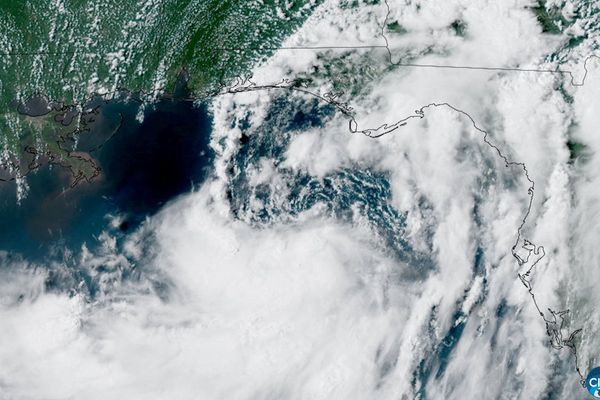
The World Meteorological Organization (WMO), the UN weather agency, said on Tuesday there was an 80 percent chance of El Nino conditions emerging between June and August, driven by unusually warm waters in the tropical Pacific.
While El Nino begins far from Europe, its influence can spread across the global climate system, affecting temperatures, rainfall, trade, agriculture and public health. For Europe – the fastest-heating continent – the prospect of another warming push comes at a sensitive moment.
"Fuelled by unusually warm ocean waters in the tropical Pacific, El Nino conditions are developing and are set to influence global temperature and rainfall patterns," the WMO said.
Pacific warming
El Nino is a naturally occurring climate phenomenon that warms surface temperatures in the central and eastern equatorial Pacific Ocean, changing winds, pressure systems and rainfall patterns around the world.
It generally occurs every two to seven years and lasts around nine to 12 months, alternating with its cooling counterpart La Nina and neutral phases in between.
The WMO said the likelihood of El Nino developing by November was "near or above 90 percent", with most forecast models suggesting it would be "at least moderate – and possibly strong".
The warning is particularly important for Europe because the continent is heating at roughly twice the global average, leaving its cities, farms, rivers and health systems increasingly exposed to heatwaves, drought and flash flooding.

Europe at risk
El Nino does not guarantee a specific weather outcome in Europe. Its impact is strongest in the tropics and in Europe it interacts with other climate drivers, including Atlantic weather systems, sea-surface temperatures and atmospheric circulation patterns.
But in a world already warmed by greenhouse gas emissions, even a moderate El Nino can increase the chances of more damaging extremes.
Countries need to prepare for an El Nino that could "exacerbate drought and heavy rainfall and increase the risk of heatwaves both on land and in the ocean", WMO Secretary-General Celeste Saulo said.
That is the main concern for Europe. El Nino may not be the sole driver of the continent's weather, but it can add extra heat to an already warmer climate system.
The WMO said forecasts for June to August pointed to "a nearly universal dominance of above normal temperatures in nearly all parts of the globe".
Global concern
For Europe, that could increase the risk of prolonged heat spells, warmer seas, pressure on water supplies and stress on crops, energy networks and health services.
Southern Europe is particularly vulnerable to dry spells and wildfire conditions, while northern and central areas have faced heavier rainfall events in recent years.
El Nino could affect much of the planet, but "each El Nino event is unique", Wilfran Moufouma Okia, head of climate prediction at the WMO, said. Other weather systems can strengthen or weaken its effects.
The last El Nino helped push global temperatures to extraordinary levels, contributing to 2023 becoming the second-hottest year on record and 2024 reaching an all-time high of around 1.55C above the 1850-1900 pre-industrial average.
The WMO said there was no evidence that climate change increases the frequency or intensity of El Nino events.
However, it said global warming can amplify their effects because a warmer ocean and atmosphere provide more energy and moisture for extreme weather, including heatwaves and heavy rainfall.
"El Nino is arriving on our doorstep. The world must treat it as the urgent climate warning it is. El Nino conditions will pour fuel on the fire of a warming world," UN Secretary-General Antonio Guterres said.
The WMO hopes advance warning will help governments prepare, particularly in climate-sensitive sectors such as agriculture, water management, energy and health.
For Europe, better forecasts, earlier warnings and smarter planning can reduce the damage. But the return of El Nino is another reminder that the world's fastest-heating continent can no longer treat extreme heat as exceptional.
(with newswires)