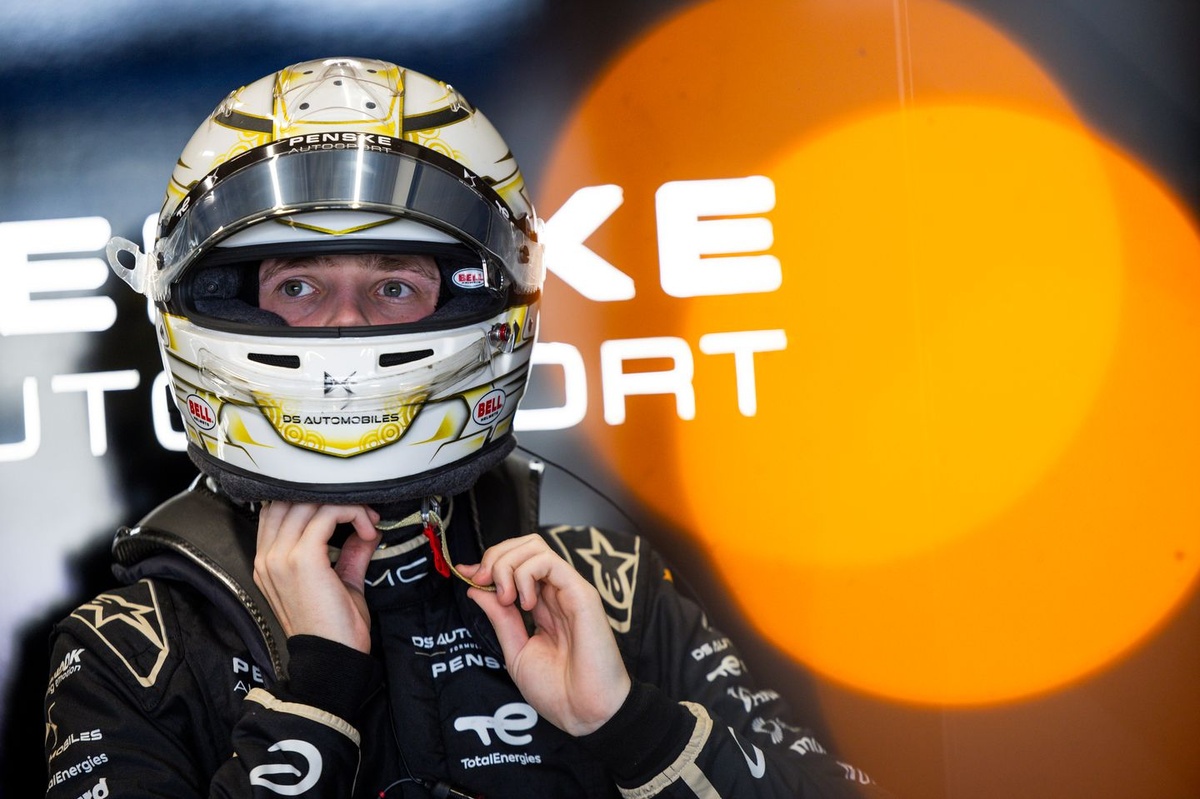
In the sweltering heat of this February Saturday on the shores of the Red Sea, the action began with the third free practice session of the weekend, lasting 40 minutes. In relatively challenging conditions, the two DS E-TENSE FE25s remained in the top 10, confirming the promising form shown the day before. The data collected in the 300 kW configuration, the mode used in the qualifying groups, proved particularly encouraging, with Taylor Barnard even setting the second fastest time overall in this configuration. Two hours later, still in high temperatures, the two DS Penske drivers found themselves in the same qualifying group, this time at the start of the session. The conditions were different from the previous day, with the track having changed less and the ‘green track’ factor being mitigated by the short ten-minute format. In this tricky exercise, Maximilian Günther came out on top. Setting the second fastest time in the group, he qualified for the duels and then faced reigning world champion Oliver Rowland. Although beaten by the Nissan driver, Günther still secured sixth place on the grid. ‘Rowland was faster, but it was a good lap. The car is fast and I have a good feeling,’ explained the German driver. Taylor Barnard, meanwhile, had to settle for 17th place on the grid, with the prospect of a comeback.
A race without Pitboost, but rich in calculations
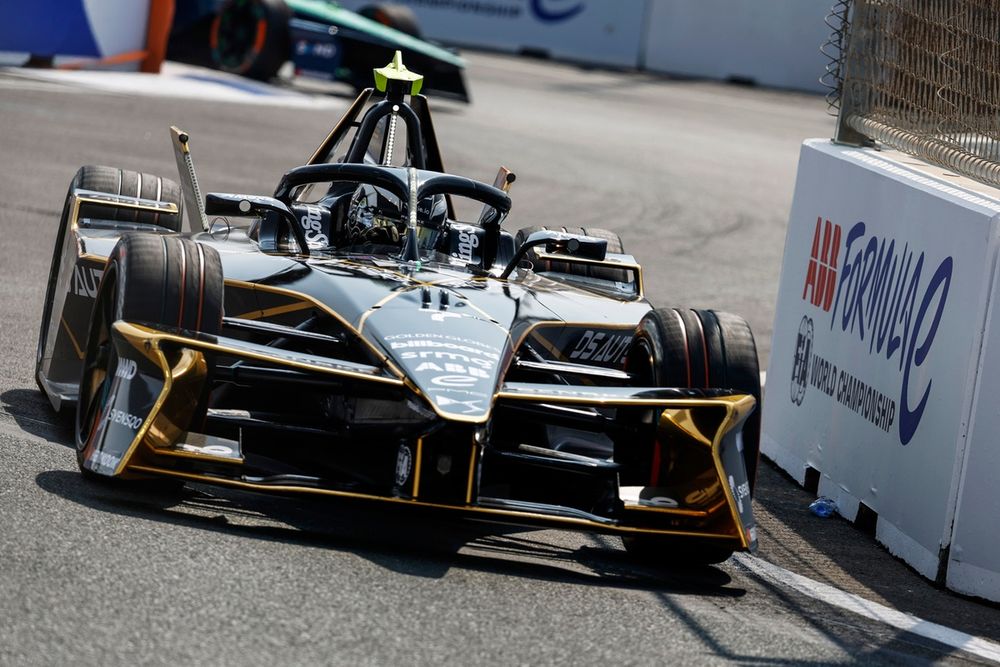
The race was significantly different from the previous day's. Without Pitboost, this second round relied solely on energy management and optimal use of Attack Mode. The distance was also reduced by one lap by the race directors, promising a fast pace. After an uneventful start, Max Günther opted for a cautious approach, deliberately staying in the middle of the pack to conserve his energy. Taylor Barnard, meanwhile, refined his strategy as the race progressed, in constant contact with his track engineer. At the front, there were numerous changes of leader, while the pack adopted a more measured approach. The first Attack Modes were triggered around lap 10, but the two DS Penske drivers chose to activate theirs simultaneously, beginning a coordinated comeback in the second half of the race. Despite the extra power and temporary all-wheel drive, traffic limited their immediate gains. Barnard nevertheless managed to break into the top 10, while Günther remained just outside the points for the time being. With eight laps to go, both drivers waited until the very last moment to activate their second Attack Mode, maximising their performance at the end of the race. This strategy paid off for Barnard, who made an impressive comeback from 17th to 10th place, earning him a well-deserved point. Max Günther narrowly missed out, crossing the line in 11th place, just behind his teammate.
The next round of the Formula E World Championship will take place on 21 March at the Jarama circuit near Madrid (Spain).