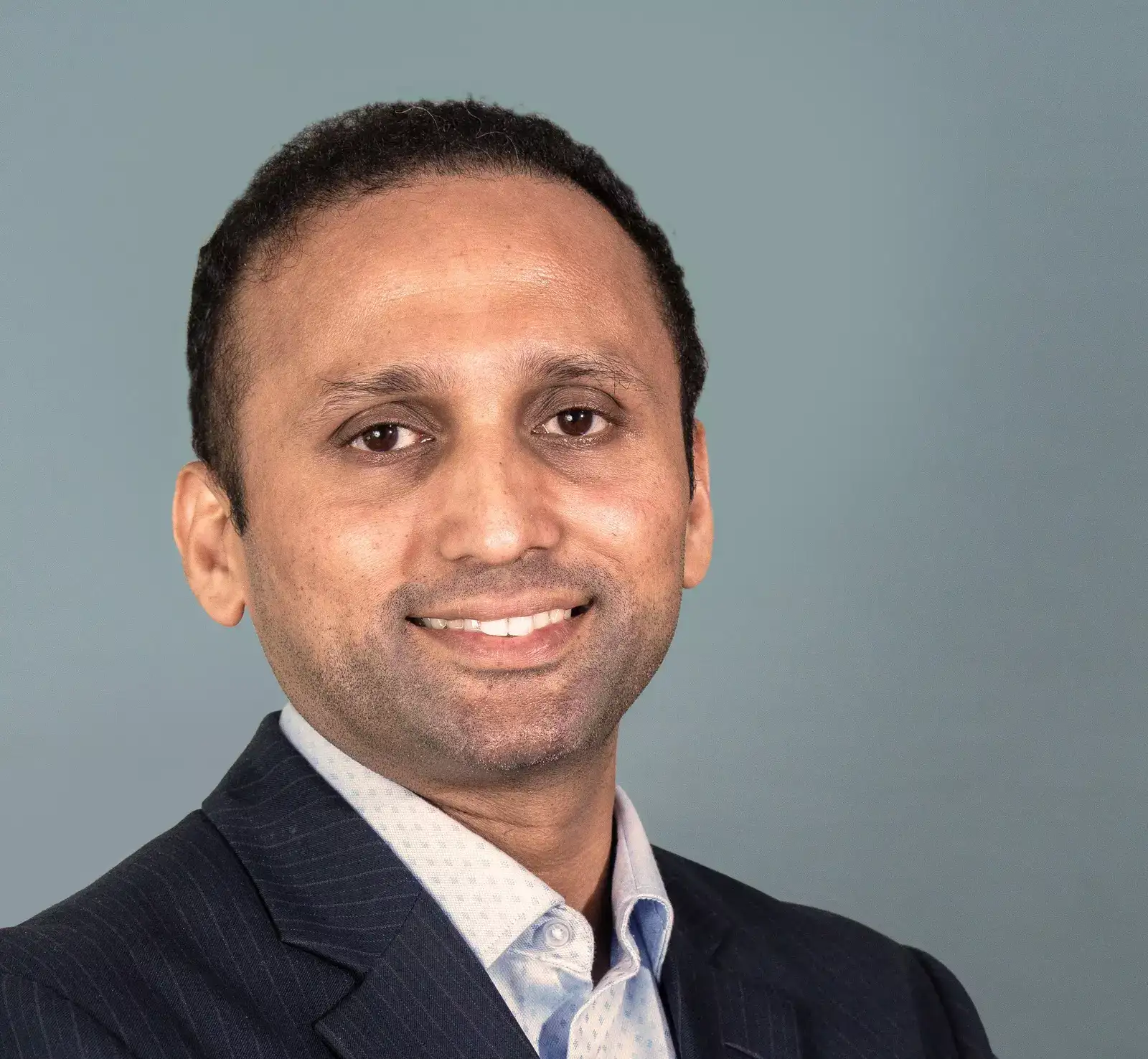
With geopolitical tensions rattling global markets, one of India's veteran market strategists is urging investors to stay disciplined, stay diversified, and resist the temptation to deploy capital all at once.
Nikhil Khandelwal, CMD of Systematix Group, laid out his market framework in an interview with ET Now, and his message was clear: the next three to six months will be critical, crude oil and the rupee are the variables to watch, and capital allocation right now should favour resilience over aggression.
Oil and the rupee are running the show
Khandelwal's base view is straightforward: India is a heavily oil-dependent economy, and everything — market direction, corporate earnings, currency stability — flows from what happens to crude prices and the USD-INR exchange rate.
The West Asia crisis has layered supply chain disruptions on top of energy price volatility, hitting factory output data and creating turbulence for several critical industries. Until crude normalises and the rupee steadies, Khandelwal believes the market lacks a clear, confident direction.
His advice to investors: deploy capital in a staggered manner over the next three to six months rather than going all in today. Earnings and volume growth data will clarify the real impact of these disruptions — and that clarity simply does not exist yet.
Where to invest: PSU banks, IT, and capital goods
Within banking, Khandelwal expressed a clear preference for PSU banks over private sector peers. He cited better earnings visibility, lower margin compression risk, and more attractive valuations as the key reasons. Except for the top two or three private banks, he sees second-tier private banks as fairly valued with limited upside.
On IT, Khandelwal is making what he acknowledged is a contrarian call. He is bullish — not despite the AI disruption narrative, but partly because of how the market has overreacted to it. His firm's ground-level conversations with IT companies and their enterprise customers suggest that order books are not depleting at the pace markets fear. Indian IT firms — from midcaps like Coforge to large-caps like TCS and Wipro — are actively building AI transition capabilities for enterprises.
"This sector will see slower growth this year, but it is not going to be a degrowth year," Khandelwal said. With the valuation correction already done, quality IT businesses are now available at low-teen earnings multiples — offering strong long-term value for patient investors. The dividend and buyback potential adds further cushion.
Defence and capital goods round out his preferred sectors. Companies like BEL, BHEL, Hitachi, and Siemens are names he believes should be accumulated at current market levels, with India's domestic defence build-out providing a long structural tailwind.
What to avoid: real estate, jewellery, airlines, and rate-sensitive plays
Despite sharp corrections in February and March followed by a partial April recovery, Khandelwal believes real estate stocks are fairly valued and does not see a compelling entry case. The sector is rate-sensitive, and until interest rate trajectory becomes clearer, the risk-reward does not favour significant overweighting.
Jewellery is another sector he is steering clear of; it requires high discretionary spending, faces policy headwinds following the government's signal around reducing gold purchases, and lacks the earnings resilience he is prioritising in this environment. Airlines face their own set of structural cost pressures.
The bottom line: Systematix is not bearish on India. April and May have been broadly positive for the market. But the current environment demands selectivity. Khandelwal's playbook is built around sectors with earnings clarity, valuation support, and macro resilience — and right now, that points firmly toward PSU banks, IT, and defence.