As Ukraine is gripped by a bitter cold snap, more than one million people have been left without heating and electricity as Russia ramps up attacks on energy infrastructure.
Elderly residents and those with vulnerable family members told The Independent they are cold and unable to cook proper meals as they face temperatures as low as -15C.
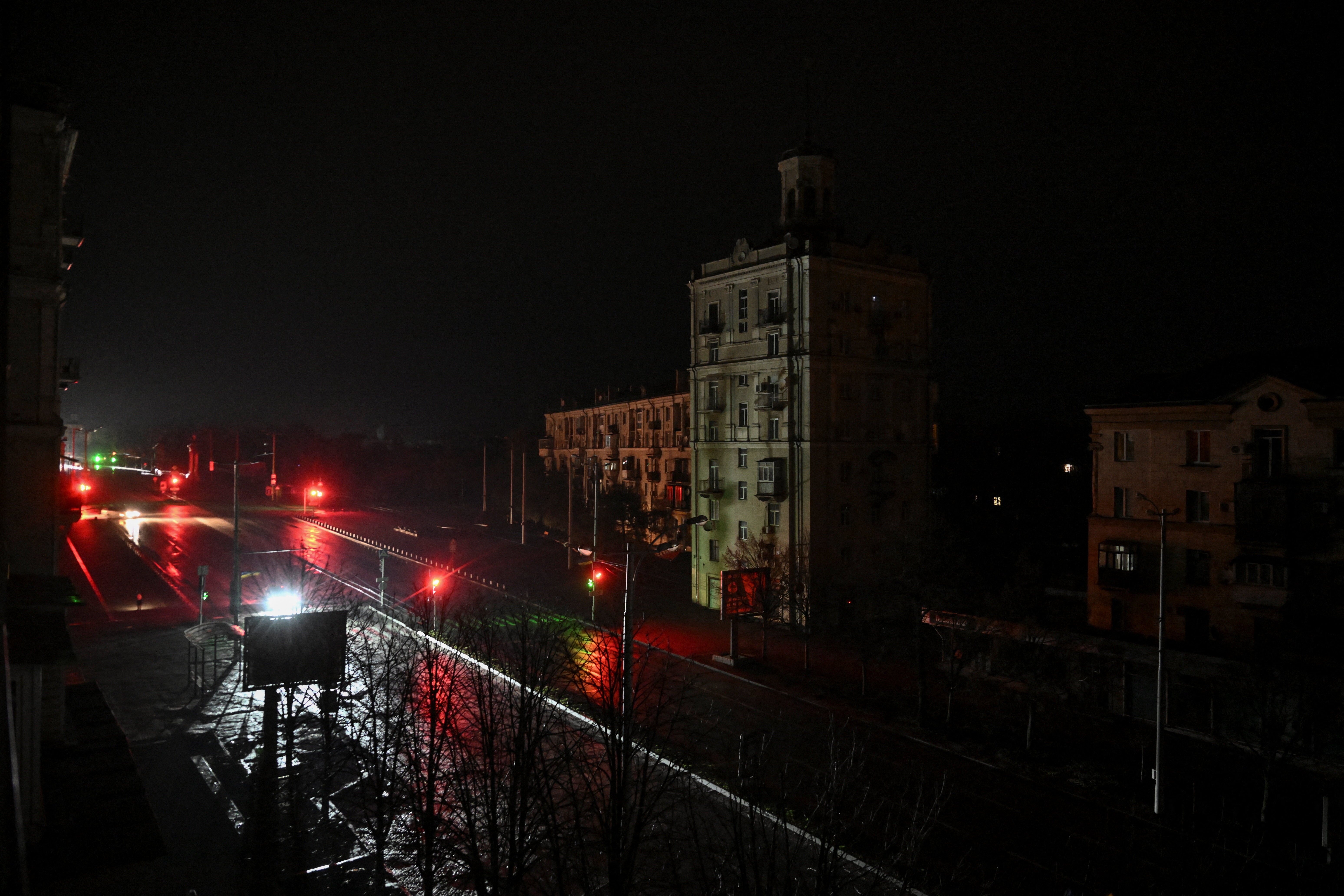
Despondent and fearing death, many are struggling through the winter as blackouts plunge Ukraine’s cities into darkness, lit up only by the bright flash of Russian drone and missile attacks.
“It gives you depression,” 33-year-old Dnipro resident Kyril Tulenev says. “You cannot do anything. You cannot check the news. You cannot properly use your things. Sometimes you cannot call anyone because there is no connection.”
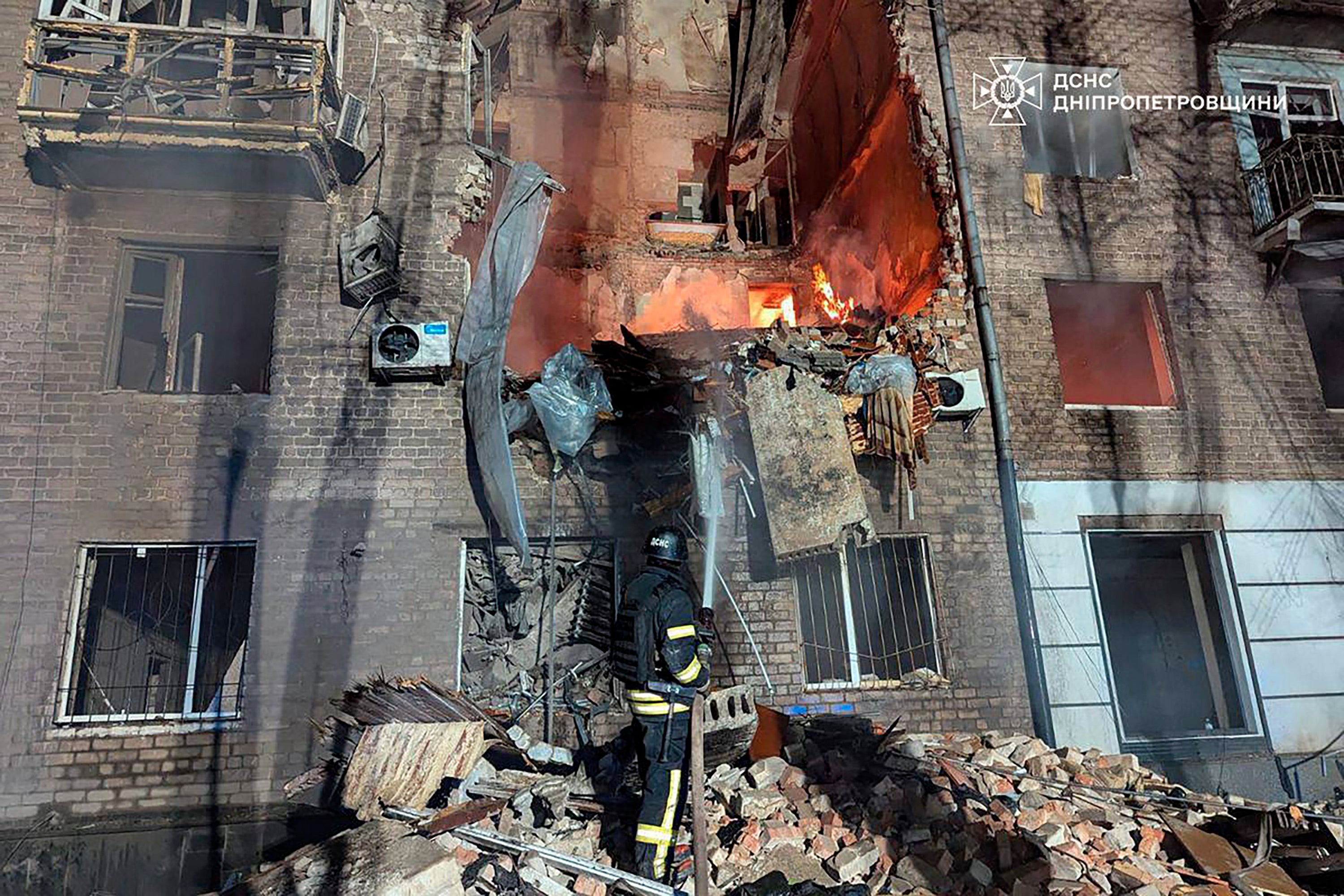
Hundreds of thousands were left without electricity and heating across large swathes of Ukraine’s central and southeastern Dnipropetrovsk and Zaporizhzhia regions on Thursday.
On Friday, an attack on Kyiv left 500,000 without power, with mayor Vitali Klitschko calling for people to temporarily evacuate with temperatures set to plummet.
Kyril paints an even bleaker picture of life outside the home. Petrol stations freeze over, the streets are lifeless, and traffic lights no longer function.
The family of Kyril’s girlfriend – including an uncle with disabilities and an elderly grandfather – are struggling. Unlike Kyril, who lives in an apartment, the family lives in an ageing house, riddled with cracks and exposed to freezing weather.
“The uncle cannot move by himself, so they need to take care for him. They need to bring him to the toilet. They need to do the bath for him. When there is no electricity, you don’t have water, and it's kind of difficult for them to take care for him,” he says.
Residents are also struggling without access to a fridge to keep food fresh, running water due to very low pressure, and wifi to allow them to contact family. The family of Kyril’s girlfriend owns an electric oven; when power is down, they cannot cook themselves a proper meal.
Kyril says Ukrainians fear the cold snap currently gripping large parts of Ukraine. The power plants, Kyril explains, restrict their output when it is very cold – when Ukrainians need electricity the most – because of the added pressures cold weather puts on energy facilities.
One elderly grandmother, who did not wish to be named, told The Independent that, having been born during the Second World War, she thought she had survived the worst.
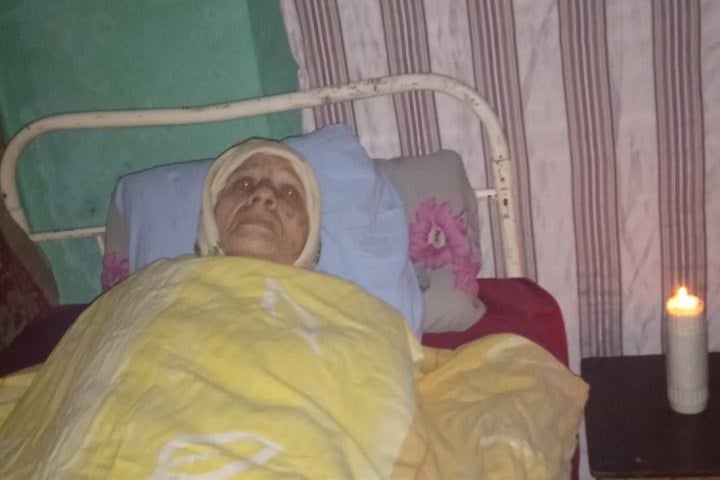
Wrapped up in bed, staring at the ceiling with a candle lit on her bedside table, she says she can’t believe there is a war between groups of people who stood shoulder to shoulder to fight the Nazis.
Several Ukrainian organisations, such as Rozvitok Mista in Kryvyi Rih, are supporting vulnerable and elderly people through the blackouts, visiting those who don’t have people to care for them.
Hope for Ukraine, another organisation, is handing out solar kits in blackout zones, helping reshape the long-term resilience of Ukrainian civilians living in or near frontline towns.
It is in these towns where sustained drone and missile attacks create such difficulty in daily life. Olena Yanchenko, a 54-year-old grandmother in Kryvyi Rih, was nearby when a Russian missile struck apartment buildings in the city, killing one person and injuring 24, including six children.
The early evening strike plunged the city into darkness, Olena says. It came hours after an overnight strike had caused blackouts across Dnipropetrovsk.
“It’s really scary,” she says of the moments the cities go dark during a Russian air attack. “Every time I feel like it’s my last day of life.”
Olena was going to the shop to buy food for her cat when she heard a noise in the sky, rushed into the shop, and took shelter with the shop assistant.
“At this time, there was a great explosion. We were in shock, I remember that my hands were shaking and my heart was beating, and then [the shop assistant] cried. It was a real shock for me, I even don’t remember how then I got home.
“After that the electricity disappeared in all the city. It was really dark. I was really scared.”
The first blackout in Kryvyi Rih began when a huge overnight Russian attack caused mass blackouts across the Dnipropetrovk region, hours before the early evening missile strike seen by OIena on Thursday.
Olena, a school teacher, says the city was still without electricity and heating on Friday, as temperatures dropped to -3C.
Children are due to return to school on Monday. Many schools have generators, which means they will have light to work in – but without heaters, they may have to learn with their coats on.
“We do everything which we can,” she says. “But it’s really hard. We try to prepare for it. We have warm clothes, of course. Any way [we can], we are going to stay alive. The Ukrainian people are brave.”
Dragan Mikhail Petrovich, 84, another resident in Kryvyi Rih, told The Independent that he feels “anxiety, fear and exhaustion” as the city faces another several days in near-total blackout, during one of the coldest parts of the year.
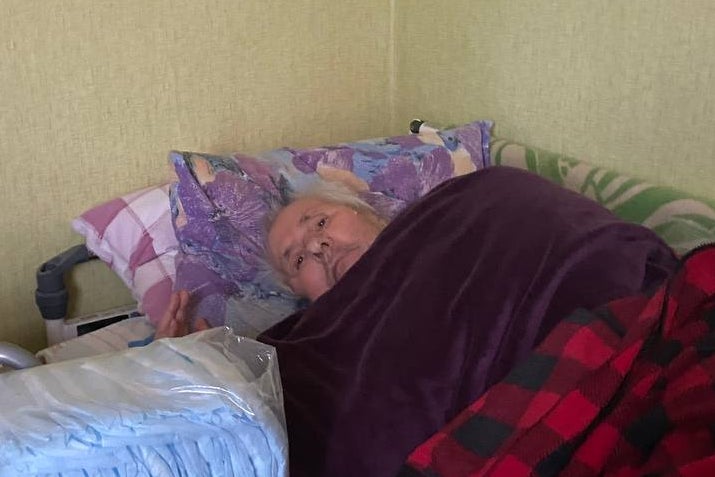
“Such conditions make us appreciate simple things and the support of loved ones,” he adds. “Especially in my condition, when you are bedridden.”
NGOs warn that the elderly are particularly vulnerable to the lack of heating, especially those who are not fit to move around easily and do not have family to assist them.
“I am worried, because the cold and possible power outages create additional difficulties for everyday life,” says Mr Petrovich. “The boiler that heats our home almost does not work without electricity. It is cold in the house. Protecting yourself from the cold in such situations is quite difficult.
“These actions are criminal and inhuman.”
Ukraine war live: Trump warns ‘Putin is afraid of the US but not Europe’
What you need to know about Russia’s hypersonic Oreshnik missile
Ukraine’s drones set fire to Russian oil depot after Putin’s Oreshnik missile attack
Trump warned his threats to take Greenland put critical US defence agreements at risk
‘We don’t want to be Americans’: Greenland leaders hit back at Trump’s push
Britain will not help the US invade Greenland, says defence secretary