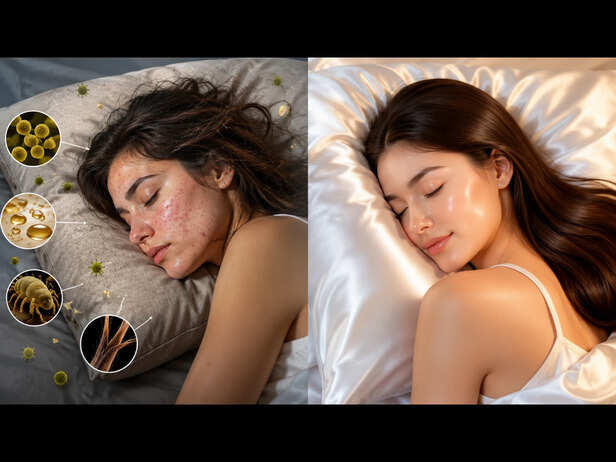
You can invest in expensive serums, luxury shampoos, and elaborate beauty routines, but if your pillowcase is neglected, it could be working against you. Every night, your pillow collects sweat, natural oils, dead skin cells, makeup residue, and even tiny particles from the environment. Over time, this creates a surface that repeatedly comes into contact with your face and hair for six to eight hours. Social media often claims that simply switching to a silk pillowcase can solve acne and frizz overnight. The truth is a little more balanced. Your pillowcase alone will not create or cure skin and hair problems, but it can certainly influence them.
The Hidden Dirt Living in Your Pillowcase
Even if your bed looks spotless, your pillowcase acts like a magnet for debris. Throughout the night, your skin naturally sheds dead cells while producing oil and sweat. Hair products, facial creams, and leftover makeup can also transfer onto the fabric. Add dust and environmental pollutants, and your pillow becomes a surprisingly busy place. When you sleep on the same pillowcase for days or even weeks, this buildup repeatedly touches your skin. For people who are already acne-prone, it may contribute to clogged pores and irritation. Dermatologists often recommend changing pillowcases every two or three days if you have active breakouts, especially if you use heavy skincare or hair products.
Can a Dirty Pillowcase Actually Cause Acne?

The simple answer is no, but it can make existing acne worse. Acne develops because of a combination of excess oil production, clogged pores, hormones, inflammation, and bacteria. A pillowcase is not the root cause of these processes. However, sleeping on a fabric coated with oils, sweat, and product residue can create extra friction and expose your skin to irritants. This may increase the likelihood of pore blockage or aggravate inflamed pimples. People who sleep on their side or stomach often notice breakouts concentrated on the cheek or jawline that rests against the pillow. While genetics and hormones still play the biggest role, pillow hygiene is one factor you can control. Think of it as brushing your teeth. Skipping it once may not cause a cavity, but poor habits over time increase the risk.
Why Cotton May Be Tougher on Hair Than You Think
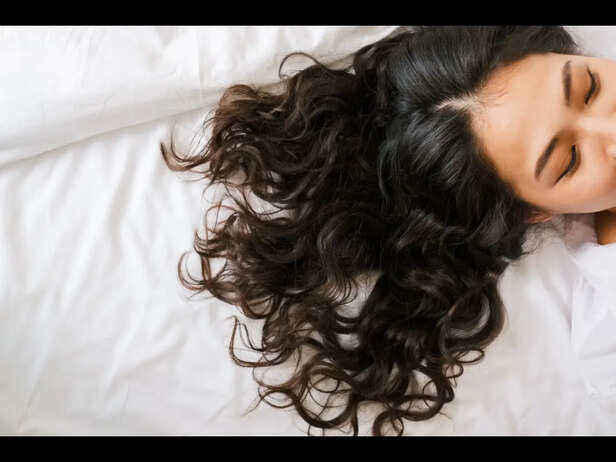
Hair experts frequently talk about friction, and your pillowcase is one place where it happens every night. Traditional cotton fabrics have a rougher texture compared to smoother materials like silk or satin. As you move during sleep, strands rub against the surface, which can lead to tangles, frizz, and even breakage. This effect is often more noticeable in people with curly, textured, chemically treated, or dry hair because these hair types are naturally more delicate. A silk or satin pillowcase allows hair to glide more easily across the surface, reducing mechanical stress. While it will not magically repair damaged hair, it may help preserve hairstyles and reduce morning frizz. That is why many hairstylists recommend silk accessories for people trying to grow their hair longer or maintain healthy curls.
Is Silk Really Worth the Hype?
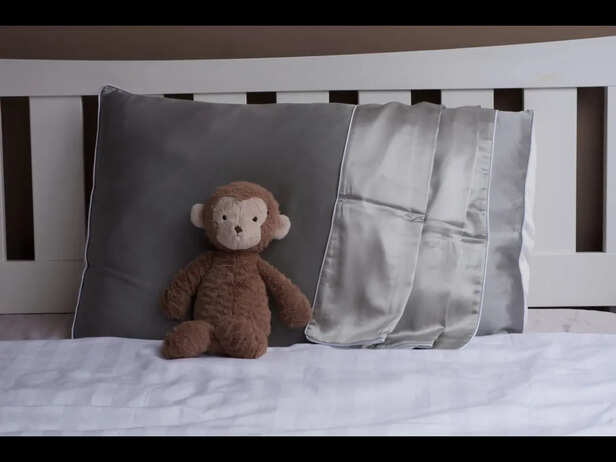
Silk pillowcases have become one of the biggest beauty trends in recent years, but they are not miracle products. Their biggest advantage is reduced friction. The smooth surface is gentler on both hair and skin, which may help minimize sleep lines, hair tangles, and irritation caused by rubbing. Some people also feel that silk absorbs less moisture than cotton, meaning your nighttime skincare products may stay on your skin instead of soaking into the fabric. Still, experts agree that switching to silk alone will not clear acne or completely stop hair damage. A good cleansing routine, proper hydration, balanced nutrition, and consistent hair care remain much more important. If silk feels too expensive, high-quality satin pillowcases can offer similar friction-reducing benefits at a lower cost.
The Best Pillowcase Habits for Better Skin and Hair
The good news is that improving your pillowcase habits is easy and affordable. Wash your pillowcases at least once a week, or every two to three days if you have oily skin or frequent acne. Always remove makeup before bed, and avoid sleeping with wet hair covered in styling products. Choose gentle detergents if you have sensitive skin, as harsh fragrances can also cause irritation. If your hair is prone to breakage or frizz, consider using a silk or satin pillowcase. Pair it with loose protective hairstyles like braids or a soft bun to minimize friction overnight. Finally, remember that your pillow itself should also be cleaned regularly. Fresh pillow protectors and periodic pillow replacement can help reduce the buildup of dust mites and allergens.
A Cleaner Pillow Could Be the Beauty Hack You're Missing
Your pillowcase is not the secret villain behind every breakout or bad hair day, but it does play a bigger role than many people realize. A dirty pillowcase can expose your skin to extra oils and residue, potentially aggravating acne-prone skin. Rough fabrics can create friction that contributes to tangles and hair breakage over time. The solution is refreshingly simple. Wash your pillowcases regularly, avoid sleeping with heavy product buildup, and consider smoother fabrics if hair health is a priority. Sometimes, the smallest habits make the biggest difference. And in the quest for healthier skin and stronger hair, your pillowcase might deserve a little more attention.
Unlock insightful tips and inspiration on personal growth, productivity, and well-being. Stay motivated and updated with the latest atMy Life XP.