
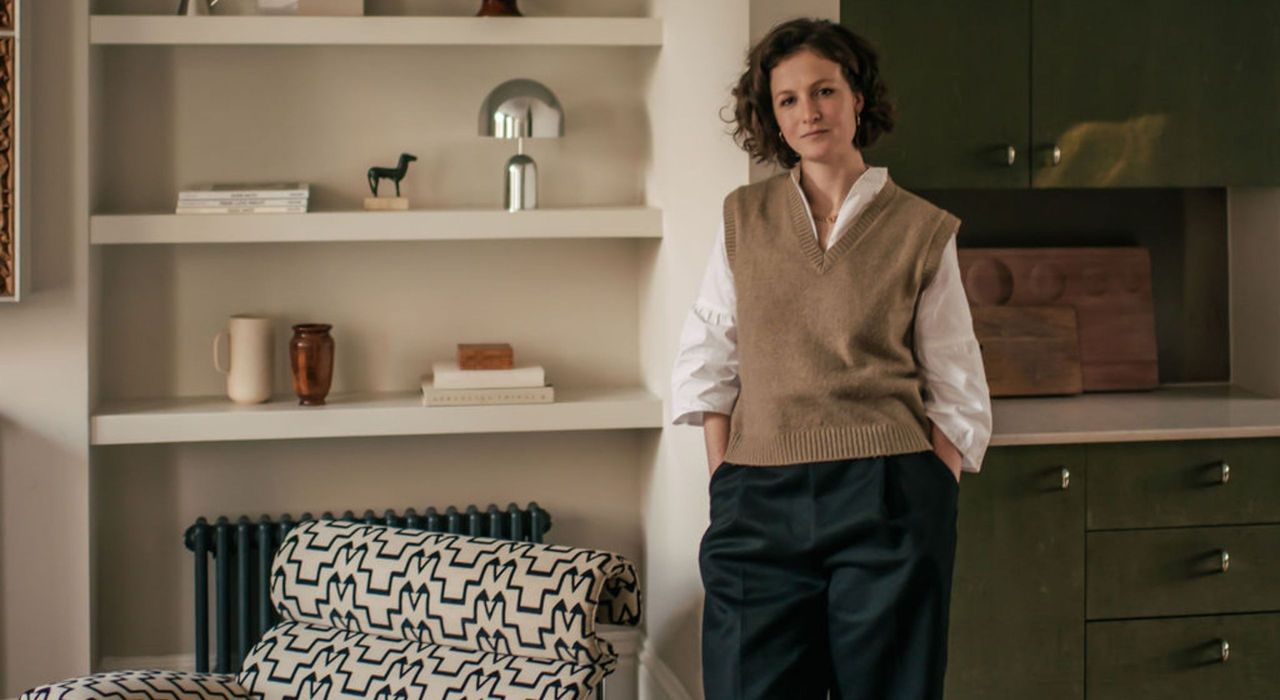
In an increasingly overwhelming world, a design that feels easy on the eyes and peaceful isn't boring — it's necessary. An alumnus of award-winning studios Conran + Partners and Tatjana von Stein, Tabitha Organ launched her own practice, Tabitha Isobel, in London in 2023. Since then, her residential, hospitality, retail, and office interior design projects and furniture collections have been driven by the same conviction: "that a well-designed space always has a positive impact on life and well-being," Organ writes on her website.
Reinterpreting modernist silhouettes through a responsible material research and an earthy palette, the multidisciplinary designer strives to create environments that "stand the test of time" — continuously comforting and uplifting us the longer we interact with them. That's especially true of her recent work on East London's Conductor, a next-generation co-working space where prolonged focus, engagement, and socialization are fostered via tactile, nature-inspired design. Filled with thriving plants and sculpted from clay, stone, and wood surfaces, the two-story urban sanctuary oozes with unusual calm.
To create interiors that feel genuinely connected to the outdoors, though, greenery alone isn't enough, she warns. Below, Organ explains what actually qualifies as biophilic design and how to take the magic of our surroundings inside — because "nature isn't just botanical; it's also about color, texture, and contrast."
Biophilic Design Is Trending — But You'd Like to See a Different Approach to It. Why?
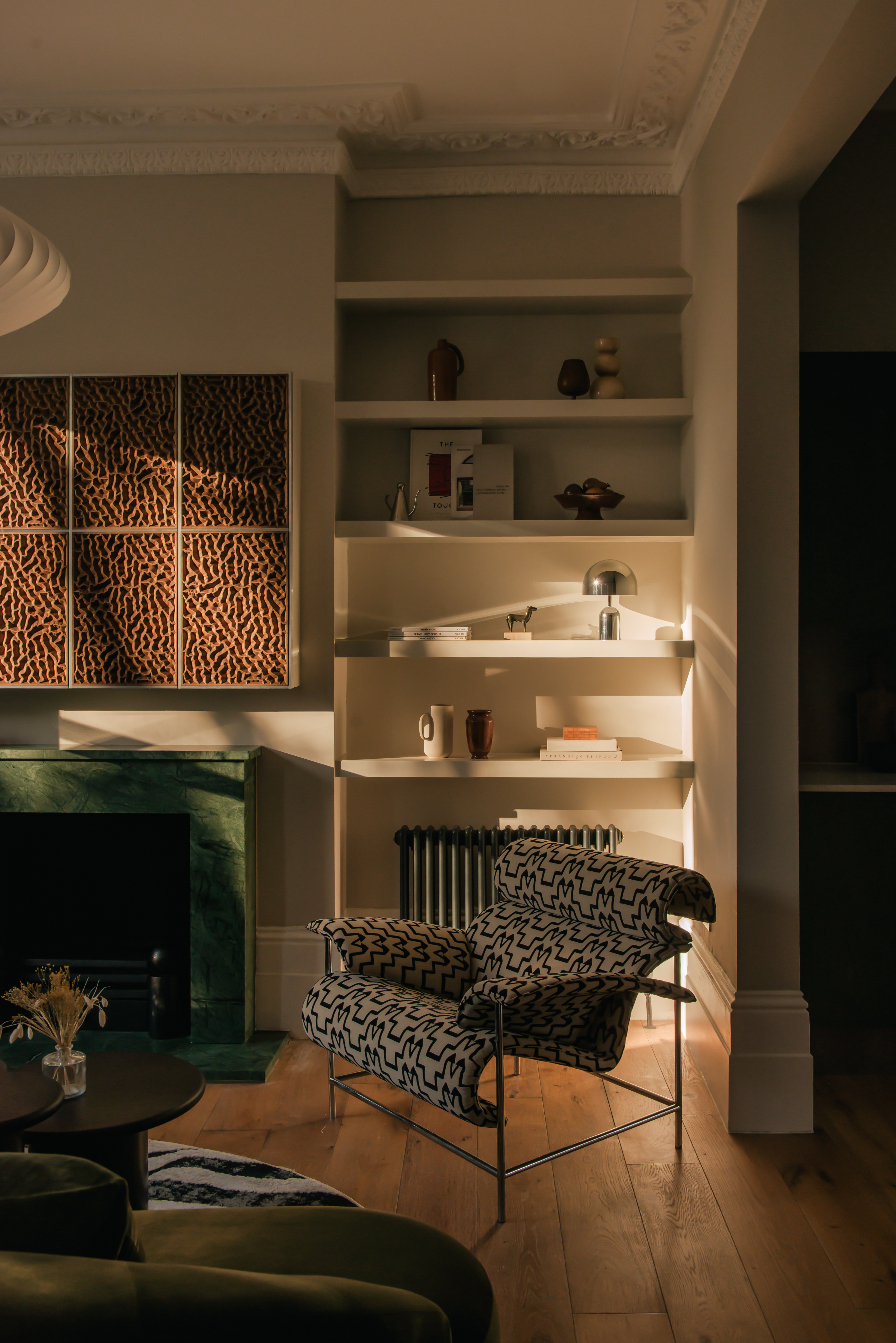
"Biophilic design has become something of a shorthand for filling a room with plants, but at its most considered, it's less about decoration and more about how a space feels. For me, it's about creating interiors that are grounded, tactile, and instinctively calming; spaces that echo the rhythm and materiality of the natural world rather than simply referencing it."
Concretely, How Can Designers and People Interested in It Shift Toward Truly Nature-Connected Interiors?
"One of the most effective ways to approach this is through material. Natural timber, stone, linen, and clay-based finishes all bring a quiet irregularity that you don't get from synthetic surfaces.
"In a recent townhouse project in Islington, we leaned into this idea across the kitchen, dining nook, and living spaces, using a palette of soft greens layered with warm woods and textured fabrics. The result isn't overtly 'themed', but it feels settled and cohesive — there's a softness to the way light moves across the room, and a sense of ease that comes from materials behaving as they would in nature."
What's Another Non-Negotiable Aspect of a Biophilic Interior Scheme?
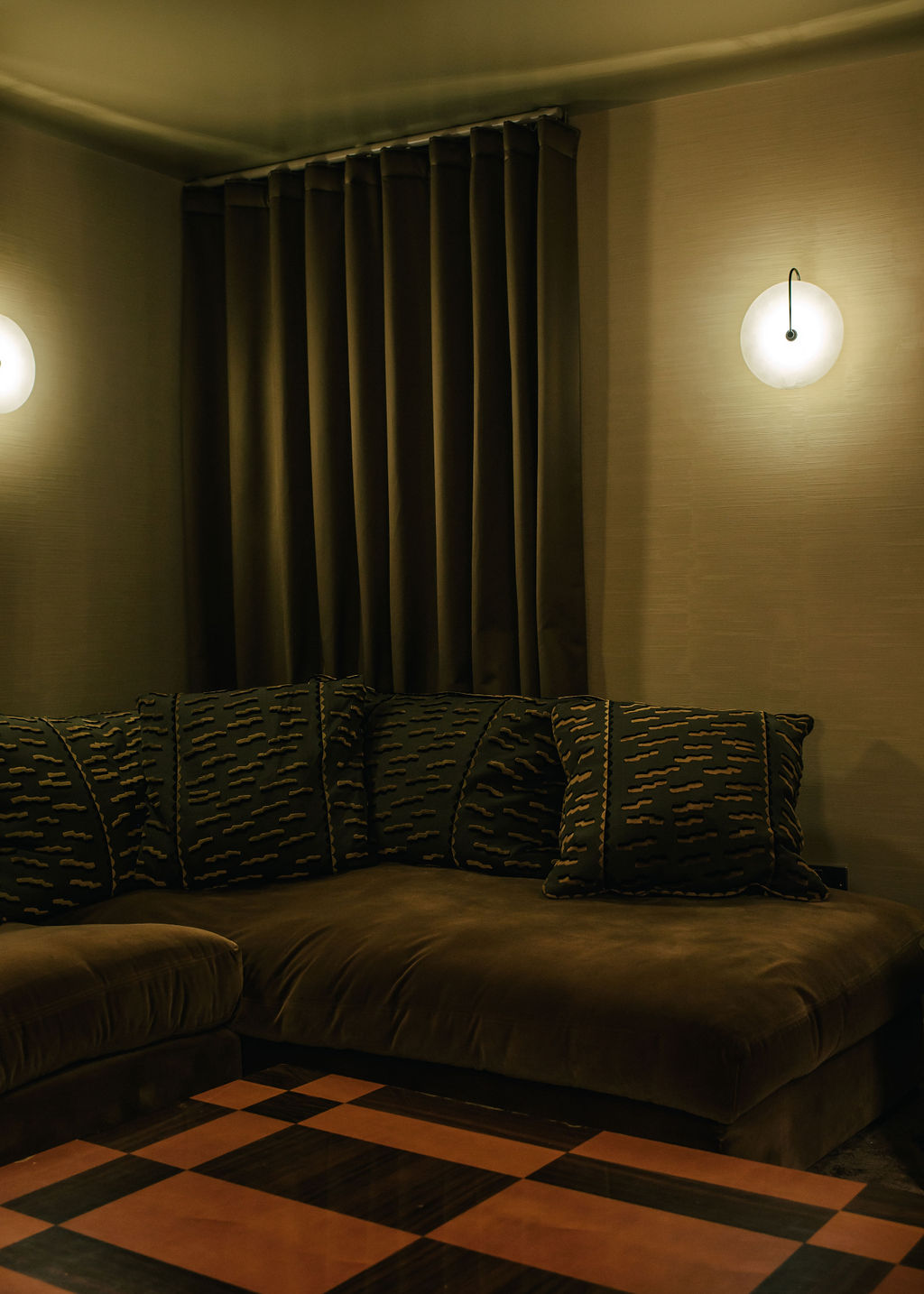
"Color plays an equally important role, but it needs to be handled with nuance. Rather than opting for a single, obvious shade of green, I prefer to build a palette of tonal variation — moss, olive, chalky sage — which creates depth without feeling contrived. These tones work particularly well when paired with natural light, allowing the space to shift subtly throughout the day."
What Are People Getting Wrong About This Design Genre?
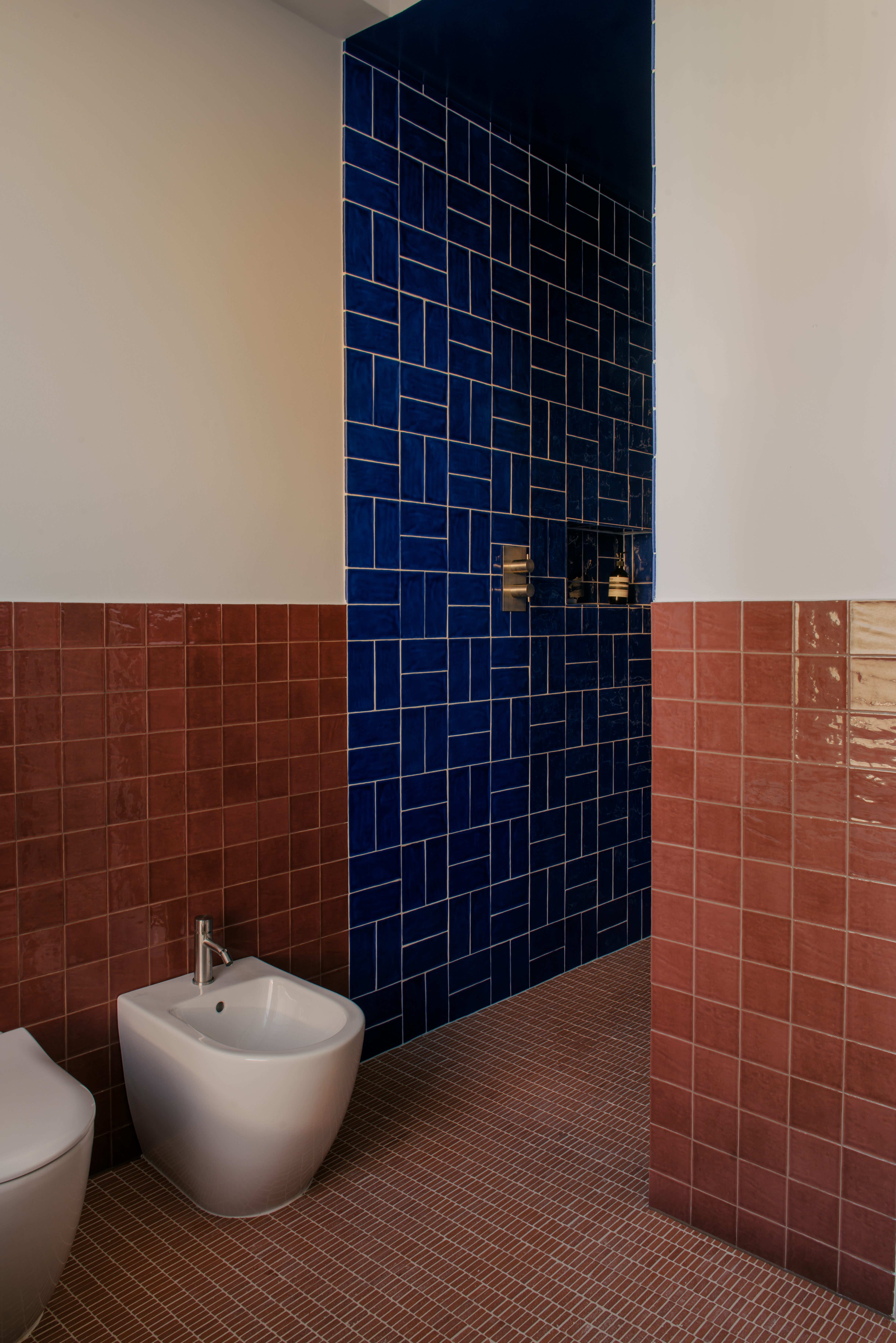
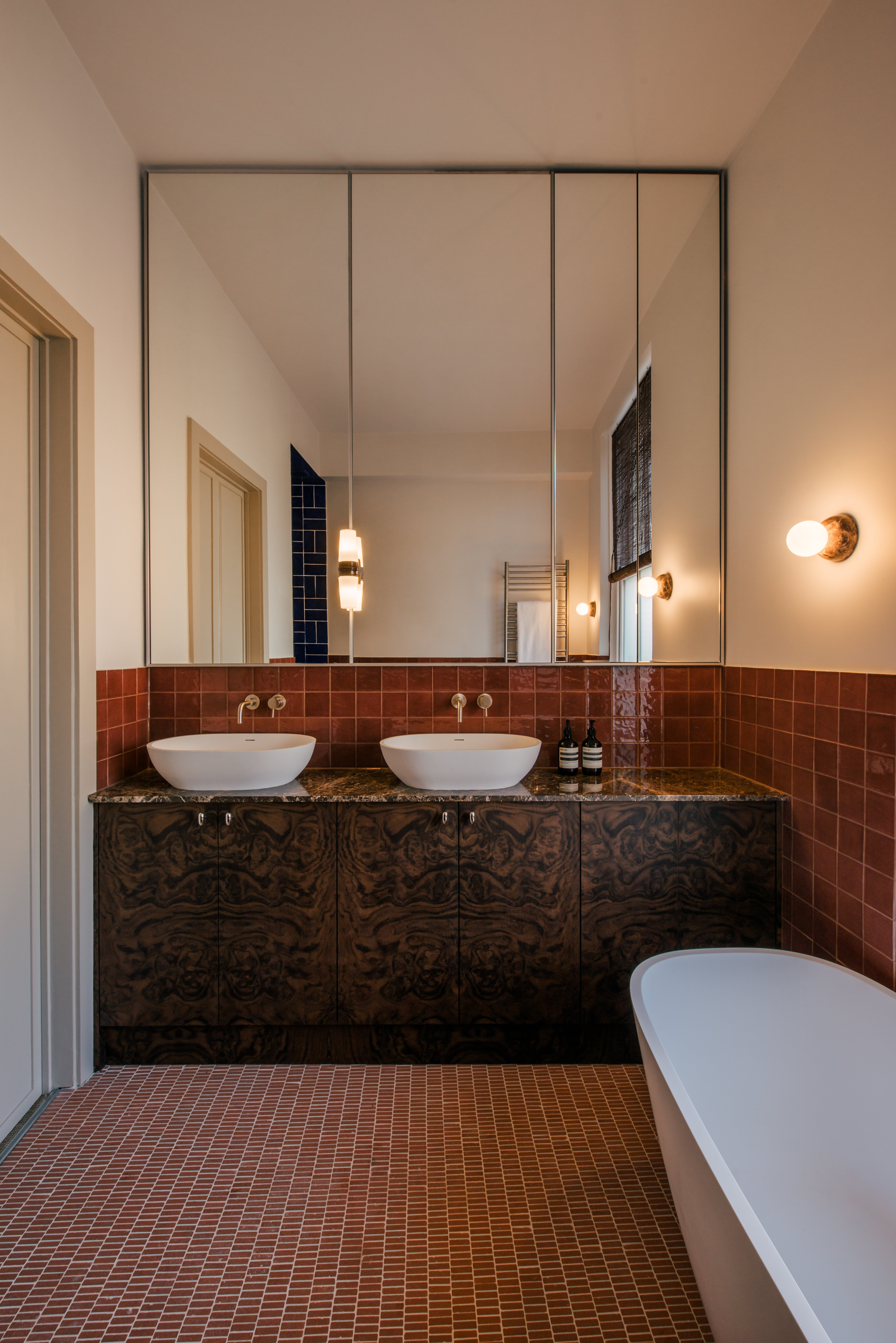
"What's often overlooked is that biophilic design isn't limited to living areas. Bathrooms, for example, offer an opportunity to explore a more atmospheric interpretation. In one scheme, we contrasted deep, inky blue tiles with warm terracotta and richly grained timber joinery.
"While not explicitly 'green', the combination draws on elemental references — water, earth, mineral — creating a space that feels immersive and restorative. It's a reminder that nature isn't just botanical; it's also about color, texture, and contrast.
"There's also a tendency to over-layer in the name of creating warmth, but restraint is key. A well-placed material or a single strong gesture will always feel more intentional than an accumulation of details. Biophilic interiors should feel effortless, not overworked."
What Can Biophilic Interiors Do for Us?
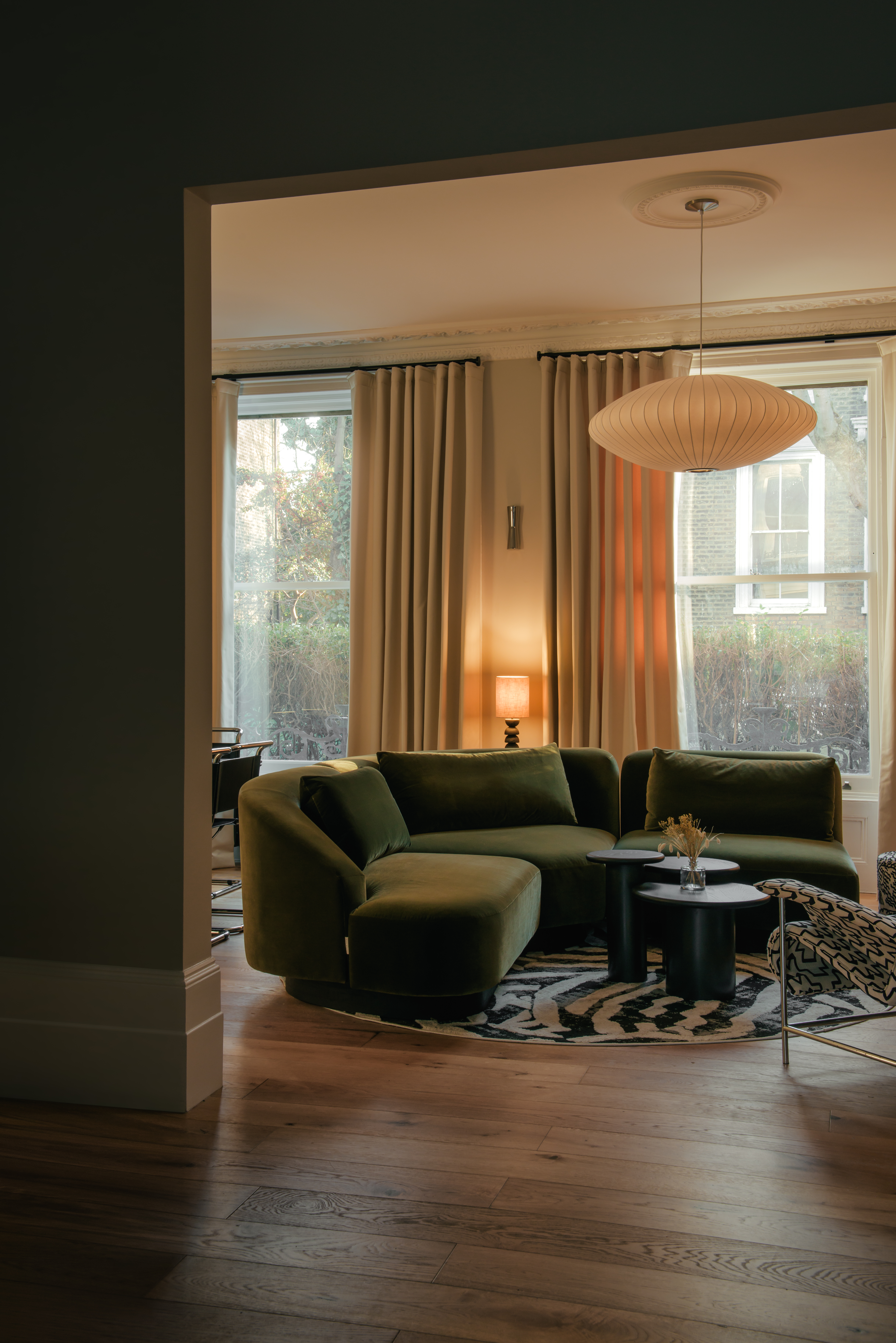
"Ultimately, the goal isn't to recreate the outdoors, but to capture something of its atmosphere; a sense of calm, balance, and connection. When done well, it's almost intangible, but you feel it immediately the moment you walk into a space."
Inspired Homeware Edit
Tabitha Organ's designs capture a growing desire for places that make us feel like we belong, where everyday pressures and chaotic pace finally fizzle out in favor of a more relaxed rhythm. At Selfridges' latest personal shopping venture, private members' club-cum-retail destination 40 Duke, retro-inspired furniture, eye-catching art, and an award-winning hospitality offer convince guests to stay just a little longer.