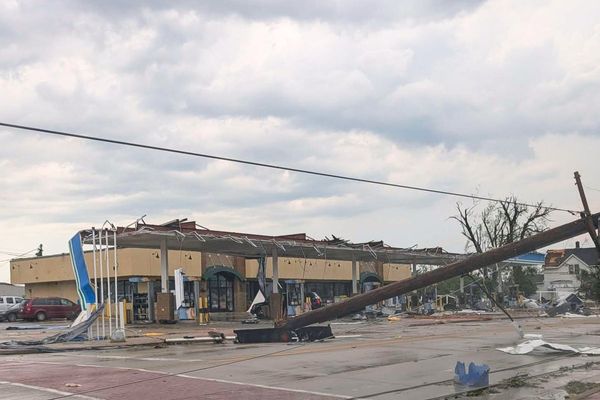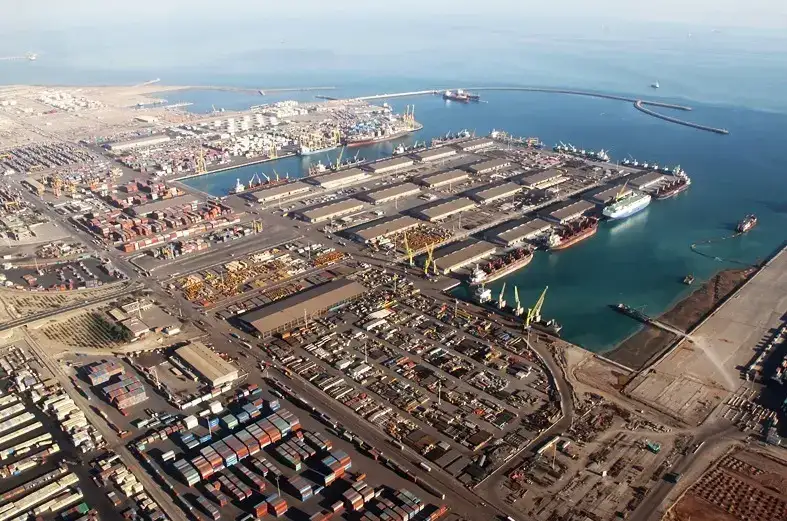
When US forces struck near Bandar Abbas for the second time in under a week on May 28, 2026, the world was reminded of something it tends to forget between crises — this single port city quietly controls the flow of roughly one-fifth of the world's oil supply. Bandar Abbas is not just Iran's largest port. It is the physical nerve center of Tehran's military, economic, and geopolitical power in the Persian Gulf. Understanding why the US keeps targeting it is really understanding why the Strait of Hormuz is the most strategically loaded 33 kilometers of ocean on Earth.
What makes Bandar Abbas so strategically vital?
Bandar Abbas sits on Iran's southern coast, directly on the northern shore of the Strait of Hormuz — the narrow waterway linking the Persian Gulf to the Gulf of Oman and the Arabian Sea. At its tightest point, the strait spans just 21 nautical miles. Through that bottleneck flows approximately 17 to 20 million barrels of oil every single day. The US Energy Information Administration put that figure at roughly 20% of all global petroleum liquids consumed worldwide in 2024.
That geography is everything. Bandar Abbas lies just 60 to 70 kilometers north of the strait's narrowest point. Every tanker, cargo ship, or warship transiting between the Gulf and open ocean passes within visible range of the city's naval installations. For centuries — literally since the Safavid dynasty — whoever held this coastline held leverage over Gulf trade. That hasn't changed.
The port handles close to 50% of Iran's total trade volume , according to analysts at Sleepy Classes. It is Iran's primary deep-water commercial gateway, processing containerized cargo that connects the country to shipping routes stretching from Europe to Southeast Asia. The adjacent Shahid Rajaee Port terminal is Iran's largest container facility, handling the bulk of that import-export flow. More than 90% of Iranian crude oil shipments also transit through Bandar Abbas and the surrounding Gulf infrastructure, making it the single most critical chokepoint for Iranian government revenues.
The military dimension: Where Iran's naval power lives
Bandar Abbas is not merely a commercial hub. It is the headquarters of both Iran's conventional navy and the naval arm of the Islamic Revolutionary Guard Corps (IRGC) . The conventional navy relocated its primary base here from Khorramshahr back in 1977, transforming the city into Iran's main southern naval command. The IRGC navy later moved its own headquarters from Tehran to Bandar Abbas, specifically to tighten operational control over Strait of Hormuz activities.
The base hosts a wide array of military assets — submarines, fast attack boats, anti-ship missile systems, and drone control infrastructure. That last element is particularly relevant today. In the latest US strike on May 28, American forces shot down four Iranian drones and destroyed a ground control station for drone operations near the city. These are not random assets.
The IRGC's fleet of fast attack boats is specifically designed for "swarm" tactics against large naval vessels — a doctrine built around the geographic conditions that Bandar Abbas makes possible. In recent weeks, these vessels were deployed against commercial ships that had not received Iranian clearance to transit the strait, including the Panama-flagged MSC Francesca and the Liberian-flagged Epaminondas.
Put simply, Bandar Abbas is where Iran keeps the tools it needs to make good on its most powerful threat: closing the Strait of Hormuz.
Bandar Abbas in history: A port with deep strategic roots
The city's modern name itself tells the story of its strategic value. During the Portuguese occupation of the 16th century, the site was known as Gamrūn. In 1614, Shah Abbas I of the Safavid dynasty expelled the Portuguese from nearby Hormuz Island and redirected Gulf trade to the mainland settlement, renaming it Bandar Abbas — "Port of Abbas." Control of the Strait of Hormuz was the prize then, just as it is now.
Through the Qajar period, the city remained a modest regional port. Pahlavi-era investment in the 20th century transformed it into Iran's principal deep-water gateway. After the 1979 Islamic Revolution, it became the main headquarters of the new Islamic Republic's navy and the country's primary naval base on the strait.
What the US Strikes are really trying to achieve
Samir Puri, a visiting lecturer in war studies at King's College London, told Al Jazeera the recent attacks should be understood as "tit-for-tat military-to-military engagements rather than attacks on infrastructure or widespread destruction en masse." The ceasefire between Washington and Tehran, in place since April 8, has not formally collapsed — but it is being tested deliberately.
"What the US military is attempting to do is explore whether it can physically deny the IRGC and Iran the ability to control the Strait of Hormuz," Puri explained. This is a calculated pressure campaign. Each strike near Bandar Abbas signals to Iranian negotiators that the US can threaten Iran's most valuable military and economic asset — without fully detonating the situation.
FAQs:
Q1. Why is Bandar Abbas port strategically important for Iran and global trade?Bandar Abbas port holds critical value because it sits near the Strait of Hormuz, one of the world’s busiest energy corridors. Nearly one-fifth of global oil passes through this nearby waterway, making the port essential for global supply stability. For Iran, it acts as both a military control point and an economic lifeline supporting trade and sanctions resilience.
Q2. How does Bandar Abbas port influence US-Iran tensions in the Gulf region?
The port increases tensions because it gives Iran leverage over shipping routes that global markets depend on daily. Any military activity near Bandar Abbas signals potential disruption in oil flow, raising global energy and security concerns. This makes it a recurring flashpoint where military pressure and diplomatic negotiations between the US and Iran intersect.