The Dietary Guidelines for Indians by ICMR-NIN are a cornerstone for public health in India, offering evidence-based advice to combat malnutrition and promote overall wellness. Among these, Guideline 8 focuses on obtaining high-quality proteins and essential amino acids (EAAs) through food combinations while discouraging reliance on protein supplements for building muscle mass.
While fundamentally sound, there are areas where this guideline could benefit from more detailed explanations to enhance its practicality and reduce misinterpretations. Here's a breakdown:
What could be improved in the guideline?
1. Clarify “High Protein Intake”
The guideline warns against excessive protein consumption but does not define what constitutes "high" intake. This lack of specificity may confuse readers. For example: High protein intake could mean >2.2 g/kg body weight/day over prolonged periods
By clarifying what "high protein" means, the guideline can better educate the public on appropriate protein levels for different demographics, such as sedentary individuals, athletes, or those recovering from illness.
2. Contextualize the role of supplements
The blanket discouragement of protein supplements in the guideline might lead to the perception that they are harmful in all contexts, which is not entirely accurate. While the general population should prioritize natural food sources, supplements can serve as a practical aid in specific situations:
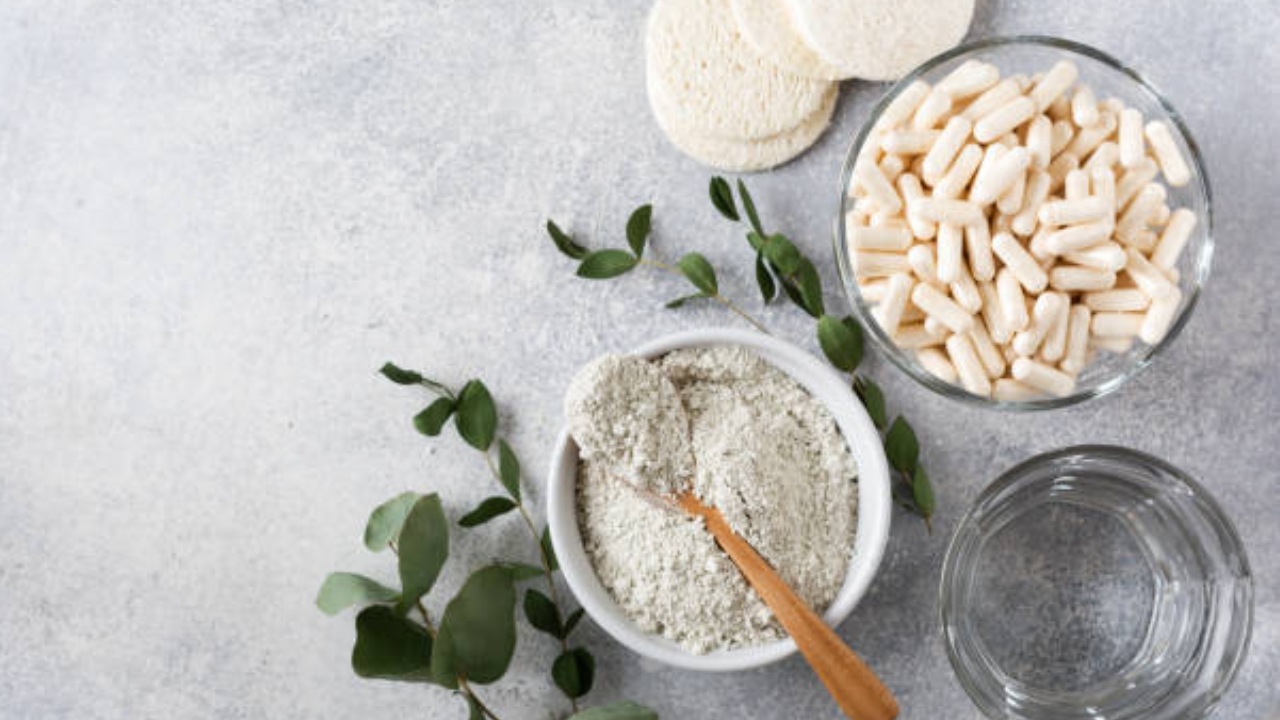
For athletes: Individuals with high physical demands such as long-distance running, triathlons, or CrossFit, may benefit from supplements to meet elevated protein needs quickly and efficiently.For clinical cases: People recovering from surgery, managing chronic illnesses, experiencing malnutrition or malabsorption disorders (like Crohn's disease, celiac disease, or irritable bowel syndrome) might require supplements as prescribed by healthcare providers.For elderly: As people age, their muscle mass naturally declines (a condition known as sarcopenia), leading to a higher protein requirement. Protein supplements can help older adults maintain muscle mass and strength, reducing the risk of falls and fractures.For pregnant and breastfeeding women: Protein is crucial for fetal growth and lactation. Protein supplements, under the guidance of a healthcare provider, can help pregnant or breastfeeding women meet their increased protein needs, particularly if their diet does not provide enough protein-rich foods.For muscle building: Protein is crucial for muscle synthesis, making protein supplements particularly valuable for those engaged in physical activity. Whey protein, a popular supplement, is rich in branched-chain amino acids (BCAAs) that stimulate muscle protein synthesis. For weight management: Protein helps by increasing satiety while reducing overall calorie intake. Protein supplements further supports by maintaining muscle mass during this fat loss.
By contextualizing supplements as occasional aids, the guideline can prevent misuse while acknowledging their value in closing dietary gaps for certain populations. Further, it can help meet the daily protein requirement of general population who is always on the go.
3. Address diversity in protein-rich foods
India’s dietary patterns are highly diverse and influenced by regional, cultural, and economic factors. The guidelines could include:
Culturally relevant examples: For instance, suggesting idli-sambar (South India), dal-roti (North India), fermented soyabean akhoni, hawaijar (North-East India) or fish-curry-rice (coastal regions) as protein-rich combinations.Affordable protein options: Highlighting economical and accessible sources like legumes, peanuts, or fortified foods for low-income groups.Protein supplements for enhanced absorption of EAAs: Supplements such as whey protein provide all essential amino acids in a highly bioavailable form, supporting muscle synthesis and overall health more efficiently than some whole food sources.By providing a wider range of examples, the guideline can be more inclusive and actionable for India’s heterogeneous population.
Guideline 8 supports a “food-first” approach, emphasizing the importance of natural, balanced diets over-reliance on supplements. This perspective is crucial for India, where:
Protein deficiency remains a significant concern.Affordability and accessibility of protein sources vary widely.Non-communicable diseases (NCDs), such as diabetes and obesity, are on the rise, necessitating a balanced approach to nutrition.However, protein supplements, when used responsibly, can complement dietary efforts in specific scenarios and meeting daily protein requirement as per Recommended Dietary Allowance (RDA), and this should be acknowledged to prevent misunderstandings. The guideline ultimately seeks to foster a healthier relationship with food, ensuring that individuals prioritize sustainable and nutrient-dense eating habits over convenience-driven solutions like supplements.
To maximize impact, the guideline must educate the public about balanced diets, high-quality protein sources, and the responsible use of supplements. By addressing the areas of improvement—defining “high protein intake,” contextualizing supplements, and catering to India's dietary diversity—the guideline can empower individuals to make informed, practical, and health-promoting choices.
Dr. Vivek Srivastav MD, PhD