Skipping Carbohydrates Before Training
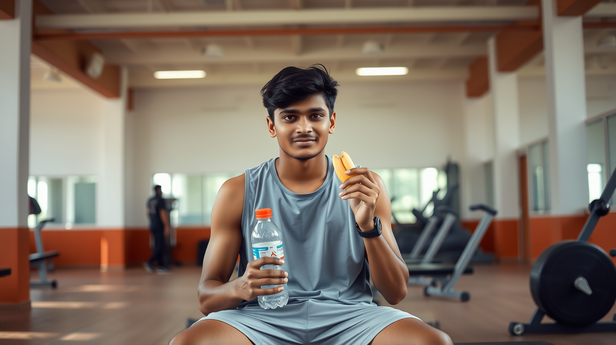
The most common mistake Indian amateur athletes make is treating carbohydrates as the enemy. A 2018 study published in the Journal of the International Society of Sports Nutrition confirmed that muscle glycogen depletion directly impairs endurance performance, and yet many athletes show up to morning runs or evening football sessions having eaten nothing since lunch, or worse, having deliberately cut rice and roti in the name of weight management. Carbohydrates are the primary fuel for high-intensity effort. Without them, the body catabolises muscle tissue for energy. Eating a small carbohydrate-rich meal, a banana, a bowl of poha, two rotis with dal, 60 to 90 minutes before training is not indulgence. It is basic sports physiology.
Underestimating Protein Needs
Most amateur athletes in India consume protein at levels appropriate for a sedentary adult, not a person training four to six days a week. The recommended intake for recreational athletes is 1.4 to 1.7 grams of protein per kilogram of body weight per day, according to the American College of Sports Medicine. A 70-kilogram runner, for example, needs between 98 and 119 grams daily. The typical Indian vegetarian diet, dal, sabzi, two rotis, delivers roughly 40 to 50 grams. The gap is not filled by a single scoop of whey post-workout. It requires deliberate meal construction: paneer, Greek yoghurt, sprouted legumes, eggs, or plant-based protein supplements distributed across three to four meals. Recovery stalls when protein intake stalls. The muscle soreness that athletes attribute to overtraining is often under-eating.
Ignoring Hydration and Electrolytes
India's heat and humidity make sweat losses during training significantly higher than what most athletes account for. Hydration is not just about water. Sweat carries sodium, potassium, and magnesium, electrolytes that regulate muscle contraction and nerve signalling. Athletes who drink plain water after a two-hour session in Chennai or Pune in summer are replacing volume without replacing function. Cramping, early fatigue, and post-session headaches are the predictable result. Oral rehydration salts, coconut water with a pinch of rock salt, or electrolyte tablets are practical fixes. The error is treating hydration as an afterthought rather than as part of the training plan itself.
Relying on Supplements Before Fixing the Diet
The Indian sports supplements market has grown sharply, and with it a belief among amateur athletes that protein powders, pre-workouts, and BCAAs can compensate for a diet that has no structure. They cannot. Supplements are exactly what the name says, additions to an already adequate nutritional base, not replacements for one. A pre-workout taken on an empty stomach does not substitute for the carbohydrates that should have been eaten an hour before. Creatine, one of the few supplements with consistent evidence behind it, still requires adequate total calorie intake to produce results. Before spending on supplements, athletes should audit whether they are meeting basic protein, carbohydrate, and fat targets through food. Most are not.
Poor Timing Around Recovery
The 30-to-60-minute window after training is when muscle protein synthesis is most responsive to nutrition. Indian athletes frequently miss this window entirely, finishing a session, showering, and then eating a full meal 90 minutes later while the recovery window closes. A post-training snack does not need to be elaborate: 20 to 25 grams of protein paired with fast-digesting carbohydrates, a glass of milk with a banana, curd rice, or a whey shake with fruit, initiates muscle repair before the delay compounds. Chronic neglect of recovery nutrition is why many amateur athletes plateau despite consistent training loads.
Copying Elite Athlete Diets Without Context
Amateur athletes frequently adopt dietary strategies from professional playbooks, extreme calorie restriction before competition, carbohydrate loading protocols designed for marathon runners, or ketogenic diets pulled from international fitness content, without accounting for their own training volume, body composition, or the demands of the Indian food environment. A recreational cricketer training three days a week does not have the energy expenditure to justify a 4,000-calorie loading protocol. Context matters. Nutrition strategies are tools calibrated to specific outputs. Applying elite protocols to amateur training loads produces confusion, not performance gains.
Neglecting Iron and Vitamin D
Two micronutrient deficiencies show up disproportionately in Indian athletes and go almost entirely unaddressed. Iron deficiency, even without clinical anaemia, reduces oxygen-carrying capacity and tanks endurance. A 2020 study in the Indian Journal of Medical Research found iron deficiency prevalent in over 50 percent of young Indian women, a figure that extends into female athletes who are rarely screened. Vitamin D deficiency, paradoxically common in a sun-rich country because of indoor training schedules and clothing norms, impairs muscle function and increases injury risk. Neither deficiency shows up dramatically. Both erode performance gradually, across months, in ways athletes attribute to fitness plateaus or poor sleep rather than nutrition gaps that a blood panel would catch in an afternoon.
The pattern across all seven mistakes is the same: athletes invest heavily in training hours and almost nothing in understanding what those hours require from the body. The gap between consistent effort and consistent improvement is rarely a fitness problem. It is a nutrition problem wearing a fitness problem's face.