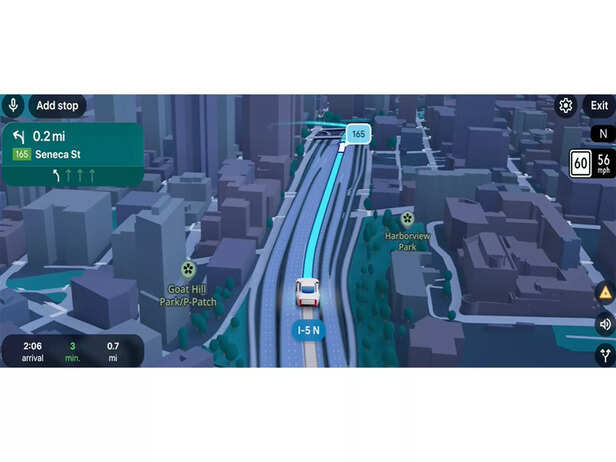
Imagine opening Google Maps and having a real conversation with it instead of typing endless searches. Imagine your navigation app understanding exactly what you need, recommending places based on your preferences, and even guiding you to the correct entrance of a building. That future is no longer coming it's already here. Google has launched one of the biggest Google Maps updates in years, powered by Gemini AI. These new features promise to transform the way we search, travel, drive, and explore. But the most surprising part? Most people still have no idea what Google Maps can now do.
Maps That Understand Real Questions
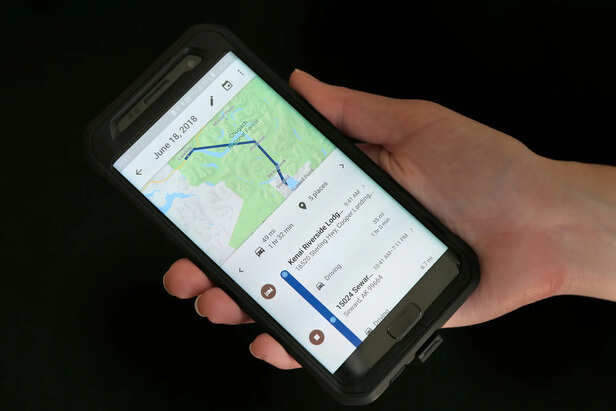
, file photo, a mobile phone displays a user's travels using Google Maps in New York. (AP Photo/Seth Wenig, File)
For years, users had to search using simple keywords and filters. Now, Google's new Ask Maps feature changes everything. Instead of searching for a coffee shop or charging station separately, users can ask detailed questions in natural language. The AI understands context and delivers personalized answers based on nearby locations. It feels less like using a map and more like speaking to a knowledgeable local guide. This conversational approach saves time and removes much of the frustration that comes with traditional searches.
Recommendations Built Around You

The app now learns what matters to you.FILE - A woman walks by a giant screen with a logo at an event at the Paris Google Lab on the sidelines of the AI Action Summit in Paris,
Not everyone looks for the same restaurant, hotel, or attraction. That's why Google Maps now uses AI to provide recommendations tailored to individual preferences. The system considers past searches, saved locations, and personal interests when suggesting places. Whether someone prefers vegan dining, family-friendly venues, or quiet cafes, Maps can now offer more relevant suggestions. This personalized experience transforms discovery from a generic search process into something that feels unique and highly useful.
A New Way to See the Road
One of the most visually impressive upgrades is Immersive Navigation. Drivers can now view detailed representations of buildings, roads, intersections, and surrounding landmarks. Traffic lights, lane markings, stop signs, and crosswalks become easier to identify before reaching them. This added visual clarity helps reduce confusion during unfamiliar journeys. Instead of guessing what lies ahead, drivers receive a realistic preview of the road environment, making navigation more intuitive and less stressful.
Directions That Sound Human
Traditional navigation instructions can sometimes feel robotic or unclear. Google's latest update changes that by making voice guidance more conversational. Rather than giving rigid commands, Maps explains routes in a way that sounds closer to how a friend would guide you. It can also explain route alternatives and highlight the advantages of different options. This helps drivers make informed decisions while staying focused on the road. The result is a navigation experience that feels more natural and easier to follow.
No More Parking Guesswork
Many journeys become frustrating during the last few minutes when finding the correct entrance or parking spot becomes difficult. Google's new destination assistance tackles this problem directly. Before arrival, users can preview locations through Street View imagery and discover nearby parking options. As they approach their destination, Maps highlights the correct entrance and indicates which side of the street they need. These small details can save time and reduce stress, especially in crowded urban areas.
Why This Update Feels Different
Most software updates add features. This one changes how people interact with maps altogether. Google Maps is no longer simply providing directions from one location to another. It is becoming an intelligent assistant capable of understanding needs, predicting preferences, and helping users make better decisions. By combining real-world data with Gemini AI, Google is creating a navigation experience that feels smarter, more personal, and more helpful than ever before.
The Future of Travel Starts Here
The way people travel is changing rapidly. Instead of spending time comparing reviews, searching multiple apps, or struggling with unfamiliar roads, users can now rely on AI-powered guidance from start to finish. As these features continue to expand globally, Google Maps may become one of the most powerful everyday AI tools available. What seems impressive today could soon become the new standard for navigation worldwide.
Unlock insightful tips and inspiration on personal growth, productivity, and well-being. Stay motivated and updated with the latest at My Life XP.
Frequently Asked Questions (FAQs)
1. What is the new Google Maps AI update?Google has introduced a major AI-powered upgrade to Google Maps using its Gemini AI models. The update includes conversational search, personalized recommendations, immersive 3D navigation, smarter voice guidance, and improved destination assistance.
2. What is "Ask Maps"?
Ask Maps is a new feature that allows users to have natural conversations with Google Maps. Instead of typing simple keywords, users can ask detailed questions and receive personalized recommendations along with relevant locations on the map.
3. How does Ask Maps work?
Ask Maps combines Gemini AI with Google Maps' location database, reviews, and real-time information to understand user queries and provide context-aware answers.
4. Can Ask Maps recommend places based on my preferences?
Yes. The feature can use your saved places, previous searches, and personal preferences to suggest restaurants, attractions, services, and other locations that match your interests.
5. Is Ask Maps available in India?
Yes. Google has started rolling out Ask Maps in both the United States and India on Android and iOS devices