
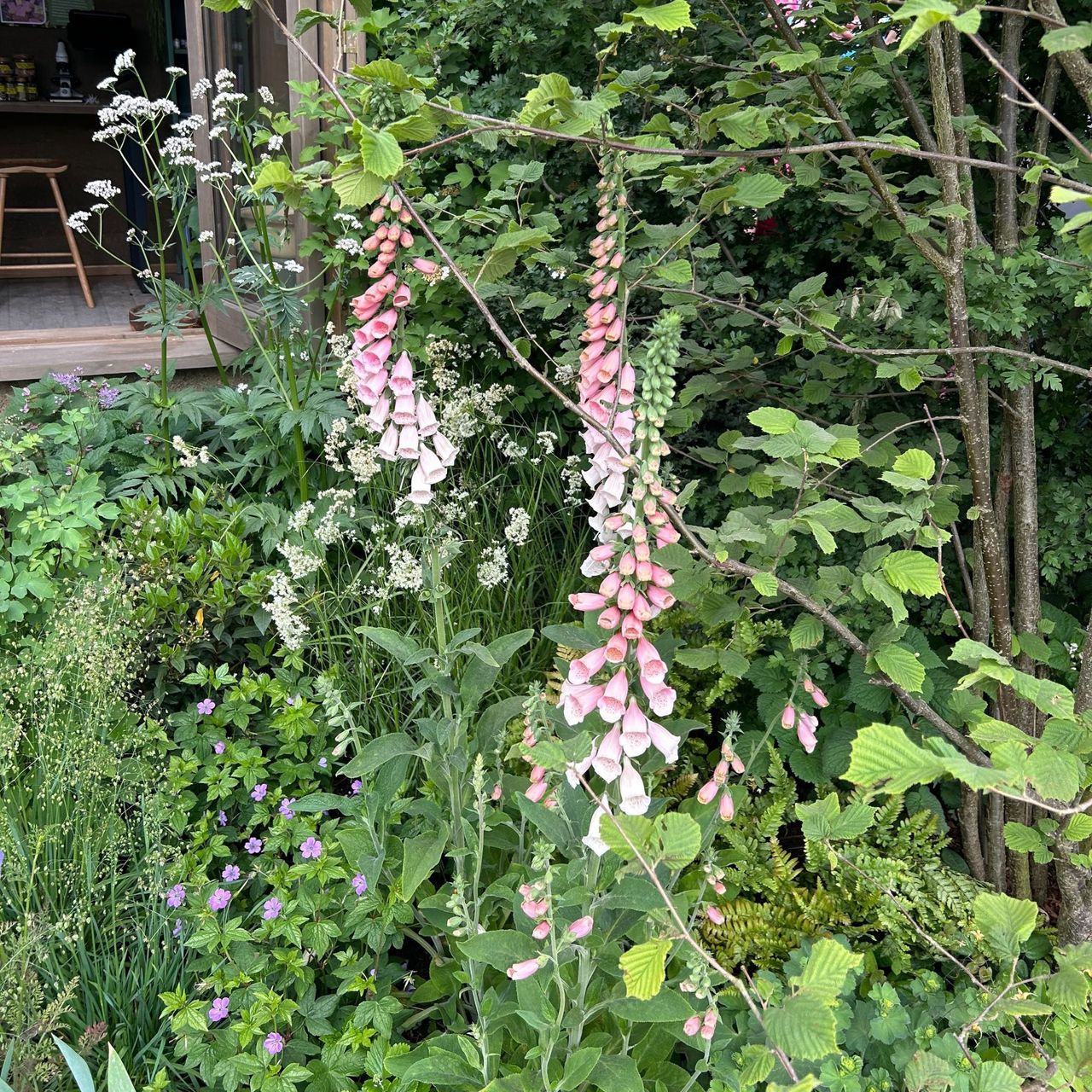
If you're keen to transform your garden into a sanctuary for birds, insects, amphibians and hedgehogs, you'll need a few wildlife garden ideas up your sleeve.
Whether you've got a small garden or a larger space, some thoughtful planning and a few clever upcycling tricks could leave your garden teaming with wildlife. It doesn't matter if you have an urban garden, either – you can still create a space that attracts pollinators, small mammals and more.
From planting tricks to feeding station ideas, these wildlife garden ideas will invite more nature to your doorstep than ever before.
1. Plant for pollinators
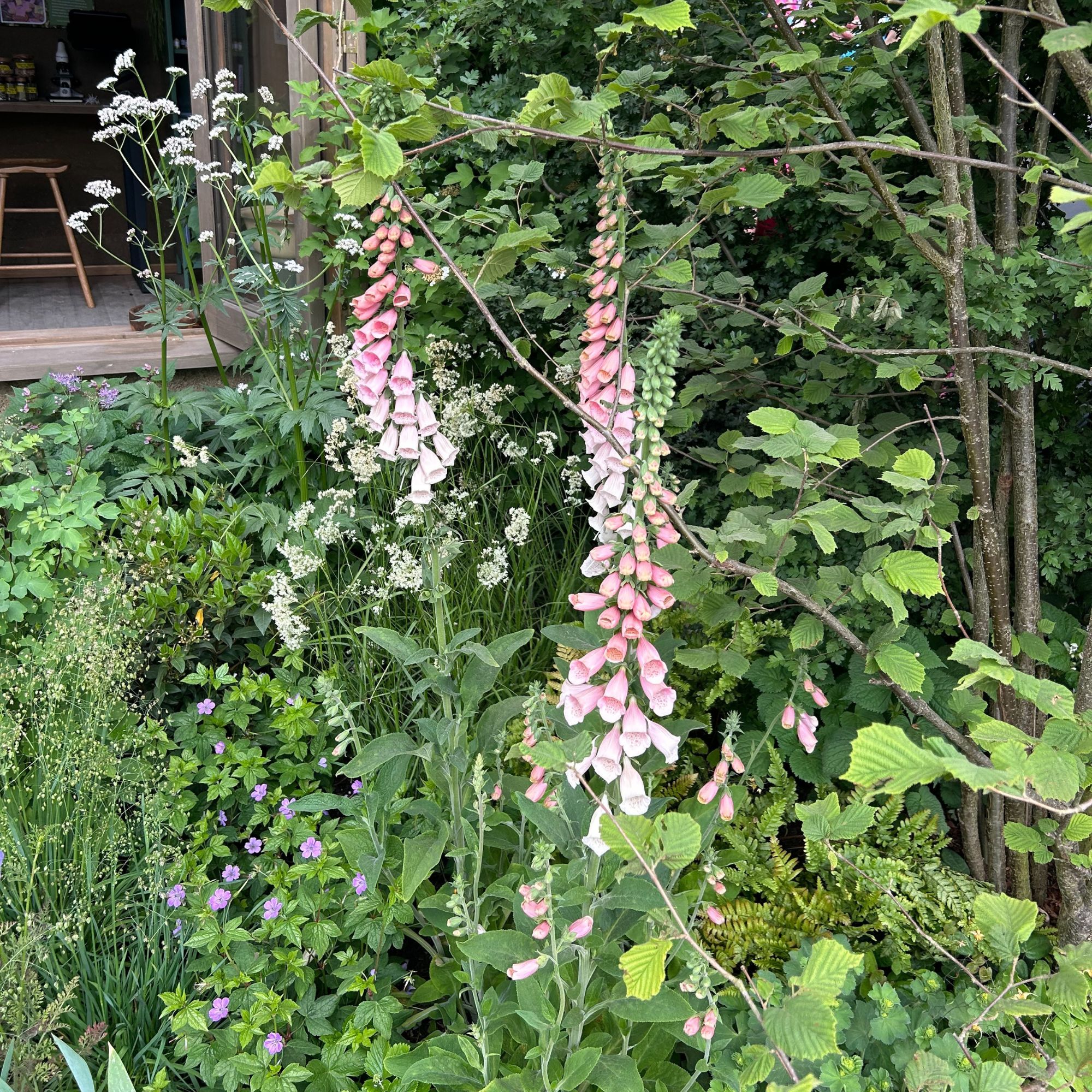
Nature’s prize pollinators will make a beeline for your garden if you plant a pretty mix of flowers – alliums, lavender, catmint and foxgloves are all fantastic plants for bees – and cultivate a fragrant herb garden with rosemary, sage, mint and chives.
You can get your garden buzzing by packing in as many pollinator-friendly flowers as possible, such as marigolds and geraniums. Avoid plants with double or multi-petalled flowers, as they're more difficult for insects to access and may provide less nectar than open-centred flowers like single dahlias. Dahlia 'Rhubarb and Custard' from Crocus, for example, is perfect for pollinators (and beautiful, too!).
2. Create a pond
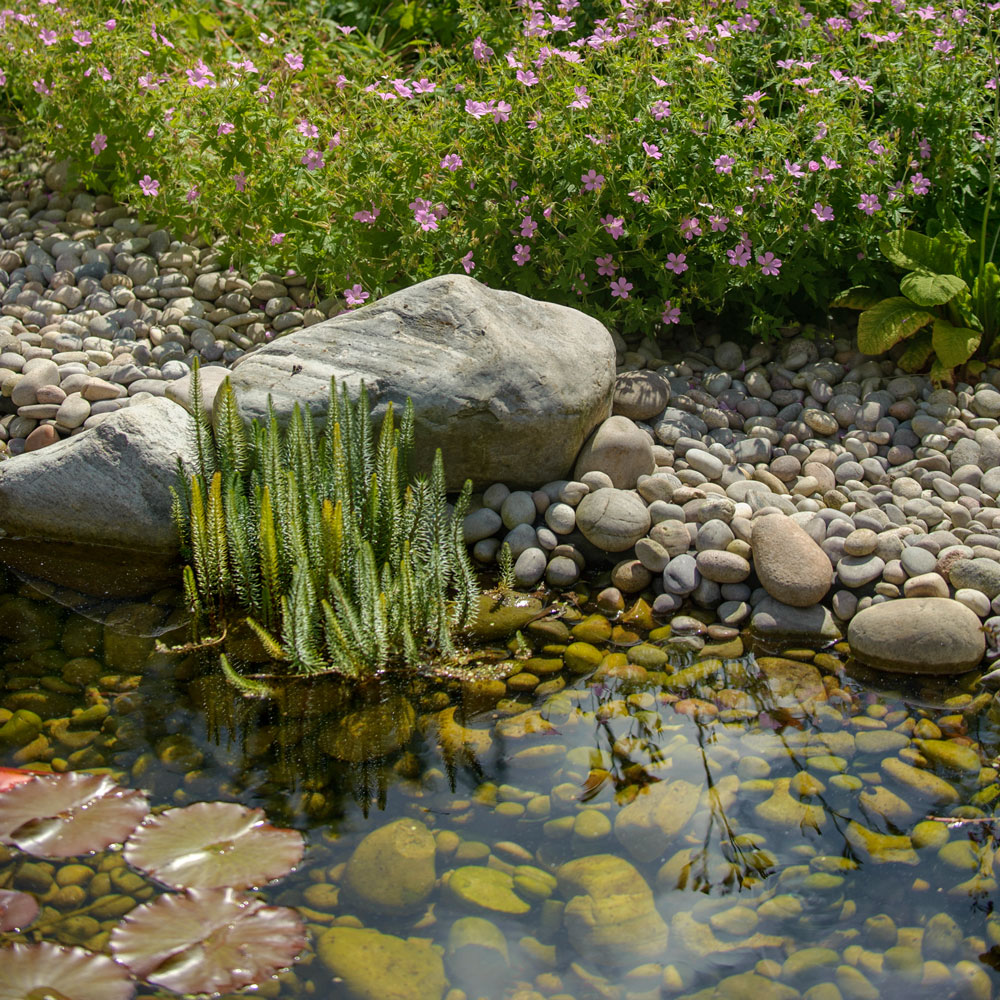
A garden pond, or even just a container of water (you could build a mini pond using a bucket, for example), will attract amphibians such as frogs and newts to your garden.
It's a fantastic wildlife garden idea if your garden is overwhelmed with slugs and snails, because hungry frogs and toads are fantastic at keeping populations down. In fact, installing a garden pond is one of the best ways to keep slugs at bay naturally.
Just make sure that you keep the pond clean and control algae – you can do this without harmful chemicals with barley straw pond cleaners like these barley straw nets from Amazon. Give it a sloping edge so animals can access and climb out of the water easily, too (we love the layered rock effect in the pond in the image above).
3. Serve up a year-round feast for feathered friends
If you know what to feed birds and when, you'll be able to provide a steady source of energy for them throughout the year. Knowing what to feed birds in winter, for example, will help feathered visitors survive the colder months, while Monty Don says feeding birds during the nesting season is just as crucial.
During the spring and summer, when birds are feeding their young, put out foods that are high in protein, such as sunflower seeds, raisins and sultanas. You can buy RSPB sunflower hearts from £7.99 at Amazon.
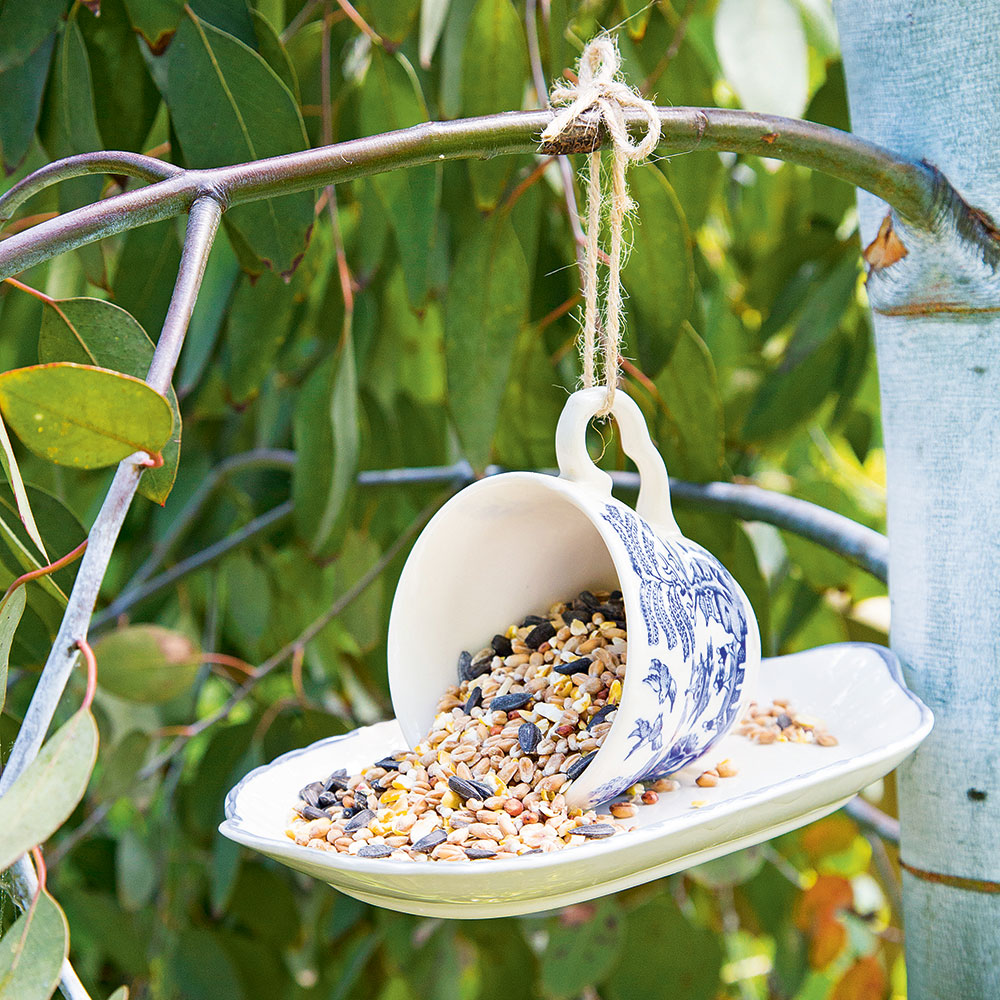
If you have cats in the household, ensure the bird feeders are placed out of immediate danger, because birds won't settle if they feel threatened. You can even buy affordable squirrel-proof bird feeders, like this £10.99 squirrel-proof bird feeder from The Range, or upcycle a teacup like the feeder in the image above.
4. Build a frog house
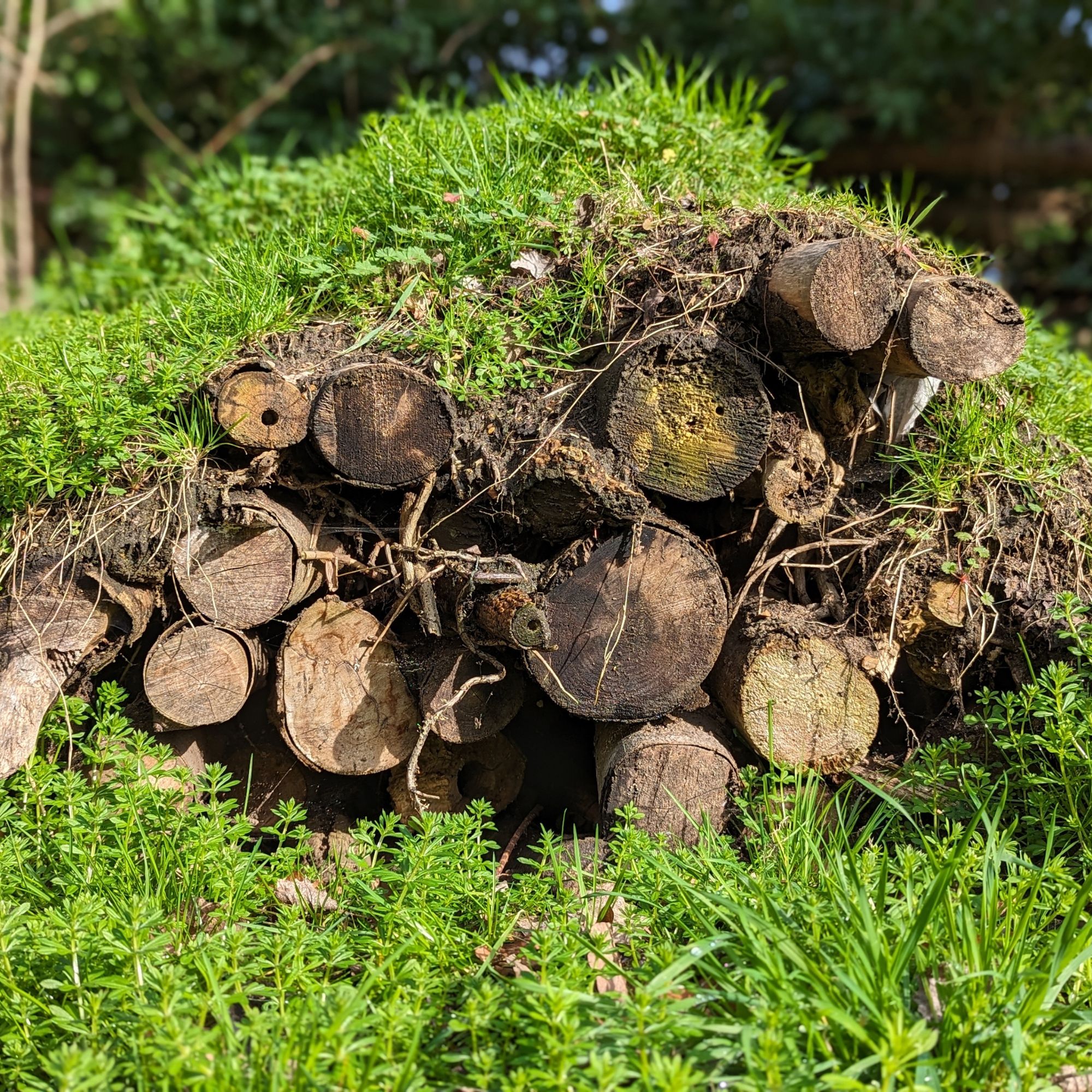
Another brilliant way to provide amphibians with a garden sanctuary is to provide them with a home – and building a frog house is a much easier wildlife garden idea than it sounds.
You could make it really natural and sow grass seed on the soil above a pile of logs, like the hibernaculum in the image above, to camouflage the house with the rest of the garden. Or, you could buy a prfrog house, like this frog shelter from B&Q.
5. Let your garden grow wild
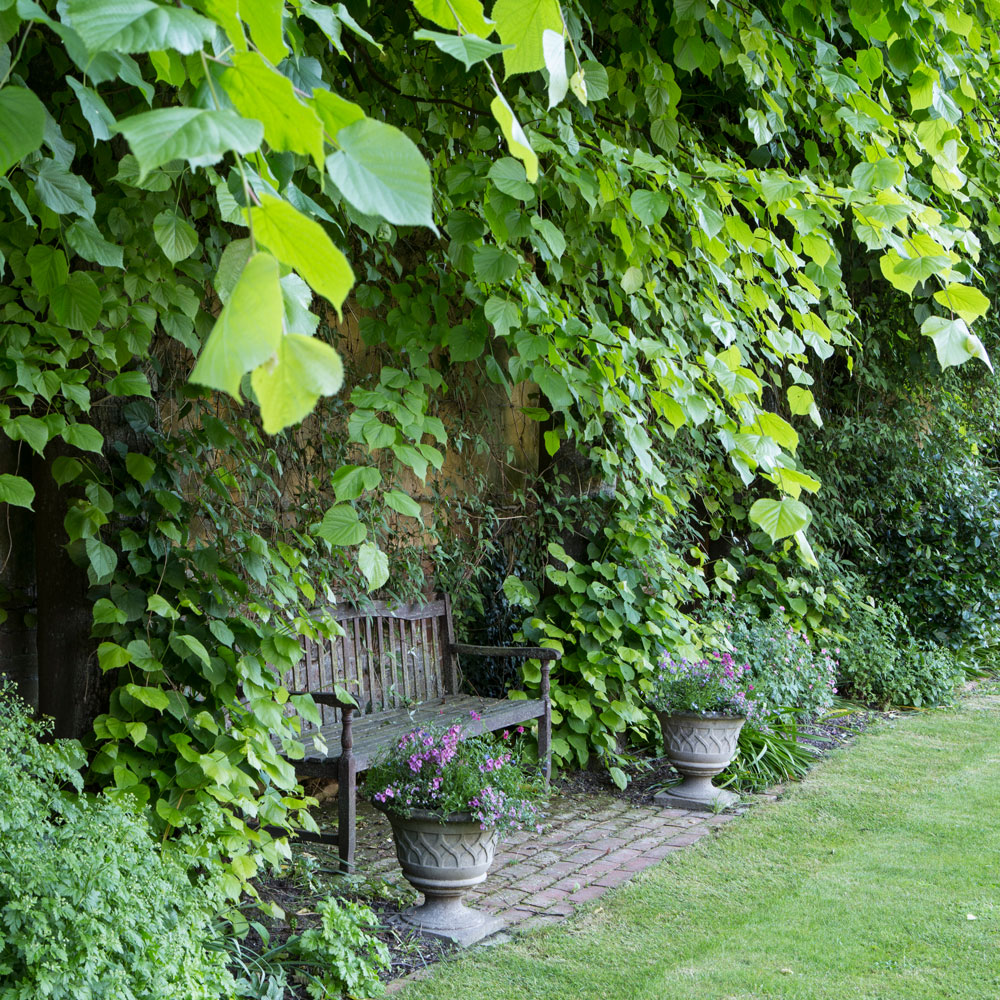
Cutting back on cutting back is possibly the easiest way to bring wildlife into your garden. If you have a lawn, resist the urge to mow it, or even leave a corner to grow wild, because long grass is important for butterflies to lay their eggs in. It's also worth waiting to tidy up borders and shrubs until late winter or early spring, to provide shelter for insects and small mammals throughout winter.
It's a good idea to grow winter plants that are beneficial to wildlife, too, whether they offer shelter, food or nesting material. Climbers such as ivy, shown above, will provide a protective habitat all year round and a late source of autumn nectar for insects, and late winter fruit.
6. Plant vertically for pollinators
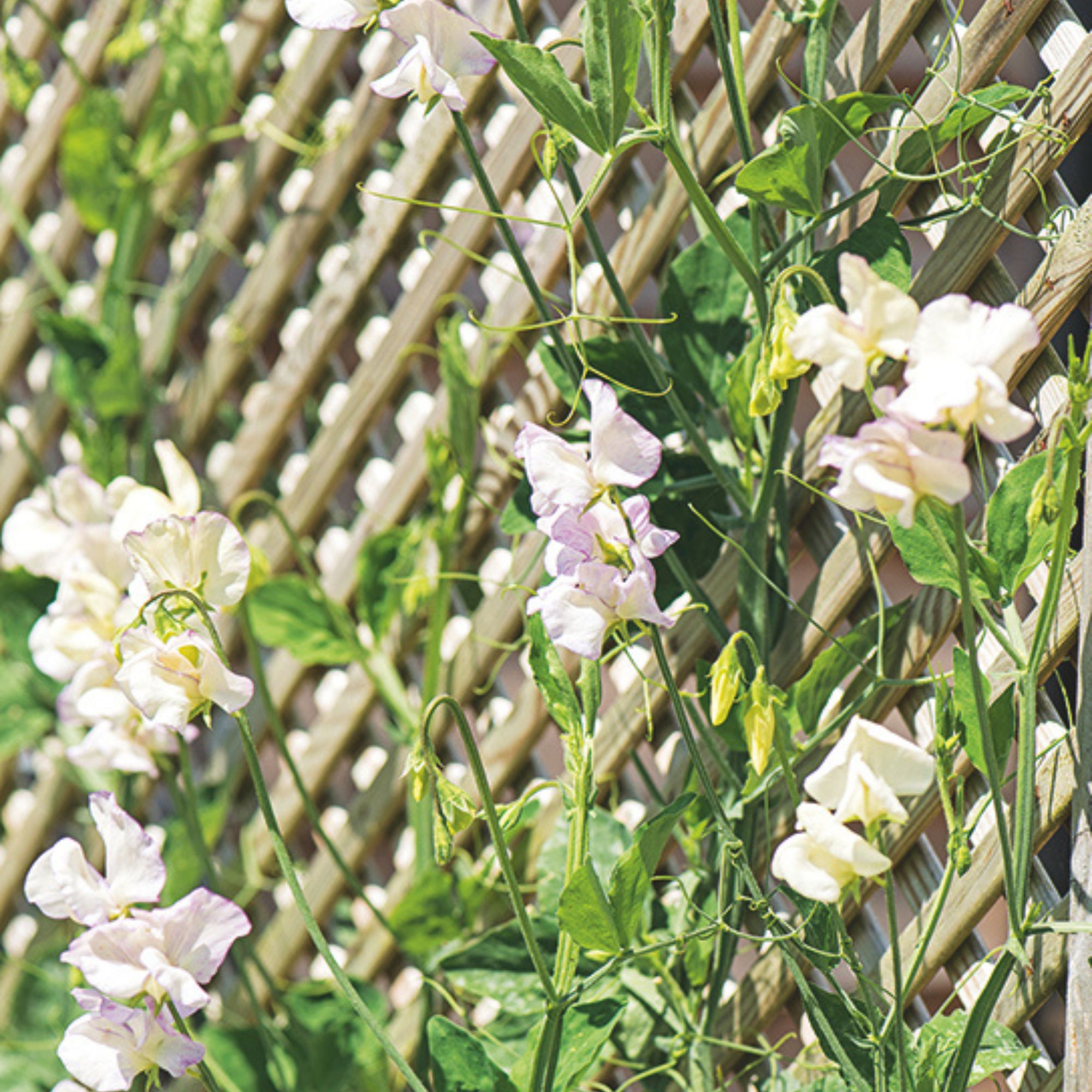
If you’re looking for wildlife garden ideas for a small garden, space on the ground is probably limited. With a few trellises and fast-growing climbing plants or hanging baskets, though, you can maximise your garden’s wildlife appeal.
'If you have a balcony or small front garden, you can still absolutely provide a paradise for pollinators – it just requires a little creativity,’ says Dr Emily Attlee, conservation scientist and co-founder of the original seed ball company, Seedball. ‘Go vertical! Add a trellis with honeysuckle and hanging baskets with trailing birds-foot trefoil, which will provide insects with some much-needed sustenance.’
Lonicera periclymenum 'Rhubarb and Custard' from Crocus is an excellent choice if you're looking for scented climbing plants.
7. Open a bug house
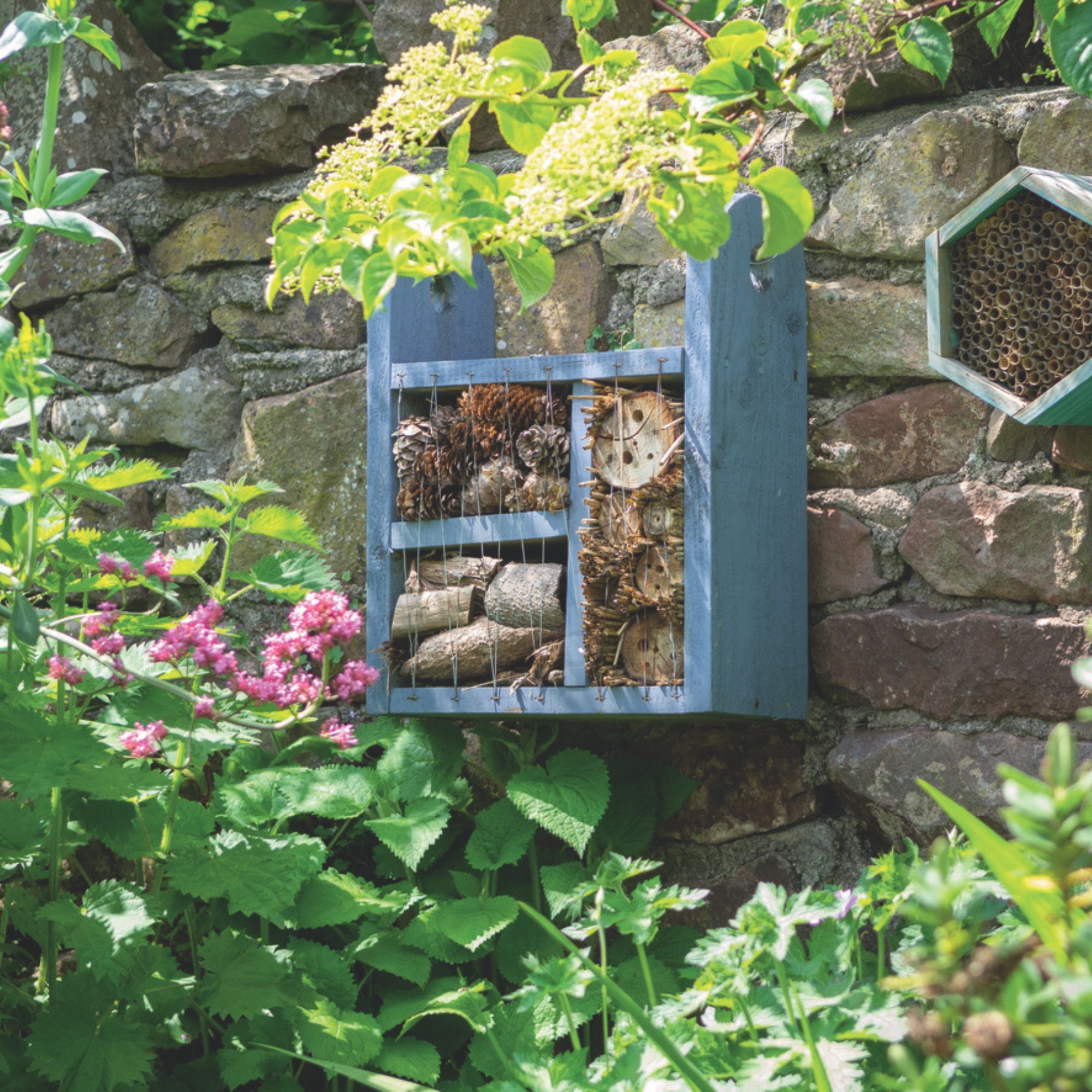
Some of the most popular wildlife garden ideas are centred around bug houses, which provide shelter and nesting sites for beneficial insects.
You can make a bee hotel out of old wooden shelving, for example. If you want bees to nest in your hotel, you'll need to drill holes (around 5mm in diameter) in the ends of logs or wooden posts and position them so the holes face outwards. It's worth filling the other parts of the insect hotel with broken bricks, logs and pine cones like the bug house in the image above.
Or, of course, you could also buy a pre-made insect house, like this wooden insect hotel with a galvanised roof from B&Q.
8. Plant a small wildflower patch
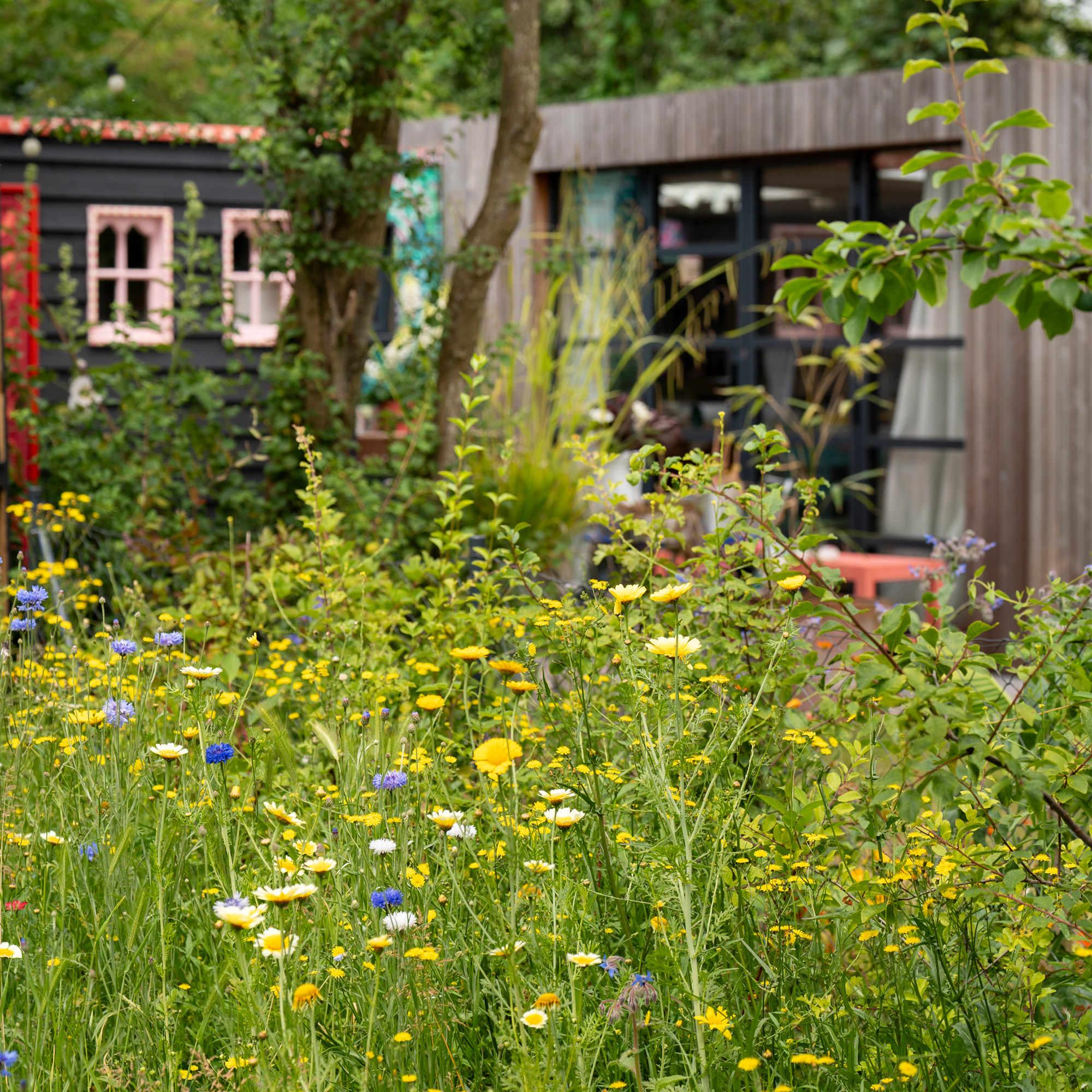
If you have space on the ground – perhaps a small lawn or compact garden border – you can plant wildflower seeds to cater to bees and butterflies. Carving out a corner for a mini wildflower meadow like the one in designer Lucy Tiffney's garden (pictured above) is one of the best wildlife garden ideas for large and small spaces alike.
Cornflowers and other cornfield blooms are an excellent nectar source for pollinators. Fothergill's Oh Sow Simple Wildflower Wildlife Mix from Amazon is a brilliant choice.
9. Create a rest stop
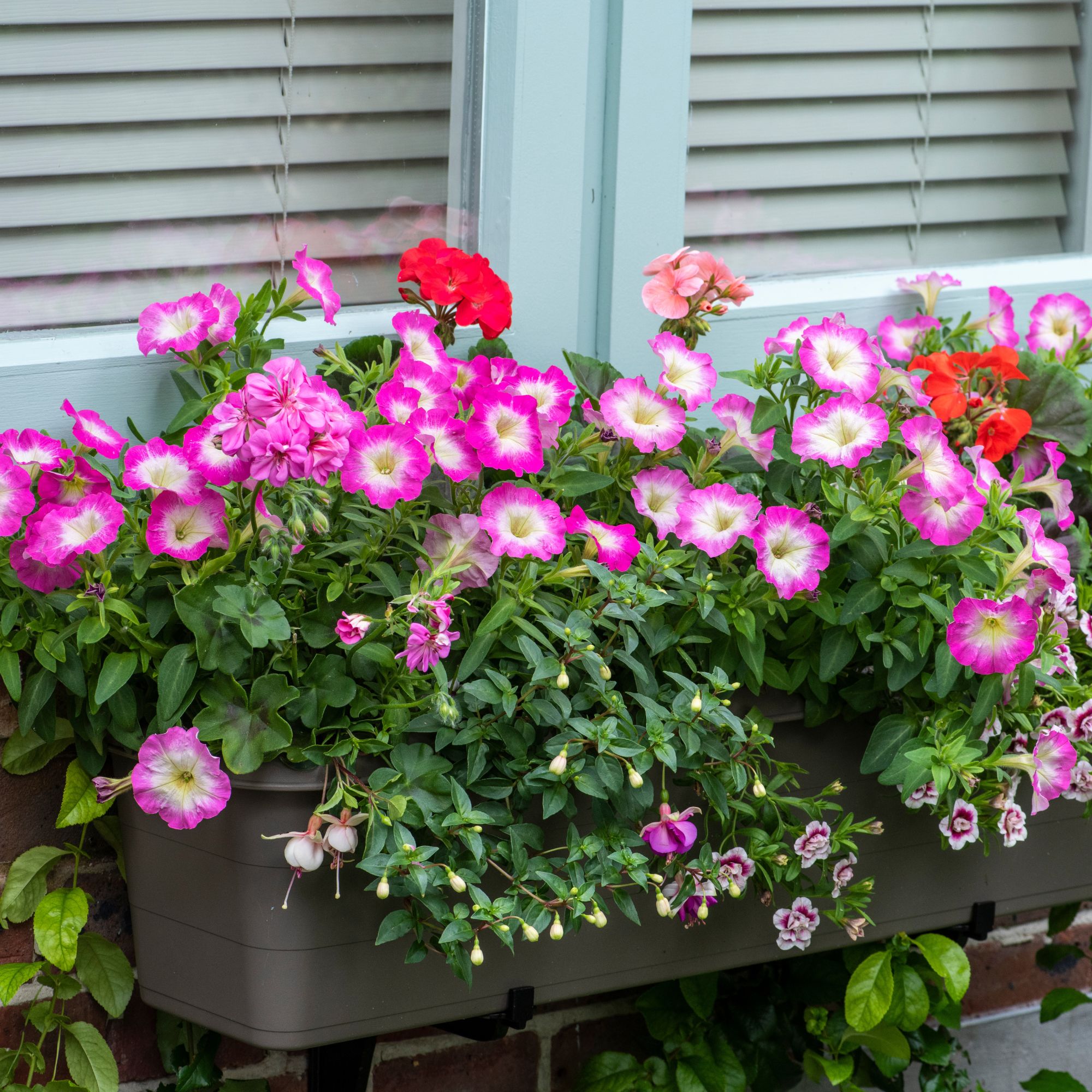
One of Dr Emily Attlee’s favourite wildlife garden ideas is creating a rest stop for wildlife. That simply means planting up a plant pot or window box with nectar-rich flowers, and it's ideal if you're short on outdoor space or looking to spruce up the front or back of your home.
‘By scattering seed balls in a plant pot or window box, you will be encouraging a wide variety of wildflowers to bloom – which will give any visiting pollinators a good, varied diet!’ Dr Emily says.
These Seedball Bee Mix Seed Bombs, which you can buy from Amazon, include poppies, chamomile and other pollinator-friendly flowers.
10. Create a compost heap
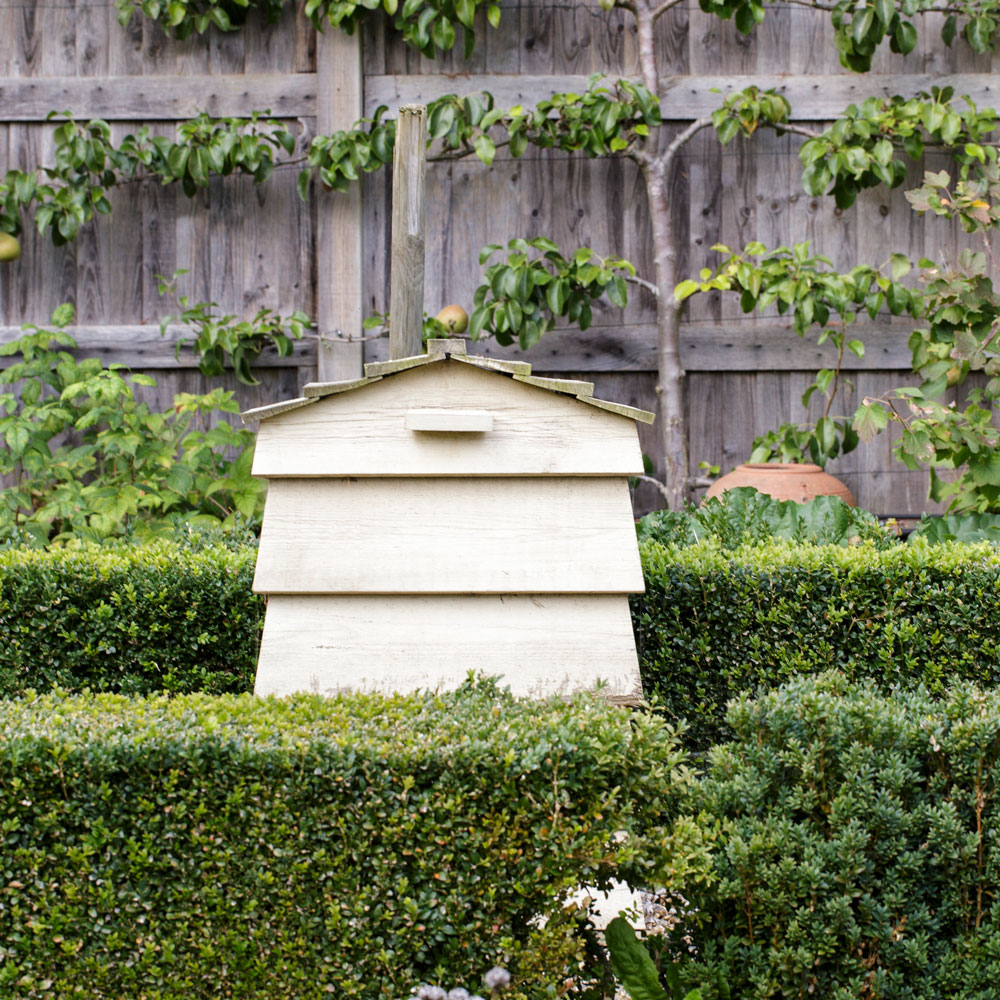
By recycling kitchen scraps – always uncooked, unless you want a bunch of unsavoury rats to show up – you’re doing your bit for the environment by helping to cut down on landfill use and pollution, as well as providing a yummy meal for hedgehogs, toads and slow worms.
Learning how to make compost is easy, and you don’t need anything fancy to get started. Aheap of vegetable peelings, grass cuttings, old teabags and coffee grounds covered with an old rug will soon rot down to a lovely nutrient-rich mix you can use to power up your garden.
You can also buy pre-made wooden composter boxes, like this Primrose Outdoor Wooden Compost Bin from B&Q, or fashion something from anything you have lying around in the garden shed.
11. Swap your fence for a hedgerow
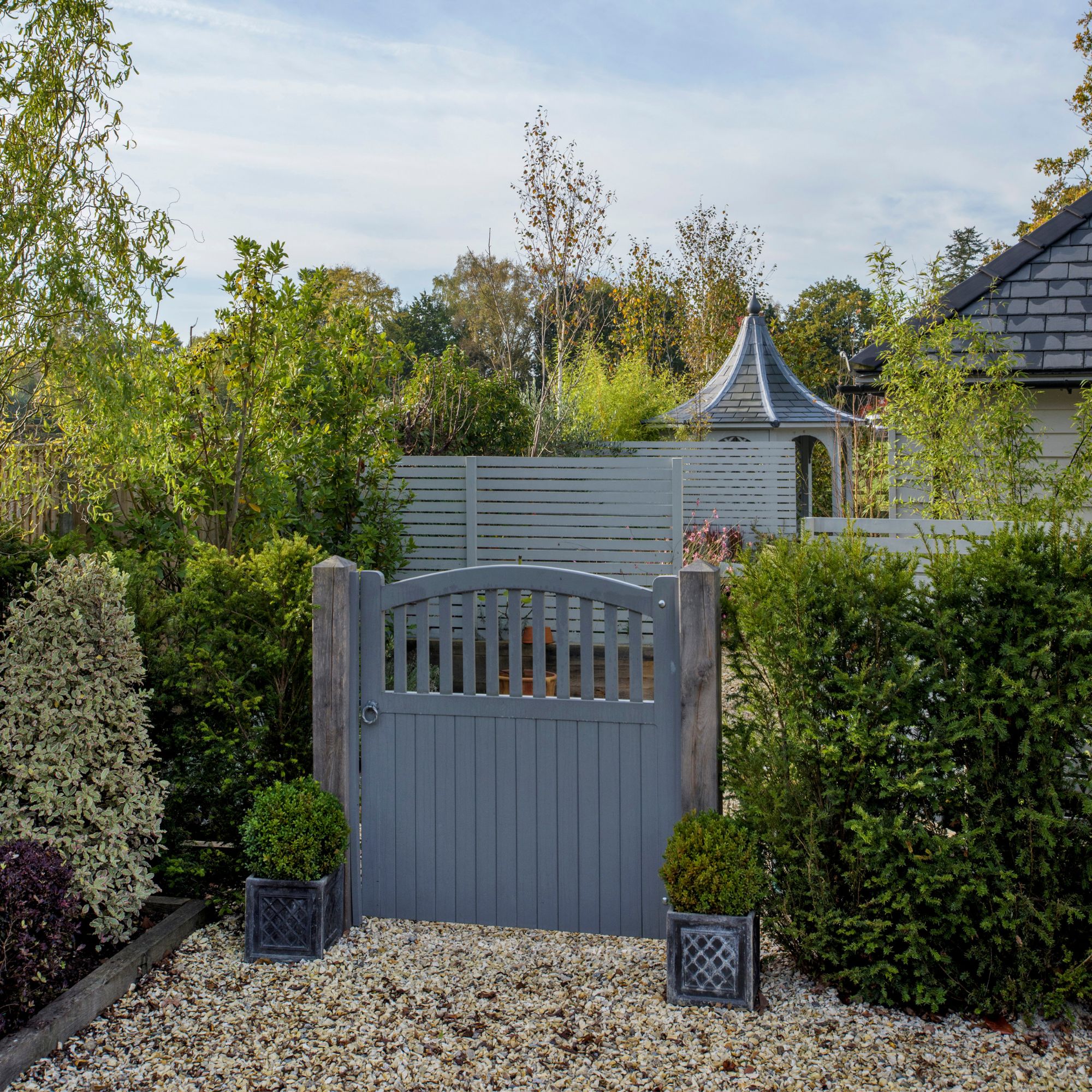
If you’re keen to attract more wildlife in your garden, replace ordinary fences with cultivated hedgerows. A living hedge is a nature-friendly garden fence idea, but you can also use it as a garden screening idea to zone different areas of your garden.
Native plants such as blackthorn, hawthorn, field maple or hazel will provide nesting sites, the berries, nuts and hips encouraging hungry wildlife in wintertime.
12. Introduce a bird box for nesting
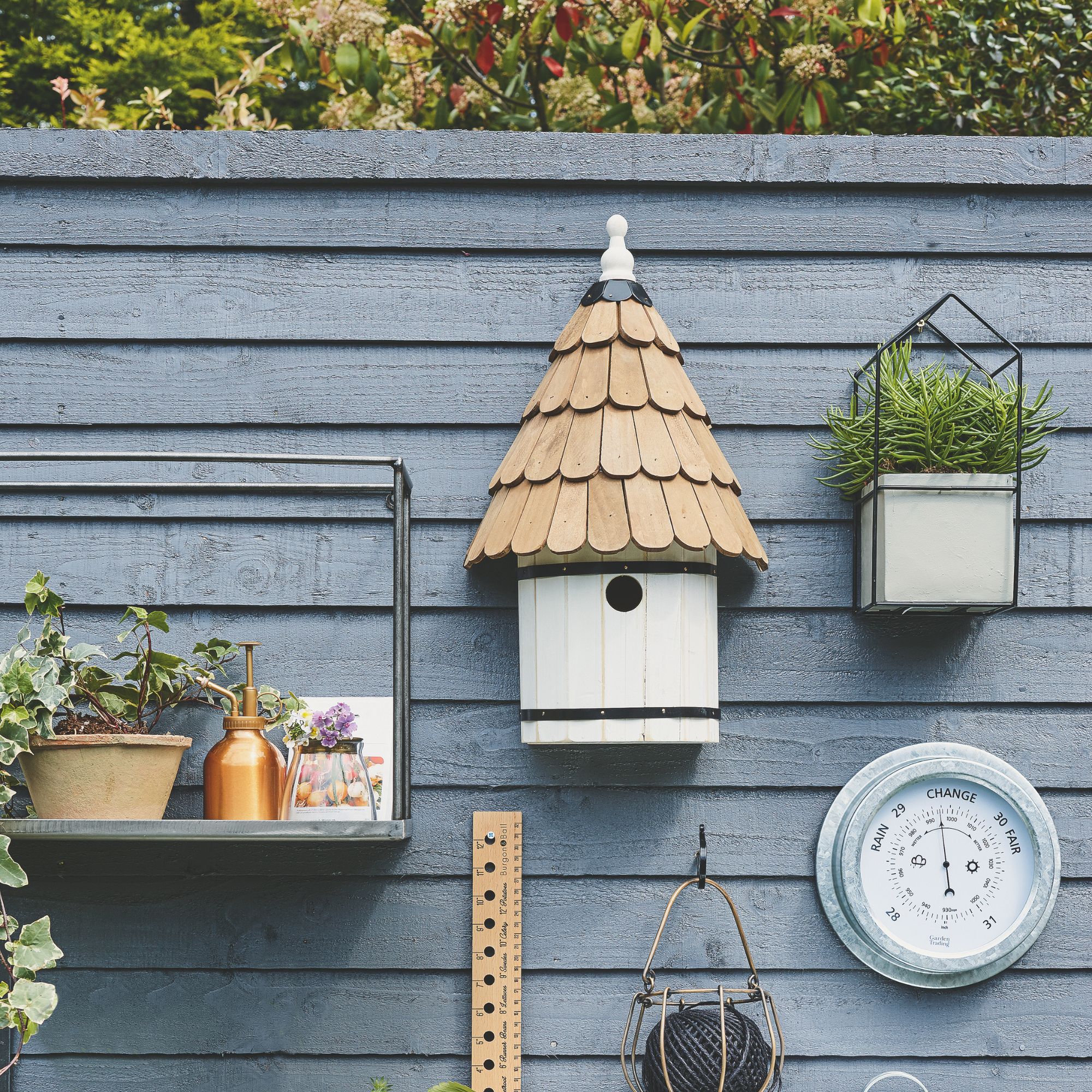
Bird boxes are must-haves if you're looking for wildlife garden ideas, providing feathered visitors with vital shelter and, of course, a nesting pot.
Make sure it’s in a sheltered spot, out of predators' reach, and make sure you look after your bird box in winter, too. You can even buy bird boxes that are designed for specific species, like this Tit Box from Crocus.
13. Pile up logs
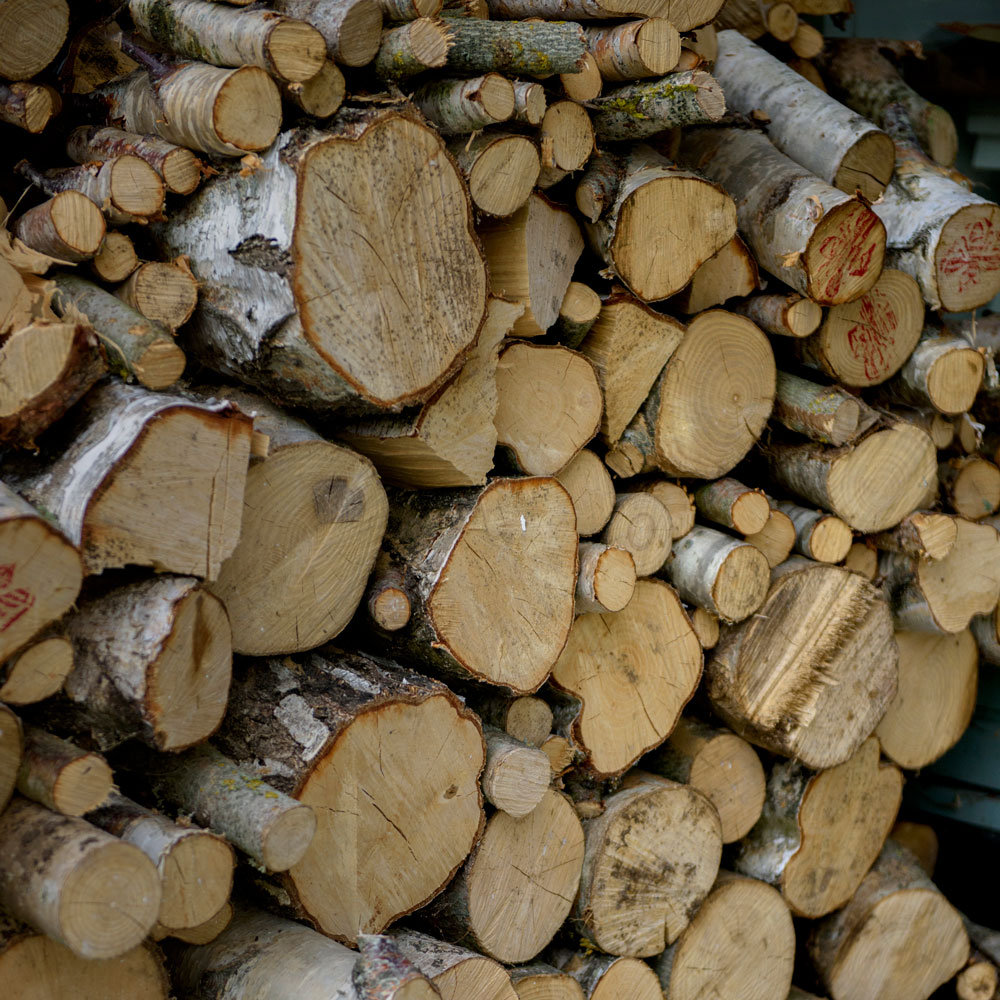
This one's a brilliant budget garden idea. All you need to do is stack logs and twigs (perhaps after your wildlife-friendly autumn tidy-up) to create a wildlife corner that appeals to all manner of insects and mammals.
Keep them in an undisturbed spot in your garden to provide them with safe, comfortable shelter. It's surprisingly just how many different species a simple pile of logs can attract to your garden.
14. Appeal to hedgehogs
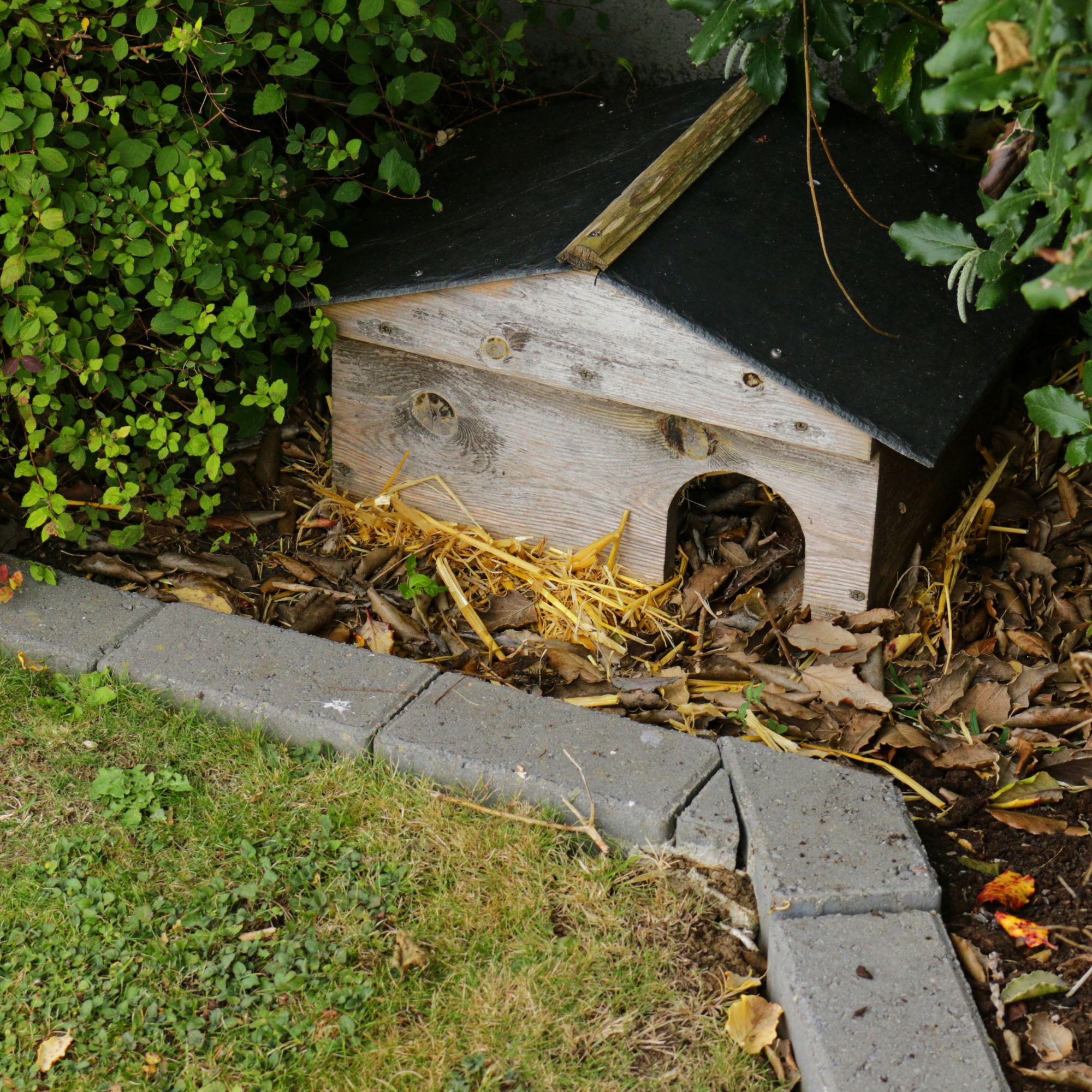
The humble hedgehog is another superhero for hoovering up slug and snail populations, so, of course, one of the best wildlife garden ideas involves giving them a place to hide.
A pile of logs, as previously mentioned, is a great way to attract hedgehogs to your garden, but you could also treat your spiky visitors to a hedgehog house. In fact, it's a key structure you should leave out to keep wildlife warm in winter.
This Woodside Hedgehog House is Amazon's Choice, and the roof can be lifted off for easy cleaning when no hedgehogs are inside.
15. Offer hydration
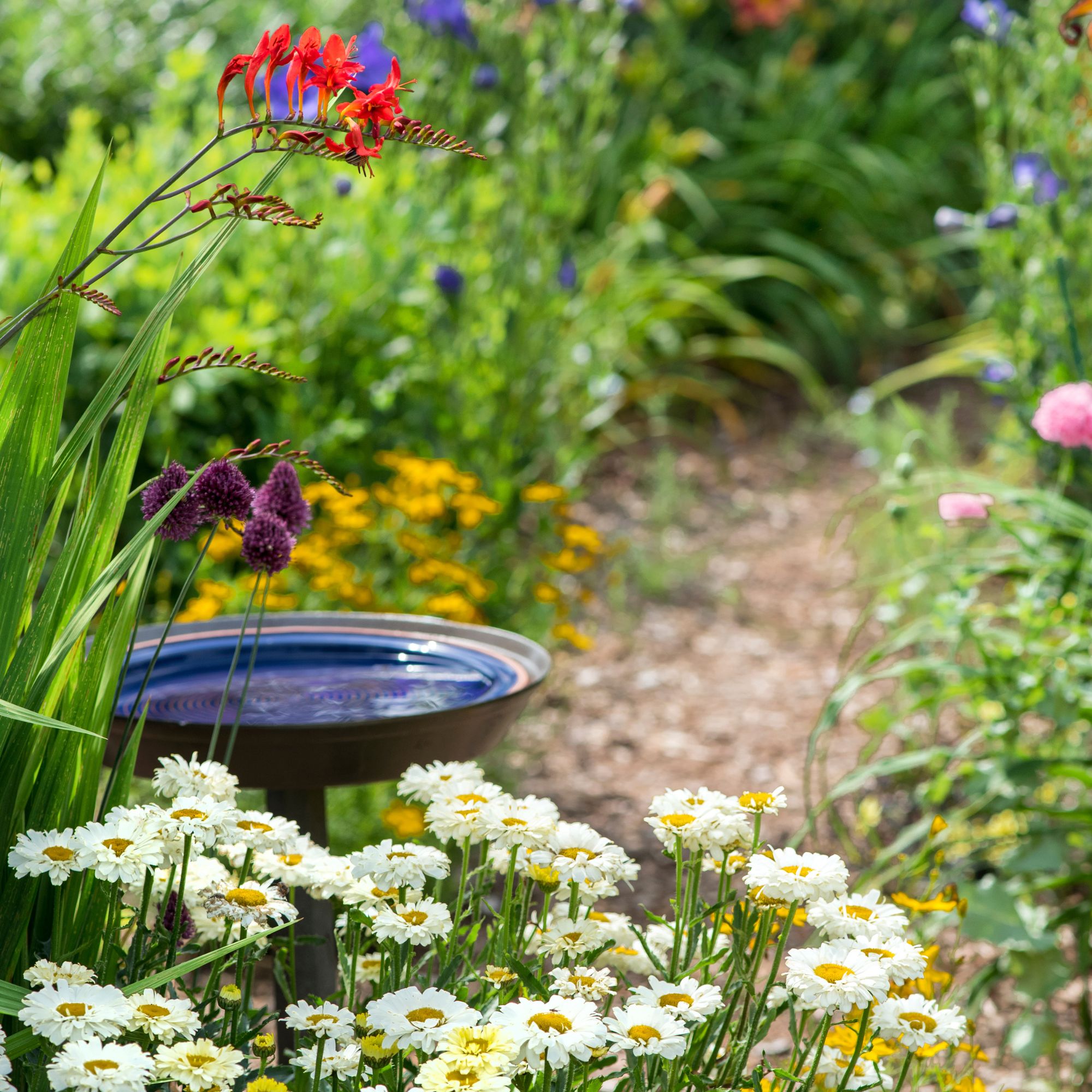
A bird bath is a staple in any wildlife garden: it keeps animals hydrated and, of course, offers birds the chance to bathe and cool down in hot weather.
If you're hoping to hydrate pollinating insects, too, it's worth opting for a shallow dish filled with stones or marbles to offer them easier, safer access. You can even buy bee watering stations like this one from Amazon.
Of course, you could also go for a classic bird bath, like this Home Bird Bath from Argos.
16. Plant a small tree for wildlife
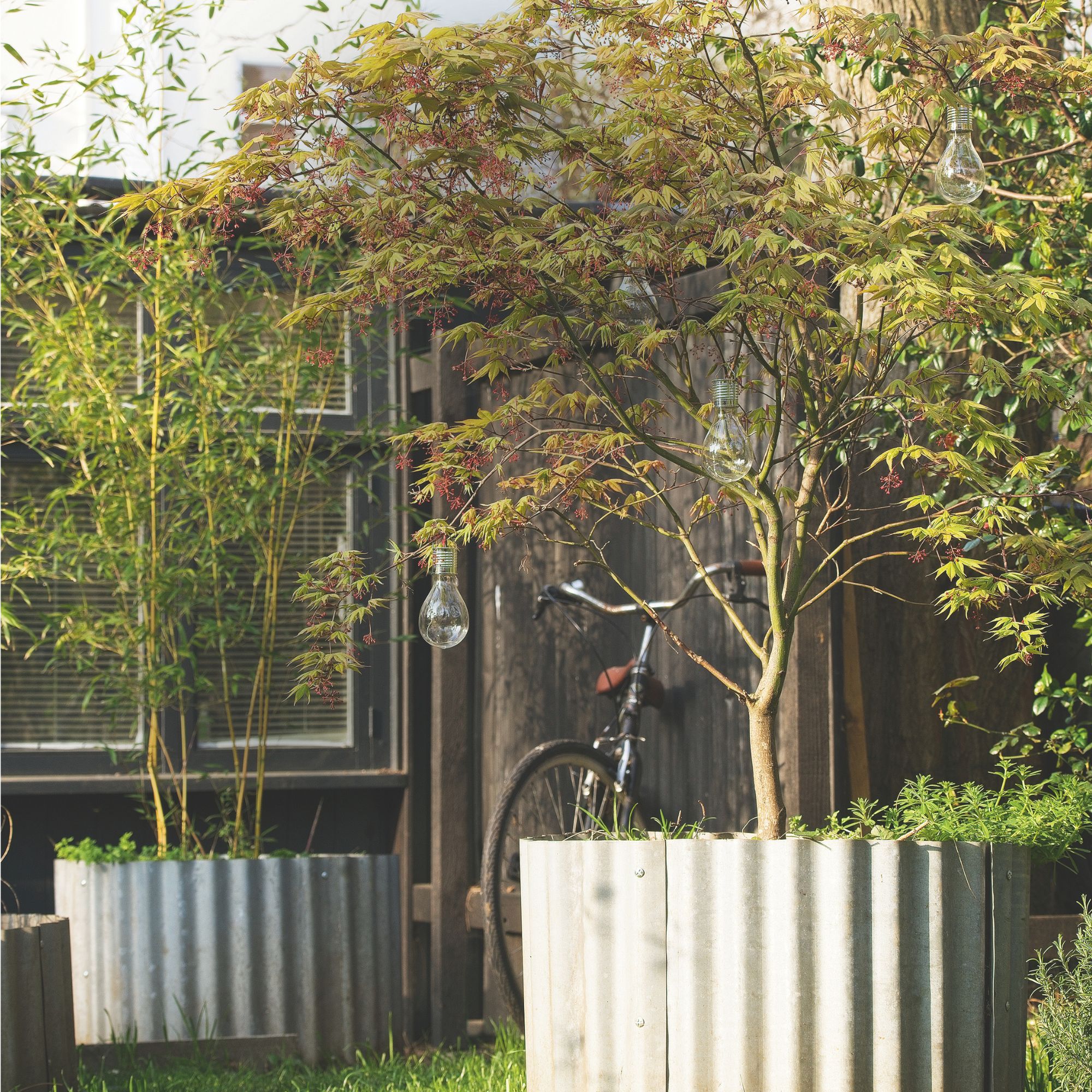
A tree might seem like a bizarre idea for a small space, but there are plenty of dwarf and smaller-sized varieties, whether you’re looking for the best fruit tree for a small garden or the best trees to grow in pots. Whichever size you go for, some species make better wildlife garden ideas than others.
‘Trees provide shelter for birds, blossom and fruit for pollinators, and habitats and ecosystems for so many different types of wildlife,' says award-winning garden designer Zoe Claymore. 'My small-space favourite trees are crab apples, which give a slightly wilder look in a garden, and hazel, which has the benefit of nuts.'
Malus 'Evereste' from Crocus is a great choice for small urban gardens.
17. Invest in a bat box
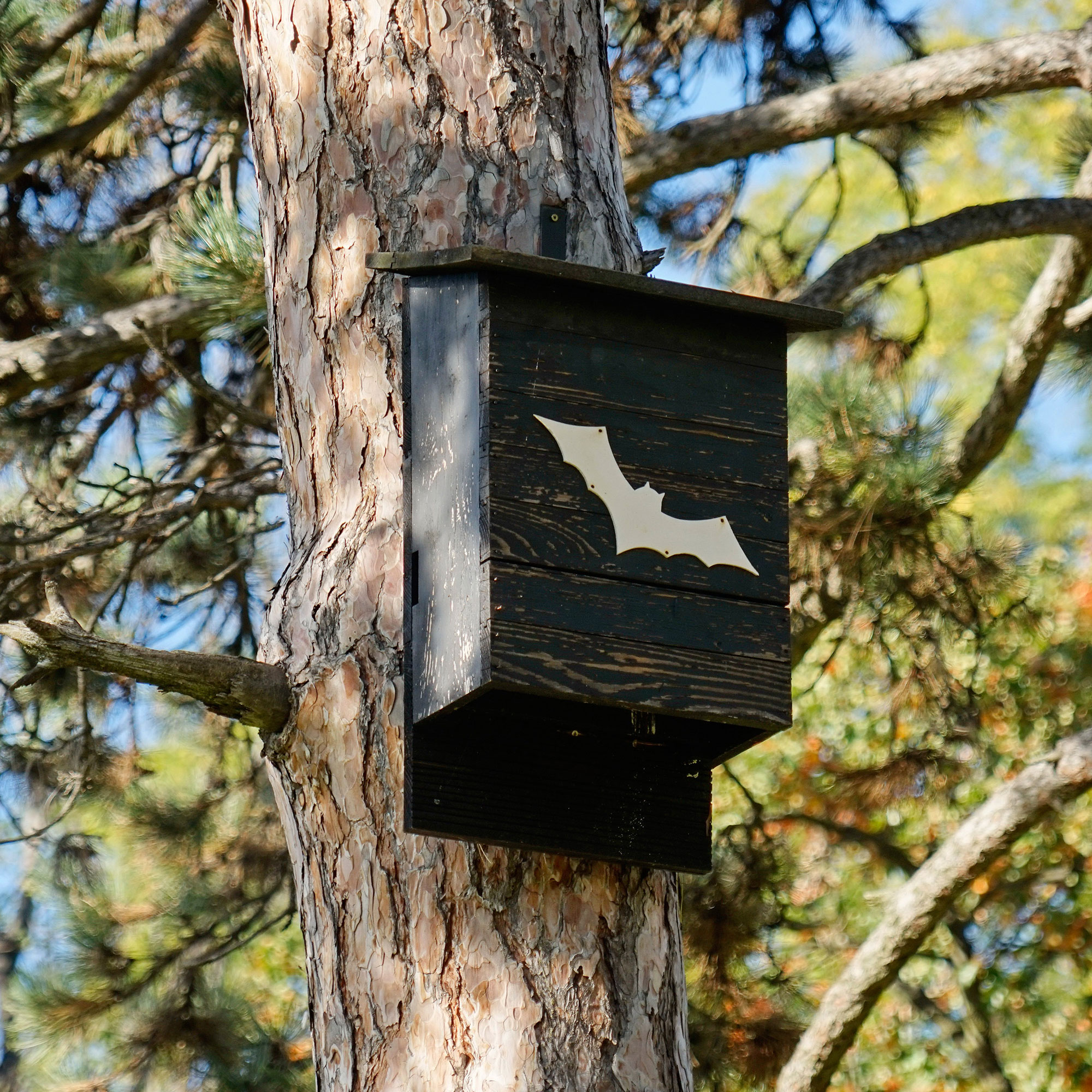
They get bad press, but bats are super useful for our gardens. They're brilliant insect patrollers (mosquitoes hate to see them coming), but people often overlook the importance of attracting bats to our gardens.
A brilliant wildlife garden idea, then, is to build or buy a bat house that offers them shelter. The WildYard Cedar Bat Box is highly rated on Amazon, and it's built to withstand the British weather.
If you decide to do a bit of DIY, use non-toxic wood like cedar. A rough texture on the wood can make it easier for bats to climb in and out of the house, too.
Wildlife garden must-haves
It's simple, but it's a little unique compared to standard bird feeders.
This hedgehog house is waterproof, rot-proof and predator-proof.
So, there we have it: 17 wildlife garden ideas to get you started building an all-inclusive sanctuary for visiting insects, small mammals, amphibians and birds.