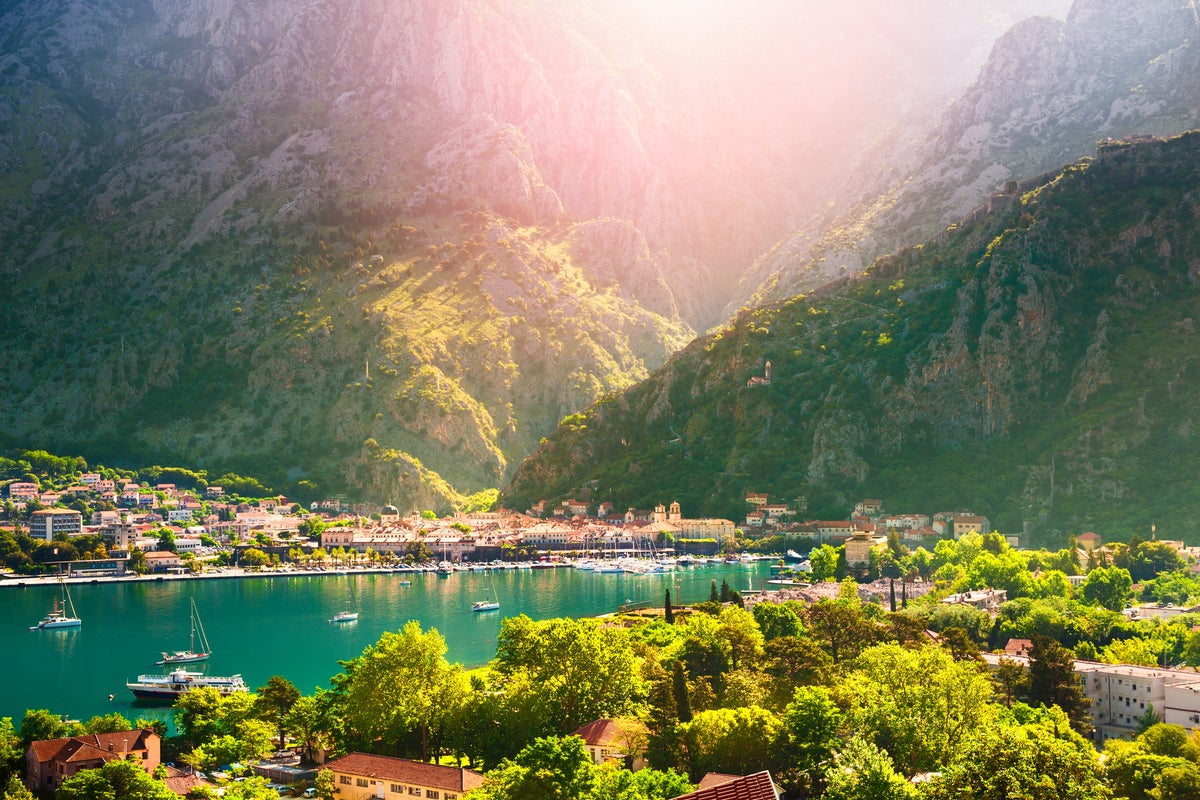
You have seen the headlines. Holidaying in Europe this year may not be as streamlined as it once was due to the introduction of the new biometric data system, which has caused some border points to experience unprecedentedly long queues.
The entry-exit system (EES) requires passengers to provide biometric information, such as fingerprints and facial imagery, upon first entry into Schengen Area countries before passport control.
But the system has been experiencing some teething issues, with the blame being thrown back and forth between industry leaders, from airports not having enough staff to the very design of the EES causing wait times at the borders to increase.
While there are destinations that have managed to implement EES without too much disruption, others have struggled, meaning some travellers have spent the start of their long-awaited holidays standing in hours-long queues before they can even think of lounging on the beach or exploring a city.
The beauty of having Europe at our fingertips is the diverse selection of places that can be visited by travelling for just a few hours. But add a five-hour EES queue into the mix (in the worst-case scenario), and you may as well have booked that flight to Barbados instead.
There are, however, a few places in Europe that are not required to introduce the new EES system at their border as they are not part of the Schengen free movement zone. We have rounded up some of these countries that you may consider for your next break, plus a guide on the European travel jargon you need to know.
Which European countries don’t have EES?
Cyprus
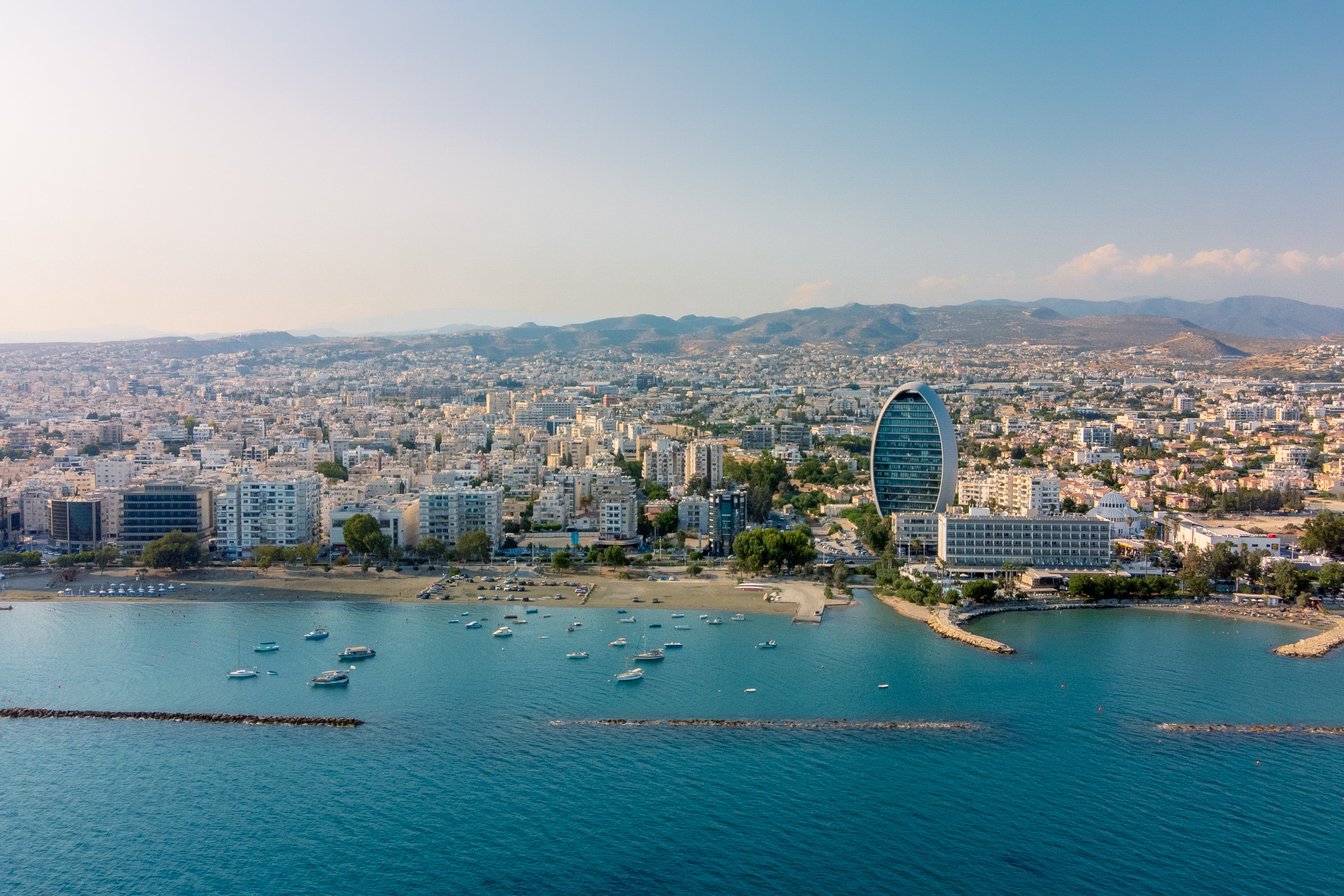
While Cyprus is in the EU, it has not fully integrated into the Schengen Zone, making for an EES-free Mediterranean beach break. The island is popular for its beach resorts and buzzy seaside hotspots like Limassol, Larnaca and Ayia Napa, as well as its more laidback regions, including the beachside town of Protaras and the Troodos Mountains, home to Cyprus tallest peak, Mount Olympus.
Aside from catering to party people with its nightlife strips or families with its kid-friendly hotels, Cyprus also catches the eye of history buffs with the ancient ruins in Paphos and Venetian, Ottoman and Byzantine architecture across the capital of Nicosia.
Read more: The best hotels in Cyprus, from luxury beach resorts to spa stays
Ireland
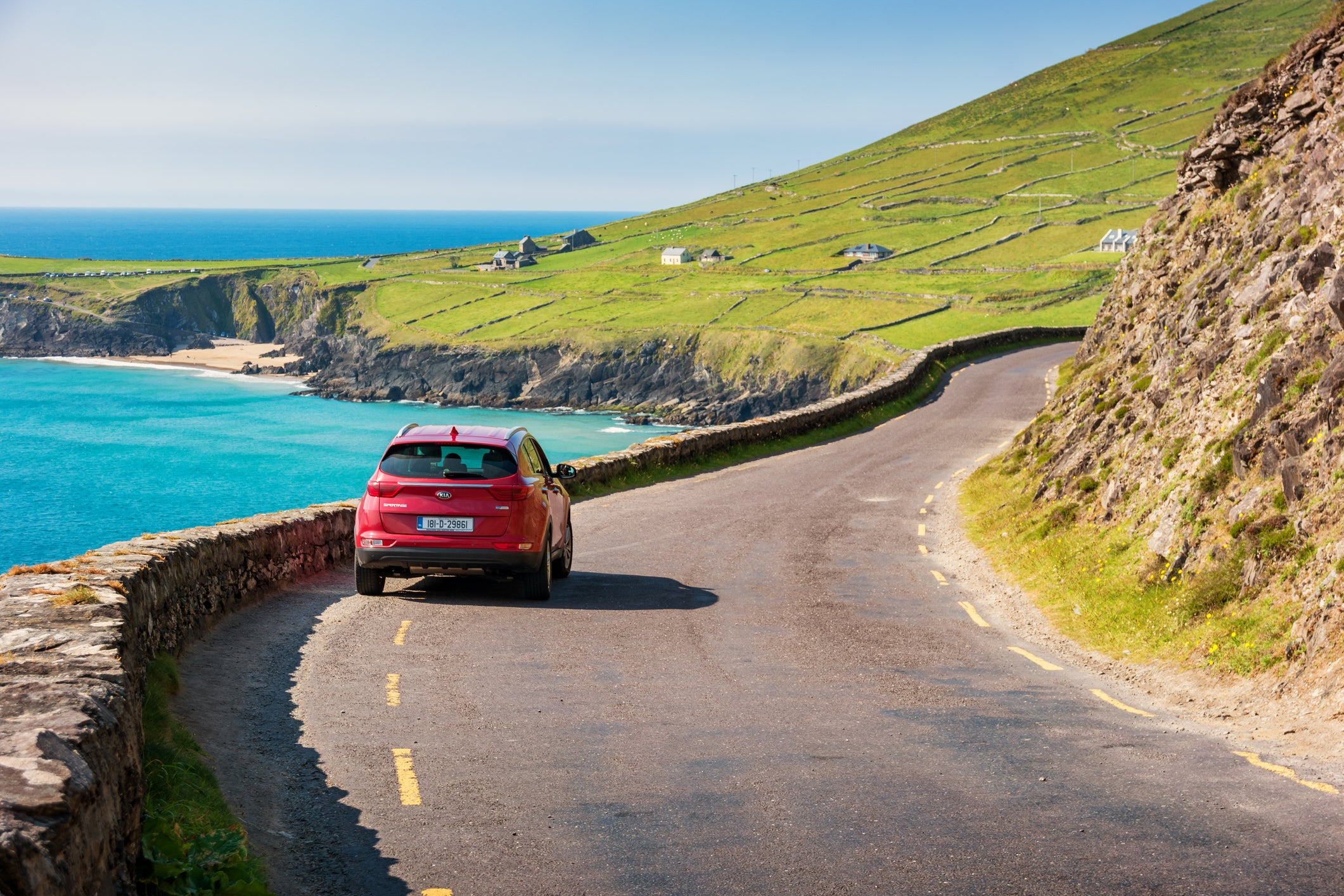
Only a short hop, skip and jump from the UK, Ireland is one of the best destinations for travellers looking to immerse themselves in nature. Like Cyprus, Ireland is an EU country but has an exceptional agreement to opt out of Schengen rules, meaning that flights and ferries will not be subject to the EES rollout.
Ireland is home to one of Europe’s most acclaimed road trip routes, the Wild Atlantic Way. This 1,600-mile-long winding coastal route stretches past some of the country’s most beautiful natural landmarks, such as the Cliffs of Moher and rock formations like Downpatrick Head.
City breaks are also in abundance. Visit Galway for a traditional music scene, Cork for an artisan foodie haven, and Dublin for its legendary pub culture and Ireland’s most popular attraction, the Guinness Storehouse.
Read more: I travelled to Ireland’s remote islands for a wild weekend away
Albania
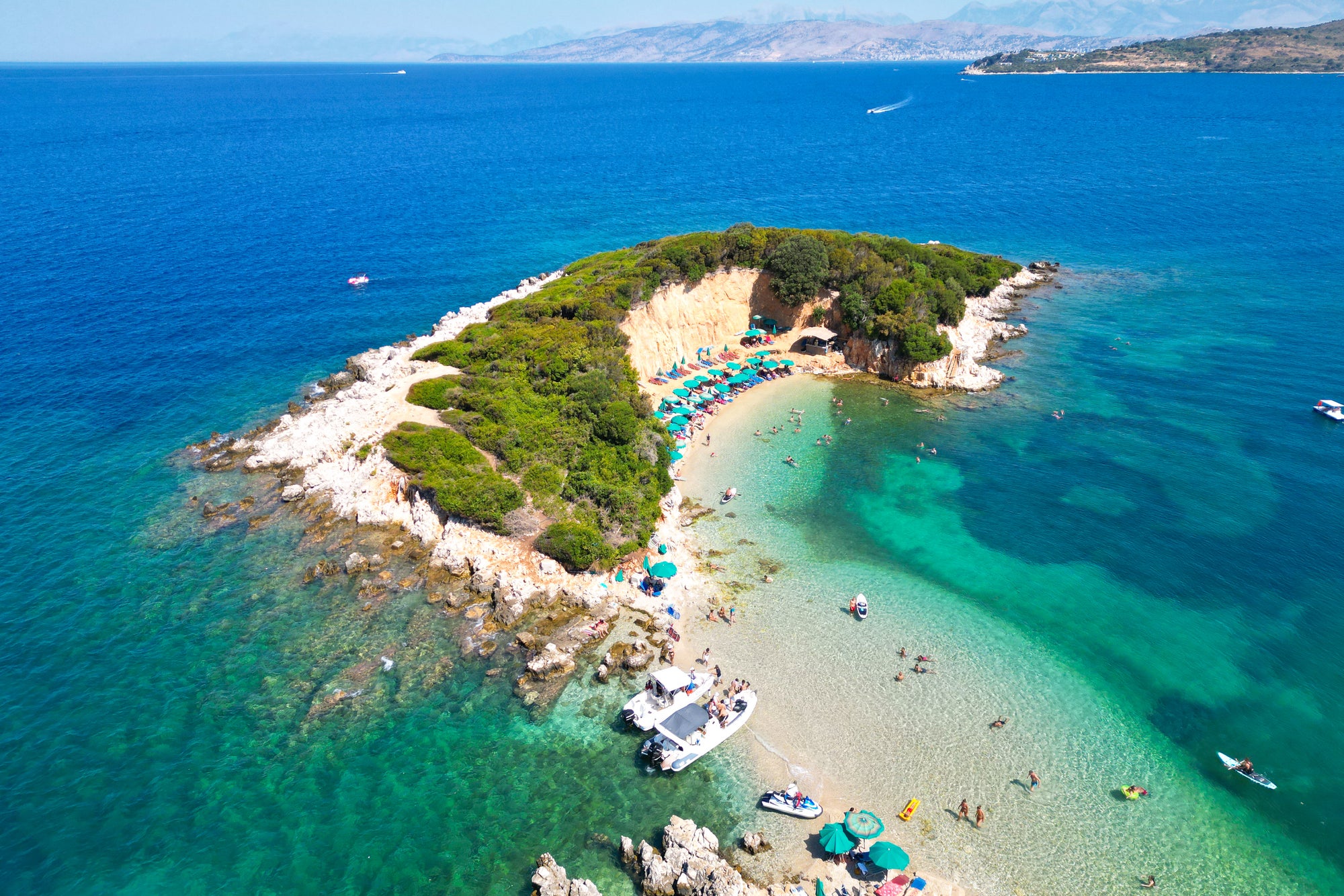
Known as “Europe’s best kept secret”, Albania has emerged in the past few years as a more affordable alternative to Greece or Croatia. Its Ionian coastline, known as the Albanian Riviera, has almost Maldivian-like beaches with white sands and turquoise waters, with Ksamil and Himarë being popular seafront spots.
If a beach holiday is not on your list this year, Albania offers plenty more. Bucket-list treks await in the Albanian Alps, such as the 10-mile Valbona Pass with alpine panoramas and limestone cliffs. Or, take a trip to the capital, Tirana, for a budget city break exploring the blend of colourful buildings, from the Ottoman period to the Soviet era, as well as some radical modern structures like Downtown One.
Read more: Why Ivanka Trump and Jared Kushner’s luxury resorts are the type of tourism Albania does not need
Bosnia and Herzegovina
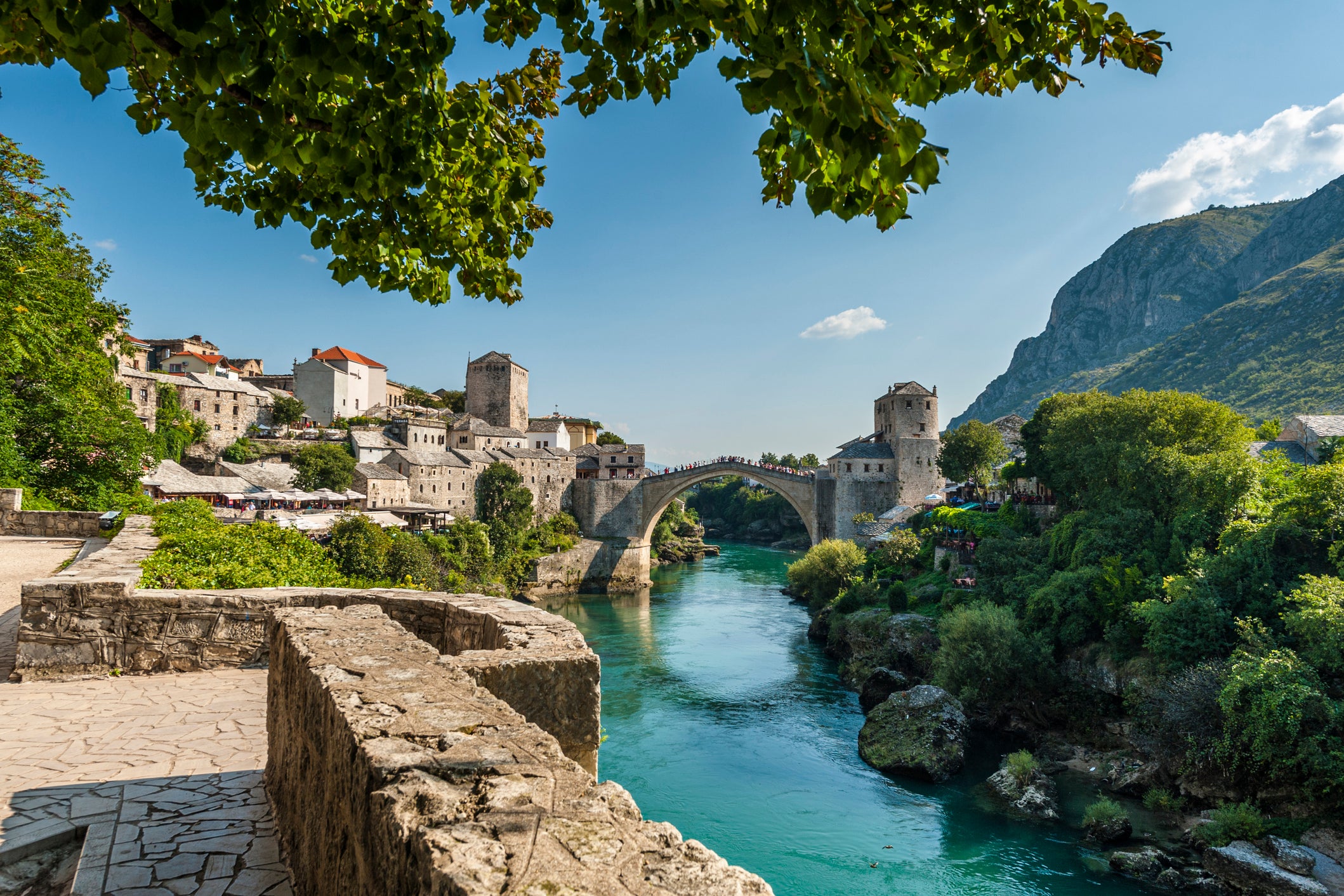
This Balkan country has the second smallest coastline in the world, with only a 12-mile sliver on the Adriatic coast, so sand seekers may not find the country as appealing as its neighbours. Yet thoughts of a beach break tend to go out the window when visitors discover how much there is to do – and how extremely cheap it all is.
The Kravica Waterfalls are one of the country’s most beautiful natural spots, with multiple cascades falling through a dense forested area into the lake below. Equally as enchanting is the Una National Park that protects the emerald green Una River and is ideal for white water rafting.
Bosnia and Herzegovina should also be on your radar if you are seeking a budget-friendly city break. Mostar, in the southern region, is known for its famous 16th-century Ottoman Bridge, Stari Most that connects the two parts of the city. The capital, Sarajevo, is one of Europe’s cheapest destinations to visit, with a laidback coffee culture and some very poignant museums like the Tunnels of Salvation, which retells human experiences of the 1990s siege of the city.
Read more: How I planned a seamless single parent holiday with a baby and a nine-year-old
North Macedonia
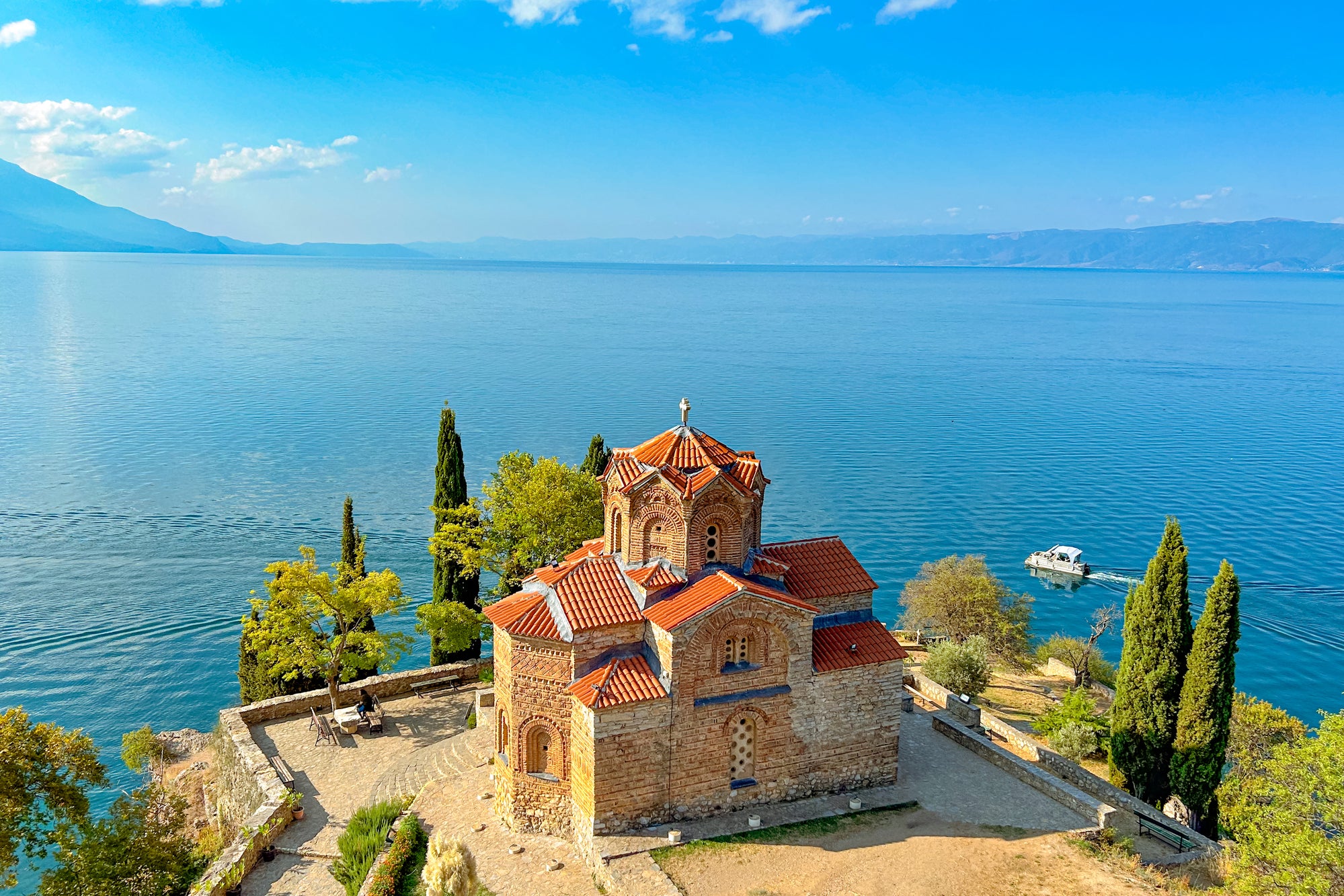
The landlocked country of North Macedonia is another overlooked Balkan destination rich in dramatic mountain ranges, thousands of ancient archaeological sites and Ottoman heritage. Its capital, Skopje, sits on the slopes of Mount Vodno, and is filled with fascinating sites left behind from Ottoman rule, such as the Old Bazaar, one of the largest and oldest markets in the Balkans, and the Kale Fortress perched high with views over the city out to the Šar Mountains.
Outside the capital, another must-visit destination is Lake Ohrid, a body of water shared with Albania. Its northeast shore is lined with hilltop fortresses, medieval churches and Ohrid’s red-tiled Old Town with Ottoman-era houses on steep cobbled slopes.
Read more: After a lifetime search for the perfect Greek island, I’ve finally found it in the land of The Odyssey
Moldova
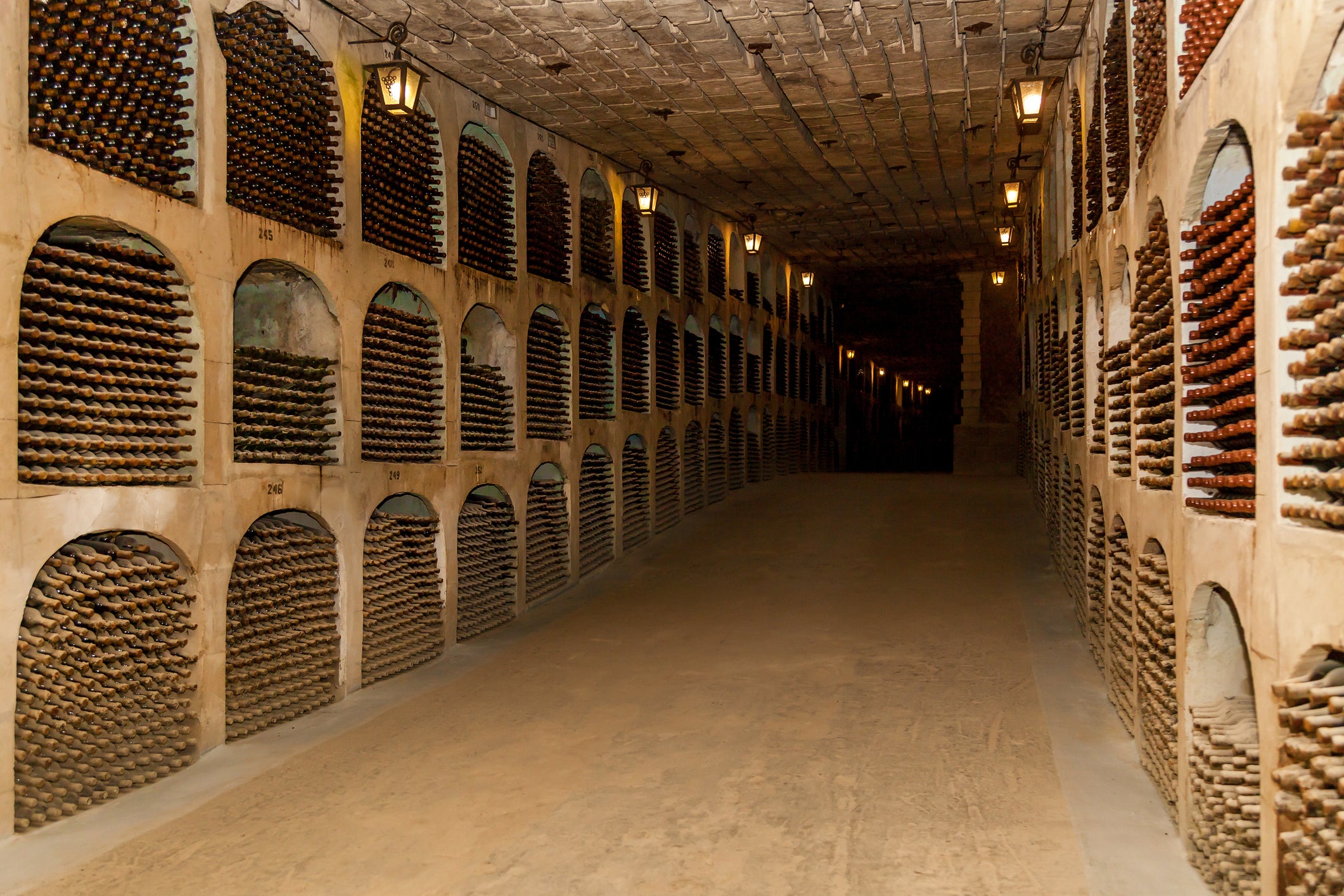
While Moldova seldom tops travellers’ bucket lists, the lack of EES queues may make this former Soviet republic more enticing. It is perhaps one of the more overlooked winemaking countries, with a history of cultivating the grape into a classic tipple for over 7,000 years. The Ștefan Vodă region is where you will find wineries producing bottles of red wine such as the local Rară Neagră, as well as Cabernet Sauvignon, Merlot and Malbec. Meanwhile, the Cordu region’s milder climate makes it ideal for vineyards to cultivate grapes for white and sparkling wines. In this region, you will also find the world’s largest wine cellar, Mileștii Mici, which stores over 1.5 million bottles of wine underground.
Chișinău, the country’s capital, is also worth a visit, for its Soviet-era architecture built from white limestone rising up between a huge selection of green spaces and parks.
Read more: I’ve been to more than 120 cities – these are the six best in Europe for a solo summer break
Montenegro
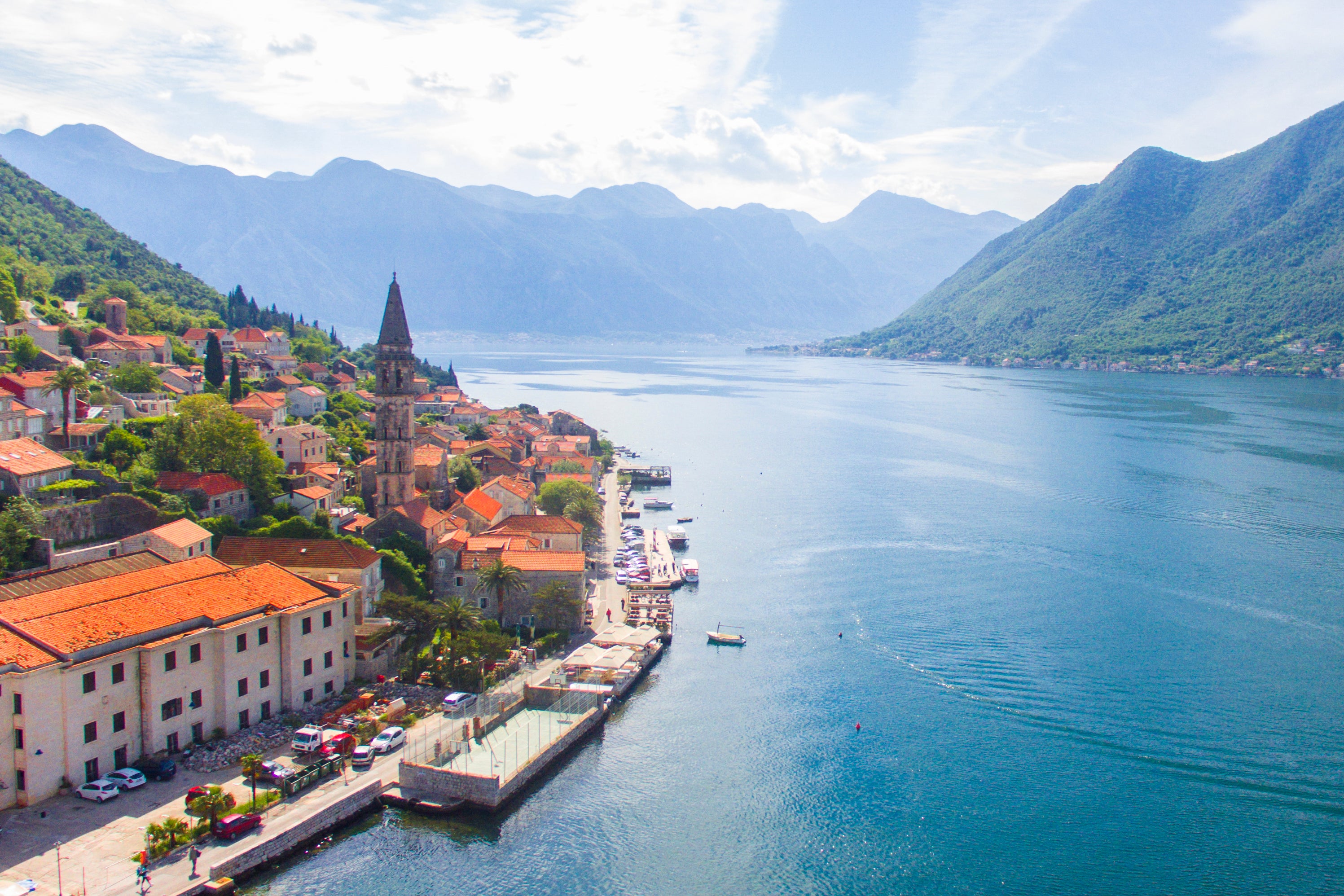
Another Balkan country on the list, Montenegro, is unique for being one of Europe’s smallest countries by size and population, with under 630,000 people living in the nation. The country is very mountainous, making places like Durmitor National Park incredibly scenic destinations. Explore the park on hiking trails, visit deep canyons via raft, or ski during the winter. Visitors can arrange stays at kanus, mountainous farm settlements, for a rural retreat in the alpine landscape.
Visitors to Montenegro are usually drawn to the Adriatic Coast, home to luxury beach towns that attract A-list celebrities and billionaires. Think Madonna, Brad Pitt, Marilyn Monroe and Elizabeth Taylor. Towns like Sveti Stefan are particularly exclusive, with an ultra-luxury Aman hotel on one protruding islet. Aside from the lavish stays, there are 117 beaches on Montenegro’s Adriatic coast to explore, while the historic Bay of Kotor is not to be missed.
Read more: Hyatt Regency Kotor Bay Resort, Montenegro, hotel review
Kosovo
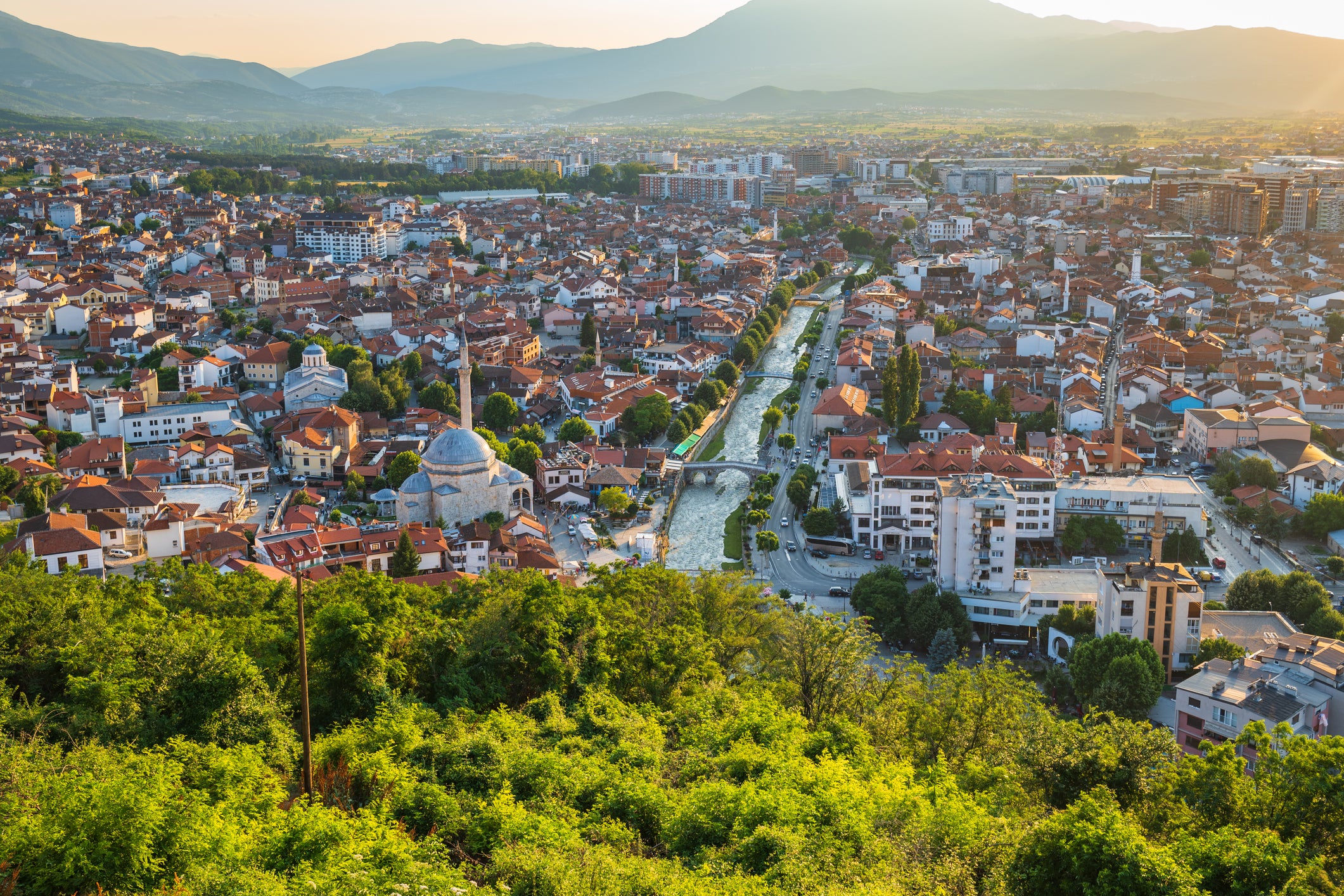
Kosovo is Europe’s youngest nation, having declared independence from Serbia in 2008. While Serbia continues to claim the territory as an autonomous province, more than 100 countries recognise the nation, including the UK.
Capital Prishtina is a compact and walkable city, filled with a juxtaposition of architecture from brutalist buildings to Ottoman mosques. The youthful city has a lively coffee culture, while visitors also recommend the Ethnological Museum, which tells the story of the country’s heritage. Located at the foot of the Sharr Mountains in the south, Prizren is another city worth exploring, known for its well-preserved Ottoman-era architecture and ancient fortifications dating back to the Bronze Age.
Read more: 12 cool European destinations to beat the heat in summer 2026
Serbia
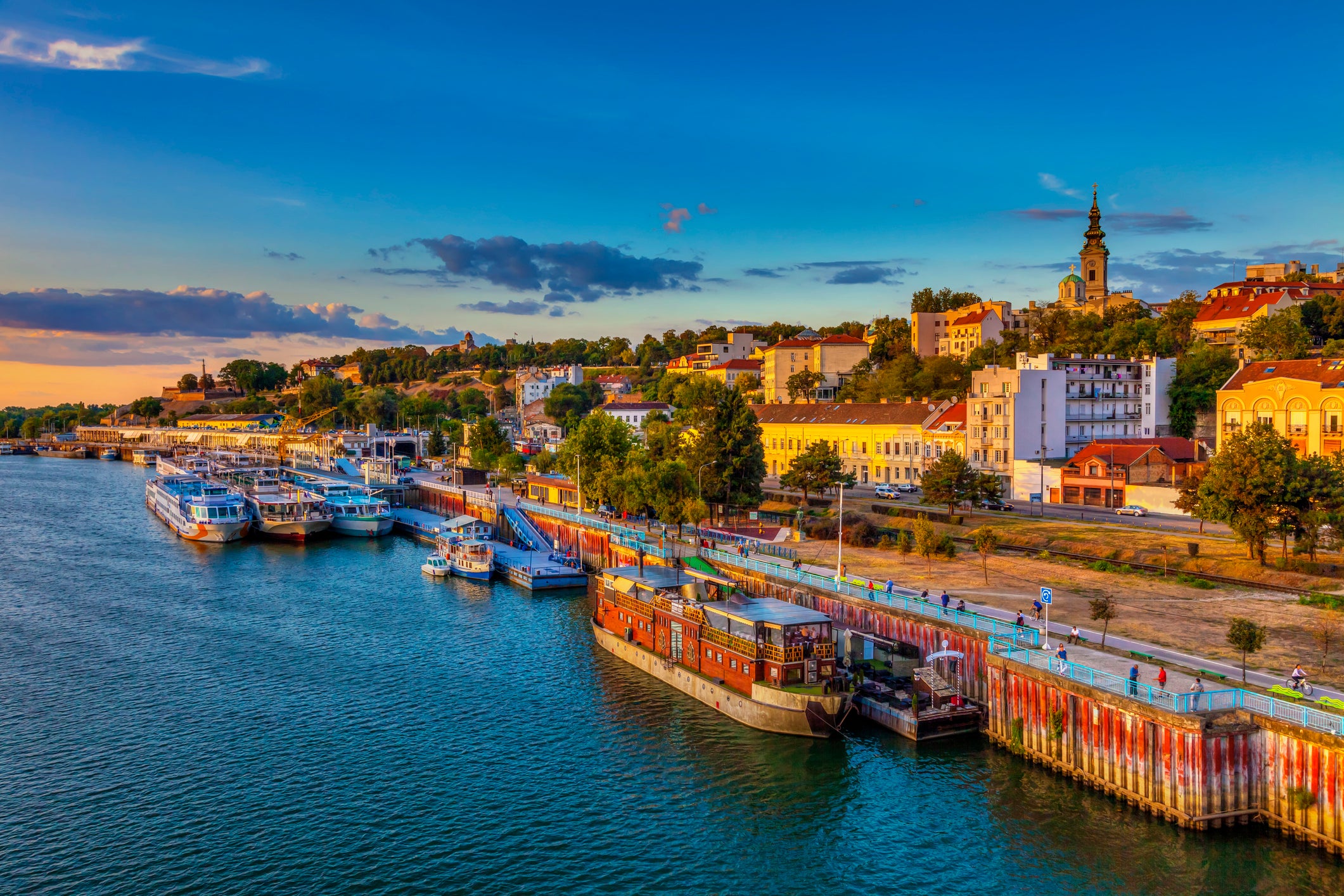
This landlocked Balkan country is another destination favoured by city breakers who make a beeline for the diverse capital of Belgrade. Known for topping lists of the best cities for nightlife in Europe, come the summer, Belgrade’s two rivers come alive with floating splavovi clubs. For a culture fix, the city’s top attractions include the Belgrade Fortress with views over the city, Saint Sava Temple, which is one of the largest churches in the world, and the picturesque Skadarlija bohemian quarter brimming with kafanas (taverns) and antique shops.
Outside the city, Serbia has five national parks to explore, including Tara, filled with mountain peaks, archaeological sites dating back to the Neolithic period, and outstanding valley views such as the one at Banjska Stena.
Read more: How accessible is Eurostar? I tested the journey from London to Paris as a wheelchair user
United Kingdom
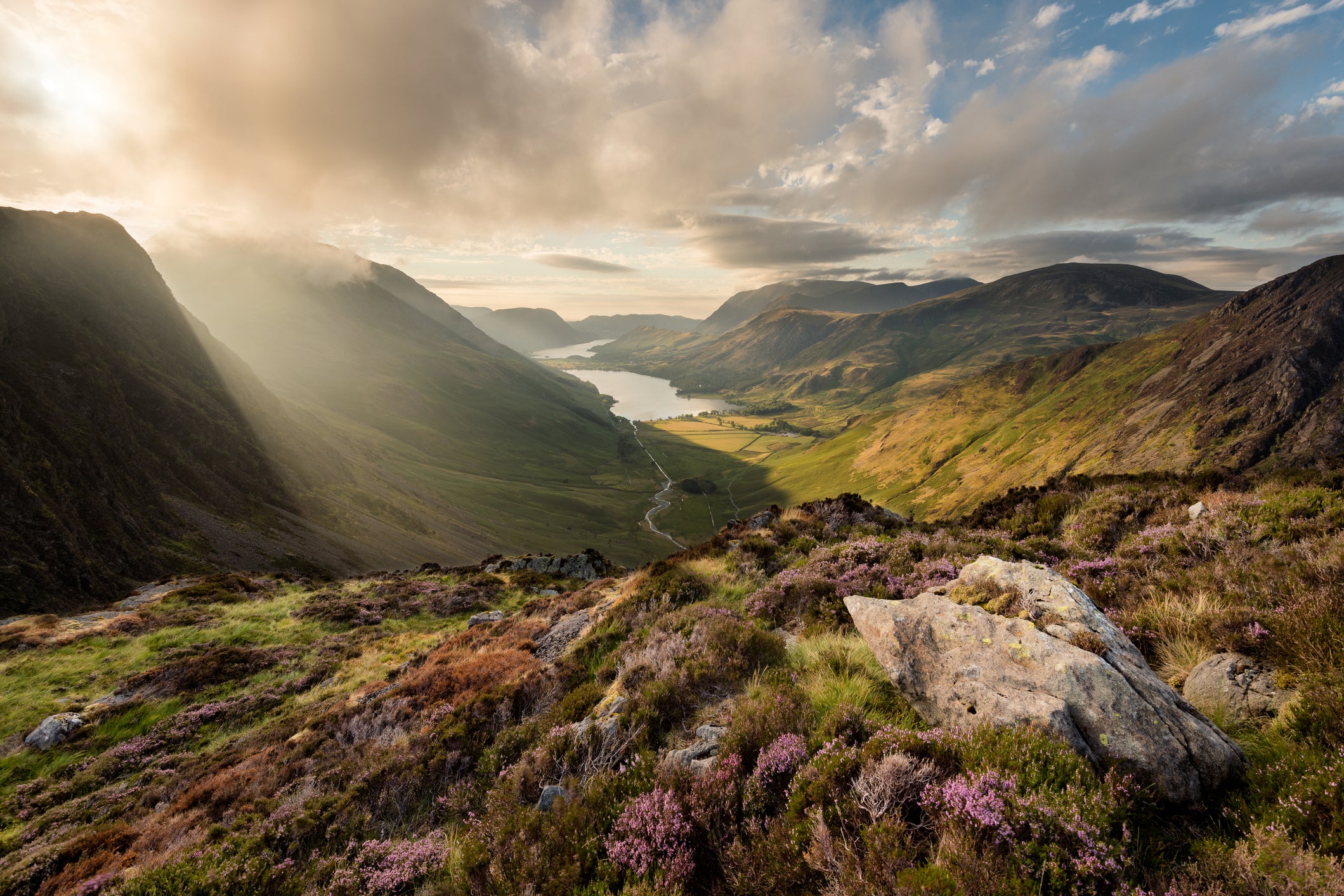
One of the best ways to avoid the EES queues is to embrace a staycation at home in the UK. There are plenty of popular holiday destinations across our isles – from exploring the highlands and islands of Scotland to escaping to the Pembrokeshire coast in Wales, or taking a trip to the bucolic English countryside, such as the Lake District or the Cotswolds. Northern Ireland is home to one of the most spectacular coastlines, with the Giant's Causeway being an unmissable landmark.
Or why not try some more underrated cities for a weekend break? Instead of London or Edinburgh, have a night or two in Dundee, Birmingham or Newcastle.
Read more: The most beautiful towns and villages to visit in the Lake District
What is the Schengen Area?
The EU is a political and economic union of 27 European countries. Not all countries in Europe are in the EU.
The Schengen Area is a border-free zone in Europe that allows citizens and international visitors alike to travel freely between certain EU countries.
The Schengen Area consists of 25 of the 27 EU countries, as well as all members of the European Free Trade Association (Iceland, Liechtenstein, Norway and Switzerland).
The new EES system has been installed at the borders of all 29 of these Schengen countries. In theory, travel from country to country within the Schengen area is classed as domestic, so you should only be asked to visit the EES kiosks when you arrive and leave the Schengen area.
The full list of the 29 Schengen countries is as follows: Austria, Belgium, Bulgaria, Croatia, Czechia, Denmark, Estonia, Finland, France, Germany, Greece, Hungary, Iceland, Italy, Latvia, Liechtenstein, Lithuania, Luxembourg, Malta, Netherlands, Norway, Poland, Portugal, Romania, Slovakia, Slovenia, Spain, Sweden and Switzerland.
Despite being in the EU, Cyprus and Ireland are not in the Schengen Area, meaning that EES has not been installed at their borders.
For the completists, Andorra, Monaco, San Marino and Vatican City are de facto part of the Schengen Zone because travellers need to pass through Schengen countries to get there.
Belarus and Ukraine are European countries, but are not part of the Schengen Area or the EU, and did not make the above list as the UK’s Foreign Office currently advises people not to travel there.
Non-EU countries including Georgia, Turkey, Azerbaijan, Russia and Armenia, which some may consider partly European, were also not included as they have transcontinental status.
Due to it's geographical location, Cyprus can be considered Middle East or Asia, but we included it in our list as it is part of the EU.
What about overseas territories?
There are various rules for overseas countries and territories (OCTs), outermost regions (ORs), autonomous regions and autonomous constituent countries, all of which mean something different in how they relate geopolitically to European countries.
The majority of territories with ties to Schengen Area countries are not part of the Schengen Area itself, meaning that UK travellers will not have to complete EES when entering or exiting those destinations.
For example, overseas France, such as Reunion, French Guiana and French Polynesia, are not part of the zone.
This is the same for Greenland and the Faroe Islands, which are part of the Kingdom of Denmark, as well as the Kingdom of the Netherlands, which is made up of constituent countries like Aruba and Curaçao. The same goes for Norway’s Svalbard.
There are some territories and regions, however, that have implemented EES as they have been recognised as part of the Schengen Area, including ORs such as the Azores, Madeira and the Canary Islands.
Autonomous regions such as Spain’s Ceuta and Melilla on the North African coast, also have implemented EES checks, while Finland’s Åland can only be reached by passing through Schengen borders, meaning EES will be required to get there.
Recently, there has been a special agreement made between the UK and the European Union regarding Gibraltar, which has made the territory a de facto part of the EU’s Schengen Zone.
UK residents flying in and out of the territory will now have to pass through EES.
Read more: How to navigate the long entry-exit system queues if you have a disability