Venezuela could face violent instability following the shock capture of President Nicolas Maduro by the US military, experts have warned.
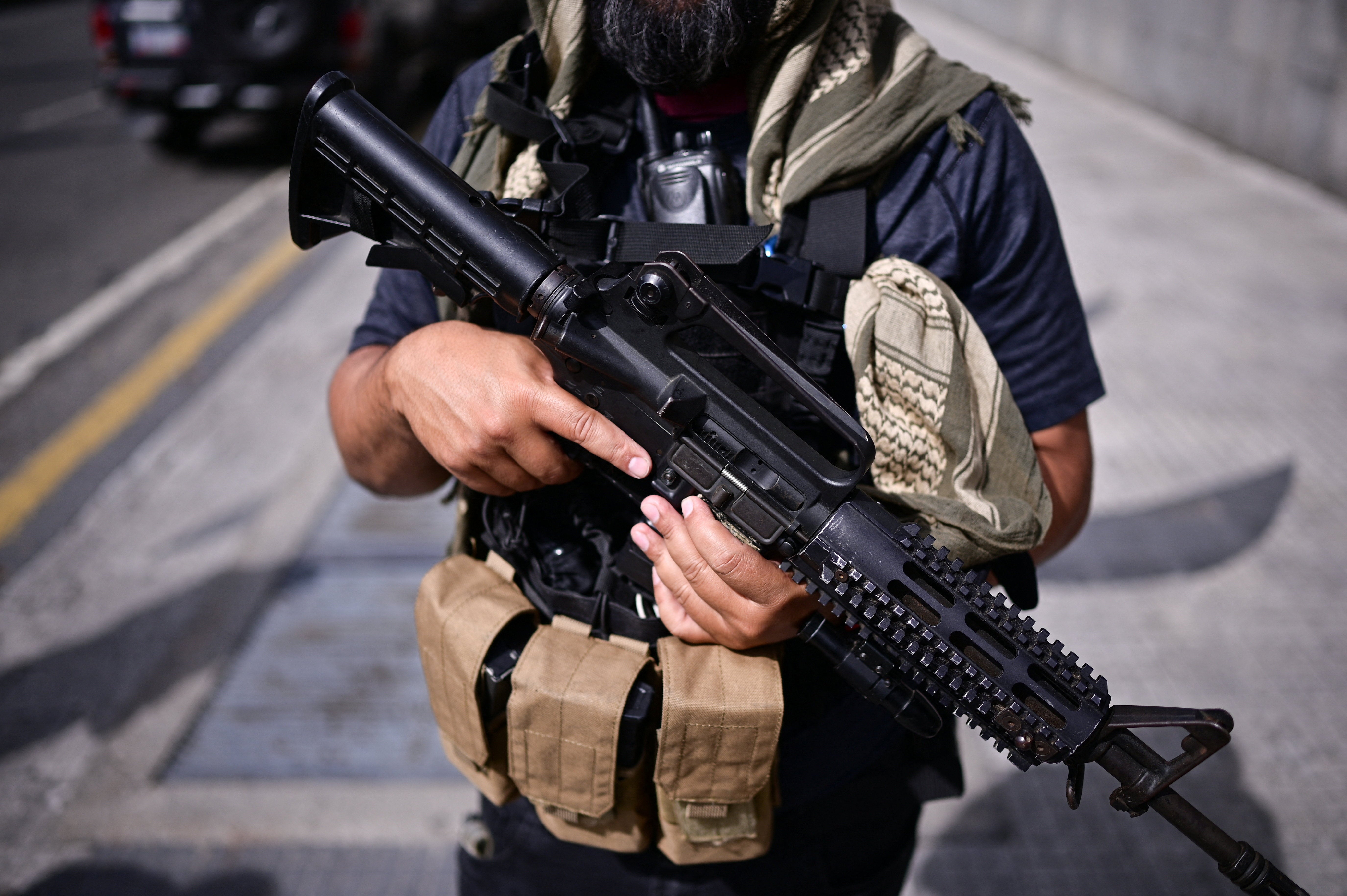
While Maduro’s vice president Delcy Rodriguez was quickly sworn in with US-backing, there are fears a political vacuum sets the stage for a power struggle among multiple heavily armed factions that could spark an insurgency.
Some of the groups remain loyal to Maduro while others will be eyeing the opportunity to overthrow his supporters.
“Venezuela is primed for violent resistance to the US controlling the oil,” says Robert Pape, a professor at the University of Chicago’s political science department and director of the Chicago Project on Security Threats, saying it is the “perfect terrain for insurgency. Chaos is coming.”
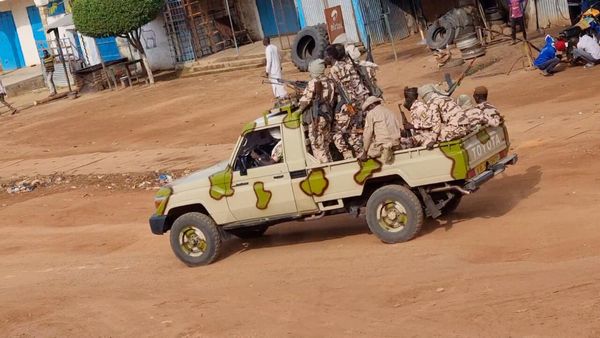
“Today, Venezuela hosts numerous armed groups, including colectivos who are pro-government militias used for repression, Colombian guerrillas like the ELN and remnants of FARC, major criminal networks like Tren de Aragua and elements of the Venezuelan Military operating semi-autonomously,” Prof Pape explained.
“Although murky, these groups number in the tens of thousands and have exquisite local knowledge about the terrain.”
Unlike the US-led invasion of Iraq, which led to regime change and the securing of lucrative oil contracts, Prof Pape warns that military action in Venezuela would lead to trouble “far worse than Iraq”.
In addition to the armed groups, drug cartels could also pose a threat amid the political instability – and they will not follow the usual ‘rules’ of war.
“While drug cartels are often as well-equipped as paramilitary groups, they are used to guerrilla warfare and using extreme violence as an intimidation factor,” says analyst Adam Cochran.
“They don't apply the regular rules of war or the rules for enemy combatants. To them, everything is a target, any moment is an acceptable time to strike, and any action that sends the clearest message is prioritized. Cartels don't take Prisoners of War.”
He warns that the brutality of such criminal gangs would be extreme.
“If they capture American soldiers, they would send pieces of them back to the US base as a warning,” he says. “That kind of asymmetric brutality is not something the US military is prepared for.”
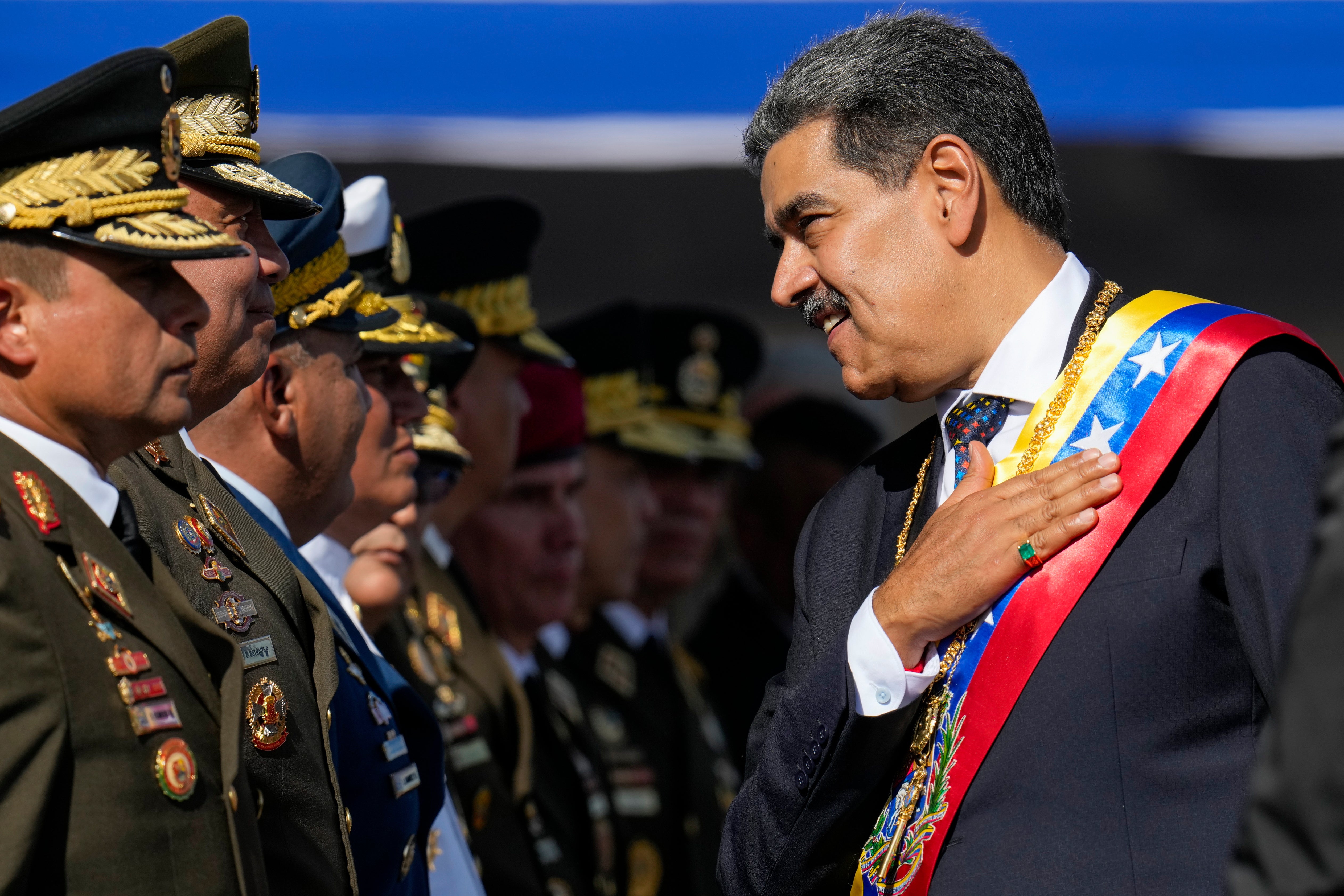
The US Treasury department’s office of foreign assets control identified Maduro as the leader of the Cartel of the Suns, a network of senior military officials that are reported to ship tons of cocaine abroad. He denies he is involved in drug-trafficking.
The Journal of Democracy likens Maduro to Colombian drug lord Pablo Escobar, pointing to violence by drug cartels orchestrated across Venezuela and other regions. The publication has previously warned that drug cartels possess the power of militaries.
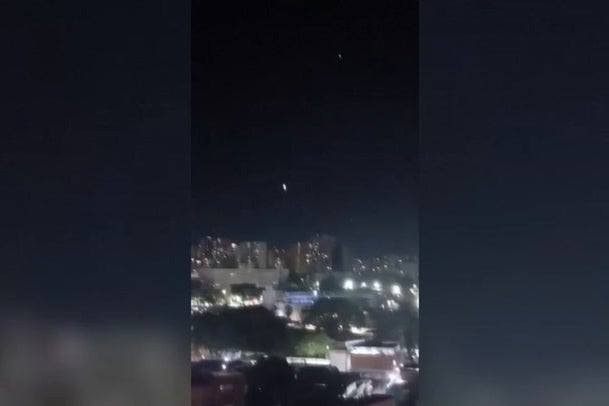
Just two days after the leader’s removal there have been early signs of potential trouble. Gunshots rang through the air of Caracas on Monday night as rival security groups appeared to clash near Maduro’s Miraflores presidential palace.
Audio heard by CNN indicated that paramilitary groups – called colectivos and associated with Maduro’s regime – clashed with other security units over a “misunderstanding” as urgent calls for backup were made.
Separate footage shows anti-aircraft fire and lights from drones light up the sky over the city.
“No confrontation occurred, and the entire country is completely calm,” Venezuela’s ministry of communication insisted.
The ministry added that police had fired at drones “flying without permission” but did not say who could be operating them.
The White House washed its hands of the incident, saying the US was “not involved” but would monitor the situation.
Prof Pape, who has studied every US effort at regime change since the Cold War, says there is “virtually no chance” that the US can control Venezuela’s oil in a meaningful way due firstly to these armed groups and secondly because of the difficult terrain surrounding its oil sources.
“US forces have previously struggled in unfamiliar territory including the mountains of Afghanistan and in Vietnam,” he continues.
“It is the perfect terrain for insurgency and terrorism, with mountains, heavy forests, narrow urban streets that offer a multitude of easily concealed areas for guerrilla forces to hide and conduct ‘hit and run’ operations against US Marines and civilian contractors necessarily stationed and working in predictable locations.”
Trump notable failed to back Venezuela’s opposition leader, María Corina Machado, claiming the Nobel Peace Prize winner did not have the support needed to replace Maduro. Machado has indicated she wants to return to her homeland having fled the country, and called for elections.
But with Trump ruling out elections any time soon, the country’s immediate political future remains uncertain.
Prof Pape warns: “Mass opposition will grow worse with the passage of time. Decapitating Venezuela’s government means future economic hardships for the population will be on America’s shoulders. Forget about much useful intelligence from local people.
“Expect mass shirking and outright support for violent action against Americans and anyone helping them.”
Starmer must stand up to ‘thieving Trump’, Ben Wallace says
Jesse Watters denies US action in Venezuela is just ‘common sense’
Putin sends navy escort as Trump ‘plans to seize’ banned oil tanker – live updates
Oil prices drop as Trump vows to seize up to 50m barrels of Venezuelan crude
Judge asks disqualified Trump prosecutor why she’s still using job title
Rapper Tekashi 6ix9ine becomes latest celebrity inmate at notorious NYC jail