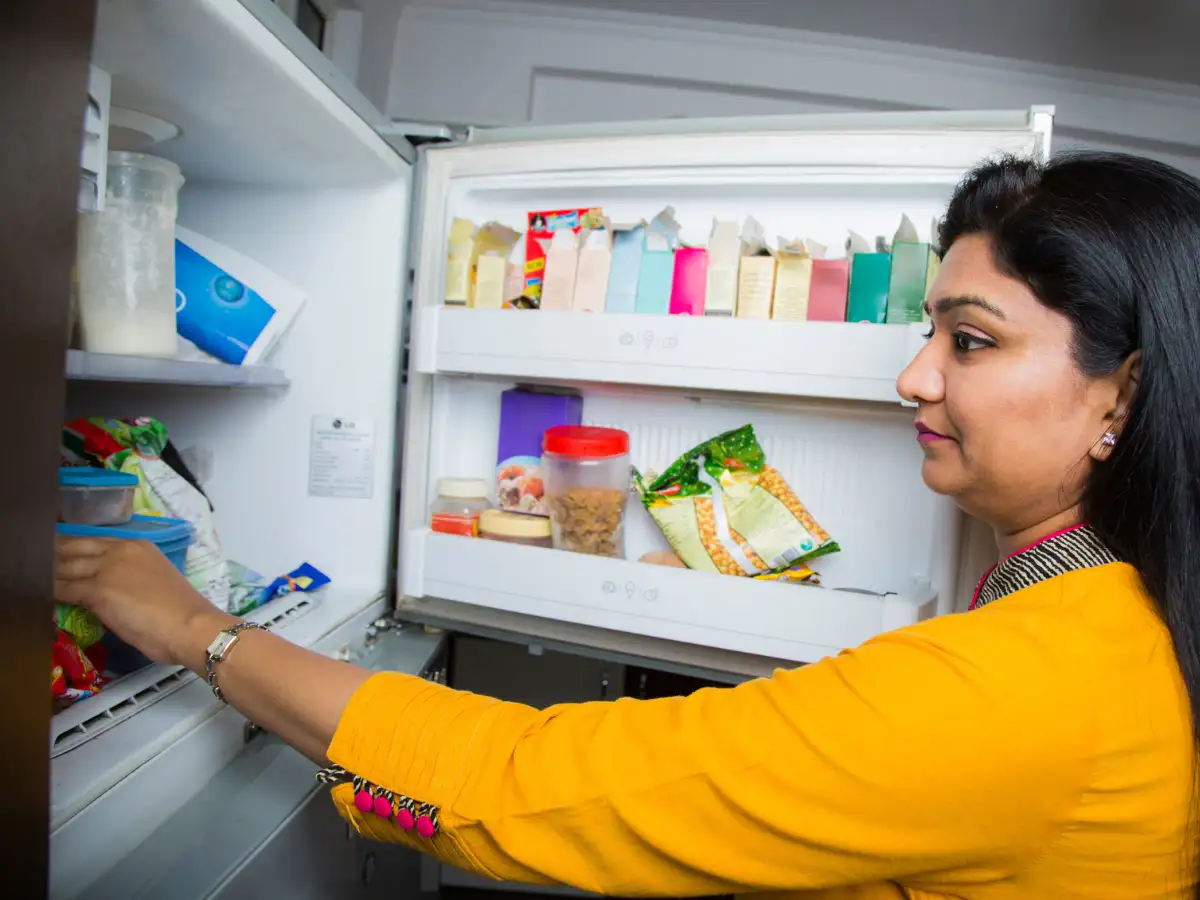
With temperatures climbing across India, your fridge is working overtime to keep food fresh. But according to the Food Safety and Standards Authority of India (FSSAI), many people are still making simple storage mistakes that can quietly increase the risk of food poisoning during summer.
In a recent awareness post shared on X, FSSAI reminded people that proper food storage inside the refrigerator is just as important as refrigeration itself. The food regulator stressed that separating raw and cooked foods can play a huge role in preventing contamination at home.
Why Food Safety Becomes More Important in Summer
Hot weather speeds up bacterial growth, especially when food is left outside for too long or stored carelessly. During summer, even a small mistake in the kitchen can cause food to spoil much faster than usual.
Experts say bacteria multiply rapidly in warm and humid conditions. That means food that appears perfectly normal may still contain harmful germs capable of causing stomach infections, vomiting, diarrhoea and nausea.
This is why FSSAI is encouraging households to pay closer attention to how food is arranged inside the fridge.
FSSAI’s Key Advice: Keep Raw Foods Separate
One of the biggest food safety mistakes people make is storing raw meat, poultry or seafood alongside ready-to-eat food.
According to FSSAI, juices from raw chicken, fish or meat can easily drip onto fruits, vegetables, leftovers or dairy items and spread bacteria without you noticing.
To reduce the risk of cross-contamination:
- Store raw meat and seafood in sealed containers
- Keep them on the lower shelves of the fridge
- Avoid placing cooked meals underneath raw items
- Use separate shopping bags for meat and vegetables
This simple habit can significantly lower the chances of foodborne illnesses at home.
Your Fridge Temperature Could Be Too High
FSSAI also recommends keeping refrigerator temperatures below 5 degrees Celsius.
Many people unknowingly overload their fridge during summer, which blocks cold air circulation and affects cooling efficiency. If the fridge becomes even slightly warmer, bacteria can begin multiplying quickly.
A few easy ways to improve fridge hygiene include:
- Cleaning shelves regularly
- Not storing hot food immediately
- Avoiding frequent door opening
- Throwing away stale leftovers on time
Why Eggs Need Extra Care During Hot Weather
Eggs are particularly sensitive to temperature changes during summer.
FSSAI advises storing eggs inside the fridge and avoiding raw or half-cooked eggs during extremely hot days. Proper refrigeration helps maintain freshness and lowers the risk of bacterial contamination.
Leaving eggs outside for long periods, especially in hot kitchens, can increase spoilage risks much faster than people realise.
Small Kitchen Habits Can Prevent Big Health Problems
Food poisoning cases often rise during summer because bacteria thrive in heat. Something as simple as storing raw chicken above leftover curry or keeping seafood uncovered can create hygiene issues inside the fridge.
FSSAI’s latest reminder highlights that good food safety habits do not require expensive appliances or complicated steps. A little extra care with storage, temperature and cleanliness can make a major difference.
Easy Summer Fridge Tips to Follow Every Day
To keep food safer during hot weather:
- Separate raw and cooked foods
- Keep fridge temperature below 5°C
- Refrigerate eggs properly
- Cover leftovers tightly
- Clean your fridge regularly
- Avoid keeping cooked food outside for long
As summer temperatures continue to rise, following these simple FSSAI-backed food safety tips could help protect your family from avoidable illnesses.
Inputs from agencies