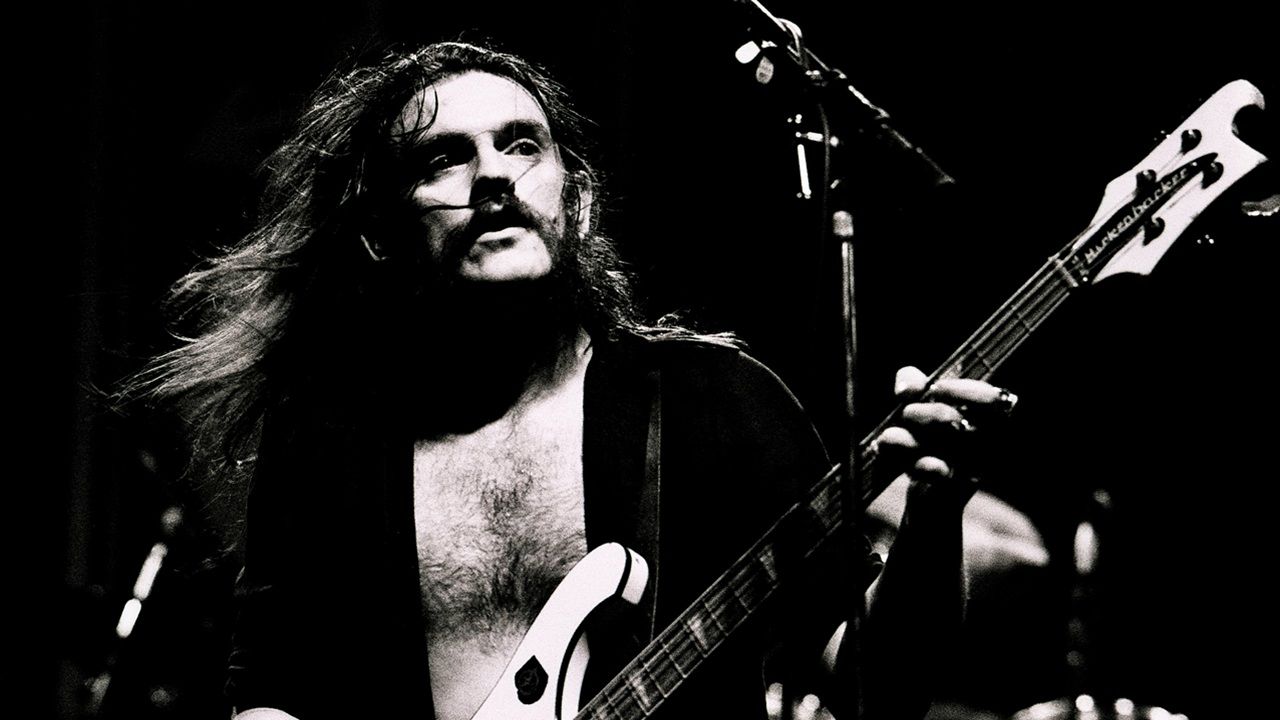
Ian Fraser Kilmister didn’t just live rock’n’roll, he was rock’n’roll. For 40 years, this roaring warlord led Motörhead on a crusade to show every other band that had ever existed up for the makeweights they were.
During that time, no bottle of Jack Daniel’s was left undrunk, no cigarette left unsmoked, no line of speed unsorted, no eardrum unbattered. It wasn’t so much a badge of honour as instinct. He was Lemmy. That is what he did.
2025 is a year of Motörhead anniversaries. It marks 50 years since the band formed, and 10 years since their frontman died. Lemmy passed away on December 28, 2015, four days after his 70th birthday and 17 days after what would turn out to be Motörhead’s last gig – exactly the same amount of time between his great friend Ozzy Osbourne’s farewell at the Back To The Beginning show and his own passing a decade later (maybe the old reprobates had planned it in advance).
Lemmy may no longer be with us, but his legacy definitely is. This is the story of the real man behind the myth, by the people who knew him.
Lemmy was born in Stoke-on-Trent on Christmas Eve, 1945, and raised by his mother after his biological father, a vicar, left the family when his son was just three months old. The young Lemmy passed through several groups in his late teens and early 20s, including The Rockin’ Vickers and Sam Gopal, but it was his four-year stint in psychedelic explorers Hawkwind in the early 70s that gave him his first real taste of success.
Dave Brock [Hawkwind singer/guitarist]: “Being in a band with him was never dull. We were young and Hawkwind was an eccentric band, so he fitted in with us really well.”
Phil Campbell [Motörhead guitarist 1984 onwards]: “I actually met him way back when he was in Hawkwind. I went to see them at the Cardiff Capitol Theatre and hung around in the big foyer hoping to meet them. Lemmy was the only one that came out. He signed my programme. I’ve still got that somewhere. If someone had told me that day I’d be in a world-famous band with that guy for over 30 years… it’s inspiring.”
Dave Brock: “Part of the growing divide [in Hawkwind] was that Lemmy took downers and speed, while the rest of us were into LSD. Things came to a head when he got pulled at the Canadian border in 1975. Lemmy had a tiny packet of speed on him. They mistook it for cocaine and he got thrown into jail.
So with everyone believing he might be in prison for a year or more, there was a big band meeting. He was voted out by two to four. It fell to me to break the bad news. He was really upset. He went back to England. Apparently he slept with several of the band’s girlfriends… who knows whether or not that’s true.”
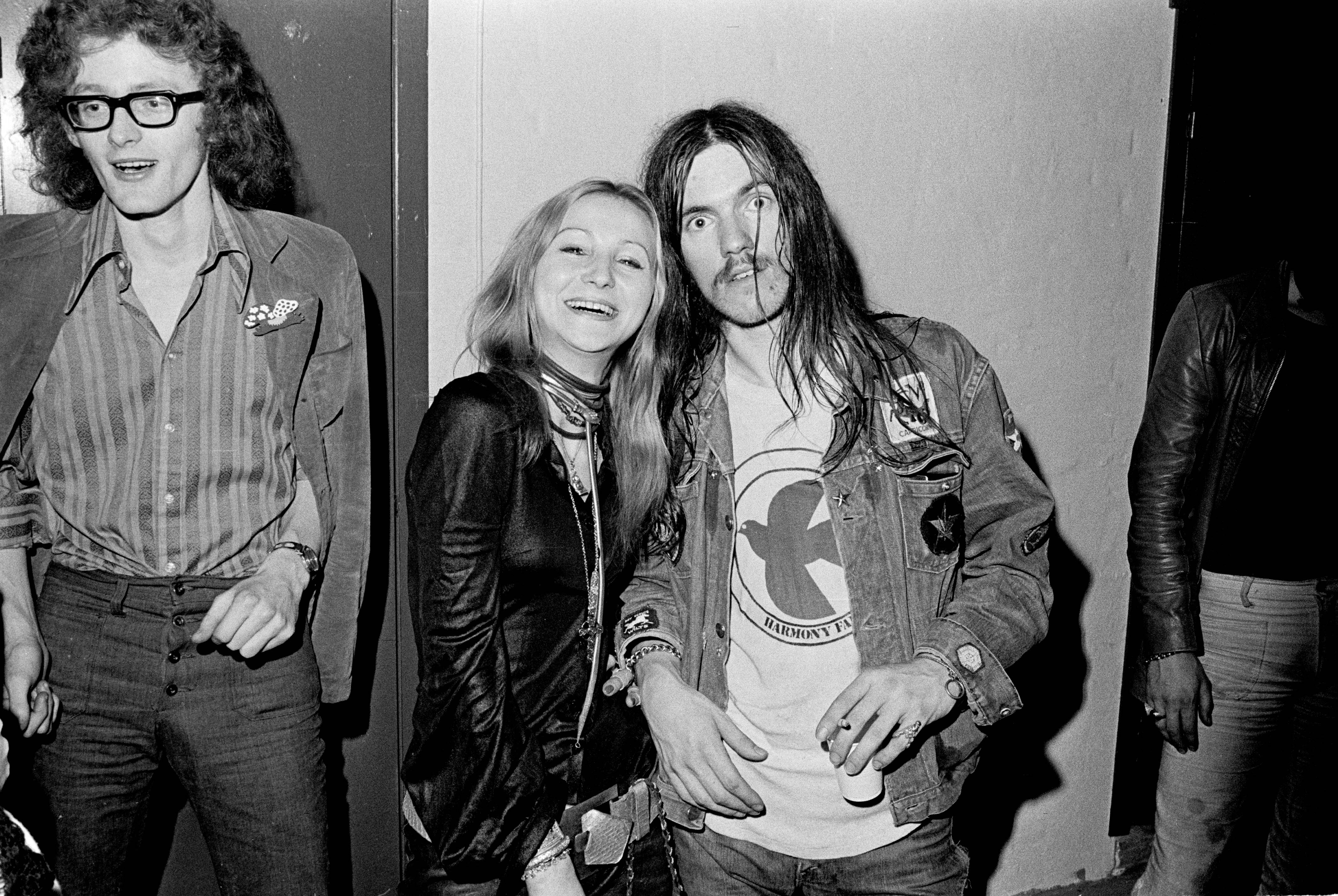
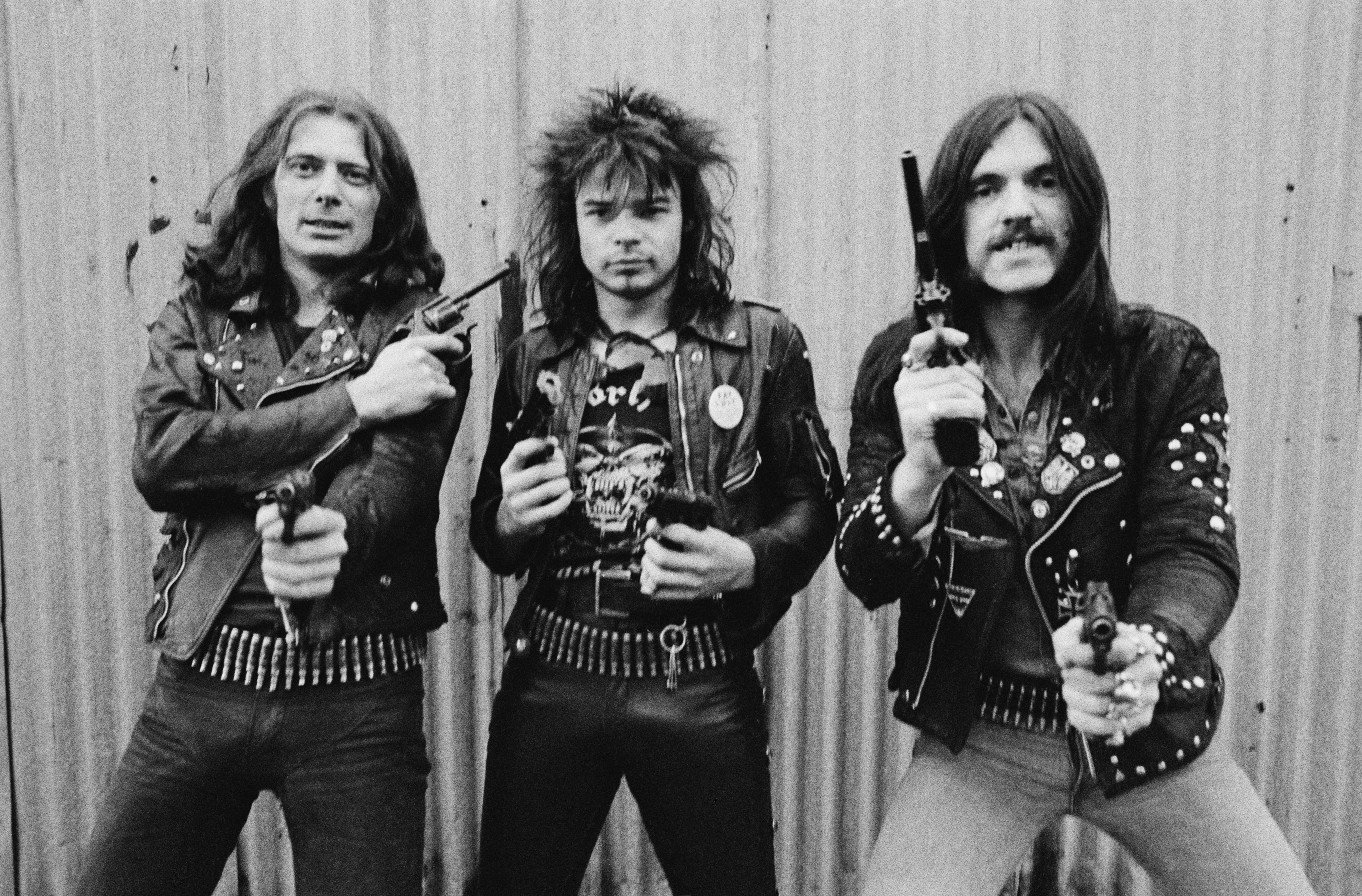
Lemmy bounced back from his firing from Hawkwind by forming a new band in 1975. Originally named Bastard, they were wisely rechristened Motörhead after a song he’d written and recorded with his former. Thanks to albums such as 1979’s Overkill and Bomber, 1980’s Ace Of Spades and 1981’s No Sleep ’Til Hammersmith (a UK No.1), Lemmy, guitarist Fast Eddie Clarke and drummer Philthy Animal Taylor became one of the rare bands that metal fans, punks and bikers were all allowed to like.
Phil Campbell: “The first time I heard Motörhead was around the time of that first album [1977’s self-titled debut]. They sounded so different from anything anyone had ever heard.”
Kim McAuliffe [Girlschool]: “We supported them on the Overkill tour. They’d heard our first single, and liked it. And Lemmy being Lemmy, he probably thought, ‘An all-girl band, oi oi!’ We were quite scared to meet him. Of course, as soon as he walked in, we got on like a house on fire.”
Biff Byford [Saxon]: “I first met Lemmy in ’79 when Saxon supported Motörhead on the Bomber tour. They were in the front of the bus and we had the back. They were into quite heavy drugs, speed was their thing. All three of them were fucking nuts. But there were hidden depths with Lemmy, once you got to know him.”
Kim McAuliffe: “He was a gentleman around us. He did introduce us to Special Brew, though. We always say we blame Lemmy for all our bad habits.”
Biff Byford: “We had a couple of days off on the tour and we went to the house they had together in London. It was madness. They were throwing darts at pictures of their manager and shooting holes in the door with air rifles.”
Motörhead’s classic three-piece line-up became an equally classic four-piece line-up in 1984, when guitarists Phil Campbell and Würzel replaced the departed Fast Eddie Clarke. By 1992, Philthy Animal was out and Swedish drummer Mikkey Dee was in. When Würzel left in 1995, Motörhead were once more a trio, and would remain so for the next 20 years.
Phil Campbell: “Lemmy was so welcoming to me and Würz, and so funny. We all moved in together into a house in Kensal Rise, in London. Things got wild there, God knows what the neighbours thought. We were always getting high in the garden. I remember, quite late one night we were sat in the kitchen and we could hear this noise at about 3am. We turn the garden light on and there’s Lem, high on whatever, out in the garden trying to trim weeds in the dark with a pair of scissors.”
Mikkey Dee [Motörhead drummer 1992 onwards]: “The first time he asked me to join was in 1987, when I was drumming in King Diamond. I respectfully turned him down because I didn’t think I’d earned my stripes. When I joined the band in 1992, he took me aside and said, ‘Mikkey, good manners cost nothing. And if you walk into a room and there’s an asshole in there, make sure you’re the biggest asshole.’ I’ve lived by that my whole life.”
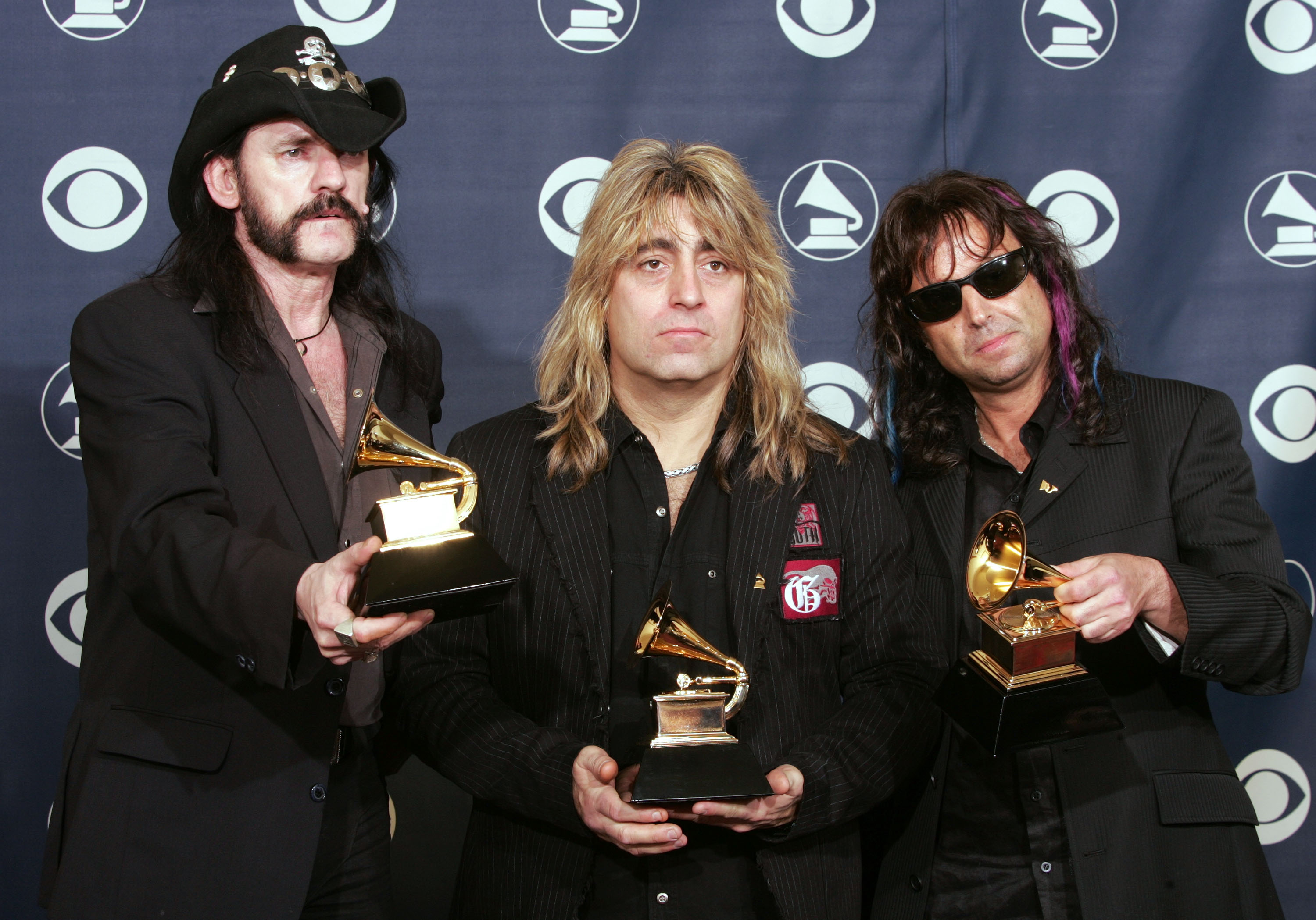
It was during the 80s that Lemmy was enshrined as one of rock’n’roll’s great outlaws whose life centred around alcohol, amphetamine sulphate, women and music.
Cameron Webb [Motörhead producer 2004-2015]: “I first heard Motörhead when I was 14 years old. My brother turned me onto listening to [1986’s] Orgasmatron and [1987’s] Rock ’n’ Roll: ‘You’ve gotta listen to these guys – their singer is the meanest-looking guy, and he gets chicks! He’s so fuckin’ cool!’ I couldn’t understand it! ‘That guy gets girls?!’”
Phil Campbell: “I never saw him get drunk. The speed meant he’d get through a bottle and half of Jack Daniel’s and not even be tipsy.”
Mikkey Dee: “I only saw him super-drunk once, in all those years. We were on a flight to Argentina and he had a couple of bottles of whiskey.”
Cameron Webb: “When we went to record in London one time, we all went out drinking. Lem goes, ‘I want to take you to my favourite bar.’ We drank there until 6am when the sun was coming up. We’re supposed to be working at noon. It’s like, ‘Hey, maybe we start at 3 tomorrow?’ We ended up starting at 6, we were all still so wrecked.”
Todd Singerman [Motörhead manager 1992 onwards]: “He never got hangovers. You don’t stop drinking, you can’t get a hangover, and he didn’t stop drinking. If I had to wake him up at his apartment, he still had whatever Jack and Coke he had from the night before next to him in a glass. He’d get up and put a couple of ice cubes in it and pick it right up and start right over again.”
But Lemmy the party animal was just one facet of his personality. He was a learned man, though his knowledge was self-taught.
Phil Campbell: “Lemmy was very astute at the English language. I’d try and catch him out, find a big word from somewhere and I’d ask what it means. He’d always be able to explain it.”
Todd Singerman: “That guy was cerebral. He could talk about everything. I used to trip out that he’d be reading three books at one time. I was like, ‘Who the fuck does that?’”
Phil Campbell: “He never wasted time, he’d be reading, or listening to music, or watching something.”
Todd Singerman: “Keep in mind that he’s on speed, too. He can’t keep it inactive. He couldn’t just lay there. He needed stimulation at all time. That’s why he loved gambling on those slot machines, ’cos it’s all fast and stimulating. For a speed freak, you can’t get better than that.”
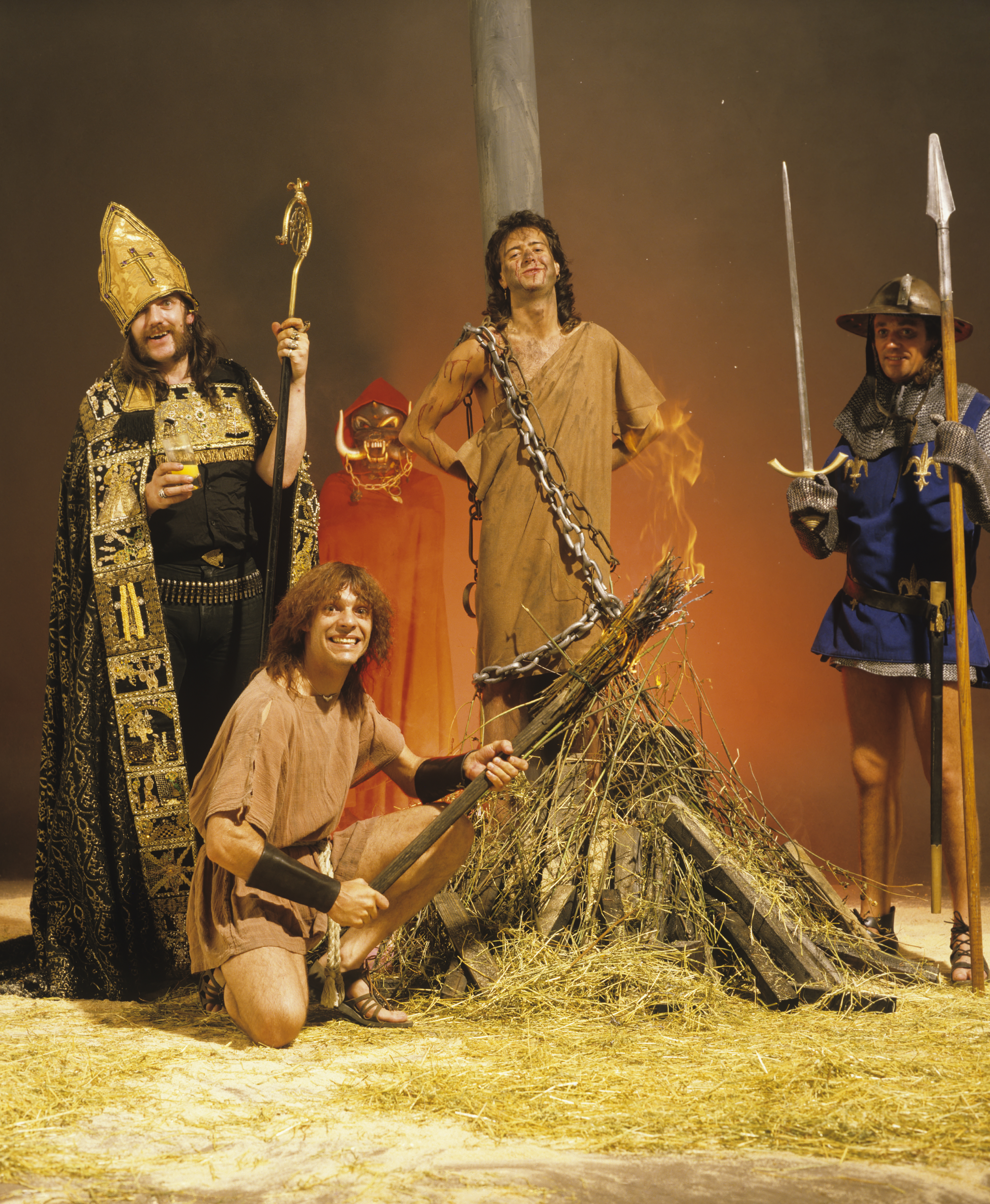
For all the tales of Lemmy’s wildness, he was a musician first and everything else second. And no one else sounded like he did, sang like he did or wrote songs like he did.
Phil Campbell: “He was a rhythm guitarist who played it all on his bass. He never cared much for being a lead player, he liked to do these rock’n’roll bits and just tapped his feet to move with the groove. He wasn’t interested in how people wanted him to play – he did it his way.”
Mikkey Dee: “Sometimes we’d come out of this Motörhead frame, go in different directions, but whatever Lemmy did with the bass made it into Motörhead. We’d be there, ‘Ah, we can’t fucking use this one.’ He’d save it and turn it into a smash fucking Motörhead song.”
Phil Campbell: “We wrote for ourselves – not for fans, not for the record companies. I remember Lem saying, ‘Thank god Ace Of Spades was a good song. Imagine if our biggest hit was a turkey?’"
Todd Singerman: “I remember when I got involved around the time of [1992’s] March Or Die, the label wanted him to do a rap song. Lemmy told him they could all stick it up their ass. He literally told them to fuck off.”
Mikkey Dee: “On [1998’s] Snake Bite Love there was a song called Night Side and that’s one we fucking hated but put on the record anyway. Lem and I would laugh about that. We would do interviews about how we wrote what we wanted and threw out the shit we didn’t like. Lem would go, ‘Hang on Mikkey, we have done one shit song. Damn!’”
Lemmy may have been at home in the studio, but he was a road dog at heart. Motörhead played more than 3,000 gigs during their lifetime, never taking more than a few months off at a time.
Biff Byford: “Being out on the road with him and Motörhead was quite an experience. How he would stay up so late, drinking and doing whatever, and continue to perform at such a high level was something to behold.”
Phil Campbell: “If it was a long journey, we would be there on the back of the bus with Abba or the Bee Gees, trying to sing along with various degrees of success. I imagine that would’ve been hard to listen to, but we definitely had a go.”
Mikkey Dee: “US tours would be so long – we’d play for three or four months in a row. The worst thing would be that he smoked so fucking much. Lemmy would chain smoke in the back lounge and the whole bunk area would fill with smoke. He’d smoke so much you couldn’t see in front of your face.”
Phil Campbell: “Sometimes, in the middle of the night, you’d hear him start playing the harmonica. He’d just be there, in the back of the bus in the early hours of the morning, blowing away. It could be maddening, but we loved it a little bit, too.”
Mikkey Dee: “Any joke shop we passed in America, Lem could go in and spend a couple thousand dollars on a bunch of junk. Everything from stickers and keychains, funny hats and noses to the fart machines. He redecorated every bus we got on. They’d be covered in stickers and drawings. The bus drivers would think they’d gone to Hell.”

Like many intelligent, articulate people, Lemmy was a complex man. He could be friendly or frosty, kind or rude, depending on his mood and what substances he had taken. But he had a particularly low tolerance for fools.
Phil Campbell: “He was always very polite to people. He couldn’t stand rudeness. He was a gentleman 99% of the time, until something pissed him off and then he’d fight for his rights. You could only push him so far. He couldn’t stand to be surrounded by idiots.”
Todd Singerman: “Did I see him upset? He was upset on a daily basis. He was a fucking alcoholic speed freak! He was upset all day!”
Phil Campbell: “I remember going to [prestigious LA recording facility] A&M studios. Howard Benson was producing and me, Lem and Mikkey ended up arguing about something. Howard said, ‘I can settle this for you now, I’ve been recording the last 20 minutes.’ It turns out Lem was wrong. He was eating this cheeseburger, and he suddenly rammed it into the mixing desk, getting all this cheese and lettuce gummed up into this $2,000,000 desk. Poor Howard, he had to call out and say, ‘Can we get a repair man? Lemmy from Motörhead’s just trashed our desk with a cheeseburger.’”
Mikkey Dee: “Sometimes he was a little fuckin’ girl, if he was screaming at us about nothing. But we would scream right back! We had great arguments, in such a friendly way. Like a family should have. There was never any pissing or moaning – there was never trash talk behind anyone’s back.”
Todd Singerman: “He never took things home with him. You could have an argument with him - ‘Fuck you!’ ‘No, fuck you!’ – but he would never bear a grudge the next day. If you had a fight with Lemmy, the next day it would be wiped clean.”
Cameron Webb: “The first record I did with them was [2004’s] Inferno. It was a hard record – Lemmy and I fought a lot. By the end of it, I was exhausted. Late nights, early mornings… Yelling, fighting, drugs, alcohol… everything always went on. At the very end, Lemmy took me to his house and gave me a sword. I actually have it at my studio now. We got to his house and he said, ‘Cameron, I fucking love this record. I’m so proud of it, it’s one of my favourites. So I want to give you this gift and hire you for the next record.’ I thought he hated my guts!”
Lemmy may have liked people – or at least liked some people – but he had no time for the music industry. He had been burned over and over again at the hands of labels ever since the start of Motörhead’s career.
Phil Campbell: “Promoters lying to us made him angry. He took off a metal door once. He was wild about some promoter, I can’t remember what it was over, but he just took this big metal door off its hinges.”
Todd Singerman: “Lemmy didn’t trust anybody. Those were lessons he learned. Everybody had fucked him over eventually. He thought that other people should have no say over what he did: ‘This is my music, not yours, fuck you.’”
Phil Campbell: “He demanded our prices always be in the range of the working man, so everyone could hopefully afford to see us. I know we couldn’t put huge amounts on those tickets anyway – we’re not U2 or Madonna – but he was insistent about that.”
Mikkey Dee: “He took care of people. He was extremely concerned about taking care of our crew. We could argue about that. He would spend a fortune on getting the crew comfortable, five-star hotels and travelling well. It was super-kind, but our budget couldn’t always afford that. We’d argue and he’d say, ‘Mikkey, you only think about money.’ But it was like, ‘If we do this, we’ll be on our ass.’ His kindness could turn into stupidity at times!”
Todd Singerman: “Everyone else was in it for the money and the rest of it, they’re trying to get the most they can. Motörhead didn’t go that route. We never made a lot of money compared to others. It had to do with the fact he wouldn’t let the ticket price be too high. He said, ‘If a working man can’t afford to come to my show, then I’m doing something wrong.’ It wasn’t about money. It was never about money."
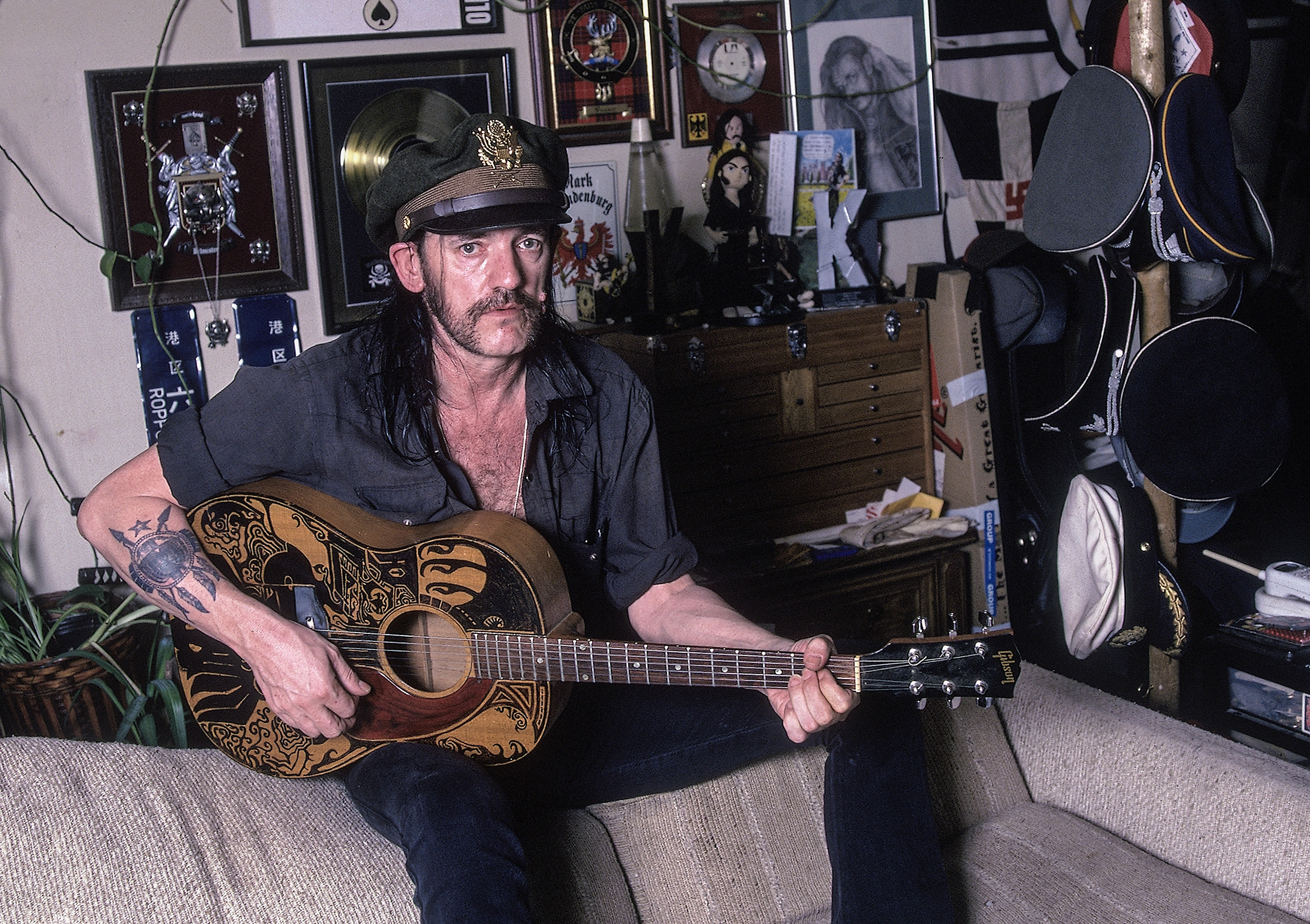
Lemmy may have given the impression of being immortal, but he wasn’t. He was diagnosed with Type 2 diabetes in the early 2000s - the first of a series of health issues that would continue to plague him over the next decade and a half. Not that he let that change him.
Todd Singerman: “What started all of this problem was the diabetes. That’s when we had to try to get him off booze. That was never going to happen. His compromise was vodka and orange juice. Orange juice is all sugar, but in his mind it was cleaner. Doctors used to tell me, ‘He needs more water, more hydration.’ So the fucker, in front of my face, put two more ice cubes in his drink.”
Cameron Webb: “When we started [2013’s] Aftershock, Lemmy told us he was going to need to get a pacemaker put in after he finished recording. He’d seen a doctor, but he wanted to do a record first. We did 10 songs’ worth of pre-production, but I felt like five of those were not good at all.
We decided to take a break – he’d get his pacemaker put in, and come back to do the remaining five songs with more ideas. So Lemmy goes away and sees his doctor, and the doctor is like, ‘Holy shit! If you’d waited another week, you’d have died. We need to put this in today.’ It was supposed to be a one-day process originally, but he ended up in hospital for, like, two weeks – he’d almost died.”
Todd Singerman: “I said, ‘Lemmy, you gotta start eating more vegetables.’ So he had sour cream and onion potato chips. In his mind, those were the vegetables.”
Dave Brock: “We did have that difficult conversation about slowing down. I sent him a text saying: ‘A live legend, a dead hero.’ Flying around the world and the stress of playing concerts isn’t good for your body, but I don’t think he paid it too much attention.”
In 2015, Motörhead marked 40 years since their formation with their 23rd studio album, Bad Magic. But it was a tough year. Some shows on the subsequent tour were cancelled due to Lemmy’s health issues, and the death of former bandmate Philthy Animal Taylor in November 2015 hit him harder than anyone realised.
Mikkey Dee: “Before that tour, I said to Lem, ‘Look, let’s just cancel or postpone it.’ Phil and I agreed, we couldn’t really do it, but he insisted. We decided we wouldn’t argue with him anymore, we’d help him do it.”
Phil Campbell: “He had good days and bad days, but whenever we said, ‘Lem, maybe we should take a break’, he refused. He wanted to just keep going.”
Biff Byford: “Saxon supported Motörhead on their last tour of North America, and he hated cancelling or aborting shows. It tore him up inside. When he was unable to finish a show, he would go back out and apologise from the stage. It was brave of him to explain why he couldn’t carry on.”
Todd Singerman: “Philthy’s death [on November 12, 2015] hit him very hard. He changed that day. When he started getting weaker and weaker, we thought it was because Philthy had died and he was bummed. We stopped beating him up, stopped trying to get him to do things. None of us knew what was really wrong with him.”
Phil Campbell: “Nobody realised Berlin [at the MaxSchmeling-Halle on December 11, 2015] was going to be the last show. It was the usual – ‘Good gig.’ We had a big hug after the gig – ‘Nice one, Lem. See you in a bit.’ But I didn’t see him after. I never got to say goodbye properly.”
Todd Singerman: “All of us thought we’d get home and patch him up a little and get him some rest. He had a party for his 70th birthday, and Lars Ulrich and lots of other people came down for it. He could barely recognise these guys. We took him to the doctor’s the next day, and that’s when they started finding all this stuff.”
All this stuff’ was actually cancer. Lemmy’s doctor gave him a prognosis of two to six months to live. A videogame was brought to his apartment from the Rainbow, his favourite Los Angeles hangout. On December 28, just a couple of days after receiving the news and four days after his 70th birthday, Lemmy fell asleep while playing the videogame. He never woke up again.
Todd Singerman: “How did he face death? Like a champ. When the doctor was at the house and told us [he had cancer], I cried right there. I couldn’t help it. And Lemmy was the one who fucking consoled me!”
Biff Byford: “I believe that he wanted to kick the bucket on the road, but he won’t have been too disappointed by the way things panned out. Playing a fucking videogame. He died as he lived. It was quick, at least.”
Todd Singerman: “Literally his whole goal was to drop at the last show of the last gig of the last tour. He missed it by two weeks. Same with Ozzy. They both died exactly 17 days after their last show.”
Lemmy’s memorial service was held on January 9, 2016, at Forest Lawn Memorial Park in Los Angeles. Among those in attendance were members of Metallica, Guns N’ Roses, Foo Fighters, Judas Priest and Anthrax, as well as Ozzy and Sharon Osbourne.
Todd Singerman: “I used to manage Marlon Brando, and Lemmy’s funeral was exactly the same as his. They all said, ‘If it wasn’t for Marlon, I wouldn’t be here.’ They said the same thing about Lemmy.”
Phil Campbell: “Something had burst in me and I was hospitalised. My doctor said I wasn’t allowed to fly to LA for the funeral. My friend Miko Brando – Marlon Brando’s son – owns a flower shop in Los Angeles. I asked them to do this flower display so it was a big mirror and a line of speed, made out of flowers. I was gutted I couldn’t be there, but I made sure to send him one last line of speed.”
Mikkey Dee: “When he turned 50, Metallica put on a party for him [at Sunset Strip club the Whisky A Go Go, where James Hetfield co performed Motörhead covers as The Lemmys while all dressed as the man himself]. He said to me then, ‘If I die tomorrow, I’ve had the perfect life.’ And he got another 20 years after that!”
Lemmy would have turned 80 on December 24, 2025. Physically, he’s not here anymore, but his imprint remains on music, culture and anyone who ever listened to a Motörhead album.
Mikkey Dee: “In interviews people would say, ‘It’s such a tragedy.’ I’d say, ‘It’s not a tragedy. It’s sad, but look at it this way: Lemmy lived 70 years on his premise, his way.’”
Phil Campbell: “What would he be doing if he was still here? Same thing he always did: we’d be playing in Motörhead. We never talked about the end, we always talked about the next album, the next tour, the next gig, the next song. We’d still be blasting away, like it or not.”
Cameron Webb: “He’d be writing music and telling stories. Or he’d be recording. That’s what he loved. If I asked him about taking a day off, he’d say, ‘I’m fucking bored! What am I gonna do, watch a fucking movie?’”
Mikkey Dee: “I consider Lemmy my father, my grandpa, my younger brother, my bigger brother… my younger sister sometimes! He was the whole scale.”
Biff Byford: “Lemmy Kilmister was a good man. He was the ultimate road warrior, the Mad Max of rock’n’roll. With Lemmy what you saw was what you got.”
Todd Singerman: “He lived sex, drugs and rock’n’roll. Everybody fantasises about it, but he lived it, to the very fucking end.”
Phil Campbell: “There was nobody like him before, and won’t be ever again. People loved him.