A tourist was crushed to death by two elephants in southern India’s Karnataka state after the animals began fighting each other, prompting authorities to impose stricter limits on how closely visitors can watch and interact with wildlife.
The 33-year-old woman from Chennai got caught between two fighting elephants while standing near the river with other visitors watching the animals being bathed at the Dubare elephant camp in Karnataka’s Kodagu district.
Officials at the camp told local media that two trained elephants, Kanchan and Marthanda, got into a clash and, during the ensuing fight, the latter fell into the water, trapping the woman beneath it.
The incident was captured on video, which showed the woman struggling in the shallow water as the elephant trampled her while repeatedly attempting to stand up, as the other elephant continued to attack it.
Loud screams filled the camp as attempts by the mahout to break up the fight appeared futile, with the animal repeatedly pushing the other to the ground with its trunk.
The woman’s husband and child narrowly escaped the incident.
The incident triggered panic among tourists at the popular camp, where large numbers of visitors arrive each day to watch elephant bathing sessions, feed the elephants, and pose for photographs with them.
The video of the incident sparked outrage over overcrowding near the animals and tourists being allowed in close proximity to wild animals.
Karnataka’s forest, ecology and environment minister, Eshwar B Khandre, described the incident as “shocking” and announced stricter rules for such sites.
He called the incident an unforeseen tragedy and said a detailed inquiry had been ordered to establish the circumstances leading to the accident and prevent similar incidents in future.
He also directed officials to ensure tourists are allowed to watch elephant bathing only from a minimum distance of 100 feet at all captive elephant camps across Karnataka.
Authorities have also been asked to ban selfies or photographs near the elephants, as well as touching their trunks, feeding them or bathing them.
The restrictions come into effect immediately.
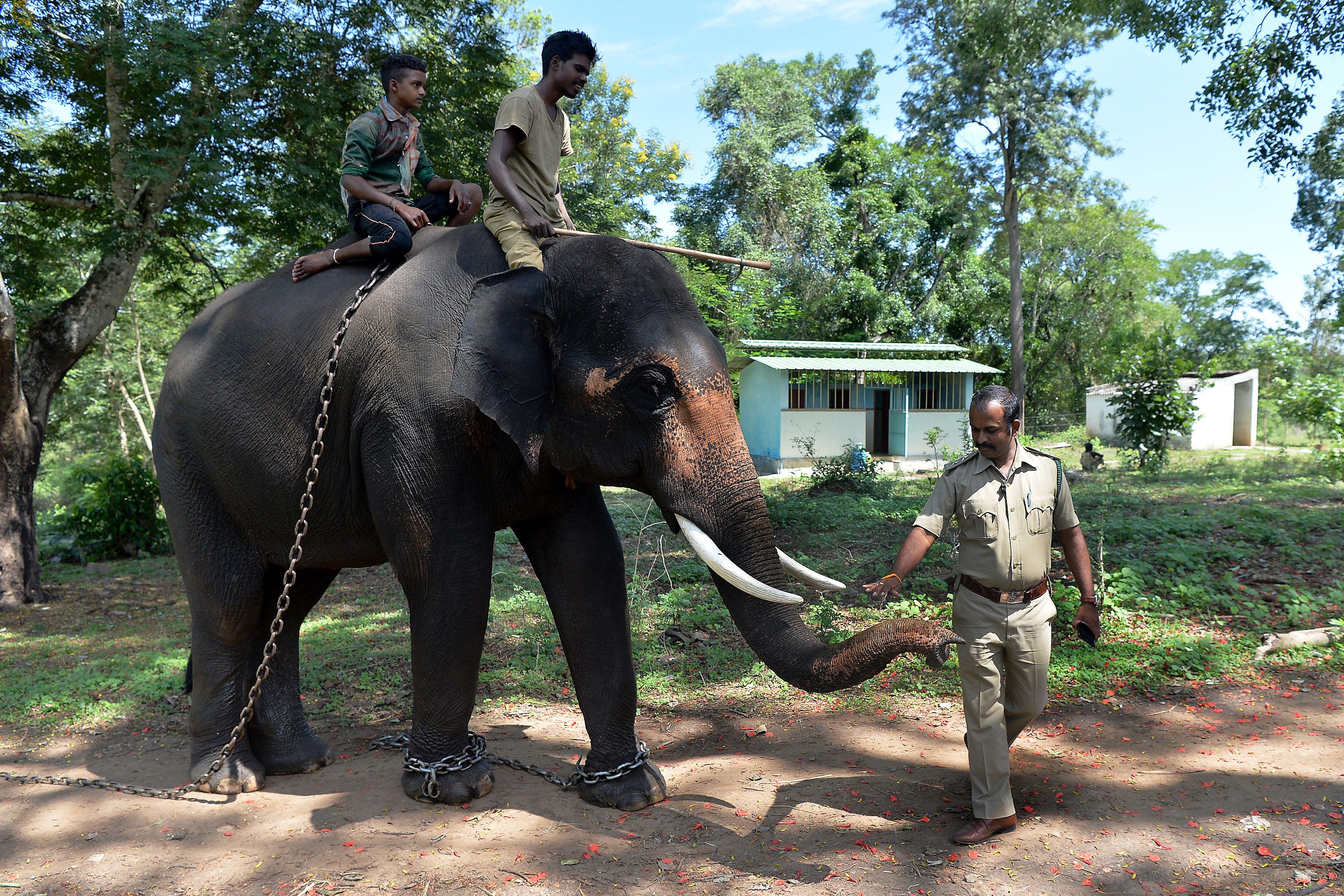
Dubare Elephant Camp houses the highest number of elephants inside a single camp in Karnataka and is one of the camps which allows tourists a close proximity with elephants.
A forest department official told The New Indian Express, “Fights among elephants in camps are common, but Dubare is most sensitive.
“It houses the highest number of elephants, where tourists are in close proximity in the water. Elephants tend to play, and can become violent and aggressive. Mahouts and kavadis (devotees) have also died here. Earlier too, Dubare had been closed down, but owing to pressure from stakeholders, including politicians, it was opened again,” the official, who was not named, said.
In 2019, the camp was temporarily shut after a captive elephant named Gopi escaped while in musth – a period of heightened aggression in male elephants. Forest officials moved other elephants to safety and restricted tourist access.
Animal welfare groups and conservationists have long raised concerns over the treatment and commercialisation of elephants in India, where the animals are widely used in tourism, temple rituals, festivals, safaris and entertainment despite being protected under wildlife laws. Indian laws make it illegal to capture, hunt, trade, or harm them.
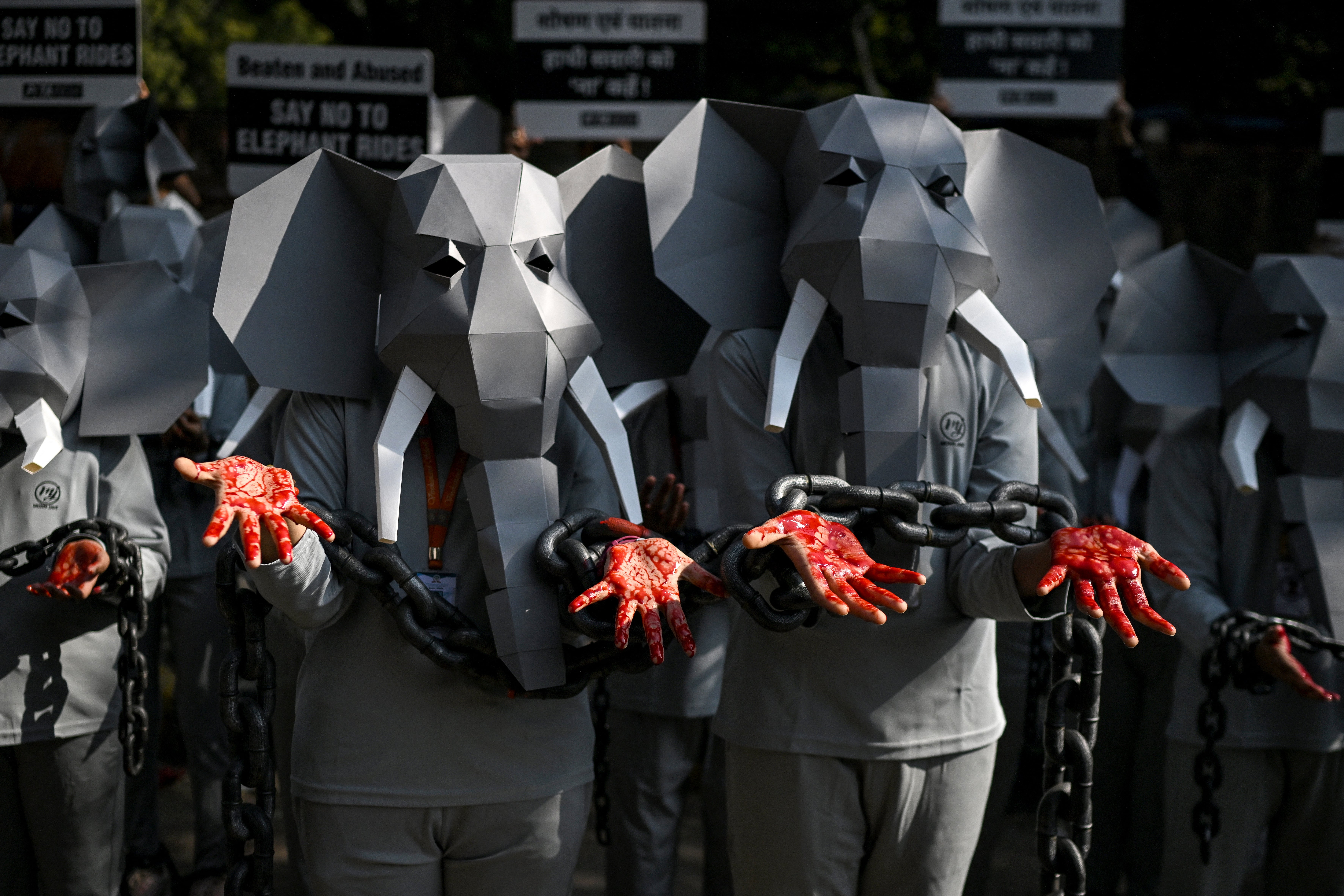
Captive elephants are commonly found at temple festivals in states such as Kerala, at tourist camps in Karnataka and Rajasthan, and in safari operations across several parts of the country.
Critics say the animals are often forced into stressful environments involving loud crowds, long working hours, extreme heat and constant human interaction.
According to Wildlife SOS, elephants are subjected to repeated thrashings, starvation and torture to be controlled by humans and these elephants are repeatedly beaten to be disciplined and end up with severe physical and psychological scars.
According to In Defence of Animals USA, India has 60 per cent of Asia's population of elephants, 3,500 of whom live in captivity.
Last month, a person was killed and several were injured after a captive elephant was brought to a temple in the Ernakulam district of Kerala. The elephant went on a rampage, attacking vehicles parked near the temple and flipping several cars. A lorry driver was killed and the mahout was injured.
The Independent has reached out to the Karnataka forest department for a comment.
UK launches $300m fund to accelerate renewable power projects in India
Historical Jain manuscripts are leaving London’s Wellcome Collection
India vows to keep purchasing Russian oil, US ‘waiver or no waiver’
Fifa officials head to India as fears over World Cup blackout grow
India reacts sharply after Netherlands expresses concern over minority rights