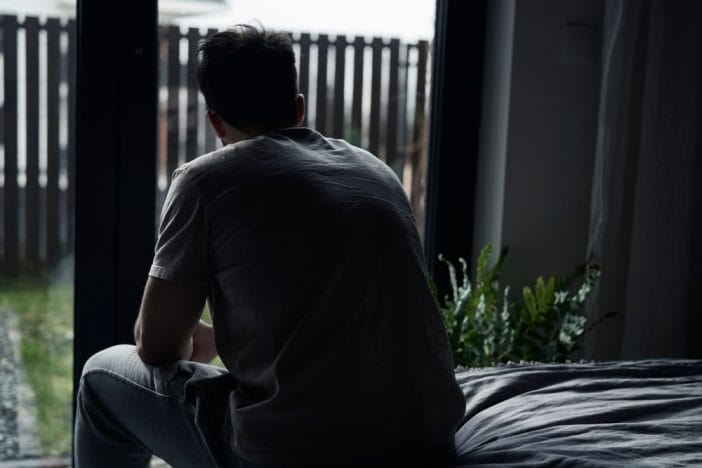
Winter doesn’t politely knock on the door. It crashes in with short days, long nights, and a mood shift that feels bigger than a simple change in weather. One minute, confidence feels solid and steady. The next, the mirror seems harsher, motivation dips, and even getting dressed feels like a negotiation.
This isn’t just about cold air or fewer hours of sunlight—it’s about how darkness quietly reshapes the way many men see themselves, think about their bodies, and judge their worth. The wild part is how often it happens without anyone connecting the dots.
The Sunlight–Confidence Connection Is Real
Light does more than help us see; it helps regulate how we feel about ourselves. Sunlight plays a key role in serotonin production, a neurotransmitter closely tied to mood, optimism, and self-esteem. When winter shortens the days, serotonin levels can drop, leaving men feeling flatter, more irritable, or oddly disconnected from their usual sense of confidence. That internal shift often shows up as harsher self-talk, especially around appearance, productivity, and strength. Tasks that once felt manageable start to feel like evidence of personal failure rather than seasonal fatigue.
Over time, the lack of light can blur the line between “I’m tired” and “Something is wrong with me,” which is where self-image begins to take a hit.
Seasonal Mood Changes Hit Men Differently
Men experience seasonal mood changes in ways that don’t always look like classic sadness. Instead of openly feeling down, many report feeling numb, restless, or unusually critical of themselves. This can lead to frustration with their bodies, their careers, or their relationships, even if nothing external has changed. Cultural expectations don’t help, since men are often taught to push through discomfort rather than examine it.
When winter arrives and energy drops, it can feel like a personal flaw instead of a biological response. That misinterpretation fuels negative self-perception and reinforces the idea that confidence should be constant, regardless of season.
Body Image Struggles Don’t Take The Winter Off
Winter wardrobes are heavier, workouts often become less consistent, and social routines change. For many men, that combination sparks anxiety about physical appearance and strength. Fewer outdoor activities and shorter days can reduce overall movement, which affects both physical conditioning and mental clarity. Men who pride themselves on fitness or physical capability may feel like they’re losing ground, even if the change is temporary.
The mirror becomes a source of judgment rather than information. Over time, this can create a loop where lower motivation leads to less activity, which then reinforces negative thoughts about the body and self-worth.
Hormones, Sleep, And The Quiet Confidence Drain
Winter can subtly disrupt sleep patterns, especially in regions with very limited daylight. Poor or inconsistent sleep affects testosterone levels, energy, and focus, all of which influence how men feel about themselves. When sleep quality drops, patience shrinks and self-criticism grows louder. Men may interpret lower drive or mental fog as weakness rather than exhaustion. Add darker mornings and evenings, and the sense of momentum many men rely on starts to fade.
Confidence isn’t just an attitude; it’s deeply connected to biology, and winter has a way of pulling several of those biological levers at once.
Why Silence Makes It Feel Worse
One of the biggest challenges is that men rarely talk openly about seasonal shifts in self-image. Conversations about winter blues often focus on sadness, not confidence or identity. Without language to describe what’s happening, men may internalize the experience and assume they’re alone in it. Social withdrawal during winter can intensify this feeling, reducing opportunities for reassurance or perspective. The less it’s discussed, the more powerful it feels. Recognizing that winter-related self-doubt is common can be a relief, but silence keeps that realization out of reach.
Stepping Out Of The Shadows Together
Winter darkness doesn’t just change the scenery; it changes the inner dialogue many men live with for months at a time. Understanding that seasonal shifts can influence self-image helps remove unnecessary blame and opens the door to self-compassion. Confidence isn’t broken just because it feels quieter in winter.
If this resonates with your experience, consider adding your thoughts or personal stories in the comments below—your perspective might be exactly what someone else needs to read during the darker months.
You May Also Like…
Why Tracking Sleep Beats Tracking Steps
6 Sleep Fixes That Restore Energy After 40
The Winter Habits That Slowly Turn Small Disagreements Into Resentment
Home Inspectors Say These Winter Fixes Lead to Expensive Repairs Later
8 Daily Micro-Stresses That Add Up Faster In Winter
The post Winter Darkness Affects Men’s Self-Image More Than They Realize appeared first on Clever Dude Personal Finance & Money.