
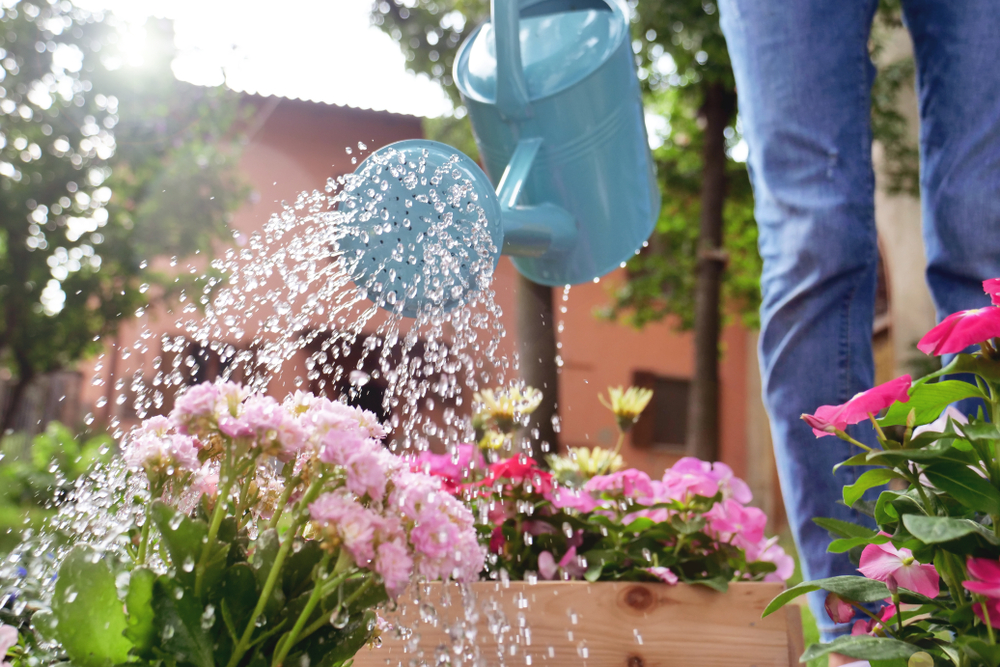
Garden hoses create a strange kind of confidence. The second water starts flowing, many gardeners assume more water equals healthier plants, greener lawns, and bigger tomatoes. Meanwhile, roots drown quietly underground, fungus spreads like gossip at a neighborhood barbecue, and water bills climb faster than summer temperatures in Arizona.
Great gardeners know a different truth. Plants thrive when water arrives at the right pace, in the right place, and at the right time. A slow, targeted soak beats a daily flood every single time. That simple shift changes everything from root strength to pest resistance, and it often cuts water use dramatically without sacrificing a single flower or vegetable.
Slow Watering Builds Stronger Roots
Plants behave a lot like people at an all-you-can-eat buffet. When water sits near the surface every day, roots stay lazy and shallow because they never need to search for moisture deeper in the soil. Shallow roots leave plants vulnerable during heat waves, windy days, and dry spells because the top layer of soil dries out almost immediately. A deep, controlled watering schedule encourages roots to travel farther underground where moisture lasts longer and temperatures stay cooler. That deeper root system creates sturdier plants that handle stress without collapsing the second summer gets uncomfortable.
Garden centers across America constantly see homeowners panic during July because their lawns suddenly turn brown despite daily watering. In many cases, the lawn actually suffers from weak roots caused by frequent shallow irrigation. Turf experts from several university extension programs recommend watering lawns less often but more thoroughly to encourage roots to reach several inches deep into the soil. Controlled watering also reduces runoff, which means nutrients stay in the yard instead of washing into storm drains. That translates into healthier grass and fewer fertilizer headaches throughout the season.
Overwatering Causes More Problems Than Underwatering
Nothing wrecks a beautiful garden faster than soggy soil that never dries properly. Roots need oxygen just as much as they need water, and constantly saturated soil suffocates them like a wet blanket thrown over a campfire. Once roots lose oxygen access, plants begin yellowing, wilting, and dropping leaves even though the soil remains wet. Many gardeners misread those symptoms as thirst and add even more water, which turns a small issue into full-scale root rot chaos. Controlled watering prevents that destructive cycle before it starts.
Fungal diseases absolutely love excess moisture hanging around leaves and soil surfaces. Powdery mildew, blight, and various molds thrive when gardeners spray water everywhere without control or timing. Morning watering with drip irrigation or soaker hoses keeps foliage dry while delivering moisture exactly where plants need it most. Tomatoes, peppers, cucumbers, and roses especially reward careful watering practices with fewer diseases and stronger production. A controlled watering strategy often works better than expensive chemical treatments because it removes the conditions that allow problems to spread in the first place.
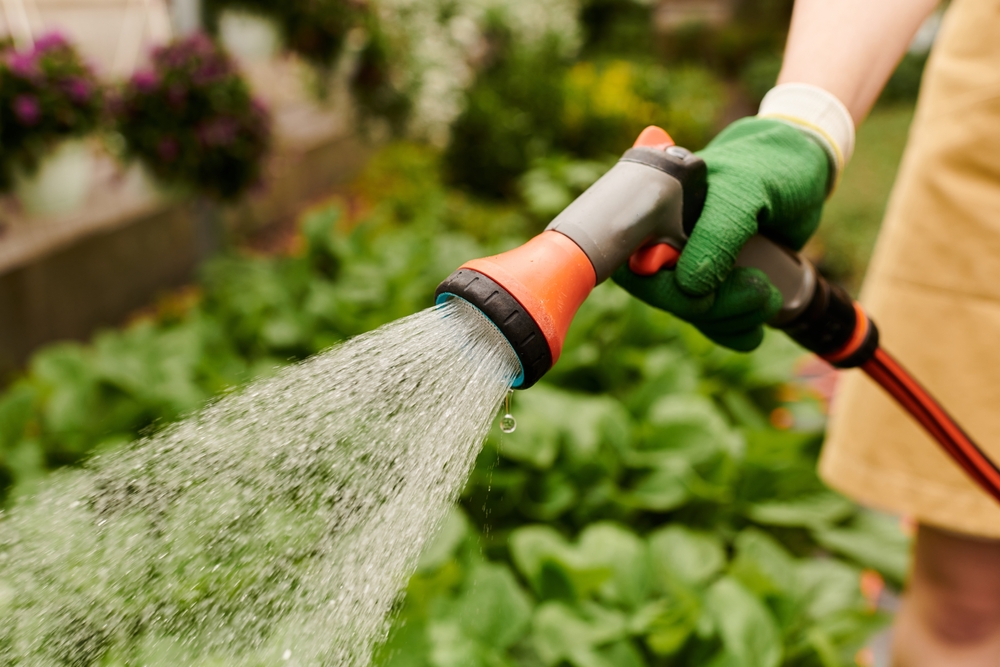
Timing Matters More Than Sheer Amounts
Midday watering looks dramatic, but it wastes huge amounts of water through evaporation before plants can absorb much of it. Early morning watering gives soil time to absorb moisture while temperatures stay cooler and winds remain calmer. Evening watering works in some climates, but damp overnight conditions sometimes encourage fungal growth in crowded garden beds. Timing changes how efficiently plants actually use the water they receive. Smart gardeners focus on water absorption instead of dramatic sprinkler displays that soak sidewalks more than flower beds.
Container gardens especially depend on careful timing because pots heat up quickly during hot weather. A patio tomato planted in a black container can dry out shockingly fast in direct sun, but blasting it with water several times a day creates unstable moisture conditions. Consistent, measured watering helps containers maintain balanced soil moisture without constantly swinging between swampy and bone dry. Herbs, peppers, and annual flowers respond with steadier growth and better flowering when moisture levels stay predictable. Controlled watering turns container gardening from a frustrating daily emergency into a manageable routine.
Smart Watering Saves Serious Money
Water bills spike hard during summer, especially in suburban neighborhoods packed with thirsty lawns and oversized sprinklers. Many homeowners accidentally waste thousands of gallons each season through runoff, evaporation, and overwatering habits. A sprinkler running for thirty minutes on compacted soil often sends water straight into the street long before the ground absorbs it properly. Shorter watering cycles with pauses in between allow soil to soak up moisture gradually instead of shedding it like a raincoat. That small adjustment can slash water waste without sacrificing plant health.
Modern watering tools make control easier than ever for busy households. Drip irrigation systems, moisture meters, timer-controlled hoses, and rain sensors remove much of the guesswork from garden care. Even a simple mulch layer around plants dramatically improves moisture retention by slowing evaporation and cooling the soil surface. According to the Environmental Protection Agency, outdoor watering accounts for nearly 30% of household water use in America, and much of that water gets wasted through inefficient practices. Better control protects both the garden and the wallet at the same time.
Different Plants Need Different Watering Styles
One of the biggest gardening mistakes comes from treating every plant like it wants identical conditions. Succulents hate the constant moisture that hydrangeas adore, while established native plants often need surprisingly little supplemental watering once roots mature. Dumping the same amount of water across an entire landscape ignores how differently plants actually behave. Smart gardeners group plants with similar moisture needs together so watering stays targeted and efficient. That approach keeps plants healthier while reducing unnecessary water use.
Vegetable gardens also benefit from customized watering strategies throughout the growing season. Young seedlings require gentle, consistent moisture near the surface because their roots remain tiny and delicate. Mature zucchini, squash, and tomato plants need slower, deeper watering sessions that support extensive root systems. Fruit trees prefer infrequent but thorough soaking that reaches deep into surrounding soil instead of quick daily sprays. Water control allows gardeners to adapt to each stage of growth instead of relying on one-size-fits-all routines that rarely work well.
The Real Secret Hides Underground
Beautiful gardens rarely depend on massive amounts of water. They depend on consistency, timing, soil awareness, and smart delivery methods that help roots thrive instead of struggle. Gardeners who focus only on water volume often chase symptoms instead of solving the actual problem below the surface. Controlled watering creates stronger roots, healthier soil biology, fewer diseases, and lower utility bills all at once. That combination explains why experienced gardeners spend less time flooding plants and more time paying attention to how the soil actually behaves.
What watering mistake created the biggest surprise in the garden, and what finally fixed it?
You May Also Like…
The Watering Myth: Why More Moisture Can Hurt Root Development
8 Drought-Resistant Picks That Reduce Water Needs
The Overwatering Problem: Why Soggy Soil Kills More Gardens Than Drought
How to Revive Plants After Accidental Overwatering
Why Overwatering in March Wastes Money
The post Why Water Control Matters More Than Water Volume appeared first on Frugal Gardening.