One aims not to weep on the job, so I just about made it to the ladies’ after sitting through the pathologist’s report. The extent of the brutalisation endured by six-year-old Alesha MacPhail, who was found dead on the Isle of Bute last July, has not been reported by the media and I hope never will be. But it goes some way to explaining why experienced police officers and scientific experts struggled to maintain their composure while giving evidence during the nine-day trial of her killer.
A 16-year-old boy was found guilty of Alesha’s abduction, rape and murder at the high court in Glasgow last Thursday. The following day, the trial judge agreed to lift the legal protection usually afforded to young people who are an accused, victim or witness in criminal trials in Scotland and allowed Aaron Campbell to be named.
Reporting from Bute last July, I remember the reverberations of shock, first that a child could be taken from her bed on a much-loved holiday island where crime seldom rose above the petty, and second when the person charged by police was revealed to be a local teenager (not a resettled Syrian refugee as some rightwing commentators had suggested with sickening opportunism).
During the trial, that picture-postcard nostalgia for Bute was put to rest as younger witnesses revealed a culture of drink, drugs and porn that has shocked some residents. Combined with the admission from Alesha’s father that he had sold cannabis to her killer, and Campbell’s own attempts to blame the murder on the father’s 18-year-old girlfriend, it’s not surprising that the trial has dominated headlines as one of the most troubling Scotland has witnessed for decades.
Unshackled from legal constraint, this weekend has seen debate across mainstream and social media about Campbell’s reported obsession with violent video games, in particular the Slender Man meme, lurid analysis of his YouTube posts and speculation that cannabis psychosis was linked to this and other killings. (In fact, the trial heard that Campbell smoked cannabis irregularly.)
But for all the poring over Campbell’s posts, which have now been removed by YouTube, and the largely uncorroborated reports about previous disturbing behaviours that have proliferated since last week’s conviction, we still understand very little about why Aaron Campbell killed Alesha MacPhail, and perhaps that is hardest of all. I may criticise the armchair psychiatrists but, God knows, I empathise with the desire to make conclusive sense of this crime, having spent day after day in court waiting for one fact or remark that would link what I had learned from the pathologist’s report with the smart-suited boy sitting to my right in the dock.
So I’ll take my lead from those on Bute, who have maintained a dignified silence throughout the trial but, privately, ask that no great lessons be drawn from this case, because their teenagers are no more rowdy than on the mainland and their parenting no more lax, and that bad things happen, even on small islands.
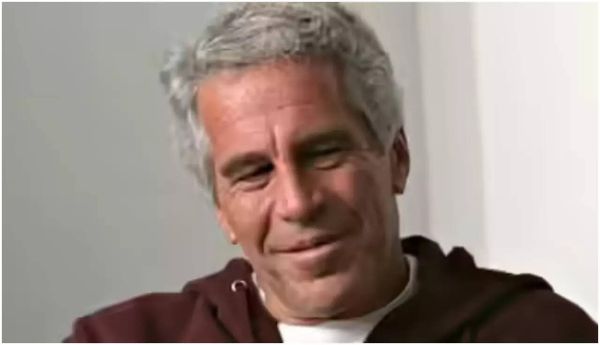
Naming Campbell did not reveal a monster, but an ordinary boy, bouncing on a trampoline, adopting an awkward American accent for his YouTube channel. Whatever Campbell is, and I do not have the training to begin to speculate, he was hiding in plain sight. And perhaps this is the most obscene conclusion of all, that there was nothing to understand.
As Campbell was convicted, new figures were released showing that Scottish teenage boys are among the most regular cannabis users in Europe. Likewise, it is axiomatic that adults worry about the impact of sexual and violent imagery on young viewers. But it doesn’t serve rational analysis, or the young people we purport to be so concerned about, to examine these issues in the immediate aftermath of this trial. Likewise, it’s as useful to blame the Slender Man for Alesha’s murder as it was to blame a Syrian refugee for her initial disappearance.
The conclusion of the trial, with its comforting forward trajectory, leaves a vacuum. How brave and how unusual it would be not to fill it with frantic dot-joining or demonising and instead allow the people and communities who need to grieve to do just that.
• Libby Brooks is the Guardian’s Scotland correspondent, based in Glasgow