
Vitamin D is known as the sunshine vitamin, essential for bone health, immunity, and overall well-being. But did you know that without magnesium, vitamin D may not work effectively? Magnesium is a much-needed mineral that activates vitamin D and helps the body use it properly. If you’re taking vitamin D supplements but not getting enough magnesium, your liver and kidneys may not fully benefit. Here is everything we need to know about why magnesium is essential and how it supports these vital organs.
Magnesium might just be the key to unlocking vitamin D
Many people focus on getting enough vitamin D, either from sunlight, food, or supplements. However, without magnesium, vitamin D remains inactive in the body. Magnesium is needed to convert vitamin D into its usable form, called calcitriol. Without this conversion, vitamin D cannot perform its functions, including regulating calcium and phosphorus levels, which are critical for kidney and liver health.

How magnesium supports kidney health
Our kidneys have a role in processing vitamin D. They help convert it into its active form, which allows our body to absorb calcium efficiently. When magnesium levels are low, this process slows down, leading to vitamin D deficiency symptoms even if you’re getting enough of it.
Magnesium prevents kidney damage by reducing the risk of kidney stones. Since vitamin D increases calcium absorption, too much calcium without enough magnesium can lead to deposits in the kidneys, forming painful stones. Maintaining the right magnesium levels ensures that calcium is used properly rather than accumulating in unwanted places.
Role of magnesium in liver function
The liver is another key organ involved in processing vitamin D. Before the kidneys activate it, vitamin D first goes through the liver, where it is converted into a form that the kidneys can use. If magnesium is insufficient, this liver function becomes inefficient, leading to poor vitamin D metabolism.
Magnesium also helps detoxify the liver and reducing inflammation. Studies suggest that a magnesium-rich diet may lower the risk of fatty liver disease, a condition that affects many people due to poor dietary habits and lifestyle choices.
Signs one might be deficient in magnesium
Magnesium deficiency is common, yet many people don’t realize it. Some symptoms include:
Muscle cramps and spasmsFatigue and weaknessIrritability and mood swingsSleep disturbancesFrequent headachesHigh blood pressure
If you experience any of these symptoms, it might be time to check your magnesium intake.
How to get enough magnesium
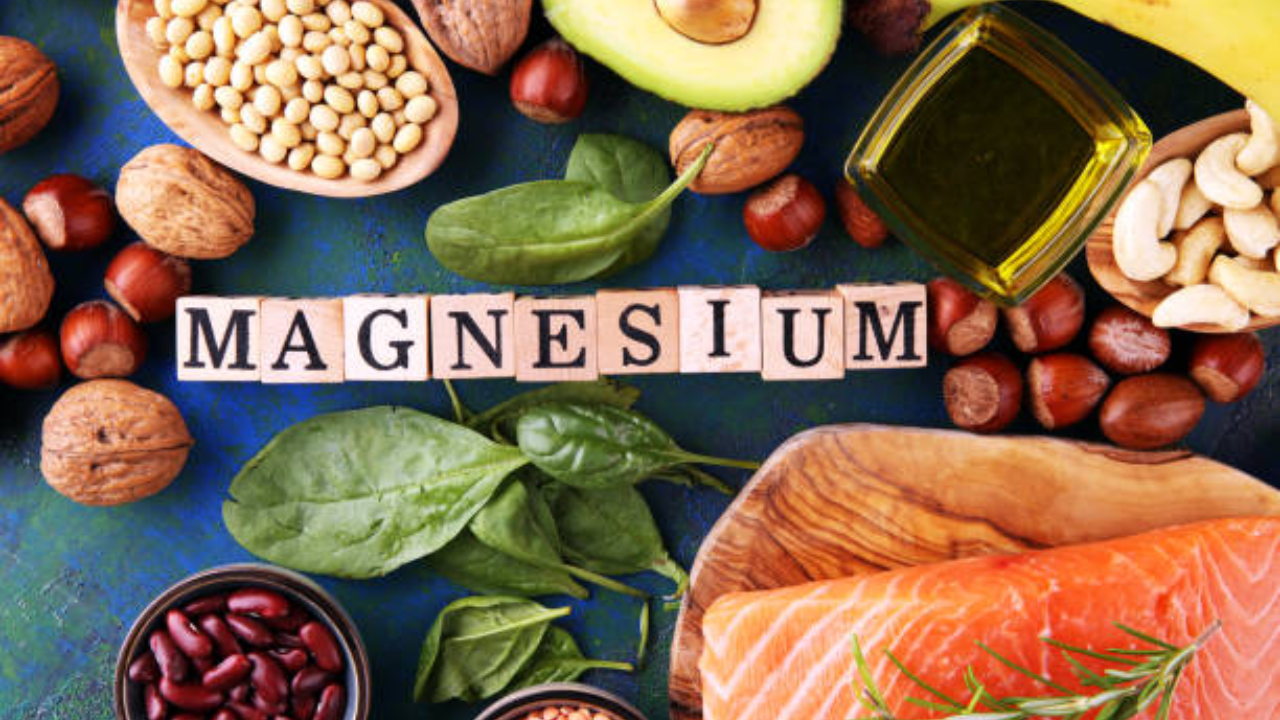
The good news is that magnesium is widely available in many foods. To boost your levels naturally, include these magnesium-rich foods in your diet:
Leafy greens (spinach)Nuts and seeds (almonds, cashews, pumpkin seeds)Whole grains (brown rice, quinoa, oats)Legumes (lentils, chickpeas, black beans)Dark chocolate (in moderation!)Bananas and avocados
If you struggle to get enough magnesium from food, magnesium supplements can also help, but it’s always best to consult a doctor before taking them.