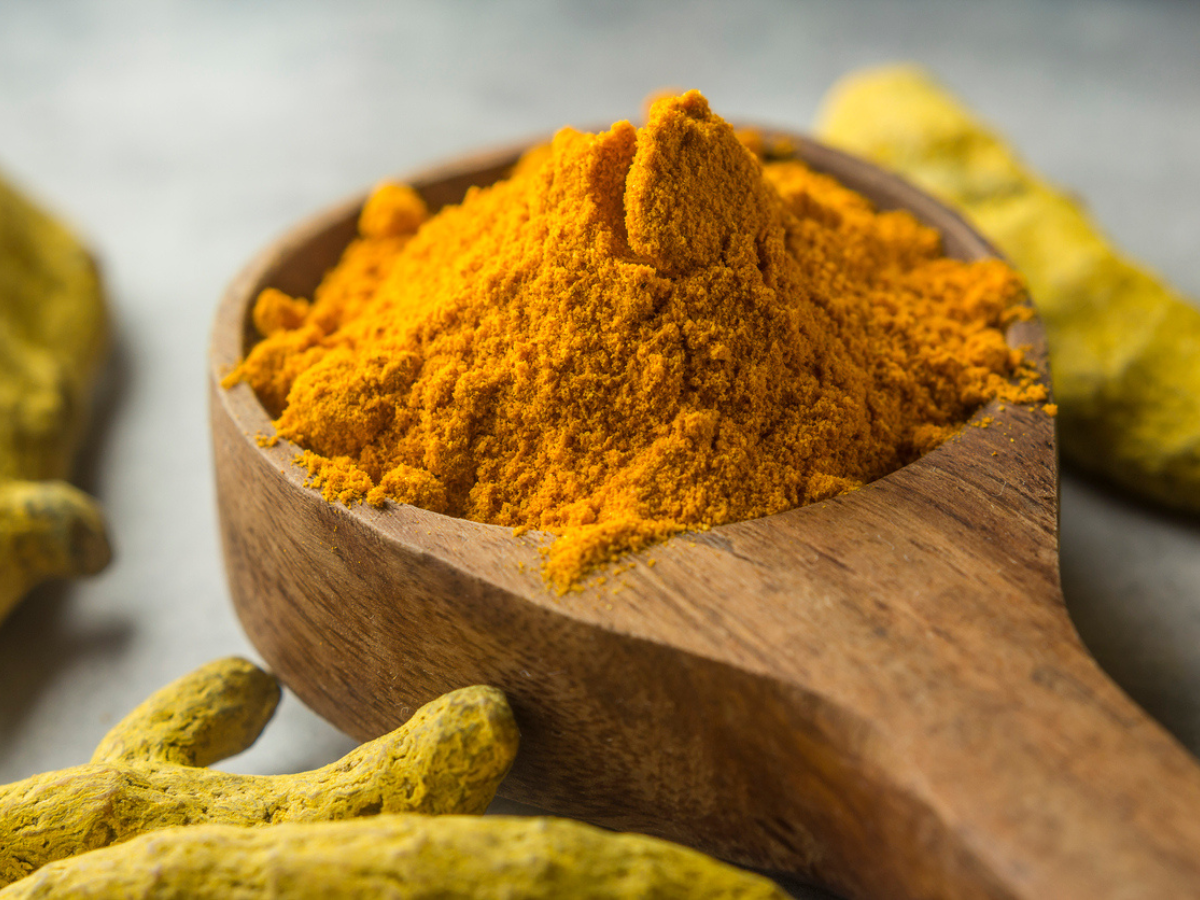
Turmeric holds immense significance, both medically and traditionally, in Indian households. Nobody gives a second thought about adding a pinch of it to milk, dishes, or even on face packs.
Haldi, as it is commonly called in the country, is an all purpose spice. From dal in the kitchen to the sacred place of worship, haldi is used everywhere.
However, medically there are certain limitations to its use.
Despite it being a useful medicine with so many health benefits in offer, haldi should be used in a given quantity only. The truth is that the golden spice is not beneficial for everyone and the legacy of turmeric is so strong that not many would actually know that it can be harmful too.
What's not right about this miracle spice?
The curcumin present in the turmeric, which actually is one of its important parts, is not absorbed by the body. Studies have shown that rats absorb less than 1% of the curcumin they eat.
Studies have said that this molecule reacts with other substances very easily and that is why it either degrades or transforms as soon as it is eaten, which looks like a valid point for a country where the use of turmeric is mostly in the kitchen.
As per a Forbes report, a group of scientists have said that curcumin—the main ingredient in turmeric—is a waste of time and money.
Common uses of turmeric
A pinch of turmeric in warm milk is believed to boost immunity. Since ages parents have fed kids this warm concoction with the belief that it cures common cold and cough. And guess what, it does work, too!
Turmeric with warm water and a small pinch of black pepper powder is known to be effective in weight loss.
Be it hay fever, high cholesterol, liver disease, skin rash or even osteoarthritis, turmeric is used widely.
It is believed to play a great role in reducing inflammation and is useful against several diseases like arthritis and ulcerative colitis.
Research studies have also linked the effect of curcumin on the memory of human beings and have concluded that having 90 milligrams of curcumin twice a day for 18 months helped improve memory performance in adults without dementia.
Who needs to stop having turmeric?
People who have gallbladder problems should stop using turmeric as the property of turmeric to increase bile secretion can affect the overall health.
Diabetes patients who are already on medications should not use turmeric as the compounds present in this spice can lower your blood sugar level drastically.
People with Gastroesophageal reflux disorder or GERD should stop consuming turmeric as it can worsen the condition further.
Turmeric is known to interfere with the iron absorption capacity of the body. Therefore if you already have iron deficiency then stop consuming turmeric.
If you have liver disease, then having turmeric might cause some additional damage.