
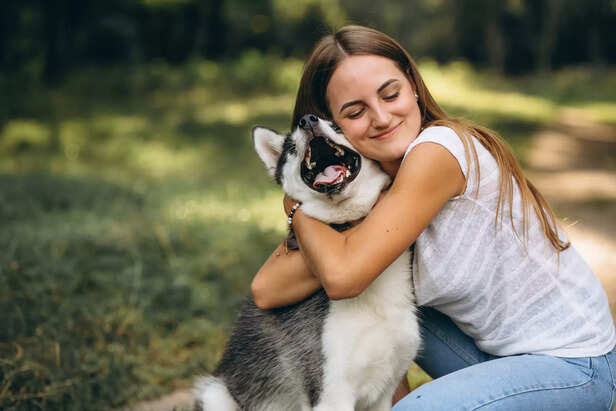
We grow up believing that hugs are the purest form of love. When we are happy, sad, excited, or overwhelmed, our arms instinctively reach out. So when a pet enters our life, that same instinct follows. We pull them close, wrap our arms around them, and squeeze with affection. To us, it feels natural and warm. To many pets, it feels confusing, intense, and sometimes frightening. This does not mean your pet does not love you. It means your pet loves you in a different language. Understanding that language can transform your relationship from affectionate to deeply respectful and emotionally safe.
How Humans Express Love Versus How Pets Do
chronic stress in pets. They may begin avoiding certain people, hiding more often, or becoming unusually quiet. Some develop anxiety-related behaviors like excessive grooming, pacing, or clinginess. Others may become reactive. This stress is rarely linked back to affection because the intention was loving. But intention does not cancel impact. True care means noticing how your actions land emotionally.
How Children And Pets Often Misunderstand Each Other
Children express love physically and enthusiastically. They hug tightly, grab faces, and cling. Pets may tolerate this until their stress reaches a breaking point. Many pet-related bite incidents involve children, not because pets are aggressive, but because early warning signs were missed. Teaching children to pet gently, avoid hugging, and respect a pet’s space builds safety and empathy on both sides.
What Pets Actually See As Affection
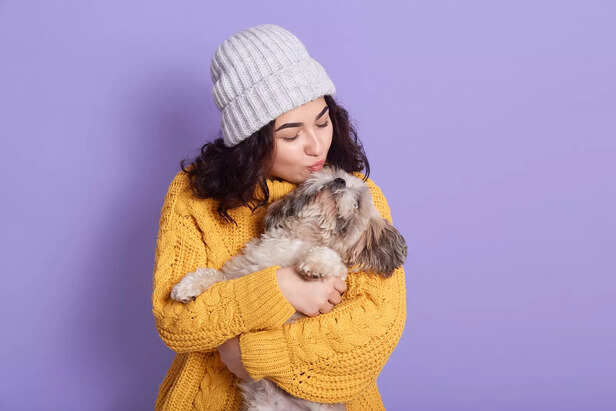
Pets experience love through presence, predictability, and shared calm moments. For dogs, affection often looks like walking together, sitting nearby, gentle petting on the chest or side, and soft eye contact. For cats, affection looks like slow blinking, quiet companionship, allowing them to initiate contact, and respecting when they leave. These moments build trust far deeper than physical restraint ever could.
Gentle Alternatives To Hugging Your Pet
Instead of hugging, try sitting beside your pet and letting them come to you. Stroke areas most pets enjoy, such as behind the ears, under the chin, or along the chest. Speak softly. Match their energy. If they move away, let them. When pets feel in control, they choose closeness more often. Paradoxically, giving space often leads to more affection.
The Difference Between Closeness And Control
Hugging often feels loving to humans because it reassures us. But pets do not need reassurance the same way. They need predictability and safety. When affection becomes something we take rather than something they offer, it shifts from bonding to control. True connection is mutual. It flows both ways without force.
Cultural Influence On How We Treat Pets
Movies, social media, and viral videos often show pets being hugged, dressed up, or held tightly for entertainment. These images normalize behavior that may not be comfortable for animals. Pets in such videos often display subtle stress signs that go unnoticed. Awareness helps shift culture from cute content to compassionate care.
Why Respecting Boundaries Strengthens The Bond
When pets learn that you listen to their signals, trust deepens. They feel safe expressing themselves without fear of punishment or pressure. Over time, this trust often leads to more voluntary closeness. A pet that chooses to rest beside you, lean against you, or sleep near you is expressing a level of comfort that cannot be forced.
When Physical Affection Is Helpful
There are moments when physical contact is soothing for pets, such as during thunderstorms, illness, or anxiety. Even then, it should be offered gently and withdrawn if the pet resists. Support does not require restraint. Presence alone can be grounding.
Learning To Love In Your Pet’s Language
Love is not a universal gesture. It is a conversation. When we slow down and observe, pets teach us how they want to be loved. Some want closeness, others want quiet companionship. Some show love through play, others through simply staying nearby. When we adapt, the relationship becomes calmer, deeper, and more respectful.
Loving Without Overwhelming
Your pet does not need hugs to know they are loved. They feel love when you respect their space, notice their signals, and respond with patience. Affection is most powerful when it is chosen, not imposed. When you let go of the need to hug and instead learn to listen, you may discover a quieter, stronger bond waiting to meet you halfway.
Celebrate the bond with your pets, explore Health & Nutrition, discover Breeds, master Training Tips, Behavior Decoder, and set out on exciting Travel Tails with Times Pets!