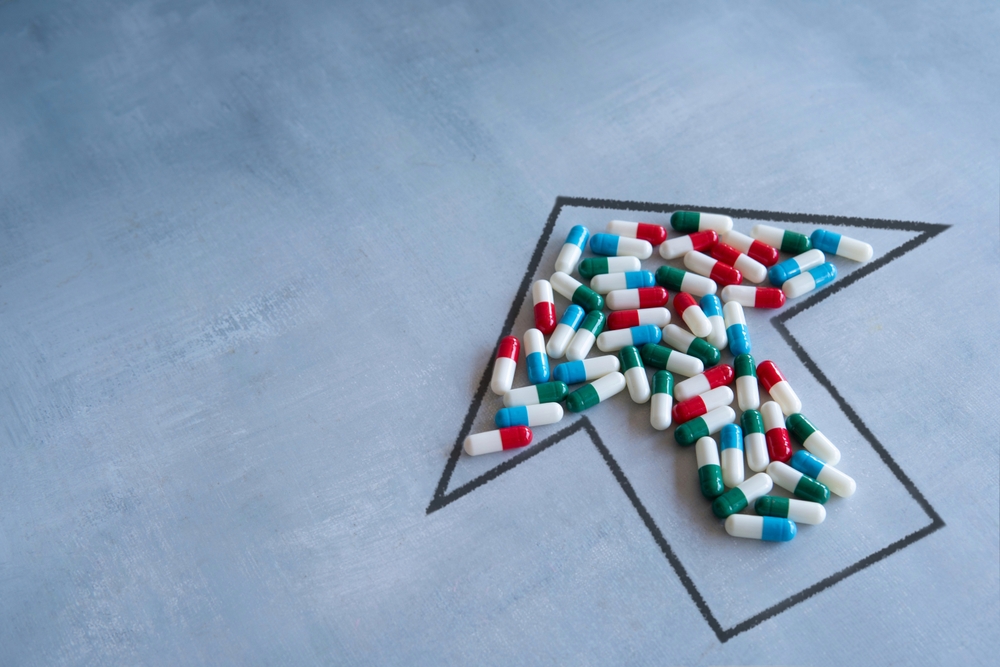
It is the most common and frustrating scene in American healthcare: You walk up to the pharmacy counter to pick up the same medication you have taken for years. Last month, it cost you $40. Today, the pharmacist hands you a bill for $400. You ask if the price of the drug went up, and they tell you “No, it’s your insurance.”
In January 2026, this sticker shock is hitting millions of seniors harder than usual. While the Inflation Reduction Act has introduced a new $2,100 annual cap on costs, it hasn’t eliminated the painful “front-loading” of those costs. The way insurance plans are structured this year means you often have to pay more upfront before the relief kicks in. Understanding why this happens is the only way to lower the bill before you swipe your credit card. Here is the mechanics behind the sudden price jump.
The January Deductible Reset
The primary culprit for the January price spike is the Part D Deductible. For 2026, the standard deductible for many Medicare Part D plans has risen to approximately **$590** (with a maximum of $615 allowed by law).
In December, you had likely met this deductible long ago, so you were enjoying a flat copay. On January 1st, that clock reset to zero. Until you pay the first $590 out of your own pocket, your insurance pays nothing. That $400 bill isn’t a mistake; it is you paying 100% of the drug’s cost to satisfy the new deductible.
The “Tier Shift” Surprise
Insurance companies update their “formularies” (lists of covered drugs) every year. A drug that was “Tier 2” (Preferred Generic) in 2025 might have been moved to “Tier 4” (Non-Preferred Drug) in 2026.
This is a massive financial demotion. Tier 2 drugs usually have a low flat copay (e.g., $10). Tier 4 drugs often require you to pay a coinsurance percentage (e.g., 40% of the retail price). If the drug costs $1,000, your share jumps from $10 to $400 overnight. Always check your plan’s 2026 formulary to see if your meds were moved to a higher tier.
The “Cash Price” Paradox
Here is a secret pharmacy rarely volunteer: Your insurance price might be higher than the cash price. PBMs (Pharmacy Benefit Managers) negotiate rates that can sometimes exceed the retail market value of the drug.
If your insurance copay is $400 because of the deductible, check a discount app like GoodRx or SingleCare. You might find the same drug at the same pharmacy for $45 if you pay cash. The downside? If you pay cash, that $45 does not count toward your $2,100 Medicare out-of-pocket cap. You have to do the math to see which path saves you more by December.
The Copay Accumulator “Ghosting”
If you use a manufacturer’s discount card for a brand-name drug, you might be a victim of a “Copay Accumulator” program. In 2026, more plans are using these rules to ensure that only money coming from YOUR bank account counts toward your deductible.
If the drug company pays $500 of your bill with a coupon, your insurer might not credit that $500 toward your $590 deductible. You walk away happy in January, but in February, you are hit with the full bill again because your deductible balance is still effectively zero.
The “New Year” Data Lag
Sometimes, the price jump is simply a computer error. In the first weeks of January, pharmacy systems are flooded with new plan data. If your pharmacy’s computer hasn’t updated to your 2026 coverage yet, it might default to a “cash” or “uncovered” price.
If the price seems impossibly high, ask the pharmacist to “re-adjudicate the claim.” This forces the system to ping your insurance company again for the most current data. It takes 30 seconds and can drop the price instantly if it was a data glitch.
Don’t Pay Without Fighting
The price on the register is not always the final price. Ask if there is a generic. Ask for the cash price. Ask if the drug moved tiers. You have the right to investigate before you pay.
Did your pharmacist help you find a cheaper price this week? Leave a comment below—tell us how much you saved!
You May Also Like…
- 7 Prescription Savings Cards That No Longer Work
- 5 Prescription Quantity Reductions Affecting Chronic Care
- 5 of the Cheapest Prescription Drugs in America — and How Patients Are Still Overpaying for Them
- These 5 Prescription Drug Changes Quietly Took Effect This Year — and Patients Are Just Noticing
- 7 Prescription Delivery Fees Being Added Quietly