The United Arab Emirates (UAE) has announced that it is leaving OPEC+ as of this Friday, with most coverage focused around the impact to oil prices and energy markets. However, a more significant macro story may be taking shape around the petrodollar system, and investors should pay attention to the implications here.
At the same time the UAE is acting on its long-rumored plans to cut ties with the oil cartel, the Treasury is actively considering a currency swap line for the country. Treasury Secretary Scott Bessent confirmed during a Senate hearing on April 22 that the UAE and several other Asian and Gulf allies have requested these facilities to stabilize their economies amidst the ongoing Iran war.
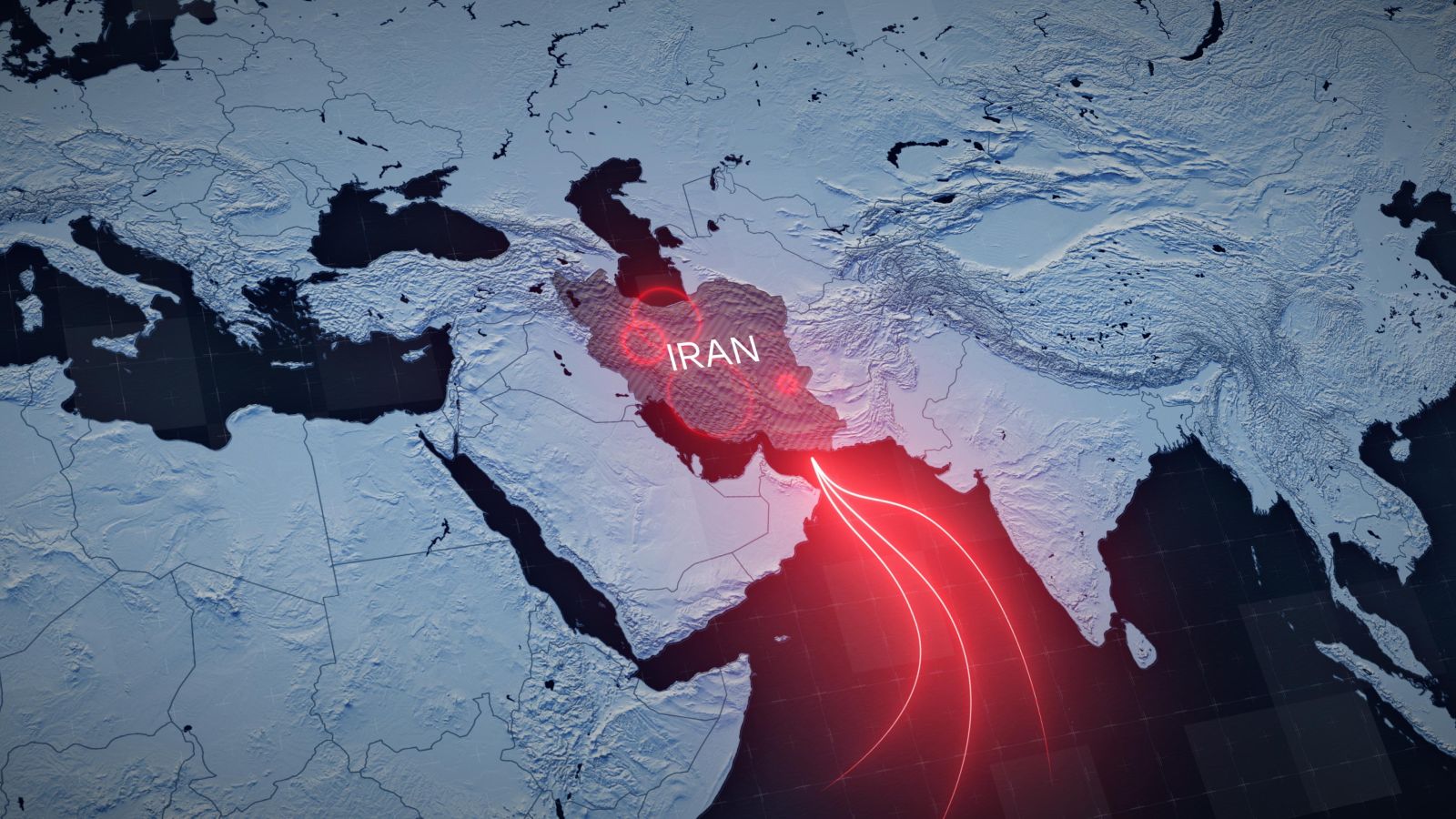
The US-Iran conflict has significantly disrupted exports through the Strait of Hormuz, creating a “dollar-revenue gap” for many Gulf states despite their massive reserves. While the UAE remains financially resilient with over $2 trillion in sovereign assets, officials have reportedly warned that a lack of dollar liquidity could force them to settle oil trades in Chinese yuan.
At this stage, the Treasury's potential use of the Exchange Stabilization Fund is intended to maintain order in dollar-funding markets and prevent the "disorderly sale" of US assets by foreign central banks looking to defend their currency pegs to the US dollar. Similar to a $20 billion swap provided to Argentina in October 2025, the currency swap line would serve here as a confidence-building measure rather than a traditional “bailout.”
Notably, global oil sales are priced in dollars under the petrodollar system, which is the primary reason that most of the Gulf states have defaulted to a US dollar peg for decades. With the UAE exiting the world’s foremost oil price-setting cartel at the same time that it’s threatening to settle oil transactions in Chinese yuan, the Treasury has significant diplomatic and economic impetus to provide its longtime Gulf ally with whatever currency swap line it might request.
This also seems to reveal a strategic shift in leadership among the Gulf states, from the Saudis to the UAE. This could virtually make the UAE the dominant banking center of the region, while at the same time helping to ensure that the US dollar will be the dominant transactional currency for decades to come.
– John Rowland, CMT, is Barchart’s Senior Market Strategist and host of Market on Close.