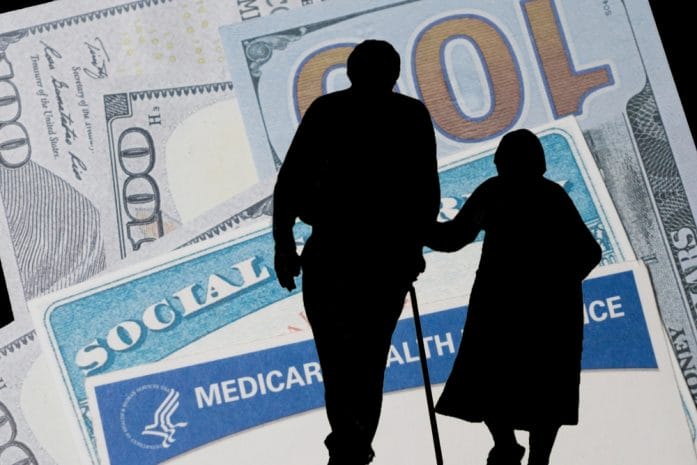
Retirement used to follow a predictable script. People worked into their mid-60s, collected a gold watch, and filed for Social Security at full retirement age. That neat timeline has started to disappear. Millions of Americans now claim Social Security as early as age 62, even though experts constantly warn about permanently reduced monthly checks.
That decision often shocks financial planners because waiting can significantly increase lifetime benefits. Someone who delays benefits until age 70 can receive hundreds more per month compared to filing at 62. Still, retirees continue to take the early option in huge numbers. Real life rarely fits neatly inside retirement calculators, and many seniors make choices based on immediate needs, personal goals, health concerns, and economic pressure rather than maximizing every dollar decades down the road.
Rising Costs Are Pushing Retirees to File Earlier
Inflation has hammered retirees from nearly every angle over the past few years. Grocery bills climbed sharply, utility costs jumped, and housing expenses kept stretching budgets thinner. Many older Americans entered retirement with savings that looked solid on paper in 2019 but suddenly felt much smaller after several years of rising prices. Social Security became the fastest available lifeline for covering basic monthly expenses.
Some retirees also discovered that part-time work no longer covered the gap between expenses and savings withdrawals. A retired warehouse worker in Ohio, for example, may have planned to wait until age 67 before filing benefits while working seasonal jobs. Higher gas prices, prescription costs, and rent increases can quickly destroy that plan. Filing early suddenly becomes less about strategy and more about survival. Financial experts may dislike the move, but retirees facing mounting bills often prioritize immediate stability over future optimization.
Health Concerns Change the Retirement Math
Many retirees do not feel confident about waiting years for larger checks because health problems create uncertainty about the future. Chronic illnesses, physical limitations, and family medical history heavily influence retirement decisions. A person battling heart disease or severe arthritis may decide collecting benefits sooner simply makes more sense than gambling on longevity.
This issue especially affects workers in physically demanding industries. Construction workers, nurses, truck drivers, and factory employees often reach their early 60s with bodies that feel decades older. Continuing to work until full retirement age may not feel realistic. Some retirees also fear missing out entirely if serious illness shortens their lifespan. While delaying benefits may produce larger checks over time, that strategy loses appeal for people who value immediate financial support and flexibility during healthier years of retirement.
Many Americans Simply Want Out of the Workforce
Retirement burnout has become a huge factor behind early Social Security claims. After decades of long commutes, demanding schedules, and workplace stress, many older workers hit a breaking point. The pandemic intensified that feeling for millions of Americans who reevaluated priorities and decided time mattered more than squeezing every dollar from Social Security.
Age discrimination also creates major problems for older workers trying to stay employed. A 63-year-old professional who loses a job may struggle to land another position with comparable pay. Employers often favor younger candidates, even when older applicants bring extensive experience. Some retirees spend months searching for work only to accept lower-paying jobs or leave the workforce entirely. Social Security then becomes a bridge that helps replace lost income while restoring some control over daily life.

Fear About the Future of Social Security Plays a Role
Concerns about Social Security’s long-term stability continue shaping retirement decisions. Headlines about trust fund depletion and potential benefit reductions make many Americans nervous about waiting. Even though experts expect the program to continue operating, constant political battles over Social Security create uncertainty that influences behavior.
Some retirees believe claiming benefits early guarantees access to money while the system still looks relatively stable. They worry lawmakers could eventually raise retirement ages, reduce benefits, or change eligibility rules. Financial planners often point out that current retirees and near-retirees likely face minimal disruption, but fear still drives decision-making. Retirement involves emotion just as much as math, and anxiety about future government policy pushes some Americans toward filing sooner rather than later.
Spousal Benefits and Family Situations Affect Timing
Household dynamics frequently complicate Social Security decisions. Married couples often coordinate claiming strategies based on age differences, income history, and health concerns. In some cases, one spouse files early because the household needs immediate cash flow while the other delays benefits to maximize future income.
Family caregiving responsibilities also force many retirees into earlier filings. Grandparents increasingly help raise grandchildren or care for aging spouses and relatives. Those responsibilities may reduce work hours or eliminate employment entirely. A woman caring for a husband with dementia, for instance, may decide early Social Security benefits offer more practical value than continuing stressful work for several additional years. These deeply personal situations rarely fit the standard advice found in retirement planning brochures.
Savings Shortfalls Leave Few Other Options
Retirement savings gaps remain one of the biggest drivers behind early Social Security claims. Many Americans reached retirement age with far less saved than experts recommend. According to multiple retirement studies, a large percentage of workers nearing retirement hold less than $100,000 in savings. That amount disappears quickly when retirees face healthcare costs, housing expenses, and daily living needs.
Pensions have also largely vanished from the private sector, leaving Social Security as the primary guaranteed income source for many households. Previous generations often relied on employer pensions alongside Social Security, but today’s retirees frequently depend on personal savings accounts vulnerable to market swings. A sharp stock market downturn can scare retirees into claiming Social Security earlier to reduce pressure on investment withdrawals. That choice may reduce long-term monthly benefits, but it can also preserve shrinking retirement accounts during uncertain economic periods.
What’s Behind These Early Claims?
The debate around early Social Security claims often sounds simple in financial headlines. Wait longer, collect bigger checks, and enjoy more income later. Real retirement decisions rarely work that neatly. Health concerns, caregiving duties, rising living costs, job loss, emotional burnout, and savings shortfalls all push retirees toward choices that financial calculators may not fully capture.
What do you think about claiming Social Security early? Smart move, risky decision, or something that depends entirely on personal circumstances? Give us your thoughts and experiences in the comments below.
You May Also Like…
Why More Americans Are Delaying Retirement as Medicare Premiums Approach $200 Per Month
The 5 Most Expensive Retirement Mistakes Americans Over 60 Are Making During This Inflation Spike
7 Ways Retirees Accidentally Trigger Higher Medicare Premiums
The post Why Some Retirees Are Claiming Social Security Early Despite Smaller Check Warnings appeared first on The Free Financial Advisor.