
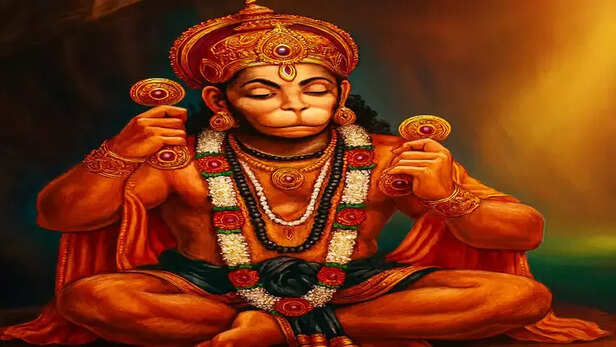
मनोजवं मारुततुल्यवेगं जितेन्द्रियं बुद्धिमतां वरिष्ठम्।
वातात्मजं वानरयूथमुख्यं श्रीरामदूतं शरणं प्रपद्ये॥
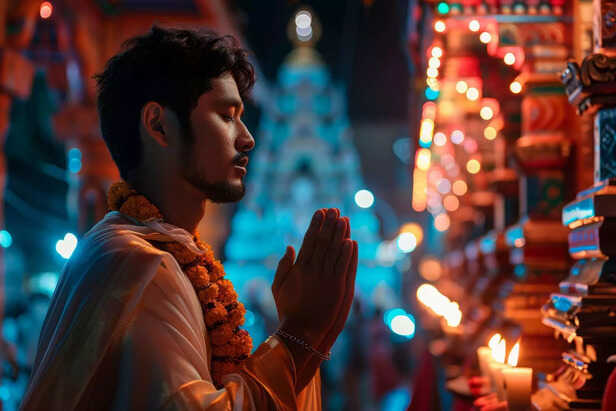
Long after markets shut and streets fall silent, some Hanuman temples continue to glow under the soft light of diyas. Bells ring at midnight. Devotees arrive with folded hands. There is no closing curtain, no symbolic goodnight ritual. The doors remain open.
Why?
The answer lies not in convenience, but in devotion, theology, symbolism, and the unique place Lord Hanuman holds in the spiritual imagination of millions. Unlike many other temples that follow structured opening and closing schedules, certain Hanuman shrines stay accessible around the clock for deeply rooted reasons.
1. The Deity Who Never Sleeps
In Hindu belief, Lord Hanuman is one of the Chiranjeevis, immortal beings who continue to exist on earth. Scriptures describe him as eternally alert, always engaged in service to Lord Rama.
Unlike deities who are ceremonially put to rest at night through Shayana rituals, Hanuman is believed to remain ever awake. He symbolizes energy, vigilance, and readiness. The theological idea is simple yet powerful. A guardian who protects devotees does not sleep.
Temples that remain open reflect this belief. If the deity is spiritually awake, the sanctum does not require symbolic closure.
2. The Protector in the Dark
Night often intensifies human fears. Anxiety feels heavier. Problems seem larger. Hanuman is widely worshipped as Sankat Mochan, the remover of distress and destroyer of negative forces.
Keeping the temple open at night reinforces the belief that protection is available at all hours. Devotees who feel restless, fearful, or overwhelmed often visit Hanuman temples late at night seeking courage.
The open doors quietly communicate reassurance. Divine strength is accessible even in the darkest hour.
3. A Culture of Continuous Chanting
The devotional wave shaped by saints like Tulsidas strengthened the tradition of chanting the Hanuman Chalisa and Sundar Kand at any time of day. The Ramcharitmanas portrays Hanuman as eternally immersed in the name of Rama.
Many temples conduct Akhand Path, continuous recitation of sacred texts, especially on Tuesdays and Saturdays. When chants continue without interruption, closing the temple becomes spiritually symbolic of stopping devotion.
An open temple supports uninterrupted prayer. It keeps the rhythm of bhakti alive.
4. Simplicity in Ritual Tradition
Temple practices in Hinduism vary according to Agamic guidelines and regional customs. Many major temples perform elaborate daily rituals including waking, feeding, and putting the deity to rest.
Hanuman temples often follow simpler traditions. He is revered as a celibate devotee and servant of Rama rather than a royal deity living in luxury. Because nightly rest rituals are not always central to his worship, extended or continuous hours are theologically acceptable.
This ritual flexibility makes 24 hour access possible without violating sacred norms.
5. A Refuge in Urban Life
In busy cities, spiritual timing rarely matches working hours. Students return from late classes. Employees finish night shifts. Travelers arrive at odd hours.
Temples like the Hanuman Temple, Connaught Place have long been associated with heavy footfall throughout the day and late evenings, especially on Tuesdays and Saturdays. Though official timings may vary, their active presence late into the night reflects a larger devotional culture.
For many, the temple becomes a refuge between life’s rush and silence. Keeping it open makes faith accessible to everyone, not just those free during the day.
6. The Symbol of Eternal Service
According to devotional narratives, Hanuman requested to remain on earth as long as Rama’s name is spoken. His identity is inseparable from service.
An open temple becomes symbolic of that vow. As long as devotees chant, pray, and seek strength, Hanuman is believed to remain present. Closing the doors might feel like pausing that eternal service.
The 24 hour tradition quietly honors his promise of unwavering devotion.
7. Emotional Assurance and Human Comfort
Beyond theology and scripture lies something deeply human. People often turn to Hanuman during moments of personal crisis. Job stress. Health fears. Emotional breakdowns. Late night confusion.
Knowing that a temple is open brings psychological comfort. It becomes more than a place of worship. It becomes a space where one can sit silently, breathe deeply, and gather courage.
The open door itself becomes a message. You are not alone. Strength is available whenever you seek it.