
Sitting on the bus the other day, I overheard a conversation between two women. They were discussing a female friend of theirs who had died suddenly from a heart attack. "Such a shock!" one of them declared. "How could that happen? She was always so slim, not an ounce of fat on her."
In today’s body-and-diet-obsessed world, slim is often viewed as the aim, the target, the holy grail of happiness. But is slimness or leanness also an indicator of being in good physical health?
I’m not going to beat around the bush, being overweight or obese can have a serious impact on health, for sure. The World Health Organization (WHO) says, "carrying extra fat leads to serious health consequences, such as cardiovascular disease (mainly heart disease and stroke), type 2 diabetes, musculoskeletal disorders, such as osteoarthritis, and some cancers."
It goes on to say that this "can cause premature death and substantial disability." Sobering thought, eh?
So, can we assume that all slim people have got it good? That they have the right to be complacent?
Being slim is not the be-all and end-all

Let’s select one of our fictional friends. Janet is slim and has no medical issues to speak of (or that she knows of). Her job involves sitting at a desk for much of the day, punctuated by visits to the snack machine.
She lives alone and doesn’t like cooking, so she stocks up with ready meals. Janet avoids vegetables, especially green ones, and has a raging sweet tooth, which she succumbs to each evening with an astonishing assortment of confectionery.
Janet feels lucky that she can ‘eat what she likes’ and concurs that, as she’s not putting on weight, all must be fine and dandy. On the outside, maybe, yes.
'Skinny fat' is a real issue
The problem is that Janet views her current size 10 fit as the only measure of good health that’s worth paying attention to. Neither she (nor we) have any idea when her poor diet and lack of exercise will come to bite her in the rear end – but it’s likely it will. She may be 'skinny fat', which means she looks slim on the outside, but actually carries a high proportion of body fat and low muscle mass.
The WHO says that deaths from non-communicable diseases (mainly heart and lung diseases, cancers and diabetes) now total an estimated 43 million worldwide, annually. And 18 million of those are premature deaths (below the age of 70).
The major risk factors are – you listening, Janet? – physical inactivity, unhealthy diet, tobacco use and harmful use of alcohol. It pays for us all to be thinking beyond simply what our bodies look like.
How to stop being skinny fat
What really is physical health? It’s a state of wellbeing when all our internal and external body parts, organs, tissues and cells can function as they’re supposed to. To reach that bar, we must nourish our body, with healthy dinner ideas and snacks that nourish us.
We need enough micronutrients (vitamins and minerals) and macronutrients (carbohydrates, protein and fat), so that we can manufacture hormones (those vital chemical messengers), build muscle, protect bones, joints and teeth, help our gut microbiome flourish, boost our immunity and keep cholesterol down.
Then we must top it all off with regular, restful sleep and, at the very least, 30 minutes of moderately intense exercise per day. That is good health.
One thing we can all do – whether you currently err on the slimmer or larger side – is exercises to improve your strength, balance and overall fitness, such as strength training for women. You should also learn how to relieve aching joints, so that these don't stop you in your tracks too young.
The three moves I demonstrate below with my best dumbbells and best thick yoga mat will help to strengthen your glutes, which will bring so many benefits to your overall fitness.
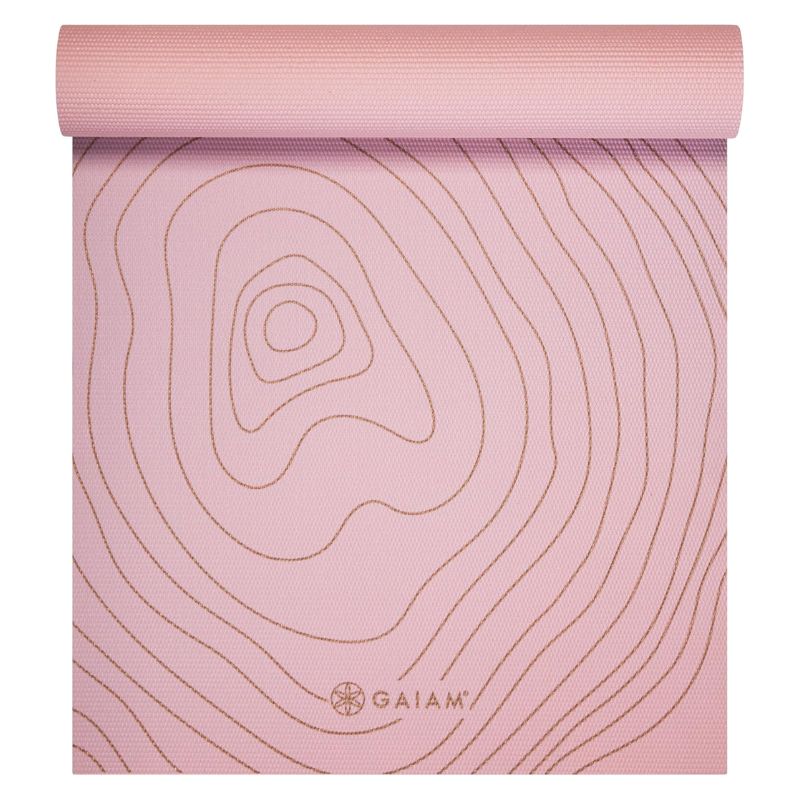
Thickness: 6mm | Weight: 1.59kg
The Gaiam Premium 6mm Thick Yoga Mat is our health team's top choice of all the thick yoga mats they tested, which you can use in so many ways. Although an additional 2mm might not sound like a lot, it delivers comfort, support, and durability in a design that's as pleasing to the eye as it is on the body. It's super grippy and more affordable than many rivals.
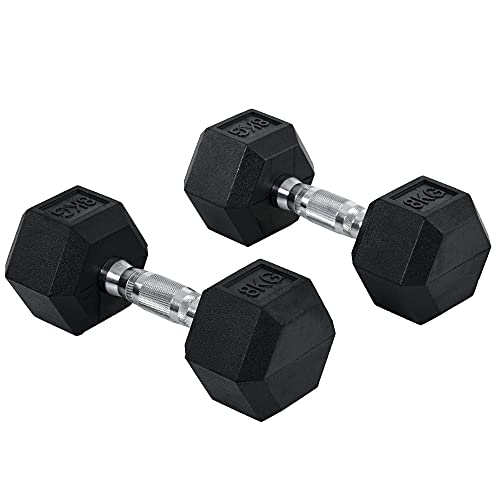
Weight range: 4kg to 10kg
Digital Health editor Grace Walsh picked these as the best dumbbells overall, after testing multiple types and brands. She says, "If you have space to store them, I recommend to everyone that they invest in sets of hexagonal, rubber-covered dumbbells. These ones from HOMCOM are the perfect example of why. Firstly, the hexagonal shape. It's my favourite for home workouts because the dumbbells don't roll away when you put them down."
Nuts such as almonds are a much healthier snack than many processed foods as they offer protein to feed your body and keep you fuller for longer. As these say on the packet, they also contain calcium, vitamin E to help your immune system, skin and eye health, and fibre for gut health.
3 Moves to a Stronger Bottom
Three muscles make up our glutes, and training them brings power to our lower body and support to the lower back.
Make your body work for you. The denser your muscle, the more calories it will burn. Think strong not skinny.
Do 15 reps of each exercise below and repeat them three times in one session.
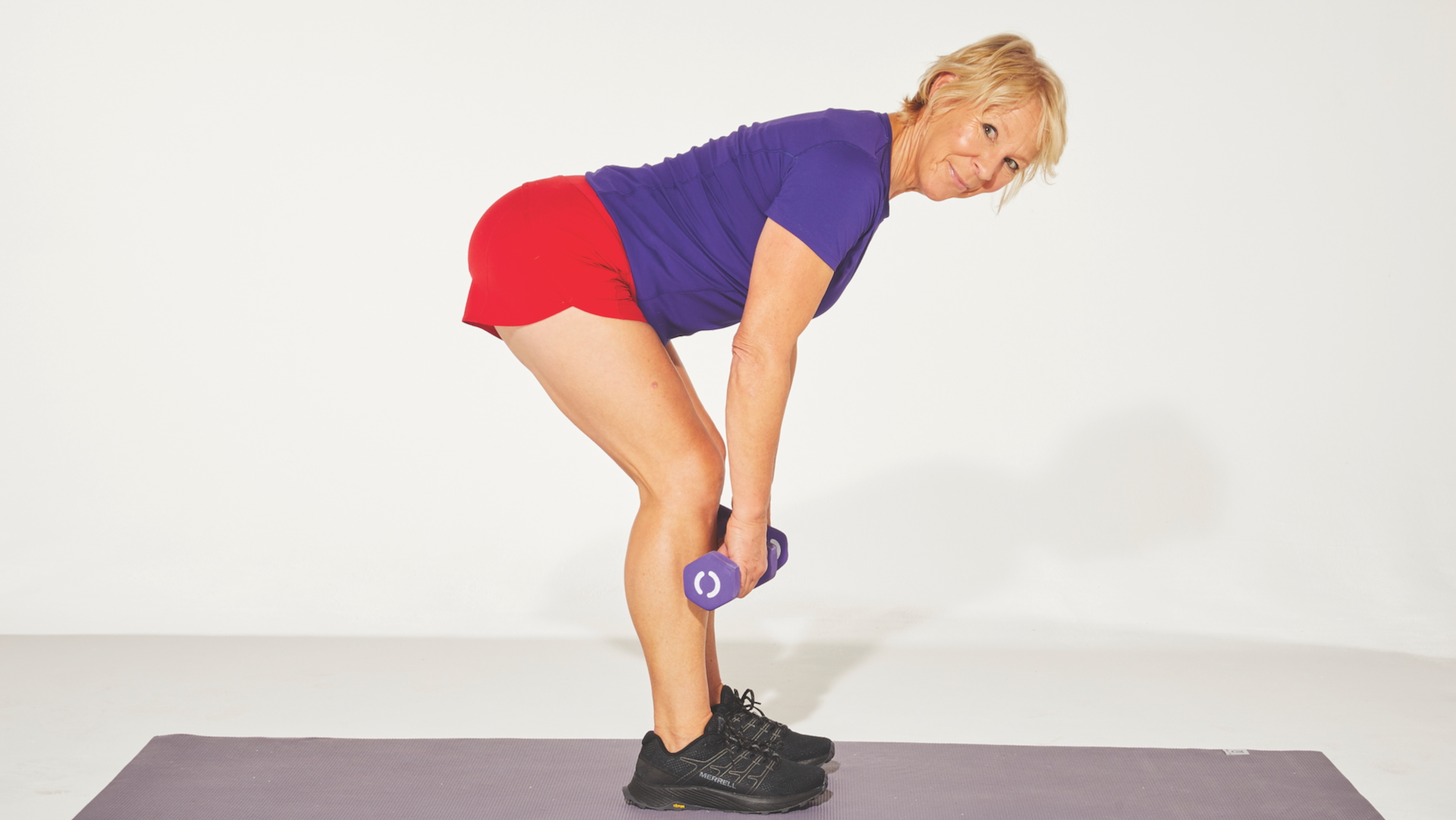
1. Romanian deadlift
From a standing position, hold your dumbbells in front. Slowly bend forward, lifting your pelvis up and pinning your shoulders back, as you lower the weights down in front of your shins. Pause. Snap back to standing while squeezing your glutes.
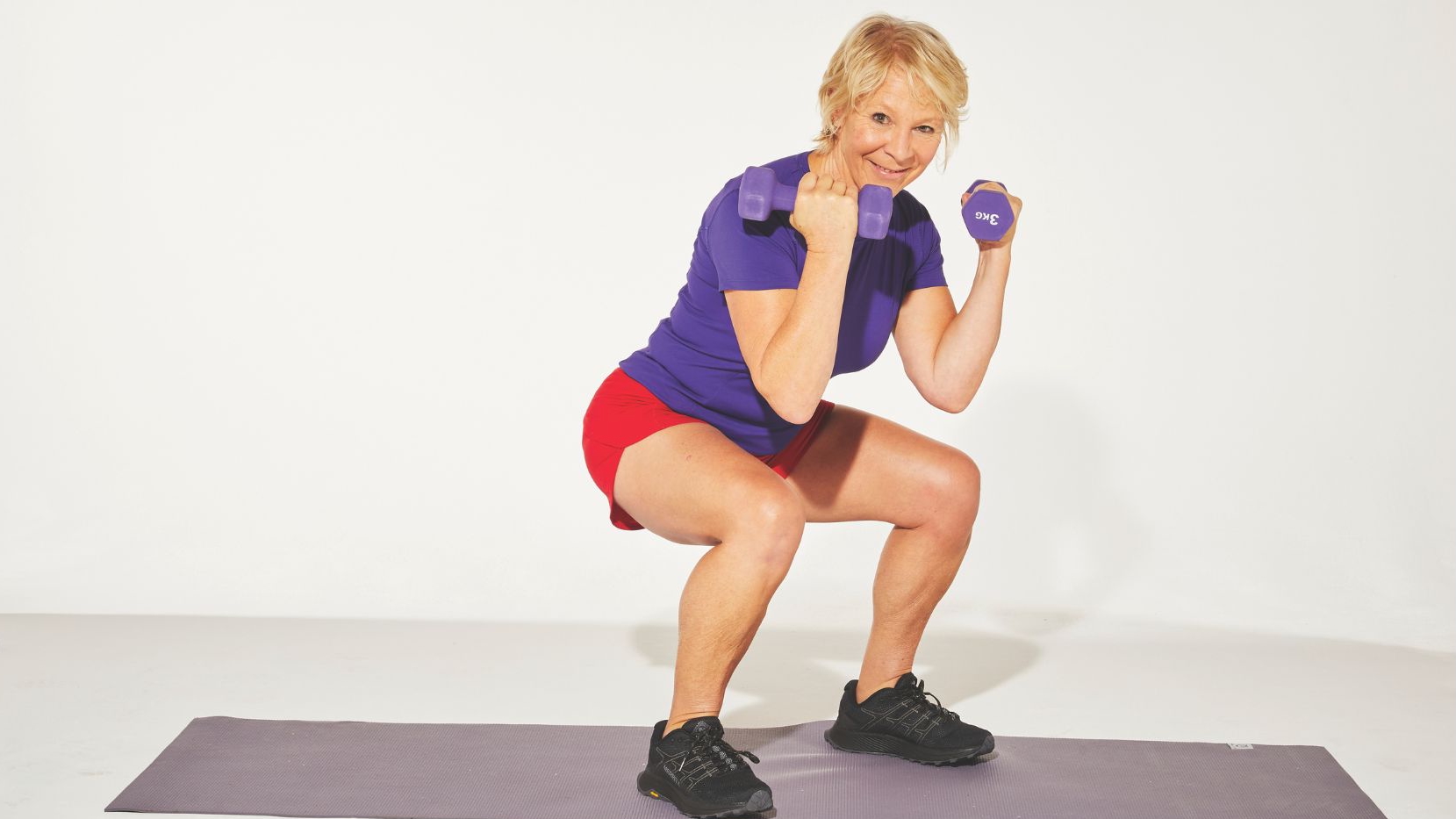
2. Squat
With your weights, stand with your feet slightly wider than shoulder width and lower your hips towards the floor. Drive your heels into the floor and return to standing position. Be sure not to let your knees go beyond the toes.

3. Curtsy lunge
Finally, standing with weights at shoulder level, take a step back and across, lowering your knee towards the floor, like you're doing a curtsy. Keep your chest and front foot facing forward, and your body upright. Repeat on the other leg.
This article first appeared in the July 2024 issue of woman&home magazine. Subscribe to the magazine for £6 for 6 issues.