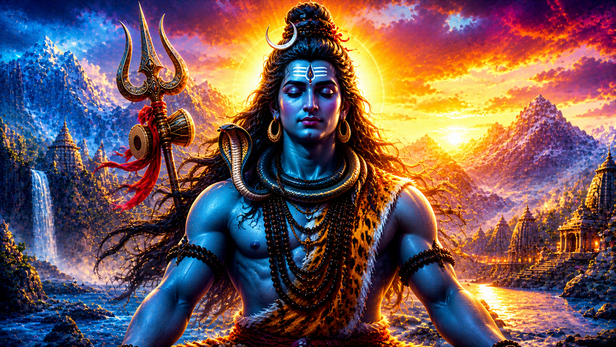
In Hindu traditions, even the simplest ritual often hides a deeper spiritual meaning. But one practice connected to Lord Shiva has confused devotees for centuries. Why is a whole coconut offered to Shiva, while coconut water separately is avoided? And if Shiva symbolizes completeness and infinity, why do devotees stop midway instead of taking a full parikrama around the Shivling? At first, these rituals may seem ordinary or symbolic. But ancient Shiva worship was built on powerful ideas of purity, surrender, and respect for sacred energy. Even the flow of water from the Shivling is treated as divine. And once you understand the hidden meaning behind these traditions, every Shiva temple ritual begins to feel far more profound and spiritually alive.
A Coconut Must Be Offered Whole
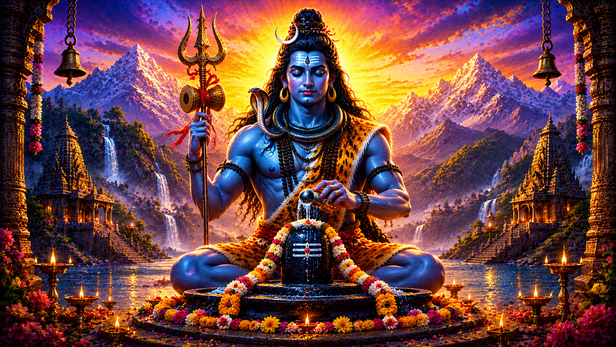
The Somsutra is treated with the same purity as the Shivling itself.
In Shiva worship, completeness holds deep spiritual importance. A whole coconut represents total devotion, full surrender, and an unbroken offering. But once coconut water is separated, the fruit is considered divided. According to traditional beliefs, anything incomplete should not be offered to Lord Shiva, who symbolizes wholeness and cosmic balance. This is why devotees place the coconut before Shiva in its original form instead of offering only the water. The ritual quietly teaches that devotion should never be partial. Shiva is believed to accept only that offering which comes with full faith, full emotion, and complete dedication.
The Sacred Mystery Of Somsutra
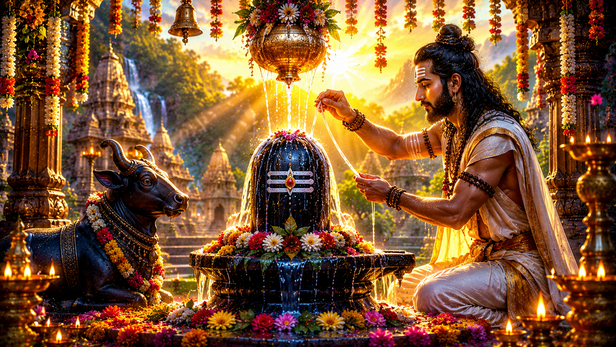
Shiva parikrama follows a crescent-shaped spiritual path.
One of the most misunderstood parts of Shiva worship is the water outlet attached to the Shivling. This sacred flow is called the Somsutra. The water poured during Abhishek becomes spiritually purified after touching the Shivling. Because of this, devotees are advised never to cross over it with their feet. In Hindu tradition, stepping over sacred energy is considered disrespectful. That is why Shiva parikrama is not completed in a full circle like other temples. Devotees stop near the Somsutra, turn back respectfully, and continue from the other side. This ritual is known as Chandraakar Parikrama.
Why Shiva’s Parikrama Is Different
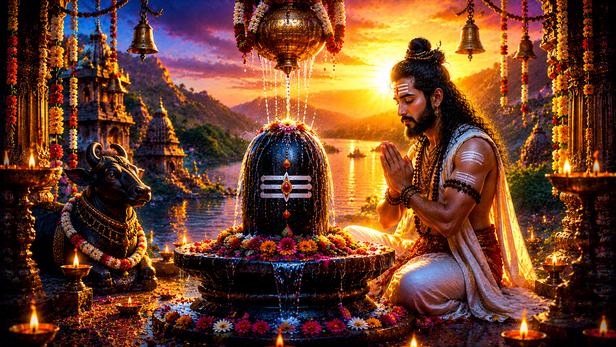
True Shiva worship begins with awareness and devotion.
Most temple parikramas involve walking completely around the deity. But Shiva worship follows a unique path rooted in spiritual symbolism. Devotees begin from the left side of the Shivling, move toward the Somsutra, and then return without crossing it. This creates a crescent-shaped movement called Chandraakar Parikrama. The ritual reflects humility and awareness instead of mechanical worship. It reminds devotees that spirituality is not only about rituals but also about respecting divine boundaries. Even the direction of movement inside a Shiva temple carries sacred meaning that has been preserved for centuries through ancient traditions.
Shiva Worship Is About Respect, Not Rituals
Many people perform rituals without understanding why they exist. But Shiva traditions were designed to create mindfulness, discipline, and spiritual connection. Offering a whole coconut symbolizes complete surrender. Avoiding the Somsutra reflects respect for sacred energy. Even the incomplete parikrama teaches that devotion is not about showing perfection outwardly, but about carrying humility within. Shiva worship quietly reminds devotees that every action inside a temple should come with awareness. Sometimes the deepest spiritual lessons are hidden inside the simplest rituals people repeat every day without ever questioning their meaning.
Silent Prayer Before Lord Shiva
The next time you step inside a Shiva temple, these rituals may feel completely different. The unbroken coconut. The half parikrama. The sacred Somsutra no devotee crosses. None of these traditions were created without meaning. Each ritual quietly teaches devotion, humility, and respect for divine energy. In Shiva worship, even the smallest action carries spiritual symbolism passed down for thousands of years. Lord Shiva is not worshipped only through flowers, water, or offerings. He is worshipped through awareness and understanding. And perhaps that is why these ancient traditions still feel powerful today, continuing to connect millions of devotees with something far deeper than ritual alone.
Unlock insightful tips and inspiration on personal growth, productivity, and well-being. Stay motivated and updated with the latest at My Life XP.
Frequently Asked Questions (FAQs)
Why is coconut water not offered separately to Lord Shiva?In Shiva worship, completeness holds deep spiritual importance. A whole coconut symbolizes total surrender and pure devotion. Separating the water from the coconut is believed to break that completeness, which is why devotees usually offer the coconut in its original form.
Can a whole coconut be offered to Shiva?
Yes, offering a whole coconut to Lord Shiva is considered highly sacred. It represents purity, humility, and the devotee’s complete dedication before the divine.
Why is full parikrama around the Shivling avoided?
Devotees traditionally avoid crossing the sacred outlet area called the Somsutra, where the holy water from the Shivling flows out. Because this water is considered spiritually purified, stepping across it is viewed as disrespectful.
What is Somsutra in Shiva temples?
Somsutra is the channel through which the water, milk, or offerings poured on the Shivling flow outward. In many traditions, this sacred flow is treated with the same reverence as the Shivling itself.
What is Chandrakar Parikrama?
Chandrakar Parikrama means “moon-shaped circumambulation.” Instead of completing a full circle, devotees walk around the Shivling partially and return without crossing the Somsutra area.