
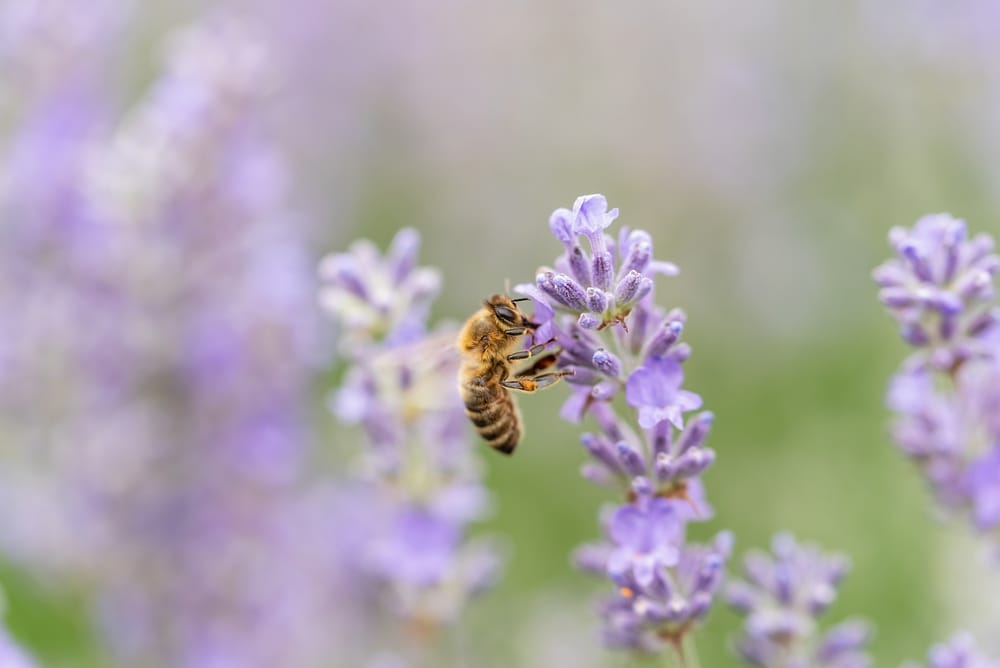
There’s something magical about stepping outside on a crisp morning and realizing the world is still humming—literally—with tiny winged workers who haven’t punched out for the season. Contrary to the tidy instincts that kick in when the weather cools, this is not the moment to wage war on your yard with pruning shears and leaf blowers. Pollinators are still out there hustling, sipping, nesting, and preparing for the long months ahead. Cutting back habitat too early can undo an entire year’s worth of their efforts, and most people don’t even realize how much is still happening beneath the fallen leaves and among the browning stems. If you want your garden buzzing with life next spring, the smartest thing you can do right now is this: absolutely nothing.
The Hidden Life Inside “Dead” Plants
Those dried seed heads and crunchy stalks you’re itching to toss aren’t lifeless decorations—they’re high-rise apartments for pollinators. Many native bees overwinter inside hollow stems, tucked away in perfect little insulating tunnels. Removing those stems too early literally throws them out of their homes before they’ve even had a chance to emerge next season. Butterflies, including beloved species like monarchs, use these spots for shelter and protection as well. Leaving these plants in place may look messy to humans, but to pollinators, it’s the warm, safe neighborhood they rely on.
Leaves Are Not Litter—They’re Luxury Lodging
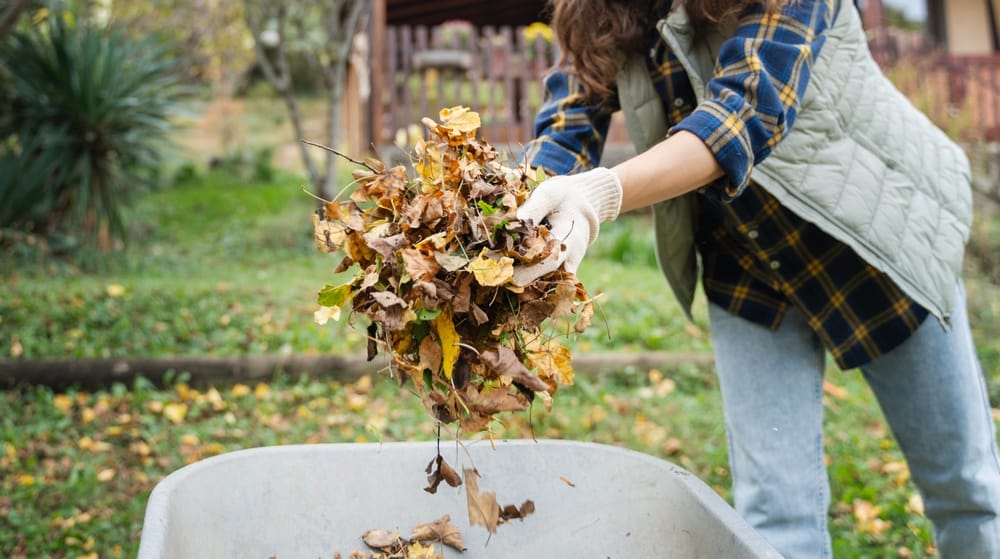
Before you rake everything into a pristine pile, consider what you’re actually scooping up. Beneath those leaves, caterpillars, beetles, fireflies, and even queen bumblebees are tucked away for the winter. Removing that blanket too early strips away the protective layer that keeps them alive during cold spells. The leaf layer also builds rich soil that plants and pollinators will benefit from once spring arrives. When you leave your leaves, you’re not being lazy—you’re being an ecological hero.
Pollinators Are Still Active Longer Than You Think
Just because you’ve put away the patio furniture doesn’t mean the pollinators have clocked out. Many species are still gathering resources, looking for shelter, or finishing their life cycle late into the fall. The weather determines their schedule, not the calendar, and seasonal shifts often keep them active far beyond what people expect. Cutting habitat now interrupts these final crucial moments. Giving them a few more weeks or months ensures they finish the job nature assigned them.
Early Cleanup Disrupts Nesting Cycles
Pollinators aren’t just surviving in your yard—they’re reproducing and building the next generation. When stems, leaves, and plant debris are removed early, you may be tossing out eggs, larvae, or pupating insects without even knowing it. Their nesting cycles rely on stable conditions that last throughout winter. Removing habitat too early interrupts that cycle and reduces pollinator populations the following year. Keeping your garden intact means supporting the entire life cycle, not just the parts you can see.
“Messy” Fall Gardens Feed Wildlife All Winter
Those seed heads and stems that look like clutter to you are actually a buffet for birds and small animals. Goldfinches, chickadees, and sparrows depend on leftover seeds when other food sources run low. Removing everything early cuts off this winter safety net, leaving wildlife scrambling. A garden that stays standing into winter becomes a vital feeding ground that supports the whole ecosystem. It’s amazing how much life relies on what humans often call “yard waste.”
Natural Materials Protect Soil Health
Bare soil in fall and winter is a recipe for erosion, nutrient loss, and overall garden exhaustion. Leaving stems and leaves in place creates a protective shield that keeps soil structure intact. Microbes, fungi, and beneficial insects thrive under this natural cover, enriching the soil for spring growth. A cut-back garden might look neat, but it starves the soil of the organic matter it needs. The healthiest gardens are the ones allowed to rest, not sterilized.
Temperature Swings Make Early Cutbacks Risky
Weather doesn’t just shift from warm to cold—it flip-flops dramatically in the fall. One week is chilly, the next is surprisingly warm, and pollinators adjust on the fly. If you remove habitat too early, they lose their backup shelter during unexpected cold snaps. These sudden temperature changes are part of the reason many species struggle, and reducing available shelter makes survival even harder. Waiting until consistently warm spring days is far safer for their fragile life cycles.
Overwintering Pollinators Need Time To Emerge
Even though you may see signs of spring earlier some years, the pollinators inside those stems and leaf piles need warm, sustained temperatures before they’re ready to emerge. Cutting back too soon exposes them to the elements before they’ve fully developed. Many don’t survive the shock of premature exposure. By delaying your cleanup, you ensure they have the time and shelter needed to complete their metamorphosis. A little waiting now means a lot more pollinators later.
Beneficial Predators Use the Habitat Too
It’s not just pollinators making use of the fall and winter refuge. Ladybugs, lacewings, and other natural pest-control allies hide out in the same materials you might be tempted to remove. These predators help control aphids and harmful insects once spring arrives, saving your plants and reducing the need for chemicals. Cutting back habitat too soon wipes out both prey and predators alike, throwing your garden’s natural balance out of sync. Leaving things in place gives your future garden an ecological head start.
A Late Cleanup Leads To A Healthier Spring Garden
When you delay your cleanup until spring, the ecosystem in your yard has time to breathe, regenerate, and prepare. Plants benefit from extra insulation, wildlife benefits from leftover seeds, and pollinators benefit from intact shelter. Your soil becomes richer, your garden more resilient, and your early blooms receive immediate visitors as soon as they appear. A little patience now creates a cascade of benefits that ripple into next season. The payoff is a thriving, vibrant garden full of life.
Your Yard Is Buzzing With More Than You See
Waiting to cut back pollinator habitat isn’t just a nice idea—it’s an essential step in protecting the tiny creatures that keep our world blooming. Every stem, leaf pile, and sheltered nook helps them survive the winter and return stronger in spring. By resisting the urge to clean too early, you’re giving pollinators a fighting chance in a rapidly changing world.
Have you left your garden standing this season, or are you tempted to tidy up too soon? Share your thoughts, stories, or pollinator encounters in the comments below.
You May Also Like…
How to Make Your Yard a Haven for Birds and Pollinators This Winter
Why Pollinator Hotels Should Be Built Before Frost
How Climate Change Is Quietly Changing Fall Gardening Forever
How Autumn Pollinators Choose Their Flowers
How Late-Season Pollinators Depend on Your Garden
The post Why Pollinator Habitat Shouldn’t Be Cut Back Yet appeared first on Frugal Gardening.