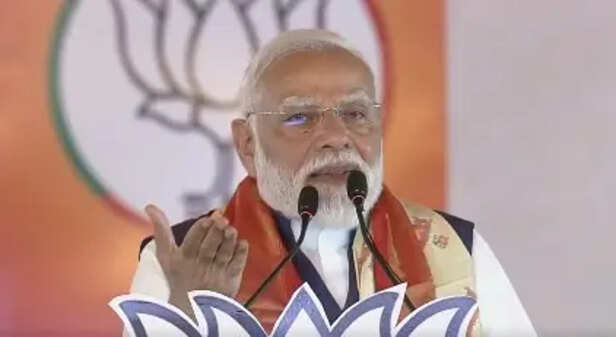
As fuel prices rise and tensions in West Asia continue to grow, Prime Minister Narendra Modi has made an unexpected appeal to Indians work from home whenever possible, avoid unnecessary travel, and use fuel carefully. For many people, it sounded like a reminder from the Covid era. But behind this suggestion lies a much bigger concern that could impact every household in India. From rising petrol prices to pressure on the Indian economy, the warning is connected to a global crisis many people are still not fully understanding. And that is exactly why this announcement has suddenly grabbed national attention.
PM Modi’s Fuel Warning Is About More Than Petrol
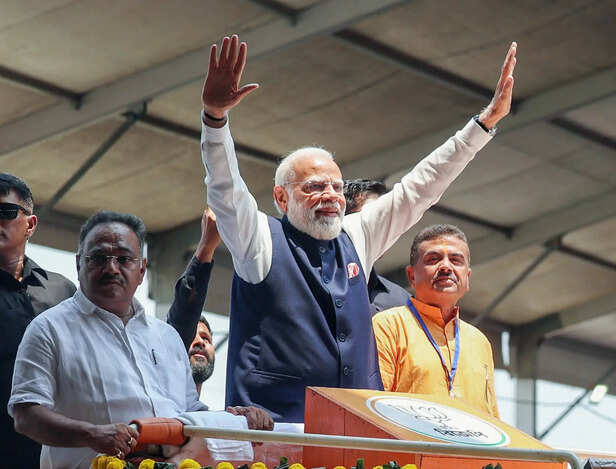
The Prime Minister’s appeal shocked many because it sounded unusually personal. Instead of only speaking about government policies, he directly asked citizens to help protect the economy by changing daily habits. The reason is simple India imports a large amount of crude oil, and any rise in global oil prices immediately affects the country. With tensions growing between Iran and the United States, fears of supply disruption have increased. This means petrol, diesel, transport, and even household expenses could become costlier. PM Modi’s message was not just advice. It was an early warning about how global conflicts can silently enter everyday Indian life.
The West Asia Crisis Could Hit Every Indian Family
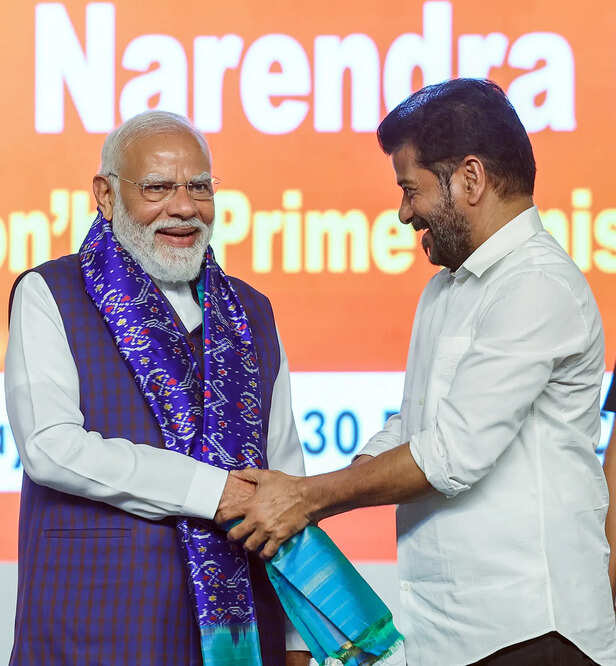
Many people think international wars only affect governments and stock markets. But this crisis could directly impact ordinary families. When crude oil prices rise, transport costs increase. That affects vegetables, groceries, online deliveries, flights, and daily commuting expenses. Experts say even a small jump in oil prices creates pressure on inflation. This is why PM Modi stressed fuel conservation and reducing unnecessary travel. The government appears worried that if tensions continue, India may have to spend much more foreign exchange on energy imports. And when that happens, the financial burden slowly reaches common citizens through higher prices everywhere.
Why Work From Home Suddenly Returned Into Discussion
For many Indians, work from home feels connected to the pandemic years. But PM Modi’s latest remarks gave it a completely different meaning. He reminded people how virtual meetings, video conferencing, and remote work helped during Covid-19. This time, the purpose is not health safety it is fuel conservation. Fewer people travelling daily means lower petrol and diesel consumption. Offices using hybrid work models can reduce traffic, fuel demand, and transportation costs together. What sounded like a simple suggestion actually reflects a larger economic strategy aimed at protecting India during a possible global energy shock.
The Hidden Fear Behind Saving Foreign Exchange
One word repeatedly appeared in PM Modi’s speech foreign exchange. Many people ignore this term, but it is extremely important during global crises. India pays other countries in foreign currency to import crude oil, gold, and several essential products. If oil prices continue rising, India may need to spend much more money importing energy. That can weaken economic stability over time. This explains why the Prime Minister also asked people to postpone non-essential foreign travel, reduce edible oil usage, and support Swadeshi products. The goal is clear: reduce pressure on India’s economy before the crisis becomes more serious.
Congress Attack Turned The Debate Even Bigger
The Congress party strongly criticised PM Modi’s comments and accused the government of shifting responsibility onto citizens. Congress leader KC Venugopal questioned why people are being asked to sacrifice convenience instead of the government creating stronger energy backup plans. This political reaction made the issue even more controversial online. Supporters argued the Prime Minister was encouraging national responsibility during a difficult global situation. Critics called it a sign of weak preparation. But regardless of political opinions, one thing became clear the West Asia crisis is serious enough for fuel saving and economic protection to become part of national conversation again.
What Ordinary Indians Can Do Right Now
The Prime Minister’s suggestions may sound small individually, but together they can create a major impact. Using metro services instead of personal vehicles, choosing carpooling, limiting unnecessary travel, and using electric vehicles can help reduce fuel demand. Businesses can also encourage hybrid work whenever possible. Families can avoid wasteful spending on imported products and support local alternatives. These steps are not just about saving money personally they also help reduce pressure on national imports. In uncertain global situations, even small daily choices by millions of people can influence economic stability in a very big way.
Citizens using metro and carpool services
PM Modi’s work-from-home appeal is not just another public suggestion. It reflects growing concern over how global conflicts can rapidly affect India’s economy, fuel prices, and everyday life. What makes this moment important is the timing. The world is already watching rising tensions in West Asia, unstable oil markets, and economic uncertainty. India’s leadership appears to be preparing citizens mentally before the impact becomes larger. Whether people agree politically or not, one message is becoming impossible to ignore the global crisis is no longer far away. Its effects may soon reach every Indian household, one fuel bill at a time.
Unlock insightful tips and inspiration on personal growth, productivity, and well-being. Stay motivated and updated with the latest at My Life XP.
Frequently Asked Questions (FAQs)
1. Why did PM Modi ask people to work from home again?PM Modi suggested work from home to reduce fuel consumption and help India save foreign exchange during the ongoing West Asia crisis and rising global oil prices.
2. How is the Iran-US conflict affecting India?
India imports a large amount of crude oil. Rising tensions between Iran and the United States can increase global oil prices, which affects fuel costs, transportation, and inflation in India.
3. What did PM Modi say about fuel usage?
The Prime Minister urged citizens to use fuel carefully, avoid unnecessary travel, prefer metro services, carpool, and adopt electric vehicles whenever possible.
4. Why is foreign exchange important during this crisis?
India uses foreign currency to buy crude oil and other imports. If oil prices rise sharply, the country has to spend more foreign exchange, putting pressure on the economy.
5. Did PM Modi only talk about work from home?
No. He also advised reducing edible oil consumption, postponing non-essential foreign travel, promoting natural farming, and supporting Swadeshi products.