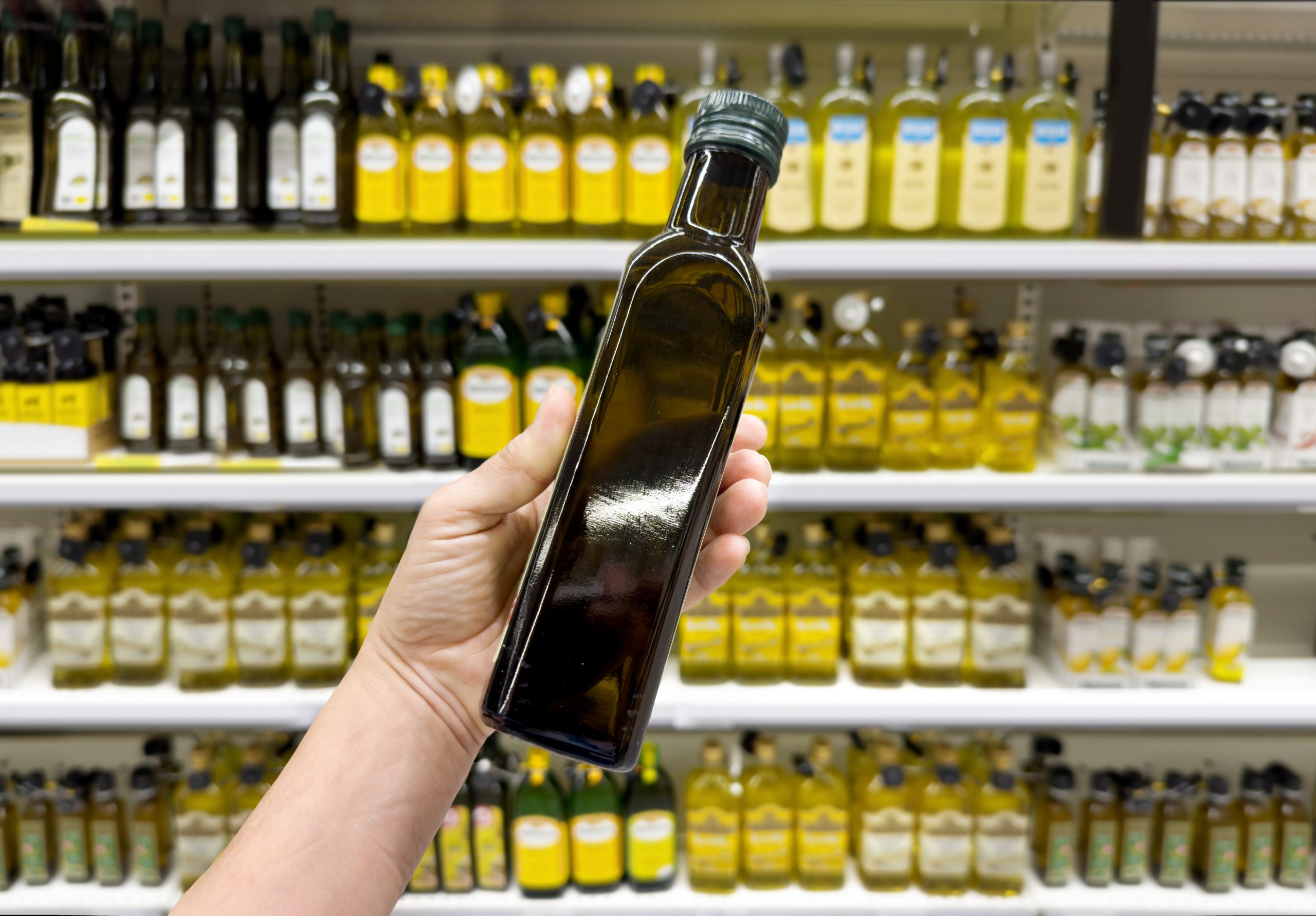
In the grocery store, “top shelf” means the best. For liquor, it means premium brands. For olive oil, however, it is often a retail dead zone. Shoppers will walk right past the expensive, dark glass bottles on the top shelf. They will instead reach for the familiar, cheaper, and larger plastic jugs on the lower shelves. This behavior is a major missed opportunity. The top shelf is where the real, high-quality olive oil is hiding. Many people are avoiding the very product they should be buying.
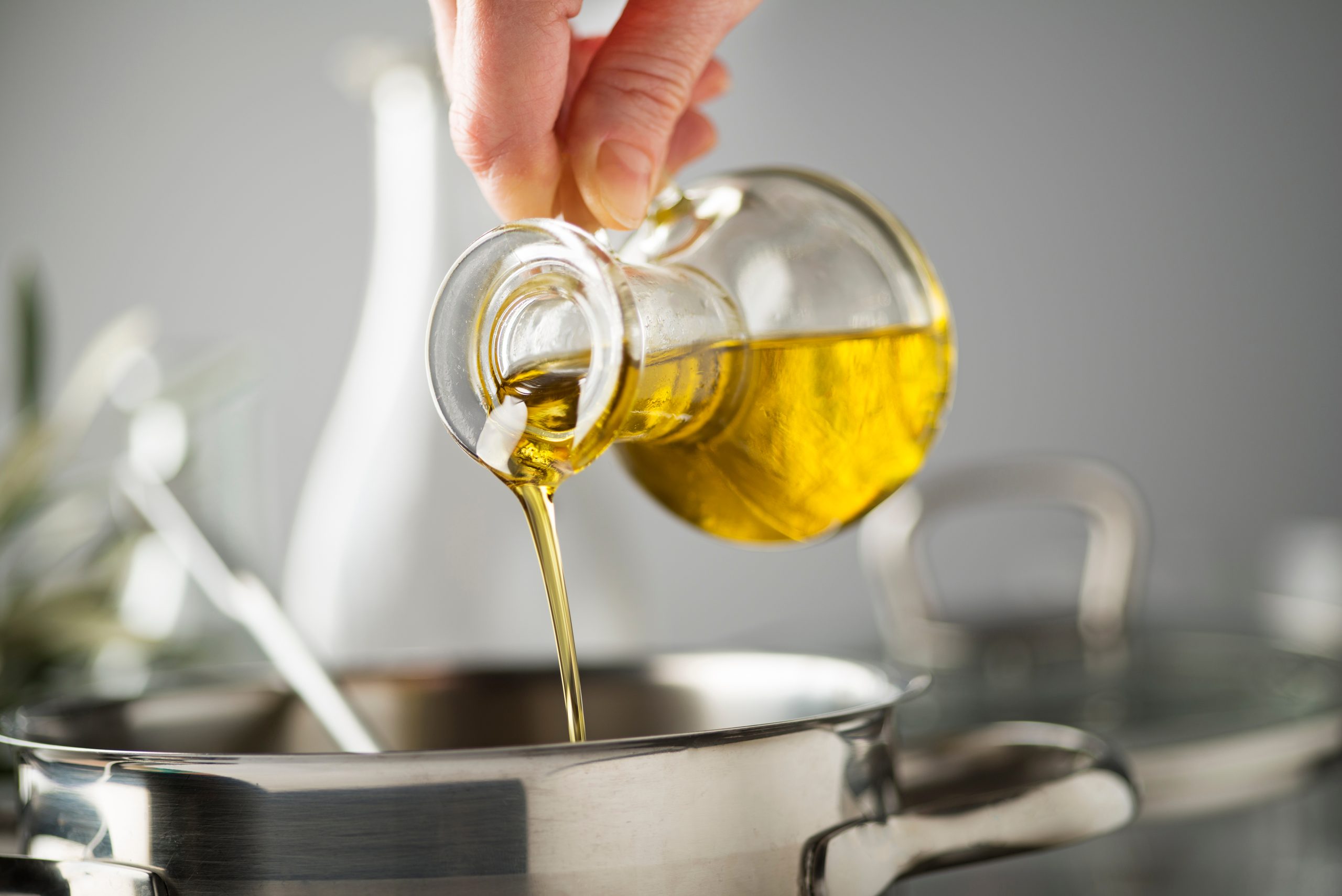
The Intimidation of the High Price Tag
The most obvious barrier is the price. A small bottle of premium, extra-virgin olive oil from a single estate can cost three or four times as much as a large jug of “pure” olive oil. This high price tag makes it feel like an unaffordable luxury, not an everyday staple. Shoppers see the price and immediately look for a cheaper, more “practical” option. They are not willing to pay a premium for what they see as a simple cooking fat.
Confusion Over Unknown Brands
The top shelf is often filled with unfamiliar brands. These bottles come from small, international producers or single estates in Italy, Spain, or Greece. They do not have the massive marketing budgets of the big, national brands. For a shopper who is not an olive oil expert, this wall of unknown labels is confusing. It is easier to grab the familiar, trusted name brand than to take a risk on an expensive, unknown product.
We Use the “Cheap Stuff”
Most of us grew up using cheap, all-purpose vegetable oil or a light, flavorless olive oil for our cooking. We are conditioned to think of oil as a simple utility, not as a flavor ingredient. We are in the habit of buying the cheapest, most neutral-tasting oil we can find. The idea of an olive oil that has a peppery, grassy, and complex flavor is a new concept for many. We are in our old, cheap-oil habits.
Missing Out on the Real Health Benefits
The real tragedy is that shoppers are missing out on the product’s main benefits. The amazing health benefits of olive oil, like its anti-inflammatory properties, are in its polyphenols. These powerful antioxidants are only present in high-quality, cold-pressed, extra-virgin olive oil. The cheap, “pure” or “light” olive oils have been refined with heat and chemicals. This process strips them of almost all of these healthy compounds.
The Flavor You’re Not Tasting
A high-quality, top-shelf olive oil is not just a cooking fat; it is a finishing ingredient. A drizzle of a robust, peppery oil over a finished dish can transform the flavor. It can add a new, delicious dimension to a simple salad, a bowl of soup, or a piece of grilled fish. By always buying the cheap, neutral-tasting oil, shoppers are missing out on one of the simplest and most powerful tools for making their food taste better.
Rethinking the Oil Aisle
The top shelf of the olive oil aisle is not a luxury section; it is the real olive oil section. The cheaper products on the lower shelves are highly processed and inferior substitutes. While the price of a good bottle of extra-virgin olive oil is high, it should not be seen as a simple cooking oil. It should be seen as both a health supplement and a high-flavor finishing sauce. When you understand what you are actually paying for, the high price starts to make a lot more sense.
What is your go-to brand of olive oil? Do you invest in a high-quality bottle, or do you stick with the cheaper options? Let us know!
What to Read Next
- 13 Cooking Oils That Give Best Value Per Serving
- These 5 Cooking Oils May Be Bad For Your Health
- 7 Ways To Spot Low-Quality or Potentially Adulterated Olive Oil
- How to Buy and Store Fresh Olives
- 12 Pantry Items That Disappear Faster Than You Realize
The post Why No One Buys the Top Shelf Olive Oil (But Everyone Should) appeared first on Grocery Coupon Guide.