In a world filled with trendy superfoods and expensive health supplements, some of the most nutritious foods are still hiding in the mountains. One such ingredient is Linguda, a wild fern that has been a part of Pahadi kitchens for generations.
While many people have never heard of it, those who grew up in the Himalayan regions know exactly why it is so special. It appears only for a short time each year, is gathered directly from nature, and turns into a delicious dish that families look forward to. But what makes this humble mountain ingredient so loved that people continue eating it generation after generation?
The Wild Ingredient That Grows in the Himalayas

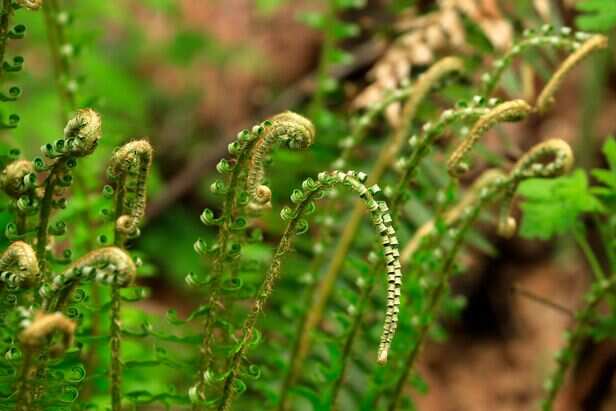
Lingud are called as fern shoots
Unlike vegetables that are grown in farms or bought from supermarkets, Linguda grows naturally in the forests and hills of the Himalayas. It is a young fern shoot that appears during the spring and early summer months when the weather becomes warmer.
The plant thrives in cool and moist environments, making the mountains the perfect home for it. Because it grows in the wild, people often have to collect it by hand from forests and hillsides. This makes it feel more special than ordinary vegetables that are available throughout the year.
For many villagers, spotting fresh Linguda in the forests is a sign that a new season has arrived.
Where Is Linguda Found?
Linguda is commonly found across the Himalayan belt, especially in Uttarakhand, Himachal Pradesh, Jammu and Kashmir, Sikkim, and parts of Northeast India.
In many mountain villages, collecting Linguda is not just about food. It is a tradition. Families often head into nearby forests during the harvesting season and gather the fresh shoots together. Older generations pass down knowledge about where to find the best Linguda and how to prepare it properly.
This connection between food, family, and nature is one reason why the ingredient remains so important in Pahadi culture even today.
Why Do Mountain People Love It So Much?
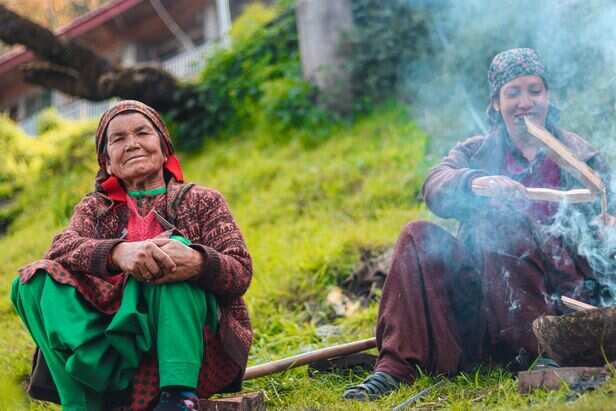
pahadi women cooking food
Ask anyone from the hills about Linguda, and chances are they will smile before answering. For many people, it brings back memories of childhood, village life, and meals shared with family.
The flavor is slightly earthy, mildly crunchy, and unlike most vegetables. It has a taste that feels deeply connected to the mountains themselves.
But it is not just about taste. Linguda is also known for being naturally rich in fiber and nutrients. Mountain communities have long believed in eating seasonal foods that come directly from nature, and Linguda fits perfectly into that philosophy.
It is simple, wholesome, and satisfying, which explains why it continues to remain a favorite despite changing food trends.
The Traditional Pahadi Recipe
One of the most common ways to enjoy Linguda is through a simple stir-fried preparation that allows its natural flavor to shine.
Ingredients
- 250 grams fresh Linguda
- 2 tablespoons mustard oil
- 1 teaspoon cumin seeds
- 2 dried red chilies
- 1 teaspoon turmeric powder
- 1 teaspoon coriander powder
- Salt to taste
- 1 chopped green chili
- Fresh coriander leaves
Method
Wash the Linguda thoroughly and remove any tough ends. Boil it for five to seven minutes and drain the water.Heat mustard oil in a pan. Add cumin seeds and dried red chilies until they begin to release their aroma. Add green chili, turmeric, coriander powder, and salt.Mix in the boiled Linguda and cook for several minutes until the flavors combine. Garnish with fresh coriander and serve hot with rice or traditional Pahadi rotis.The recipe is simple, but that simplicity is exactly what makes it so special.
A Healthy Food Long Before Superfoods Became Popular
Today, health-conscious people are constantly searching for the next big superfood. But mountain communities have been eating naturally nutritious ingredients for generations without calling them trendy.
Linguda contains fiber, antioxidants, vitamins, and essential minerals that support a balanced diet. It is also naturally low in calories, making it a wholesome addition to traditional meals.
The growing popularity of regional and traditional foods has brought more attention to ingredients like Linguda. Many people are now discovering that some of the healthiest foods have been part of local cultures for centuries.
Linguda may not be as famous as many modern health foods, but its story is far more meaningful. Hidden in the forests of the Himalayas, this humble wild fern has nourished mountain communities for generations.
Its unique taste, nutritional value, and deep connection to local traditions are what make it special. In a time when people are searching for healthier and more natural foods, Linguda serves as a reminder that sometimes the best ingredients are the ones that have been quietly growing in nature all along.
Unlock insightful tips and inspiration on personal growth, productivity, and well-being. Stay motivated and updated with the latest at My Life XP.