Prime minister Narendra Modi has made an unusual austerity appeal to India’s citizens in a bid to protect the economy from the impact of the ongoing US-Israel war on Iran.
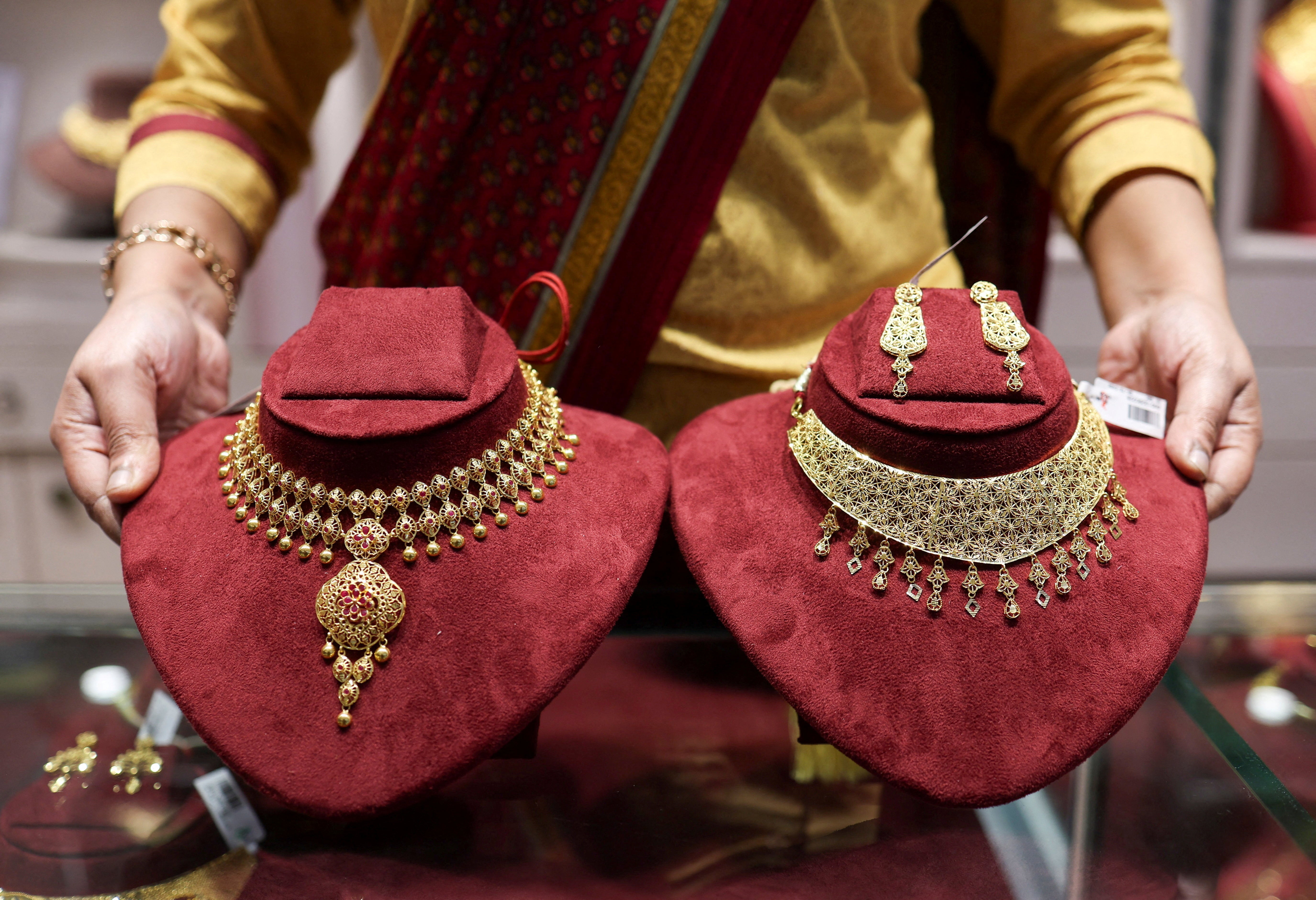
Speaking at a function in the southern city of Hyderabad over the weekend, the prime minister urged citizens to refrain from buying gold for a year as the war puts pressure on foreign exchange reserves of the country.
Modi's remarks about gold came along with a range of other measures he urged, including fuel conservation, increasing working from home and limits on travel and imports.
“It is time for us to use petrol, diesel and gas with great care,” Modi said. “We must make efforts to use only as much as is needed to save foreign currency and reduce the adverse effects of war crises.”
Indians' affinity for gold is no secret. It’s used in weddings where gold jewellery is seen as a crucial part of a bride's attire and is a popular gift from family and friends. India is the world's second-largest consumer of gold, next to China and imports 700-800 tonnes of the yellow metal annually to meet its 90 per cent of demand, adding to its import bills.
In 2025-26, the import jumped by 24 per cent to nearly $72bn, while they stood at $58bn in 2024-25 and $45.45bn in 2023-22.
Behind Modi’s gold appeal lies a larger economic concern: the pressure on India’s foreign exchange reserves and the weakening of the rupee – India’s currency – from the energy crisis.
Modi’s appeal comes as the more than two-month-old war in the Middle East disrupts supply chains across the world, and upends the markets, exacerbated by the closure of the world’s most critical oil shipping route – the Strait of Hormuz.
Since Modi’s appeal, Indian shares fell and the rupee endured two successive days of drop to end at it weakest closing level of Rs95.63 against the dollar on Tuesday.
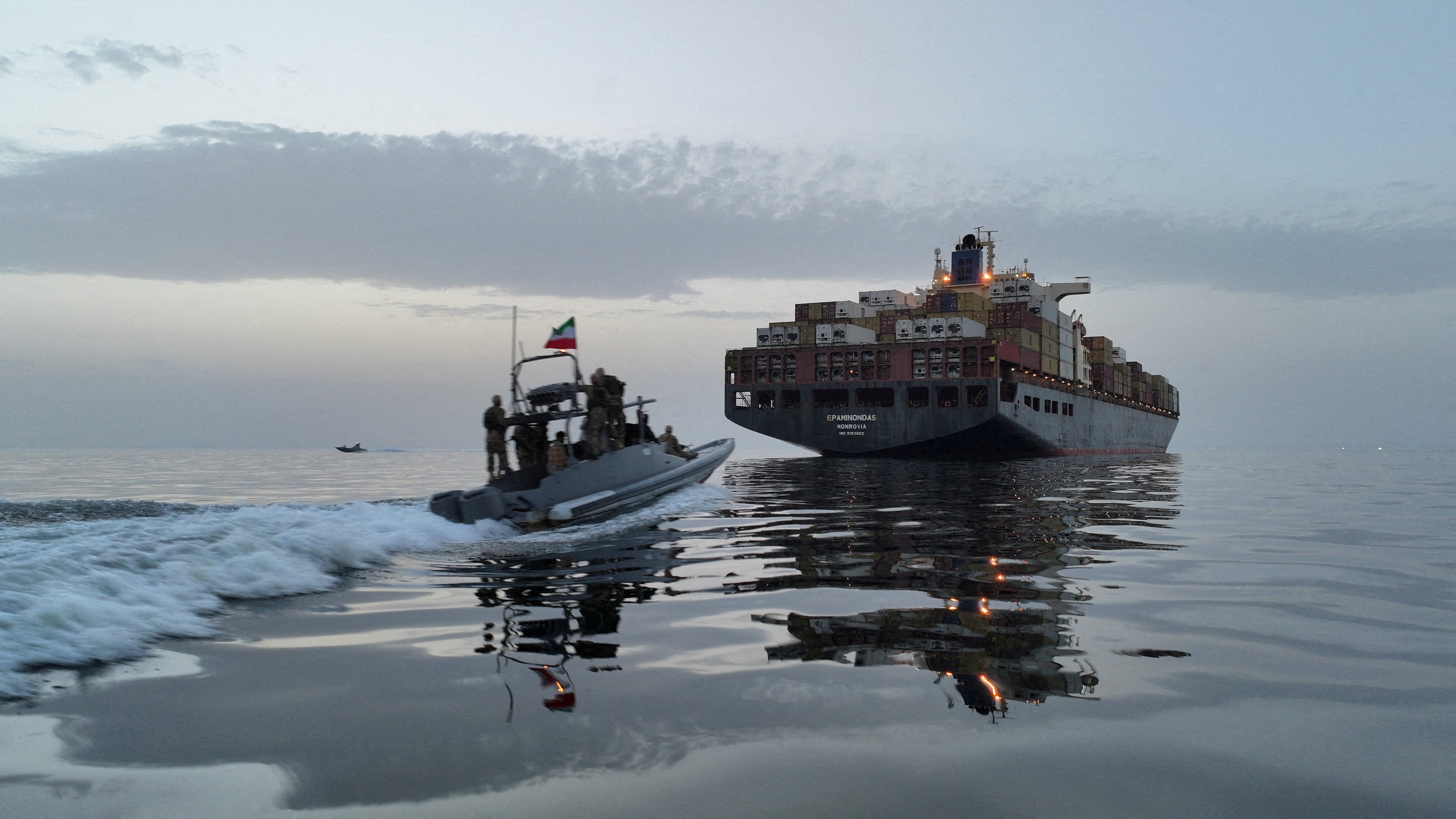
As the war on Iran shows no signs of resolution and has far-reaching consequences across the world, the higher oil prices have emerged as a major risk for net energy importer India. It threatens to widen the country’s current account deficit, slow growth, and stoke inflation, say experts.
Gold and crude oil are primarily paid in US dollars, with India importing nearly 85 per cent of the crude oil needs.
Unlike oil, gold purchase is not considered essential expense and if cumulatively, households buy more gold during a global crisis, more dollars flow out putting a pressure on the Indian rupee.
This can widen the country’s current account deficit, which measures the gap between imports and exports. A weaker rupee also makes imports more expensive, creating a cycle where oil, gold and other imported goods cost more, domestically.
"PM Modi’s appeal to the nation to curb the consumption of petrol/diesel, gold, chemical fertilisers and edible oil and refrain from avoidable foreign travel is a crisis management response to the current account deficit problem caused by high crude prices,” Dr VK Vijayakumar, chief investment strategist of retail financial services company, Geojit Investments, told the Mint newspaper.
However, he cautioned that “this call for austerity has a slightly negative implication for economic growth in FY27”.
The foreign exchange reserves are diminished by large volumes of Indian spending abroad, and the expense on imports of gold, oil, and fertilisers.
India’s foreign exchange reserves have plummeted by 1.12 per cent from the end of March, standing at $690.69bn on 1 May, seeing a decline of $7.75bn. Before the start of the war, on 27 February, it stood at $728.5bn, according to the figures from India’s central bank, Reserve Bank of India.
The use of oil and fertilisers are essential need and hard to significantly cut back on, with both driving India’s agrarian economy. Gold and foreign travel, however, are primarily seen as discretionary expense.
Jateen Trivedi, vice president research analyst - commodity and currency, LKP Securities, told Mint that Modi’s message should be viewed “primarily from the perspective of India’s macroeconomic stability and import management”.
Analysts are skeptical about a major shift in demand as the gold is linked to savings, investment and cultural buying patterns.
“However, in the short term, it may slow discretionary purchases, particularly in jewellery demand, and create cautious sentiment across bullion and jewellery-related businesses," Trivedi said.
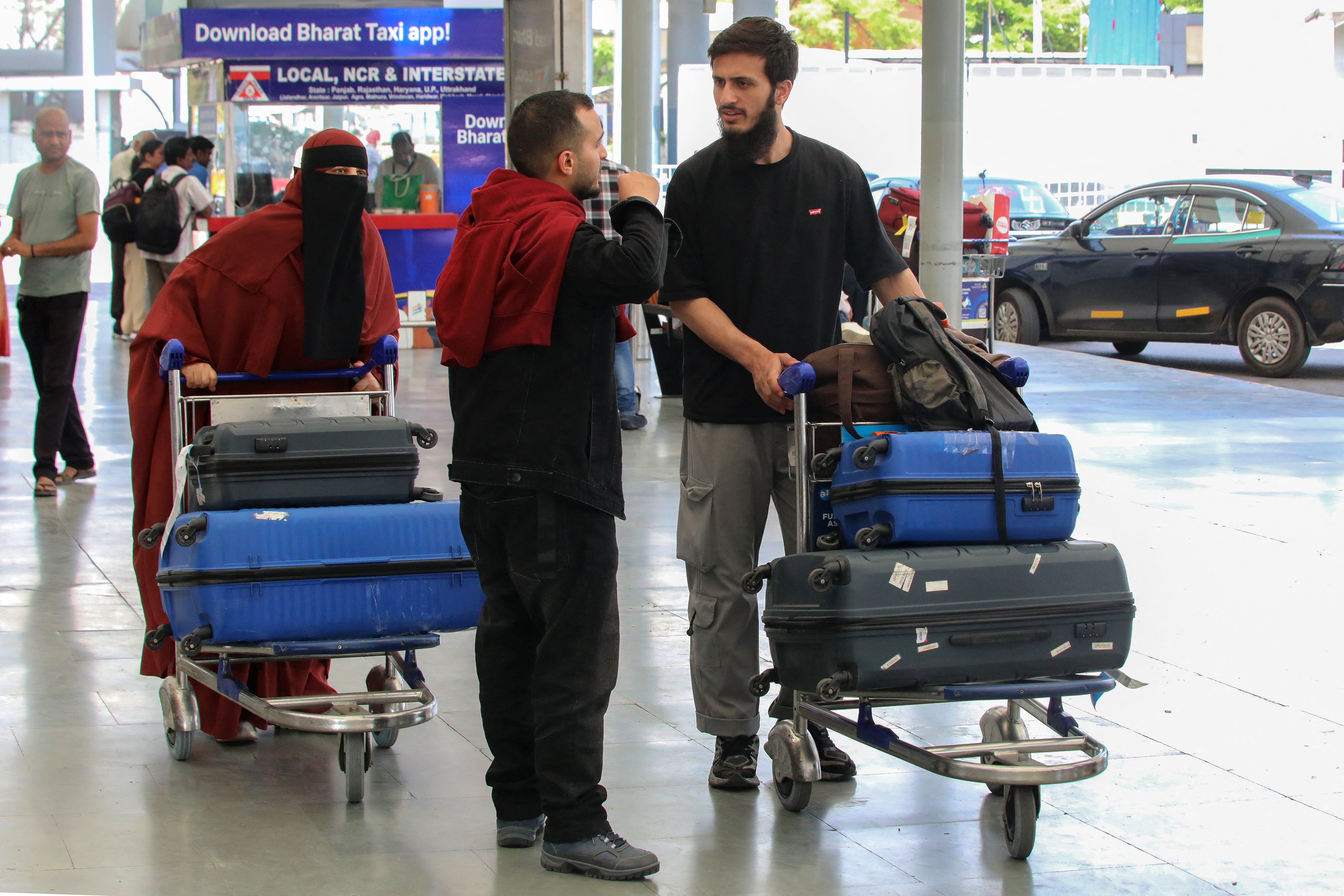
Modi’s call for austerity measures, urging citizens not to travel abroad, is driven by substantial foreign exchange outflows linked to overseas travel under the Liberalised Remittance Scheme (LRS).
“The growing culture of weddings abroad, travelling abroad, and vacationing abroad is becoming prevalent among the middle class. We must decide that during this time of crisis, we should postpone travelling abroad for at least a year,” Modi says.
According to the travel insurance firm ACKO, Indian spent $31.7bn in 2023-2024 during their trips abroad. About 30.9 million Indians travelled to a foreign country, at least three million more than the previous year when about 27.9 million Indian made the trips.
However, according to RBI data, the Indian expenditure has been decreasing in the last two years.
Indians spent about $26.4bn between April 2025 and February 2026 – which is 2.5 per cent lower than 2024-25 period, reported The Wire.
Crude oil supertanker attempts to pass Strait of Hormuz
A humiliated Trump will be played by China
What Trump and Xi will discuss during China visit – and what could go wrong
Indian state leader removes personal astrologer from government role after backlash
All of the world’s 50 hottest cities in late April were in India
Modi urges Indians to work from home as US-Iran war sparks fuel crisis